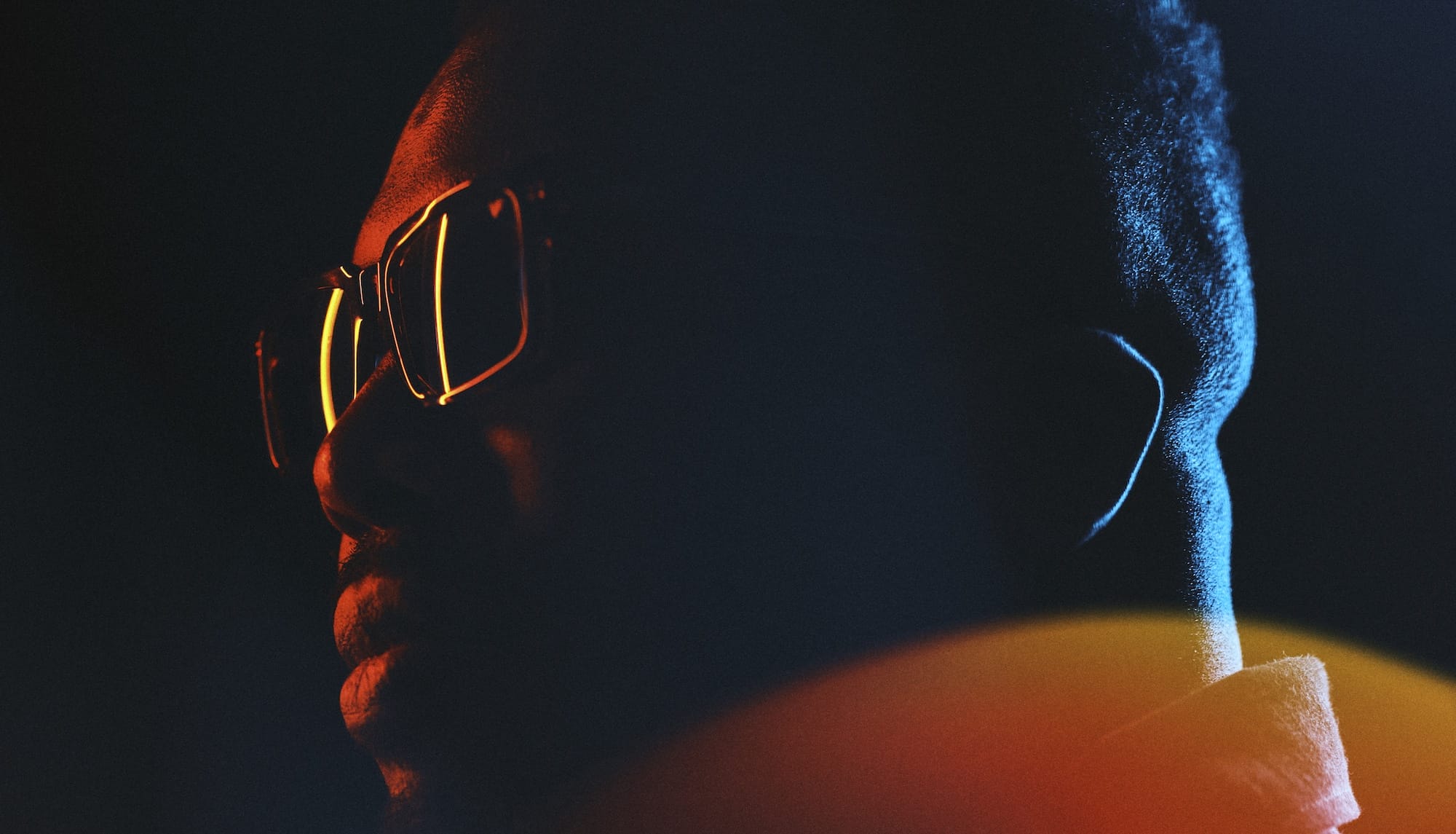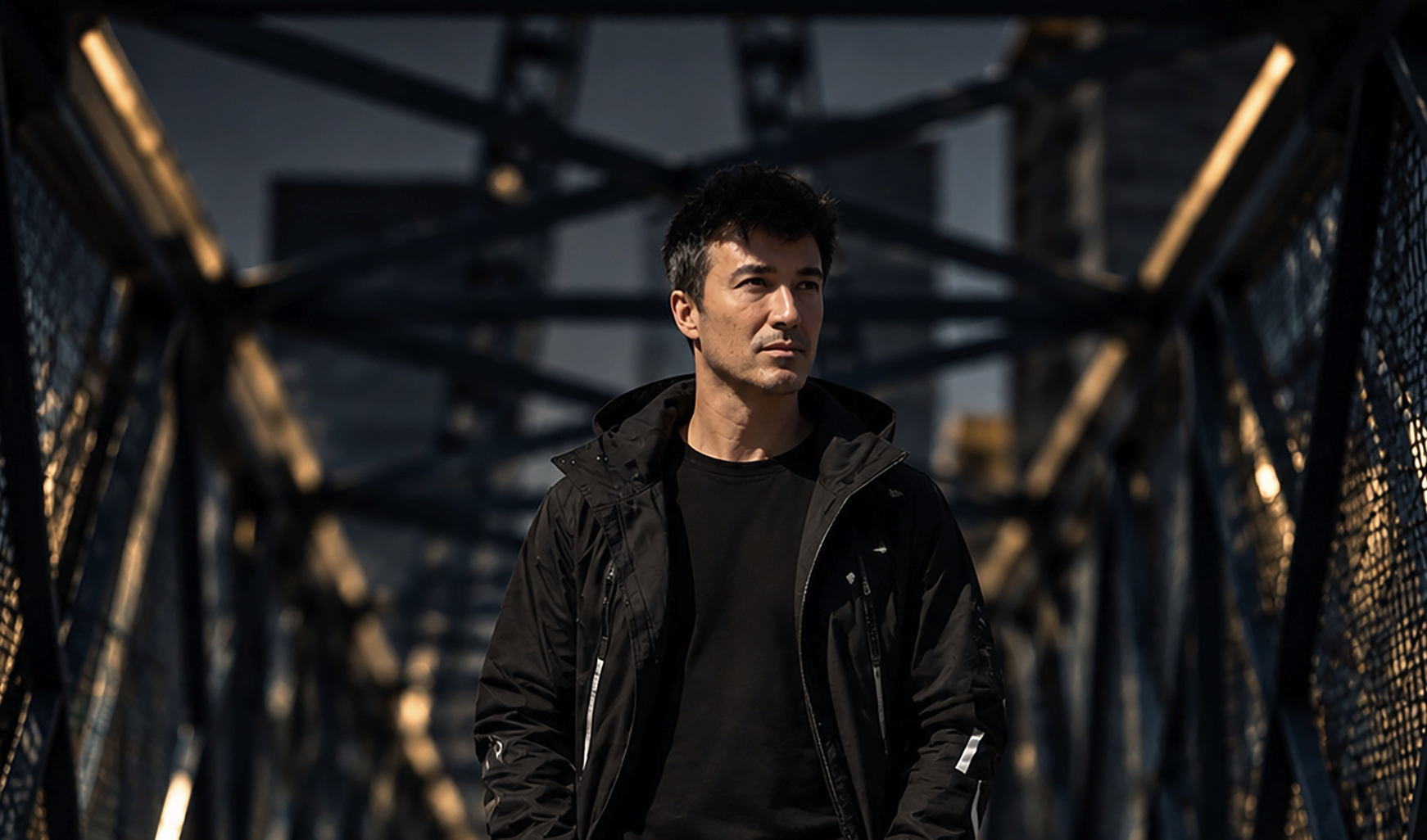
Photography Credit Throughout: Timo Wagner
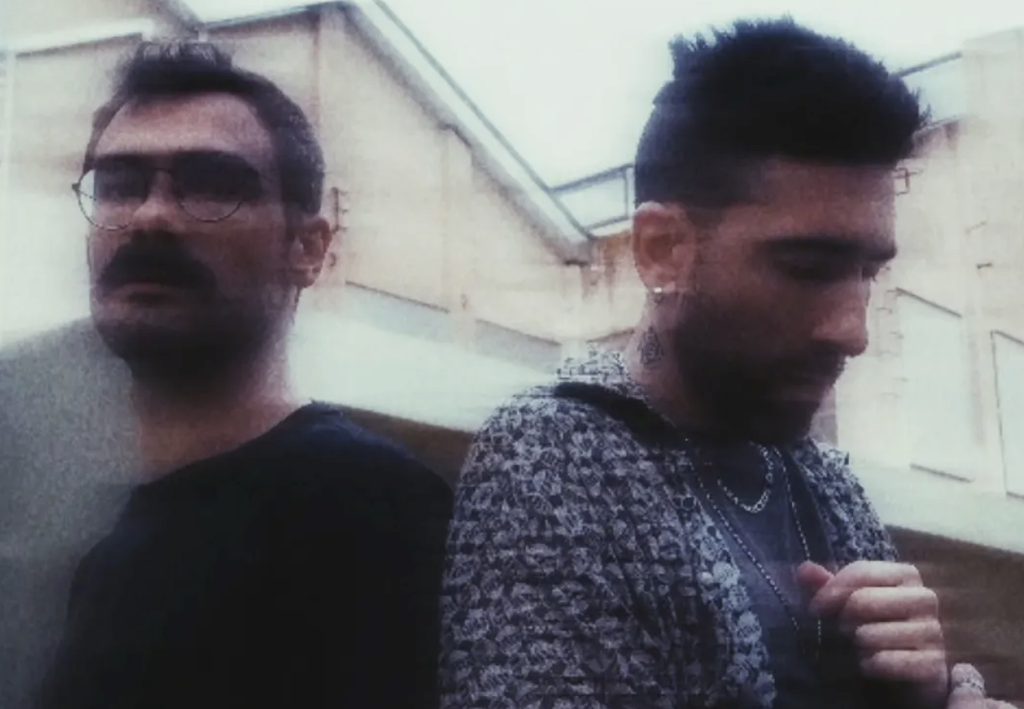
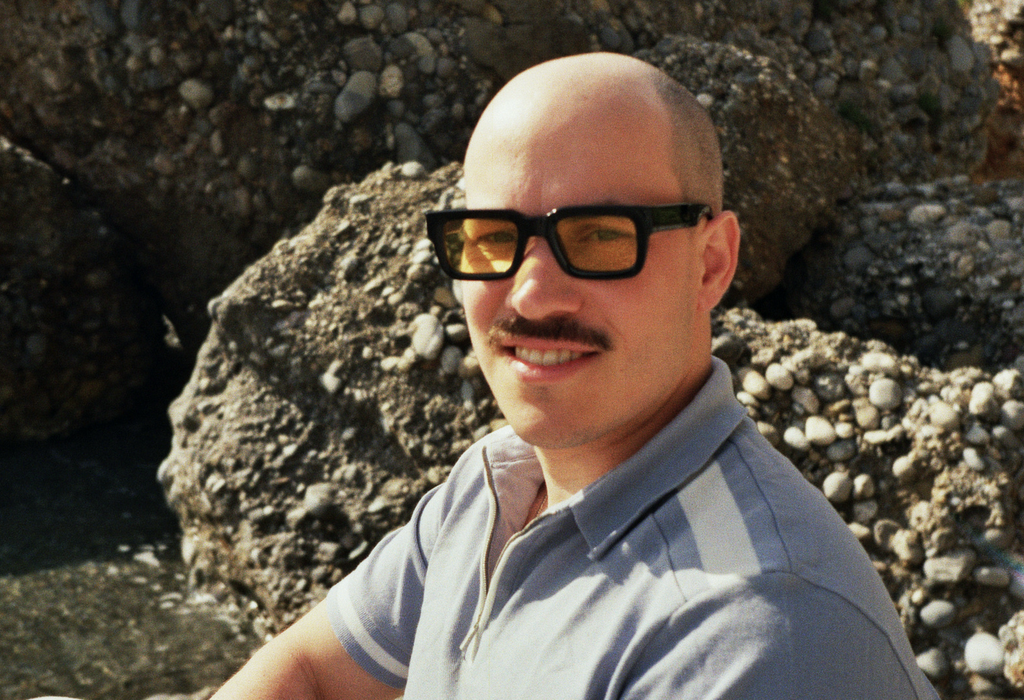
Mystigrix (@its_mystigrix) is thinking about house music less as a personal lane and more as a shared ecosystem. The Berlin-based DJ, producer, and Flirt Records founder is not only putting out music under his own name. He is using the label, events, and his monthly RBL radio show as ways to bring other artists into view, build relationships, and create a more generous version of underground culture.
That focus is easy to flatten into vague community language, but Mystigrix speaks about it in honest verbiage that don’t sound too convoluted. He talks about inviting guests onto his radio show instead of using it only for his own sets, surrounding himself with people who make the work feel less isolating, and learning when to focus on digging and DJing versus when to return to the studio.
For him, longevity does not come from chasing every visible spike of attention. It comes from building routines and relationships that make the project survivable.
The interview below gets into that longer view. Mystigrix talks about consistency, social media pressure, creative droughts, vinyl digging, old records, German underground hip-hop, and the kind of mutual support he wants to see more of in house music.
The result is a grounded look at an artist trying to build something that can hold more than his own catalog.
Interview With Mystigrix
How do you define your role within the culture right now?
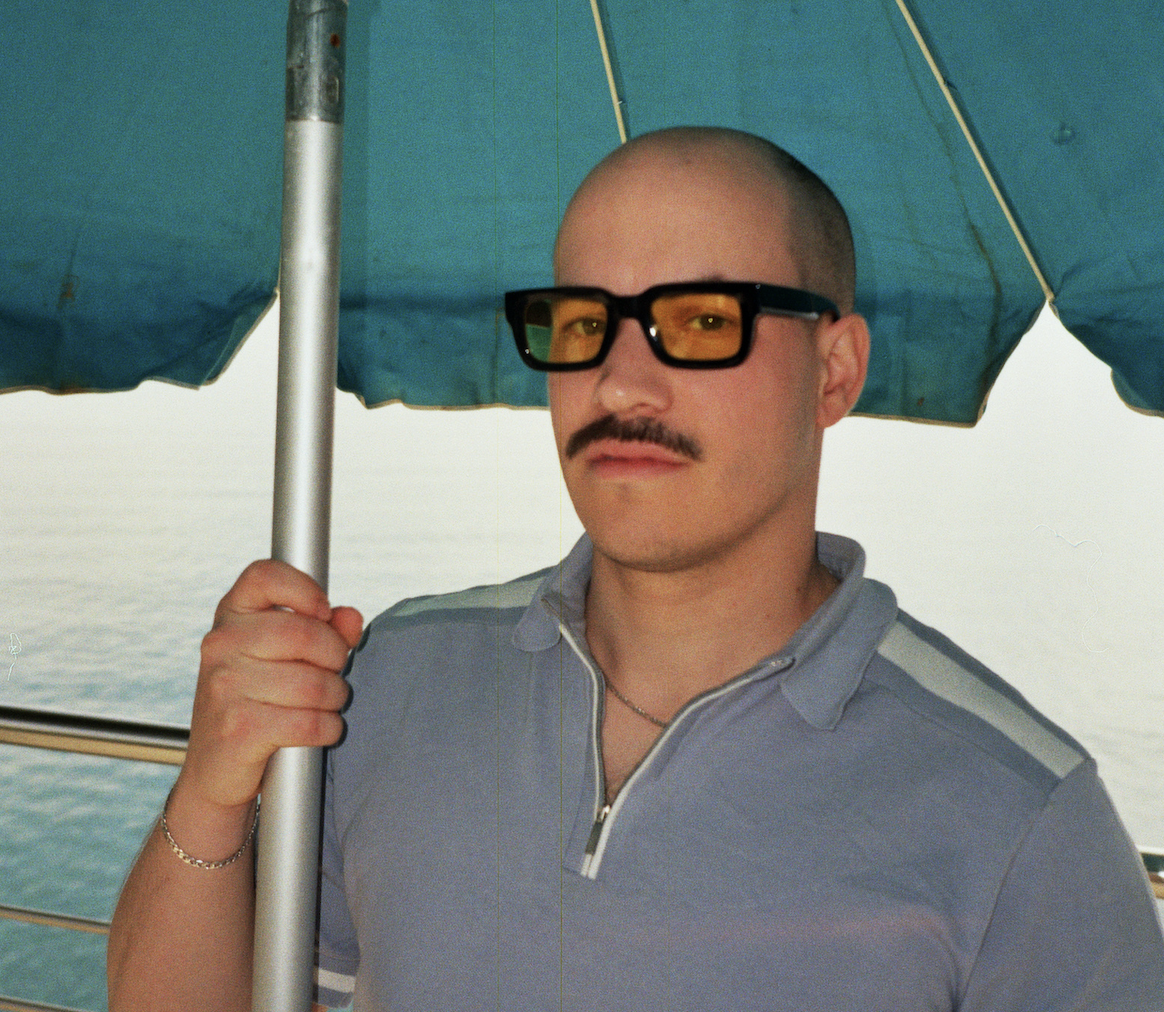
I see myself as a community builder and tastemaker within house music.
Through Flirt Records, I’m curating a community of artists I believe in, centered around the sound I enjoy. I like to think of the label, events, and radio show as platforms to amplify their voices. I started my monthly radio show on RBL playing my own sets, but I quickly realized I enjoy inviting guests far more. It leads to genuine connections and exchange, and gives me the chance to bring in artists I truly appreciate. A community where that energy can thrive, for me and artists I work with is my goal.
What has helped you prioritize long-term growth over short-term momentum?
Over the years I’ve learned that there might be peaks of attention and momentum, but I need to be consistent in what I do for this to make sense. Social media is a slippery slope where short-term attention or going viral might seem like the goal, but I don’t think that’s sustainable.
I’ve had mental struggles with music, feeling frustrated, stuck, or comparing myself to others, fueled by social media. It’s always ups and downs, and I’ve thought about giving up more than once.
But if I feel the urge to sit in the studio and create music, or I get goosebumps while listening to a new track and need to share it with friends, I know it’s still my passion and that keeps me going. All of this is terribly boring if you do it alone, so it’s most important to surround yourself with genuine and positive people you can share experiences with.
Are there principles or daily practices that keep your work grounded over time?
Honestly, there’s been a lot going on in my life recently and I fell off the bandwagon a bit.
But I had the habit of showing up in the studio every day for at least 15 minutes. Often I felt like watching a series or doing something else, but this helped me overcome the challenge of getting started. More often these 15 minutes didn’t turn into anything great, but sometimes they turned into a long session or a nice track. I also needed to learn that it’s okay to take breaks and to get away from music creation for a while, then come back with fresh ideas.
Every year there are two to three frustrating months where it feels like I’m just grinding, but I’ve learned to accept it because usually, after the drought comes the rain, and then I have a really creative phase with lots of output. I’ve also learned that I can’t be a DJ and a producer at the same time.
If I have a phase where I play often, I focus on selection, digging, and DJing. In phases with fewer gigs, I return to the studio and work on music.
How do you stay responsive to the present while building toward the future?
I feel that trends are happening very fast, especially with social media and virality.
You get all of that blasted into your face, and it can quickly lead to thinking you must follow it to be successful. On the other hand, taking from these things selectively and expanding my sonic palette can be really cool. It’s a great way of experimenting and shaping your own sound. Hell, I produced and released a trance track just for the fun of it and to see if I could produce that genre. For me, it’s about staying curious and open to the present without losing sight of where I’m heading. I’ll try new things, but only if they feel authentic to me and fit into the bigger picture of what I’m building.
That shows up in how I curate Flirt Records, book my radio show, or even select music for my DJ sets. I’m always listening to what’s happening now, but I filter it through what I believe in long-term. I also play a lot of older and used vinyl, and digging through these tracks shows that many new trends aren’t actually that new. Sounds have evolved in many directions, but less than one would think. I think one of the main quality aspects of a DJ is your personal taste filter. That’s what makes your sound.
Same as a producer. I think it’s important to be mindful and respect the past, but also be open to new evolution to get the best of both worlds.
What kind of impact do you hope to have within the communities you’re part of?
I find the German underground hip-hop scene, for example in Leipzig and Bremen, really inspirational. Producers work across different artists’ records, everyone features each other, and the whole community lifts each other up. That’s the kind of energy I want to foster. Ideally, we’d be less competitive and focus on elevating each other, creating a space where artists support each other with feedback, constructive criticism, and practical help. It’s easy to lose focus, especially while everyone is secluded through their phones.
Let’s not forget we all share a love for the same thing: music, and that can be a really great foundation to work together.
Closing Thoughts From The Editor
Mystigrix’s answers are clearest when he describes community as work rather than mood.
It is easy to talk about scenes as if they happen naturally around good records, but his version is more active. Invite someone onto the radio show. Play another artist’s music. Build the label around people you believe in. Share feedback. Create the conditions where artists can keep going without feeling like they are doing everything in isolation.
That connects with my interview with BIIA on DYSTONIA, community, and the emotional role of techno.
BIIA talked about community as shared experience, especially in a culture where social media can create reach while leaving people more disconnected. Mystigrix is working from a similar concern. Online attention can help, but it can also distort the point of the work if every artist starts measuring progress by visibility alone.
There is also a clear link to Marc Lenz on the quiet ways DJs support each other behind the scenes. Marc’s interview looked at the introductions, bookings, informal advice, and practical support that keep artists moving. Mystigrix’s answer about the German underground hip-hop scene gets at that same model. The healthiest scenes are rarely built by one person trying to dominate the conversation. They are built by people who keep appearing on each other’s records, sharing rooms, and creating opportunities sideways.
The digging side links naturally to Hyungmin’s interview on vinyl credits, lineage, and cultural respect. Hyungmin talked about looking at records as a trail of methods, instruments, musicians, and histories. Mystigrix is making a related point when he says that playing older and used vinyl shows how many new trends are not actually new. Digging is not nostalgia for its own sake. It gives a DJ a better sense of proportion.
That is where Mystigrix’s answer about daily practice becomes more important than it first appears. Showing up for fifteen minutes will not romanticize the studio. Most days may produce nothing memorable. But the habit gives an artist a way to stay close to the work without waiting for inspiration to perform on command. Just as importantly, he allows for breaks. He has learned that DJing, digging, and producing may need different seasons rather than all happening at once.
The bigger lesson is that Mystigrix is building around sustainability. Flirt Records, his radio show, his DJing, and his production work all seem to come back to the same idea: taste becomes stronger when it is shared, tested, and supported by people. That is a healthier vision of house culture than the one built around constant visibility.
The records still matter first, but the scene around them decides whether the work has somewhere to live.

Will Vance is a professional music producer who has been involved in the industry for the better part of a decade and has been the managing editor at Magnetic Magazine since mid-2022. In that time period, he has published thousands of articles on music production, industry think pieces and educational articles about the music industry. Over the last decade as a professional music producer, Will Vance has also ran multiple successful and highly respected record labels in the industry, including Where The Heart Is Records as well as having launched a new label with a focus on community through Magnetic Magazine. When not running these labels or producing his own music, Vance is likely writing for other top industry sites like Waves or the Hyperbits Masterclass or working on his upcoming book on mindfulness in music production. On the rare chance he's not thinking about music production, he's probably running a game of Dungeons and Dragons with his friends which he has been the dungeon master for for many years.