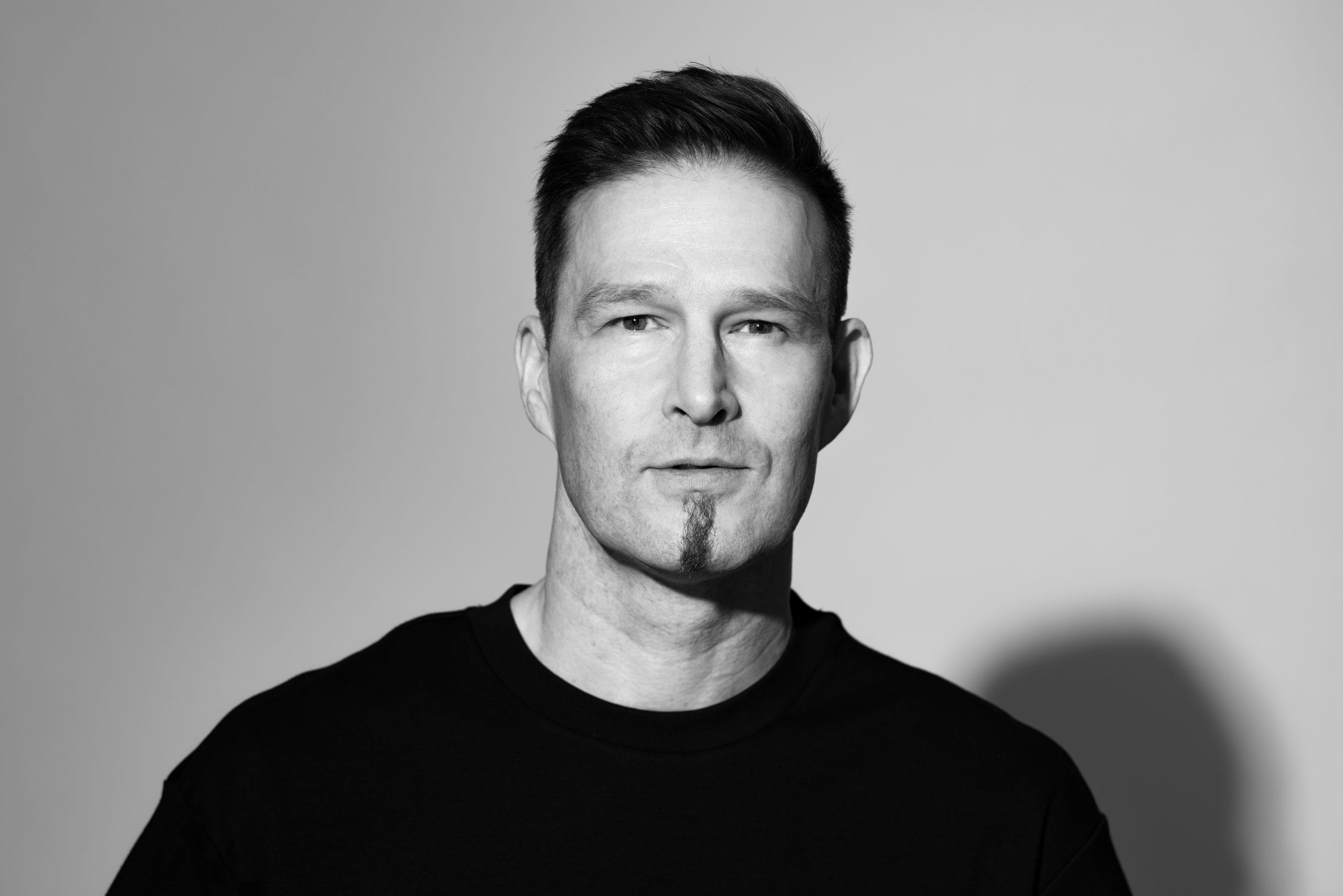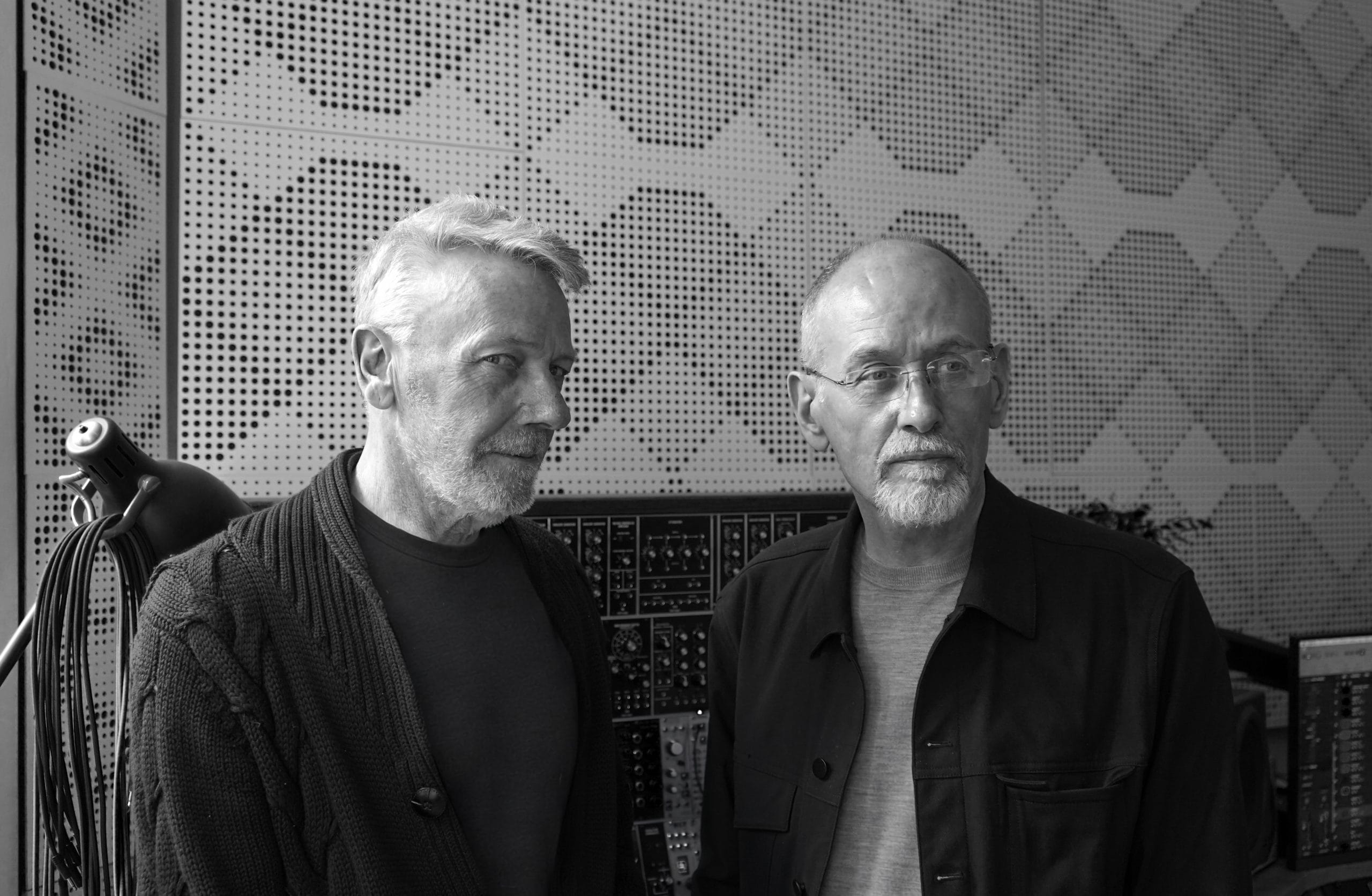
Fluke helped define an era of British electronic music, and The Second Bite finds the group revisiting that catalog after regaining control of their recordings. Rather than simple remasters, these are rebuilt versions created from the ground up, bringing decades of production experience back to tracks that first shaped everything from rave culture to blockbuster film soundtracks and classic racing games.
That approach gives familiar material a fresh perspective without losing what made it connect in the first place.
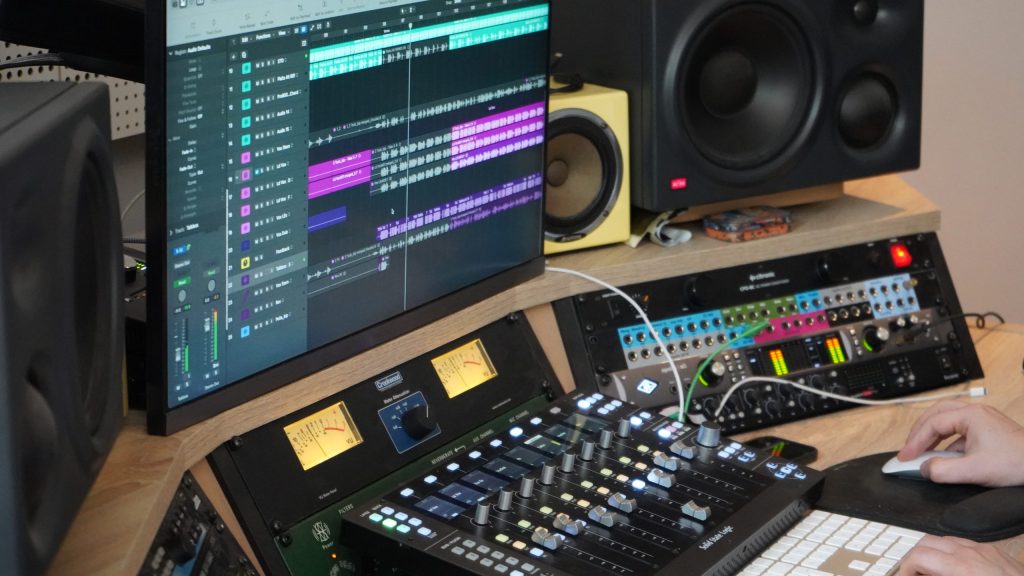
“Atom Bomb” remains one of the band’s defining productions, and the updated version still revolves around the same combination of layered analogue hardware, distinctive filtering, and hands-on sampling techniques that made the original so memorable. Much of the personality comes from combining multiple synthesizers into a single sound, then treating those layers as one instrument instead of relying on a single patch.
In this How It Was Made feature, Fluke breaks down the hardware behind “Atom Bomb,” from the Nord Lead, EMU Morpheus, and Sequential Circuits Pro One to the Sherman Filterbank, classic Lexicon reverbs, BEL delays, Akai samplers, and the workflow that carried the track from its original recording sessions into its rebuilt 2026 version.
Main Hardware Synths: Nord Lead, EMU Morpheus & Sequential Circuits Pro One
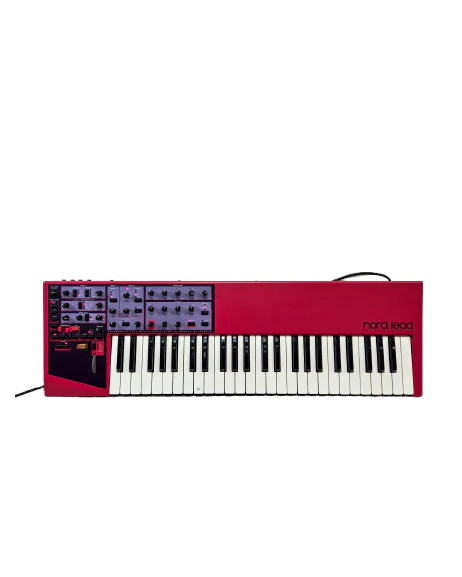
There were really three main hardware synths: a Nord Lead, an EMU Morpheus, and a Sequential Circuits Pro One.
The Nord Lead is a fantastic virtual analogue synth that can do almost anything a real analogue synth can. The EMU Morpheus is a multitimbral digital synth with amazing filter selections that can be endlessly modulated. The Pro One is a classic analogue monosynth from Sequential Circuits.

The bass sound on “Atom Bomb” was produced by layering the Pro One and the Nord, then distorting and filtering them through a Sherman Filterbank. It’s always worth thinking about layering synths to create something unique, then modulating them with another piece of hardware or simply playing the filter with a modulation wheel.
Sherman Filterbank
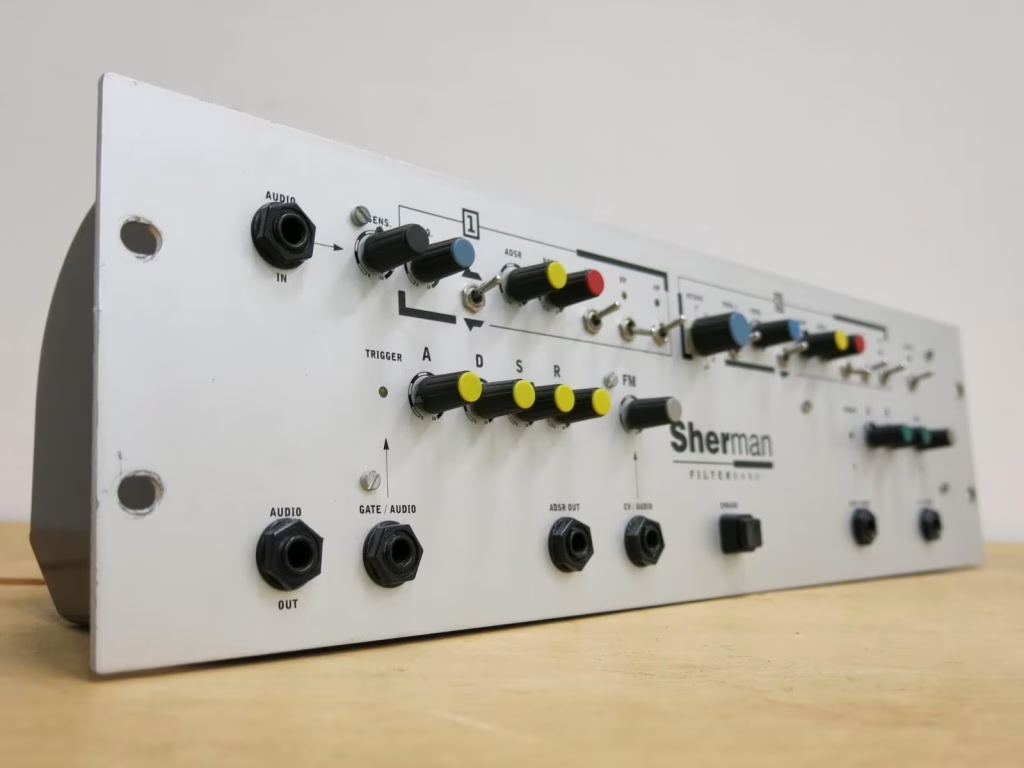
We used the Sherman Filterbank extensively on “Atom Bomb.” It’s got a really gnarly quality to it and is endlessly modulatable. I ended up buying another one later that Herman Gillis modified with an SH-101 mod grip that played the filter, along with an extra LFO waveform. The waveform switch actually came off a submarine.
Pads, FX & Sampling
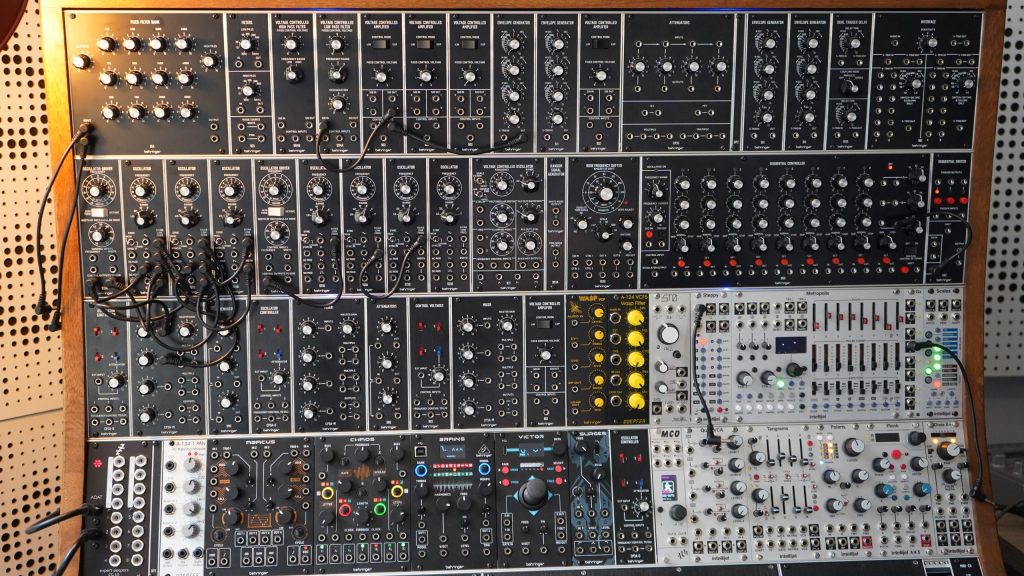
The Nord and the EMU, with both being multitimbral, handled most of the pads and effects.
The EMU could create evolving sounds with interesting filter movement. There’s a sound that resembles white noise running through a resonant low-pass filter that came from the Morpheus. That was then vocoded using an EMS 3000, with one of the drum loops acting as the modulator.
The Nord could also produce warm pads but was primarily used for incidental effects.
Beyond that, two Akai samplers and an EMU E4X handled most of the drums while also manipulating the vocals. At the time, we recorded vocals to DAT before sampling them phrase by phrase. The backing vocals were transferred to Pro Tools and played back digitally.
Reverbs & Delays
For the mix, the main reverbs were a Lexicon 300 and an LXP1 for shorter reverbs.
Delays were handled by a BEL BD80. It’s a fantastic digital delay. You could feed it back into itself for days without it breaking into uncontrollable feedback.
Rebuilding The Second Bite

The reimagined version for The Second Bite was largely created from the original samples I pulled from the mix after the session had finished. That’s also how we performed the song live, with all the samples and loops playing from an EMU E4X sampler.
The vocals were re-recorded, with additional backing vocals provided by Leah Cleaver.
Hot Takes

Hot Take #1: Electronic music has always embraced new technology and the people creating it. As production continues to evolve, it will be fascinating to see how that balance between technology and creativity develops.
Hot Take #2: Trust your own ears, but trust other people’s ears as well. Even with today’s software, there’s always room for an experienced professional somewhere in your production chain.

Hot Take #3: There’s a theory that the end of every decade brings a major shift in how people experience music. If history repeats itself, the next few years should be interesting.
Hot Take #4: We’re living through an incredible period for music technology. The tools have never been more affordable, practical, or capable while still encouraging experimentation.
Hot Take #5: An LLM cannot write a great song that has never existed before or one that nobody has loved. Beat the model. Write that song.

Will Vance is a professional music producer who has been involved in the industry for the better part of a decade and has been the managing editor at Magnetic Magazine since mid-2022. In that time period, he has published thousands of articles on music production, industry think pieces and educational articles about the music industry. Over the last decade as a professional music producer, Will Vance has also ran multiple successful and highly respected record labels in the industry, including Where The Heart Is Records as well as having launched a new label with a focus on community through Magnetic Magazine. When not running these labels or producing his own music, Vance is likely writing for other top industry sites like Waves or the Hyperbits Masterclass or working on his upcoming book on mindfulness in music production. On the rare chance he's not thinking about music production, he's probably running a game of Dungeons and Dragons with his friends which he has been the dungeon master for for many years.