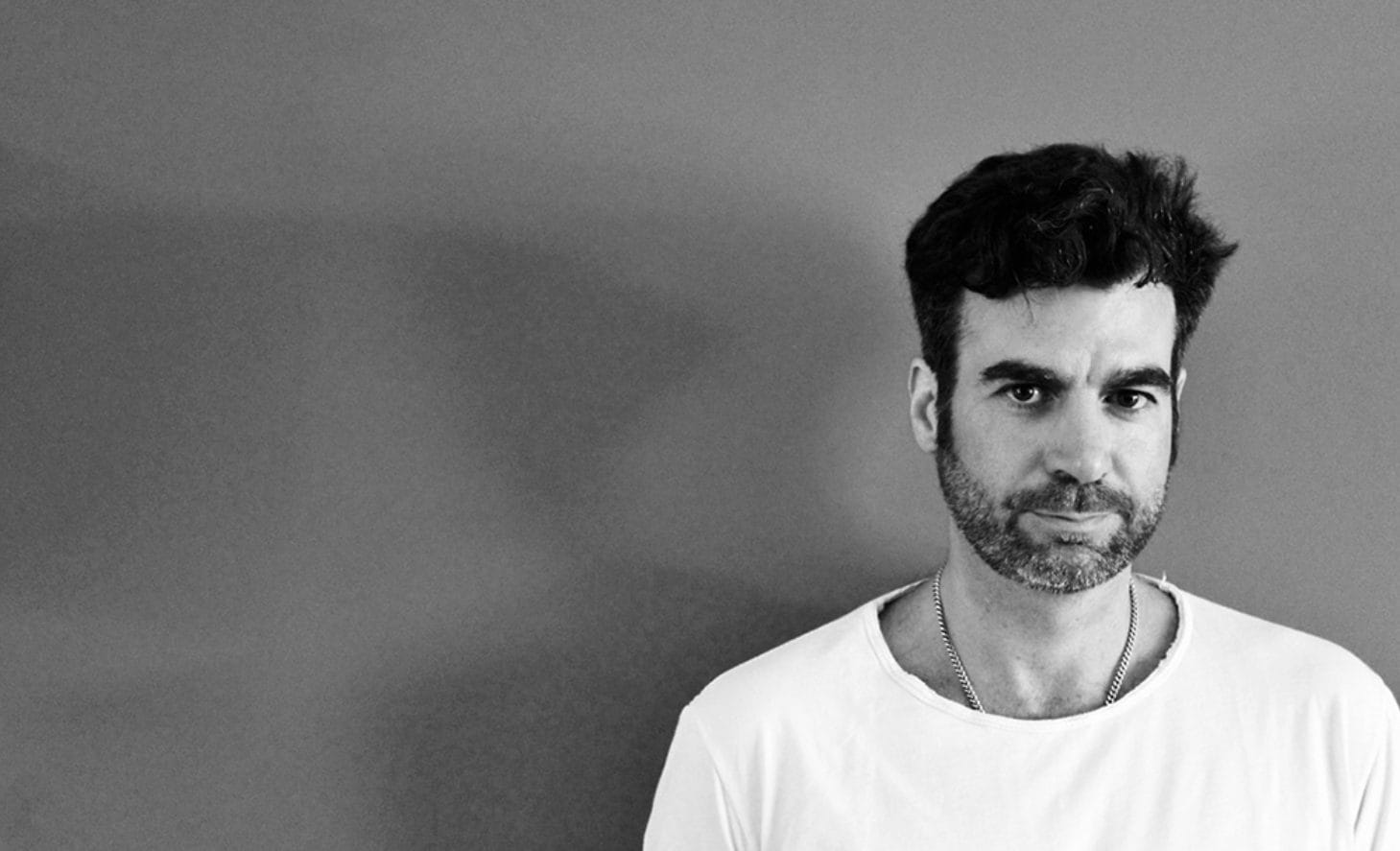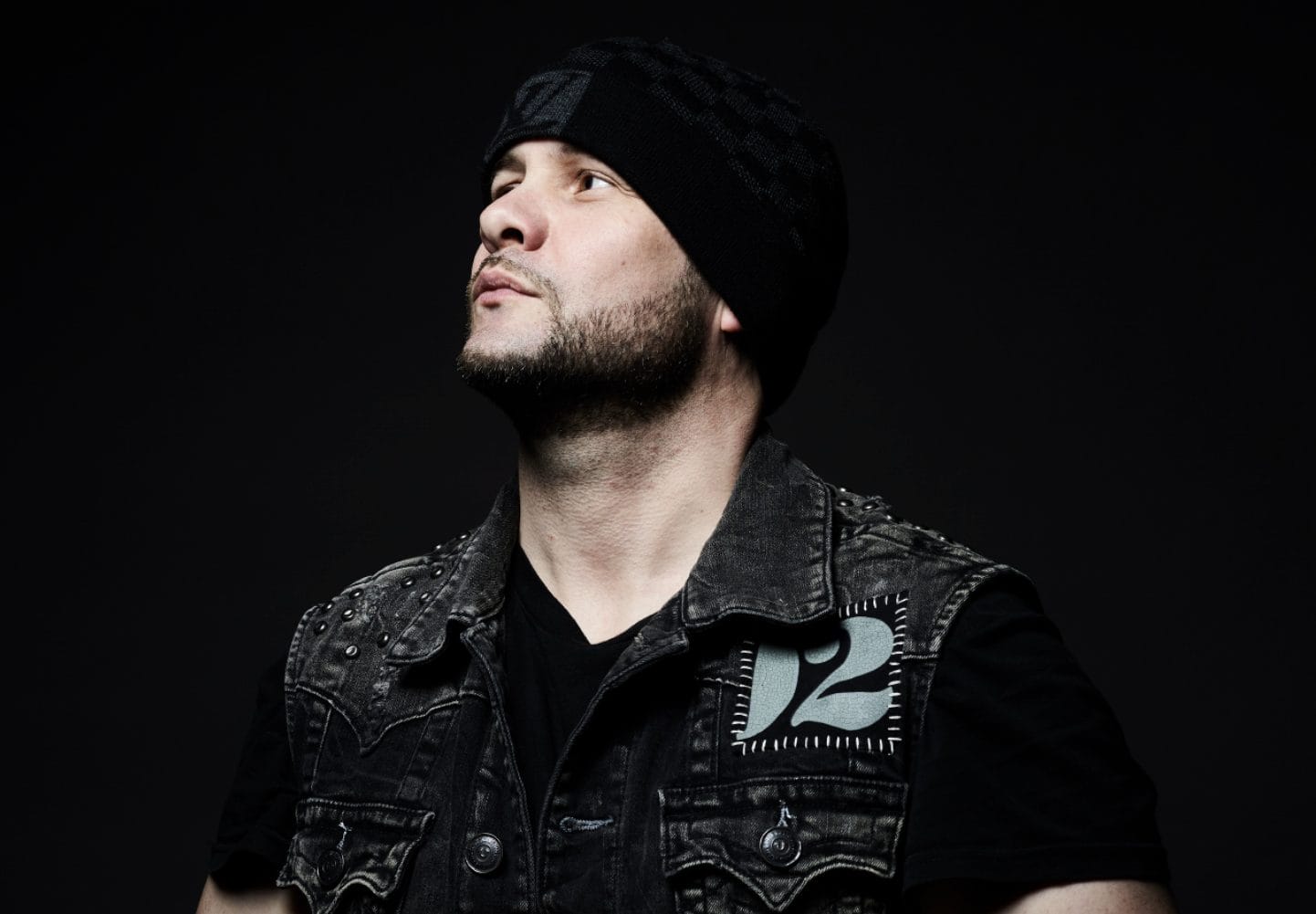
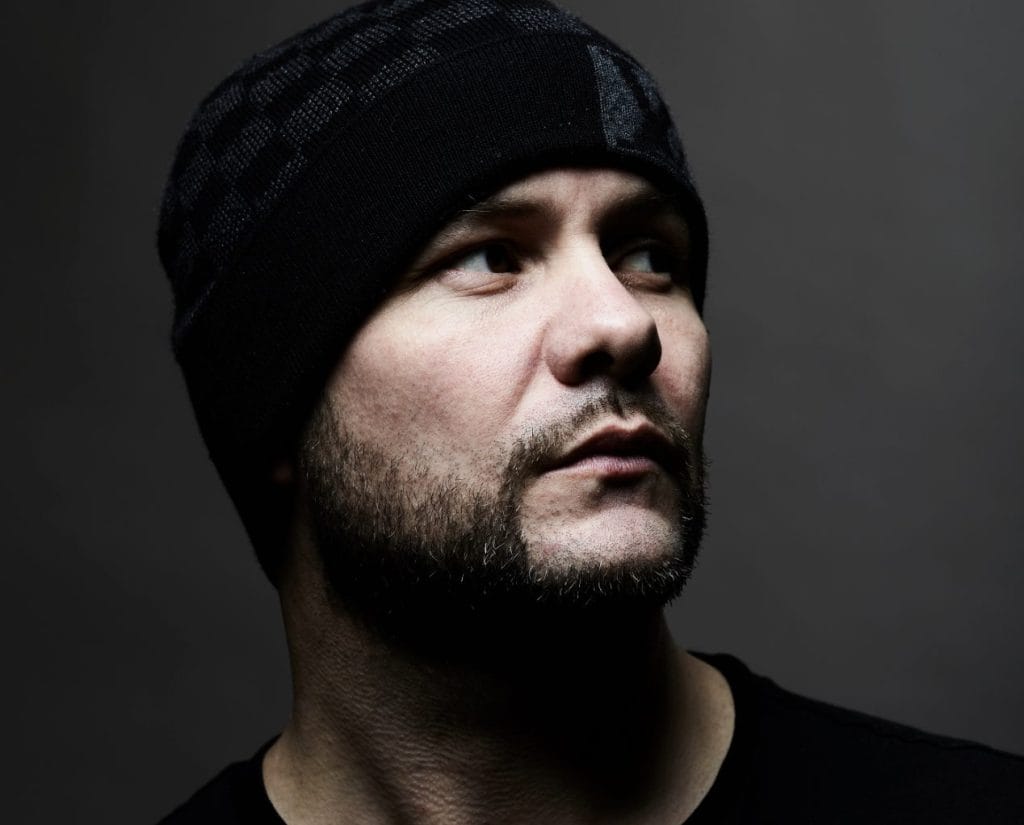
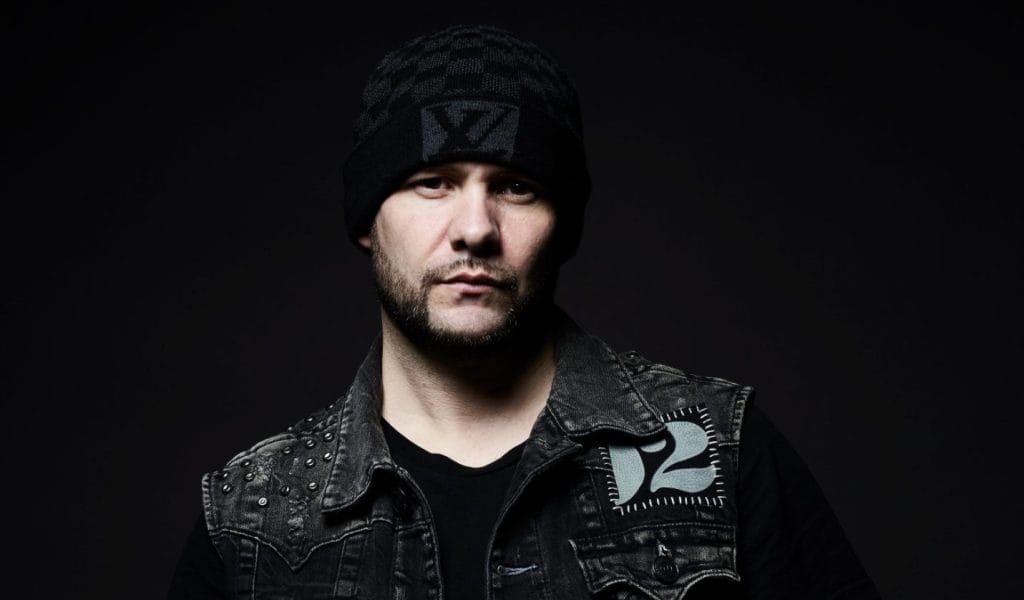
Harry Shotta (@therealharryshotta) has built his name on technical control, speed, precision, and the kind of vocal command that can move between drum & bass, grime, and hip-hop without losing identity. On “Wishing & Waiting,” his collaboration with Exile and Lupole for Make Your Era, that skill lands in a slightly different frame.
The record leans into melodic vocal drum & bass, with Exile and Lupole building a polished, song-focused production that gives Shotta space to write from a place of anticipation, uncertainty, and direct human feeling.
That is what makes this conversation with Shotta feel connected to the record without turning it into a standard release interview. “Wishing & Waiting” pulls from early 2000s UK club culture, vocal-led DnB, garage, grime, and contemporary production clarity, and Shotta’s answers circle around a similar idea: older records can still serve the present when the feeling, writing, and intention hold up.
He talks about 90s hip-hop, Dominator, Nas, Big L, Big Pun, Skibadee, Mobb Deep, Dillinja, and Marvin Gaye with the kind of specificity that makes nostalgia feel practical rather than ornamental.
What comes through here is an artist who treats older music as a reference point, a source of discipline, and a reminder of why he started writing in the first place. Shotta speaks directly about music as therapy, childhood trauma, the records that still challenge him, and the difference between honoring a classic and using one without respect.
For a track like “Wishing & Waiting,” that context helps clarify the larger frame: the past can still inform club music without turning the result into a museum piece.
Interview With Harry Shotta
When you play older tracks, are you thinking more about emotional weight, or musical fit in the moment?
You know what, listening to older tracks is something I don’t do a lot, as music is very therapeutic to me and I tend to release my feelings at any given time, then move on to the next project. I guess it’s music for the moment. I have dealt with serious issues through music, and it’s helped me deal with a lot of childhood trauma, so it’s about shedding emotional weight while expressing how I feel in the moment.
Do you worry about leaning too much into nostalgia when you bring back older material?
Nah, I’m a nostalgic person. I listen to 90s hip-hop all the time, and it always reminds me what inspired me to rap in the first place. I find tapping into that nostalgic feel keeps my passion in place and keeps me grounded and tapped into the original essence and vibes that put me in the position I’m in today.
How do you frame or recontextualize older music to make it feel relevant, not retro?
I feel that older music can always be relevant because we go through the exact same emotions and experiences on our journeys. If you think about it, with all the madness going on around the world, a song that was made way back in the day, like “What’s Going On” by Marvin Gaye, is just as relevant now as it was when it was first released.
Have you had a moment where an old track completely changed the energy of a set in a way new stuff couldn’t?
Definitely!
I’ve been on DnB sets where a DJ plays a Dominator record, and it transforms the whole vibe because no one has been able to replicate that sound since. You have to draw for Dominator to feel those vibes.
What’s the difference between playing a classic and honoring a classic, in your view?
There’s no difference to me. If you play a classic, then you are honouring the said classic. However, if you’re taking a classic without any permission to use its energy, without respect, then dropping it into a drop that the creators would hate, then that’s a violation bordering on culture vulture vibes.
Are there older tracks that still challenge you or reveal something new every time you play them?
Yep, all of the tracks on Nas’s first album do this. Big L records; Big Pun’s whole catalogue. When I listen to certain Skibadee vocal tracks, they all inspire me and challenge me to keep raising up my levels and be the best artist I can be.
How do you know when something from the past still has a place in your present?
You know this because real music is timeless.
There are follow-fashion records chasing trends in the streaming era that have no real value, but real classics from the past never die. I can still listen to Mobb Deep’s second album or classic Dillinja songs, and they still have a place in the present times. This is the true power of music, when it goes beyond periods of time and still has weight and influence decades on.

Will Vance is a professional music producer who has been involved in the industry for the better part of a decade and has been the managing editor at Magnetic Magazine since mid-2022. In that time period, he has published thousands of articles on music production, industry think pieces and educational articles about the music industry. Over the last decade as a professional music producer, Will Vance has also ran multiple successful and highly respected record labels in the industry, including Where The Heart Is Records as well as having launched a new label with a focus on community through Magnetic Magazine. When not running these labels or producing his own music, Vance is likely writing for other top industry sites like Waves or the Hyperbits Masterclass or working on his upcoming book on mindfulness in music production. On the rare chance he's not thinking about music production, he's probably running a game of Dungeons and Dragons with his friends which he has been the dungeon master for for many years.