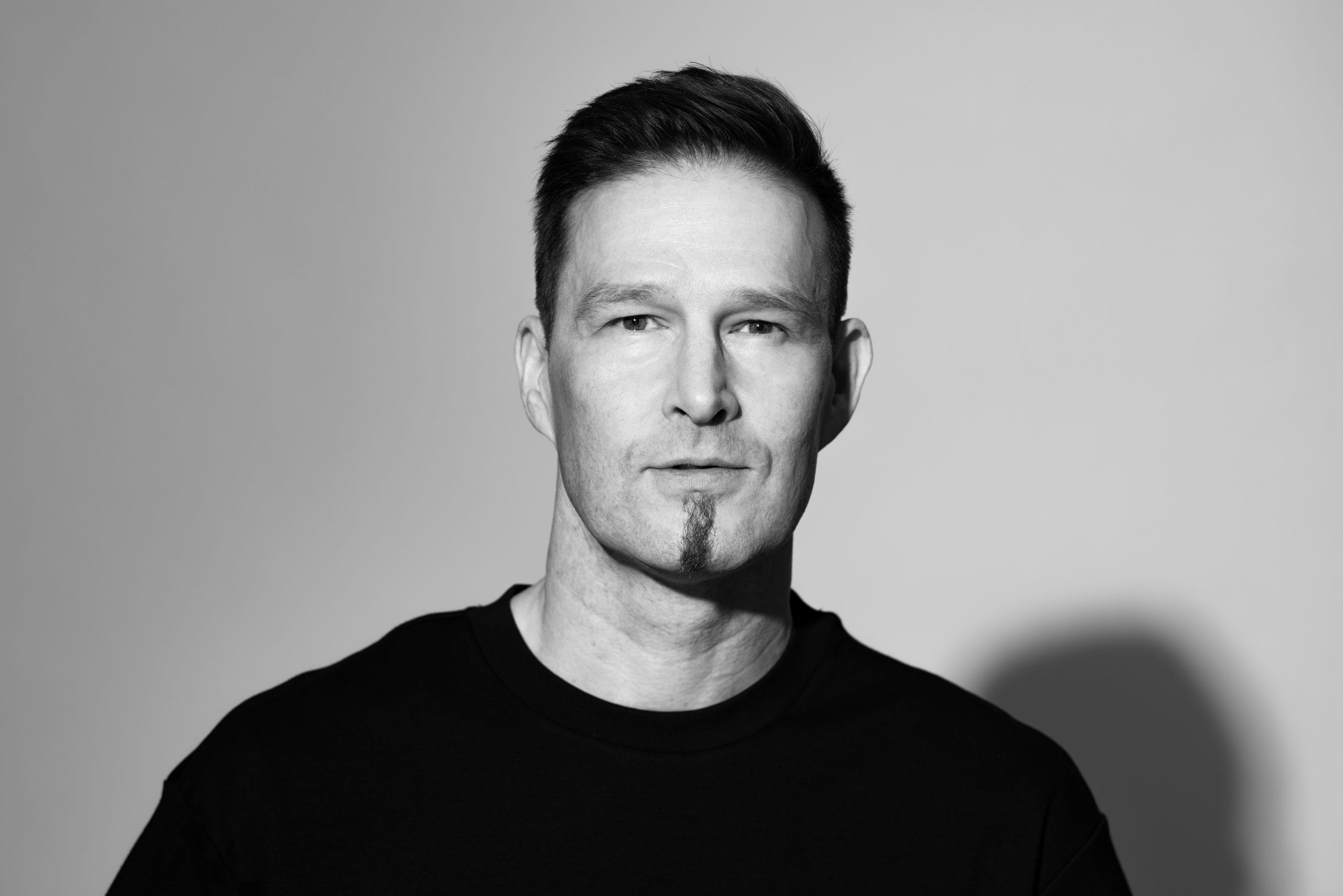
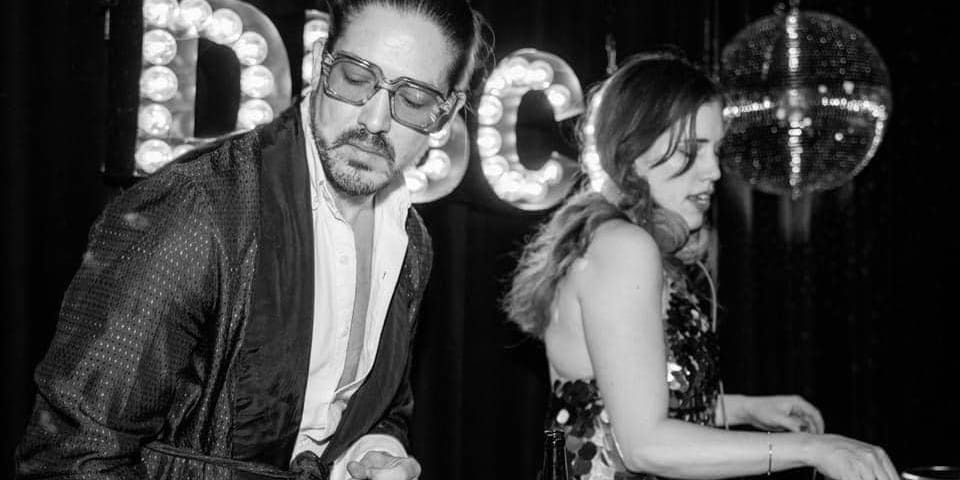
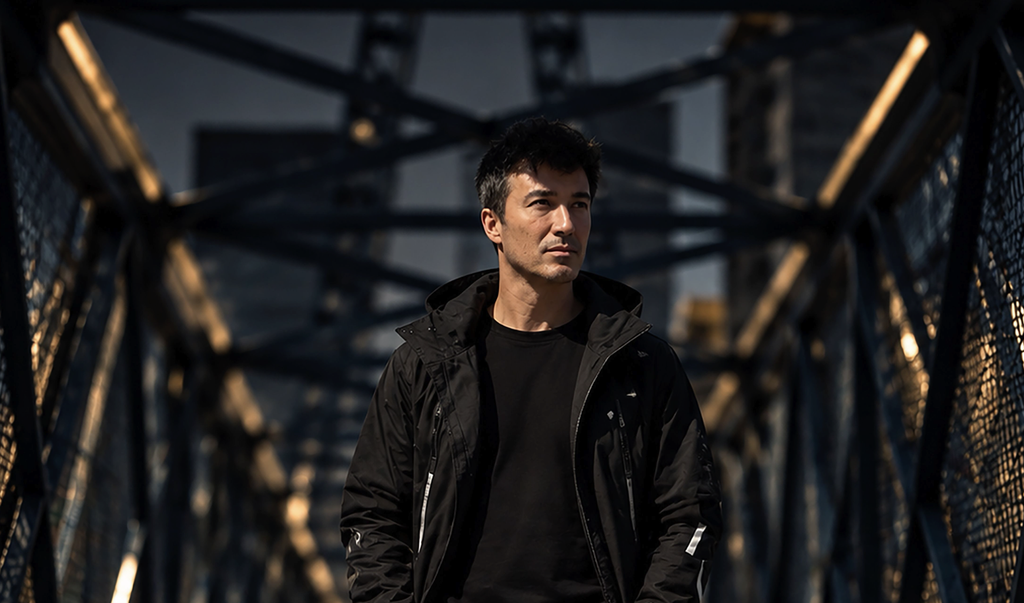
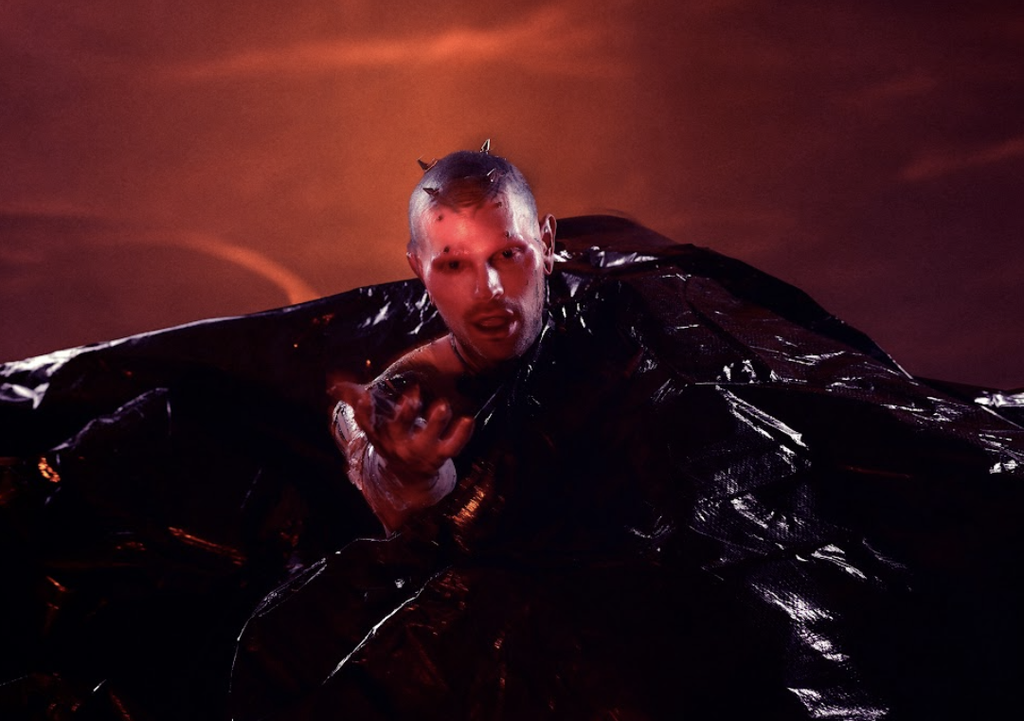
Live Performance Shots Throughout Courtesy Of Chris Lavado
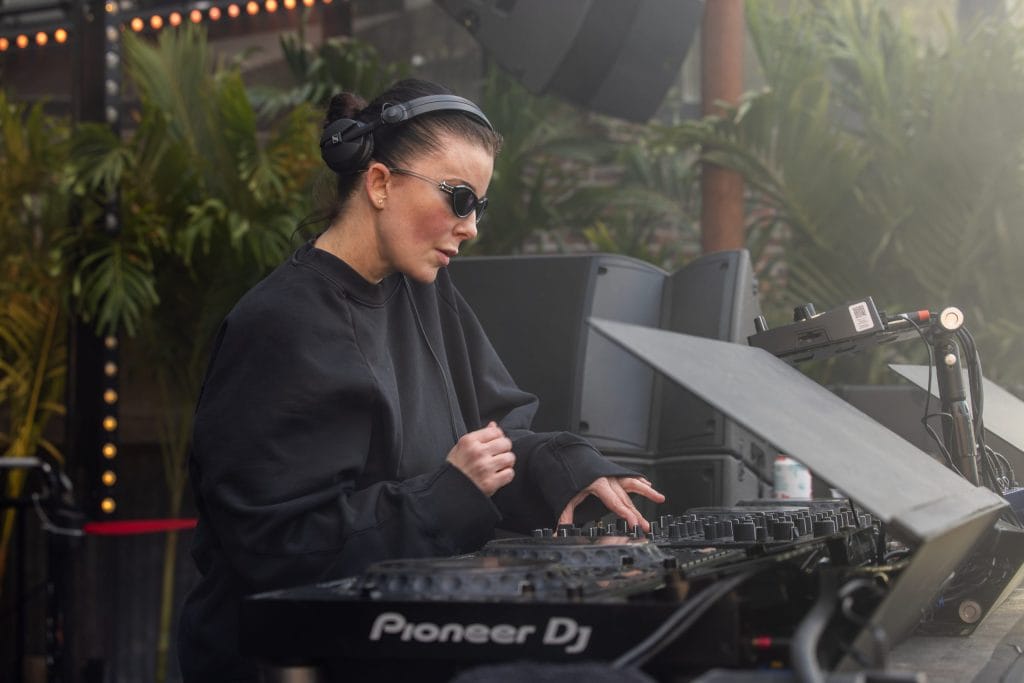
DESNA’s (@desnamusic) work has consistently centered on the relationship between physical response, emotional pacing, and frequency-driven techno. With Antiseptic Love, released through her own Frequency Made Music imprint, that concept returns in a more focused and rhythmically direct form. The four-track EP continues her approach of building productions around specific resonant frequencies while keeping the records firmly aimed at club systems and late-night environments.
That balance between emotional response and functional dancefloor structure also runs through this conversation. DESNA talks about nostalgia carefully, especially in modern techno sets where timing and restraint have become increasingly important.
Older records still hold power for her, though the impact depends heavily on placement, pacing, and context within a set rather than pure recognition value.
The interview also opens up a broader point about modern DJ culture: music moves faster now, audiences consume more tracks in less time, and classic electronic records carry a different kind of memory because they lived longer in people’s lives before being replaced by the next release cycle.
DESNA approaches that tension thoughtfully, using older material sparingly while continuing to refine her own frequency-focused sound design language.
Interview With DESNA
When you play older tracks, are you thinking more about emotional weight—or musical fit in the moment?
Both. I need strong, supportive tracks for the vibe/moment to build and support the tracks dropped that fill the room with emotion. If every track had emotional weight, that weight would have less impact. I usually have a 3-4 to 1 ratio when building a set – 3-4 tracks that are expected for the night, followed by 1 that is either layered in or dropped that’s a bit left-field.

Do you ever worry about leaning too much into nostalgia when you bring back older material?
Nostalgia is great if lightly used.
You don’t want the night to become a “greatest hits” event. If I have a 3-hour set, I can drop 1 nostalgic track. Sets nowadays are crunched into 90 minutes or 2 hours max, usually leaving less room for nostalgia.
How do you frame or recontextualize older music to make it feel relevant, not retro?
Being a techno artist, I feel like music from way back in the ’90s is still relevant in a DJ set. Sometimes it’s hard to get a good WAV file of older stuff, so when adding it into a fresh set, I usually loop and layer it over something current.
Have you ever had a moment where an old track completely changed the energy of a set in a way new stuff couldn’t?
I think the older hits in electronic music stay iconic in sets because music wasn’t being thrown at us at the pace it is now. I would listen to an artist’s new EP or LP on repeat for a few years before hearing anything new from them. I think new music has less of a lasting effect because of how often we are pumping music out. So, when you play a noticeable classic, I feel it hits differently if dropped at the right moment, because a lot of new music isn’t going to be widely known by a crowd.
What’s the difference between playing a classic and honoring a classic, in your view?
Playing a classic sounds more like dropping it into a set without keeping some integrity of why you are dropping it, whereas honoring a classic is properly setting it up in a set to create an emotional response – supporting it correctly. Sometimes honoring a classic is revisiting the track with a fresh edit or remix for a club set.
Are there older tracks that still challenge you or reveal something new every time you play them?
I’m going to reframe this question a bit for my own “older” tracks. I started a project during the pandemic, producing electronic music tuned to sound-healing Hz. When I look back at some of my older music compared to now, overall I feel I’ve greatly perfected this sub-genre. I used to take a raw frequency and build a track around it, which was super challenging.
How do you know when something from the past still has a place in your present?
Music is emotion. Some things are meant to be kept for home or a long drive, while other music from the past can still be used in a live set and have a profound, impactful response with everyone. Being a seasoned artist is understanding that difference between the two.

Will Vance is a professional music producer who has been involved in the industry for the better part of a decade and has been the managing editor at Magnetic Magazine since mid-2022. In that time period, he has published thousands of articles on music production, industry think pieces and educational articles about the music industry. Over the last decade as a professional music producer, Will Vance has also ran multiple successful and highly respected record labels in the industry, including Where The Heart Is Records as well as having launched a new label with a focus on community through Magnetic Magazine. When not running these labels or producing his own music, Vance is likely writing for other top industry sites like Waves or the Hyperbits Masterclass or working on his upcoming book on mindfulness in music production. On the rare chance he's not thinking about music production, he's probably running a game of Dungeons and Dragons with his friends which he has been the dungeon master for for many years.