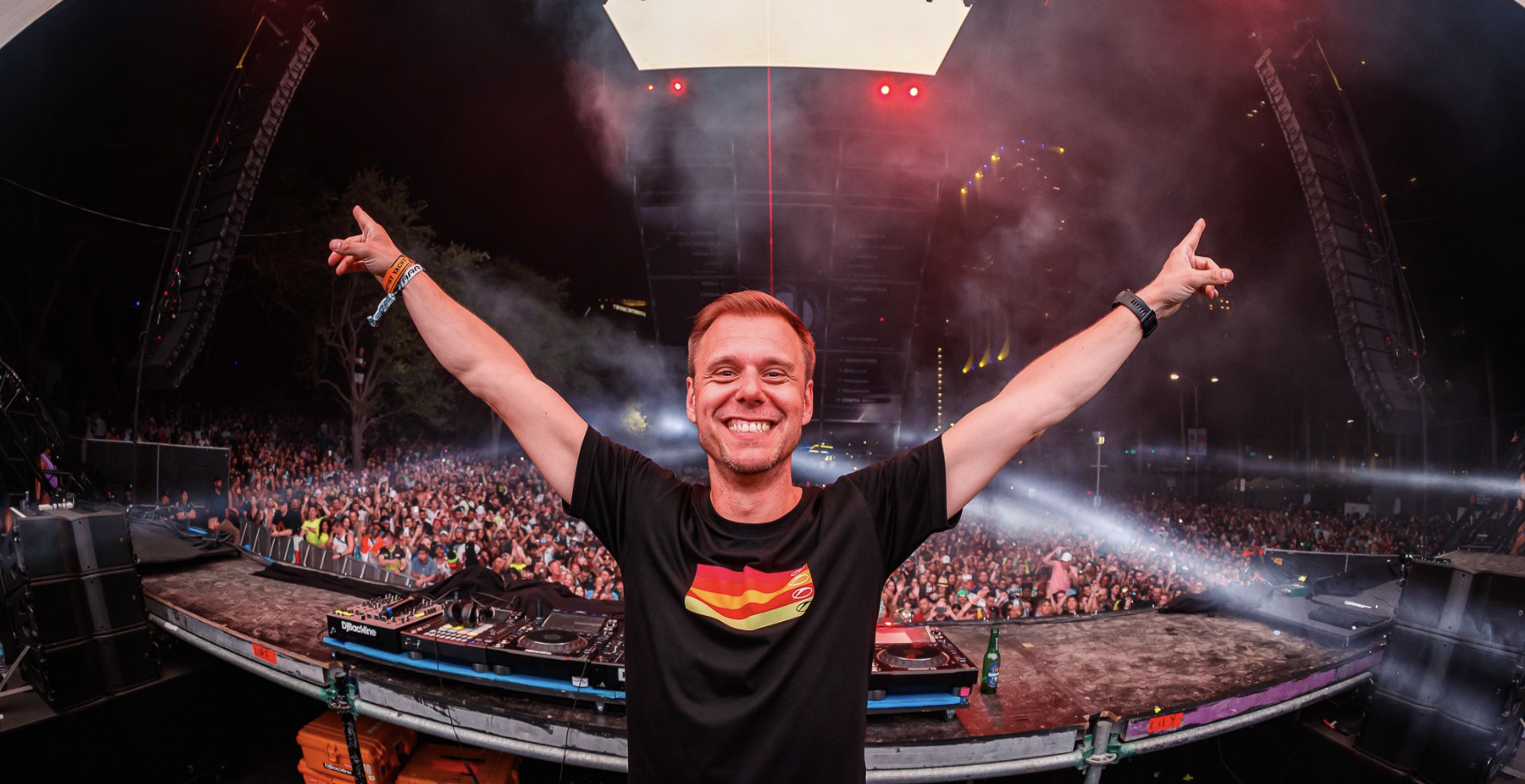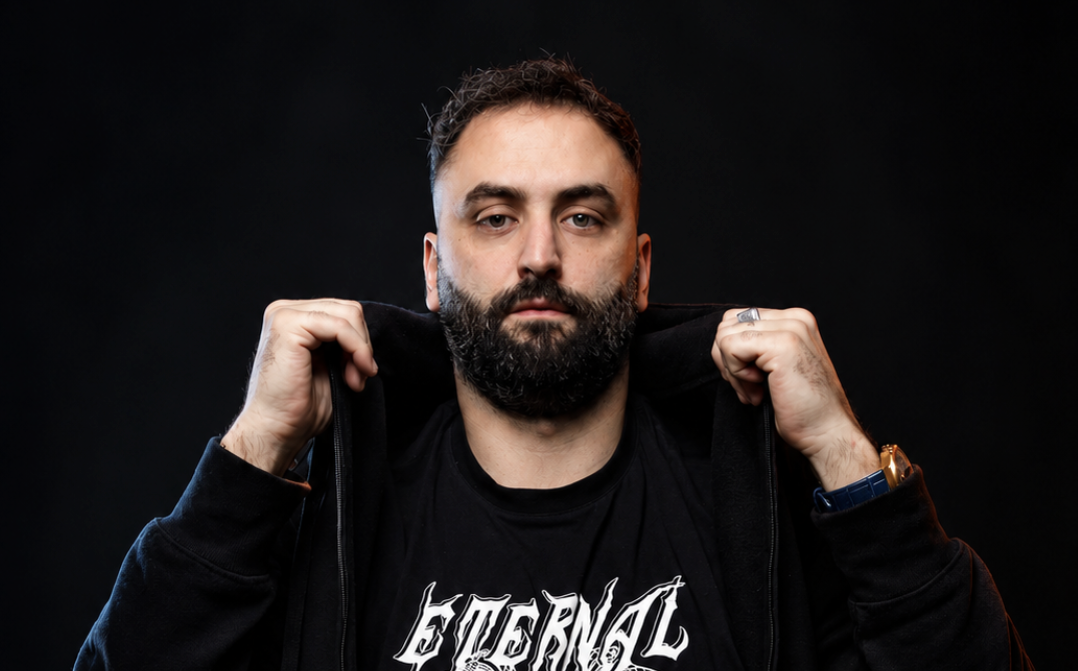
Estiva (@estivamusic) is moving into the next phase of his Solyra campaign with “Noo Tacchi,” out now as of April 15 on Colorize, and the release fits the lane he has been refining for years. The track follows “TCL,” the first single from the forthcoming EP, and it pushes further into the deeper, more driving side of his sound while keeping the melodic lift that has made his records so durable in clubs and playlists.
With more than 118 million streams, a long run of releases across Colorize and Armada, and a catalog built around records that hold up in a set as well as on repeat listening, Estiva is at a point where the sound is immediately identifiable without feeling static.
That consistency also matters because his career has never been built on one type of win. He has big festival history, major club credentials, and chart success behind him, but his own perspective on growth is more measured than that. In the interview, he talks openly about how bookings actually happen, how much timing and alignment still matter for artists outside the superstar tier, and how repeat opportunities are often driven by relationships rather than hype alone.
He also gets into the difference between big-profile milestones and the shows that actually shape you, which gives the piece a lot more substance than a standard release cycle conversation.
That makes “Noo Tacchi” an industry-wide focal point. The single drops as part of a larger EP rollout, with Solyra set to land later this year and a release party planned for August 28 at Eve Whitehouse in Scheveningen. Estiva’s answers line up with that broader picture, because they show someone who still cares about the long game, the right rooms, and the right people, while keeping the music itself at the center of it.
Interview With Estiva
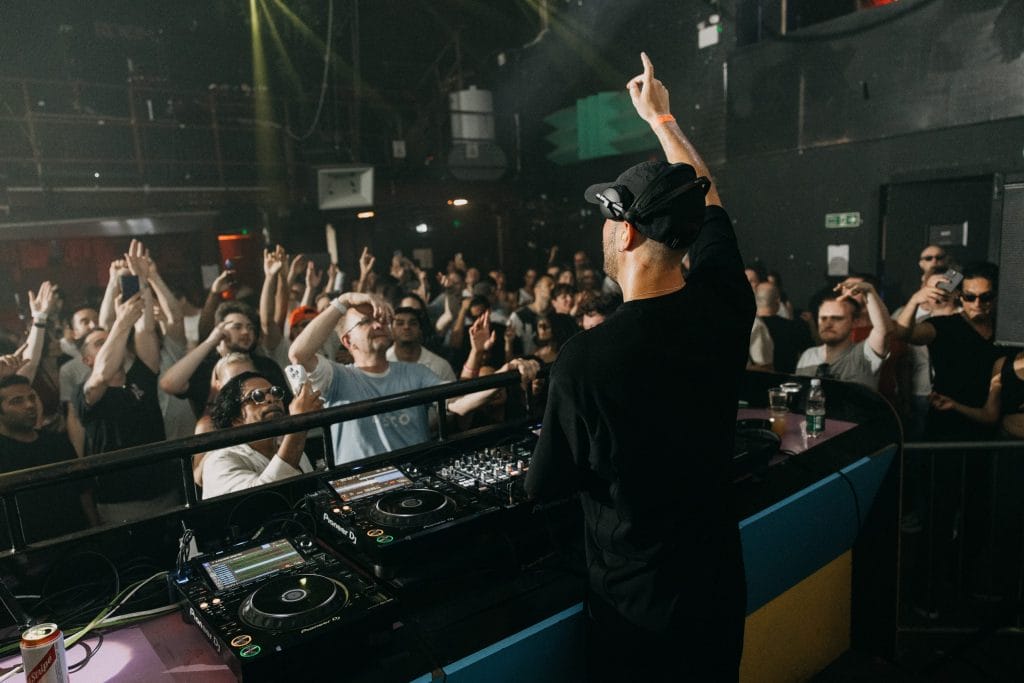
What’s something you wish more people understood about how bookings actually happen from a DJ or artist’s perspective?
I think many people underestimate how many moving parts are involved in making a booking happen. If you’re a superstar DJ, you and your agency can often decide where and when you play but for most of us, it comes down to timing, alignment, and sometimes a bit of luck. I play for niche audiences, which means there need to be communities and promoters around the world whose vision connects with my sound.
Margins are often tight, so it really requires collaboration and belief from everyone involved. New bookings usually come from my music output, online visibility, and my agency’s network, while repeat bookings are much more relationship-driven. Staying top of mind and genuinely investing in those relationships makes a huge difference.
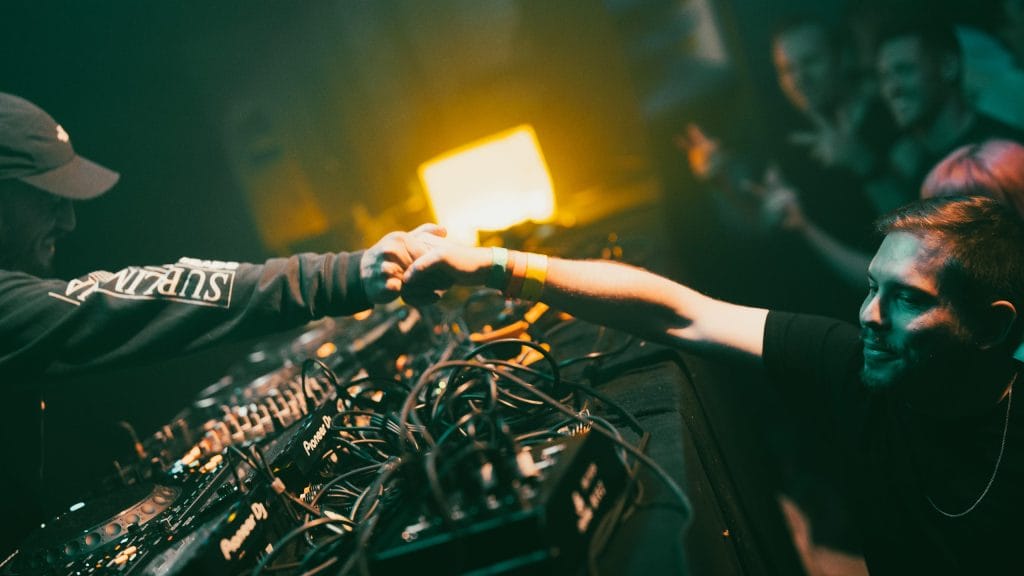
Have you ever gotten booked for a reason that had nothing to do with the music and how did that feel?
Fortunately, no and I’m proud of that. My music has always been the main reason promoters book me and why people come to my shows. In fact, the opposite happened early on in my career: I was booked before I even knew how to DJ. Back in 2009, Luminosity in the Netherlands invited me purely because they connected with my productions.
Up until then, I hadn’t fully realized how closely producing and DJing were linked. I said yes and gave myself a very last-minute crash course in DJing, stepping on stage feeling completely out of my depth. It was nerve-wracking, but that moment ultimately marked the beginning of my DJ career.
Do you think people in the scene are honest about how much social capital plays into opportunities?
I think people within the industry generally understand it, but those outside or entering it often underestimate how important network and visibility are.
Being top of mind matters, and naturally you’ll click better with some people than others. As an artist, you’re constantly presenting yourself through music, personality, and online presence. The amount of times I’ve connected with promoters and communities through something as simple as an honest chat, a nice dinner, or showing up and being part of the crowd has been significant, and those moments often lead to future bookings.
I’m personally quite introverted and not naturally inclined to “sell” myself, but I’ve learned to connect in a way that feels genuine. Over time, I’ve also become comfortable with organic growth rather than forcing visibility.
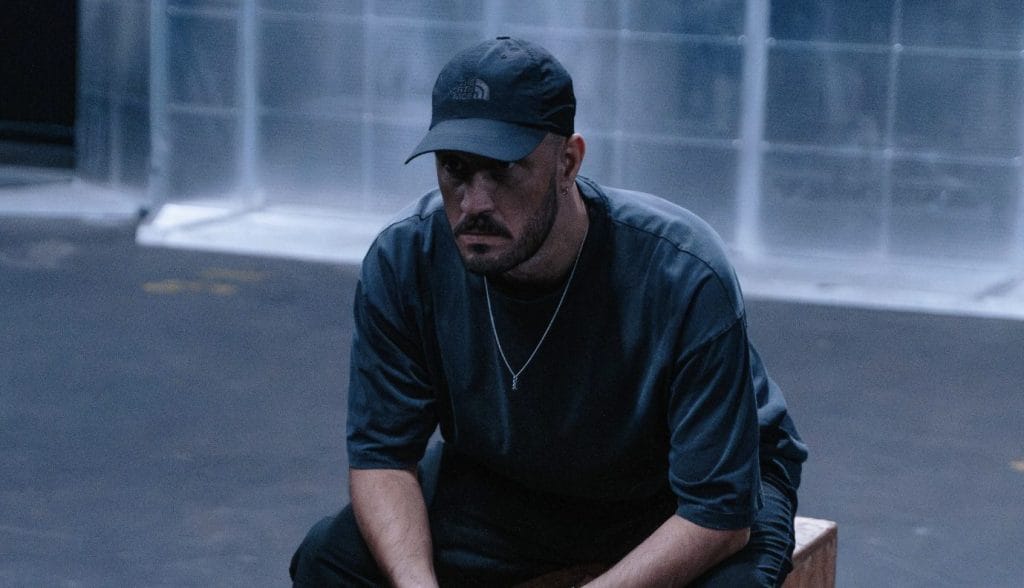
How do you personally decide when to say yes to a booking and when to pass?
The decision is usually based on a few key factors. First, is it logistically possible in terms of timing? Then, does it make sense financially and align with my artistic direction? Equally important is whether it fits my personal life and how I’m feeling at that moment. I do tend to lean toward saying yes because I genuinely love playing shows, but I’ve become more aware of the importance of balance. It’s about staying open to opportunities while still protecting your time and energy.
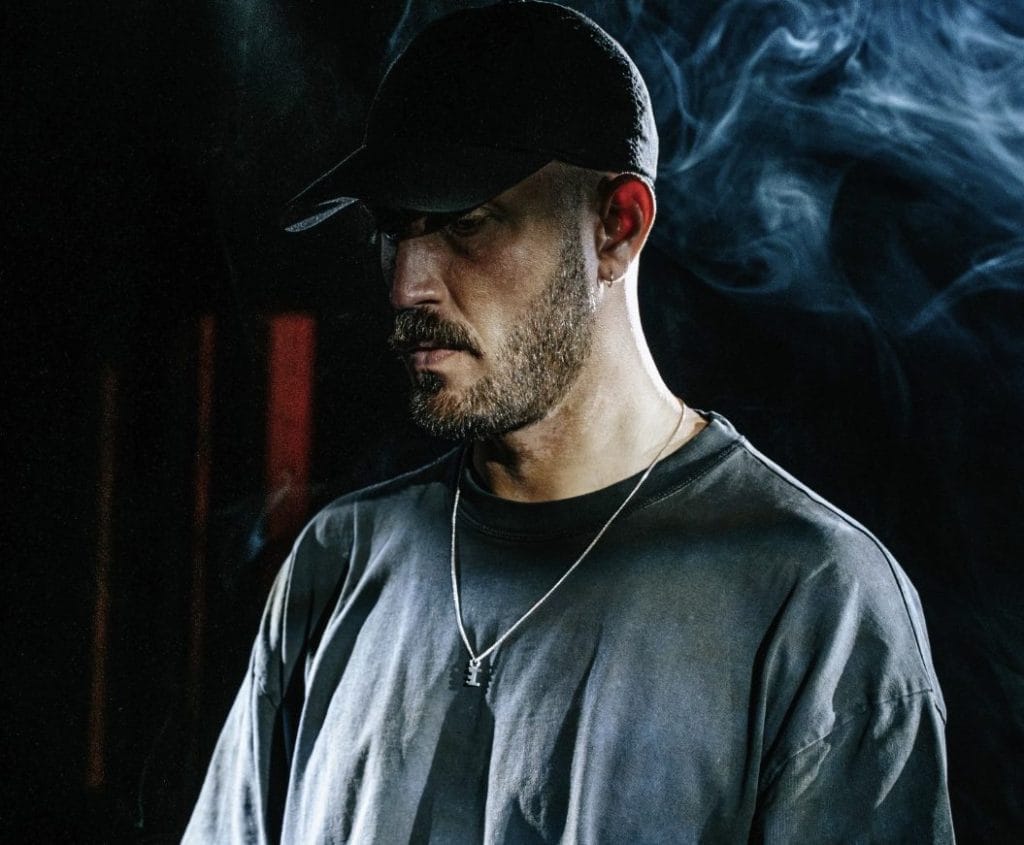
Have you ever had to reframe your idea of success after seeing who gets booked and why?
Definitely. Earlier in my career, playing big festivals felt like the ultimate marker of success.
Over time, I realized that sometimes those bookings come as part of a broader ecosystem, like being included in a lineup through shared agency representation, which is a natural part of how the industry works. It didn’t take away from the moment, but it did help me put things into perspective. I’ve learned not to take every achievement too personally and to stay grounded and self-aware. Some of the most meaningful shows are actually the smaller ones, where you can truly connect with the audience. Those moments often do more to shape your identity as an artist than the biggest stages.
What role do managers, agents, or collectives play in shaping a DJ’s visibility today?
Managers and agents play a crucial role because of their networks and long-standing relationships within the industry. Being part of an agency also connects you to other artists, which naturally expands your reach. At the same time, social media has shifted some of that responsibility onto the artist.
Nowadays, you’re expected to wear many hats, which can take a toll on your creativity and well-being. That’s why having a team that shares your values is so important. If they can support you while also challenging you to grow, it makes a huge difference.
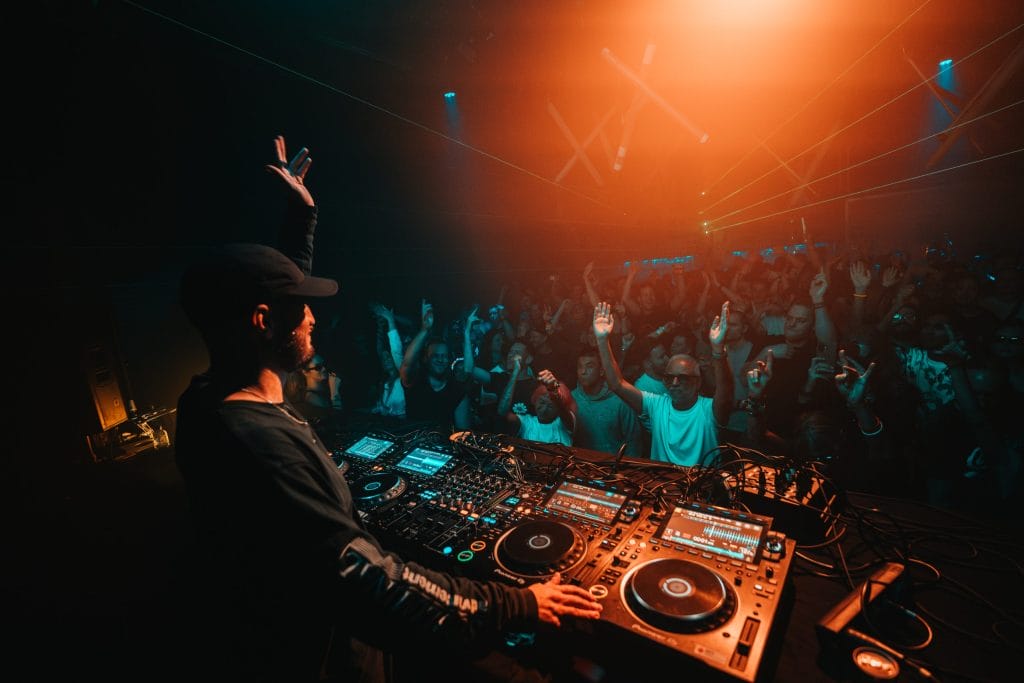
Does who’s on a lineup still feel like a reflection of community or has it become something else?
The landscape has definitely changed, and many promoters are under pressure to stay financially viable. As a result, safer lineups have become more common, often catering to broader, fast-moving audiences.
Platforms like TikTok have also influenced how quickly people engage with music and events. That said, I’m quite at peace with it. More exposure to dance music can lead people to eventually discover their niche. There are still many passionate promoters investing in specific scenes and building something long-term. I also see encouraging shifts, like more focus on diversity and representation, with collectives and events actively supporting female and queer artists, such as Watt Events in Amsterdam or Farius with his worldwide QTS events.
So while the scene is more opportunistic in some ways, the core sense of community is still very much alive and it’s something I try to actively contribute to as well

Will Vance is a professional music producer who has been involved in the industry for the better part of a decade and has been the managing editor at Magnetic Magazine since mid-2022. In that time period, he has published thousands of articles on music production, industry think pieces and educational articles about the music industry. Over the last decade as a professional music producer, Will Vance has also ran multiple successful and highly respected record labels in the industry, including Where The Heart Is Records as well as having launched a new label with a focus on community through Magnetic Magazine. When not running these labels or producing his own music, Vance is likely writing for other top industry sites like Waves or the Hyperbits Masterclass or working on his upcoming book on mindfulness in music production. On the rare chance he's not thinking about music production, he's probably running a game of Dungeons and Dragons with his friends which he has been the dungeon master for for many years.