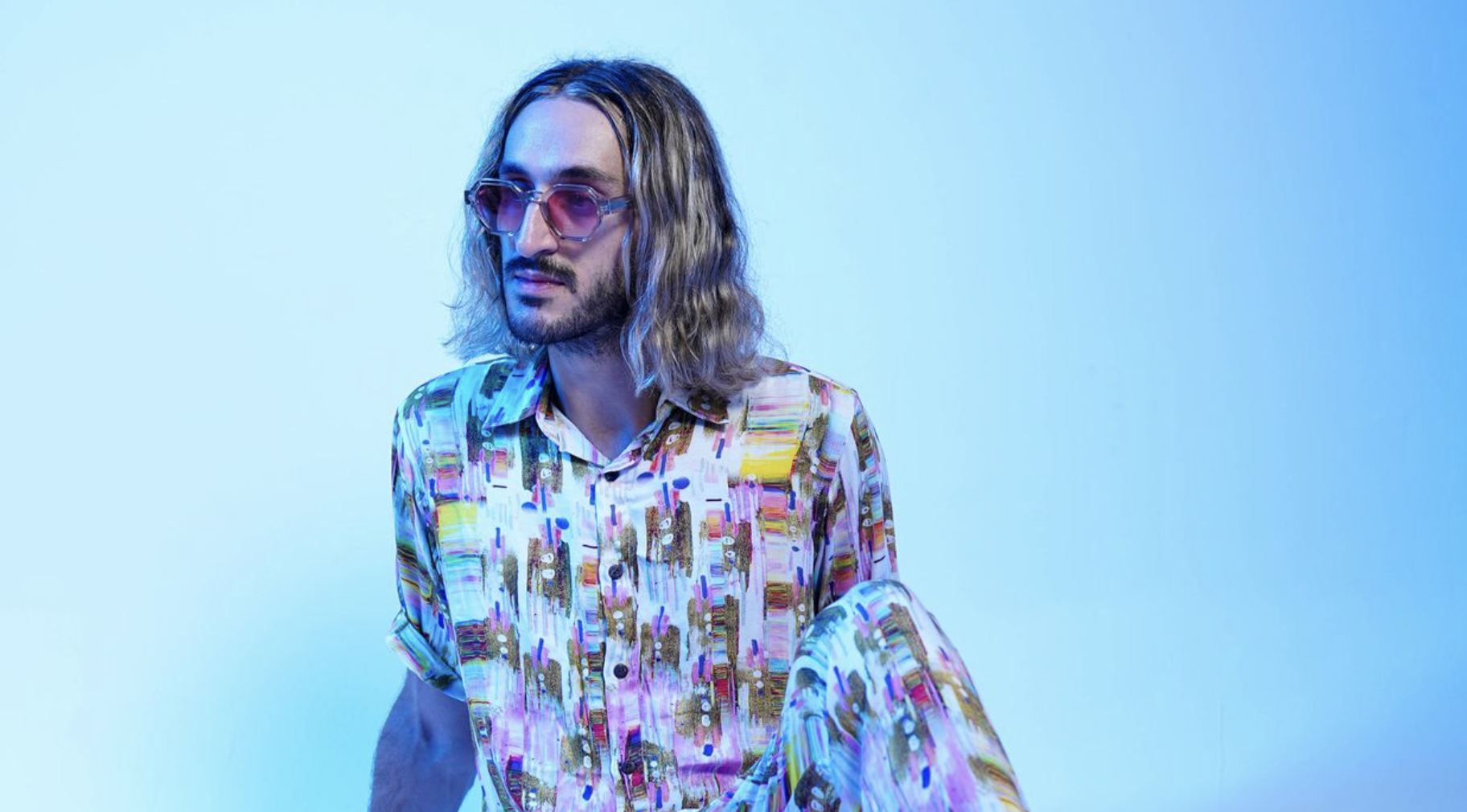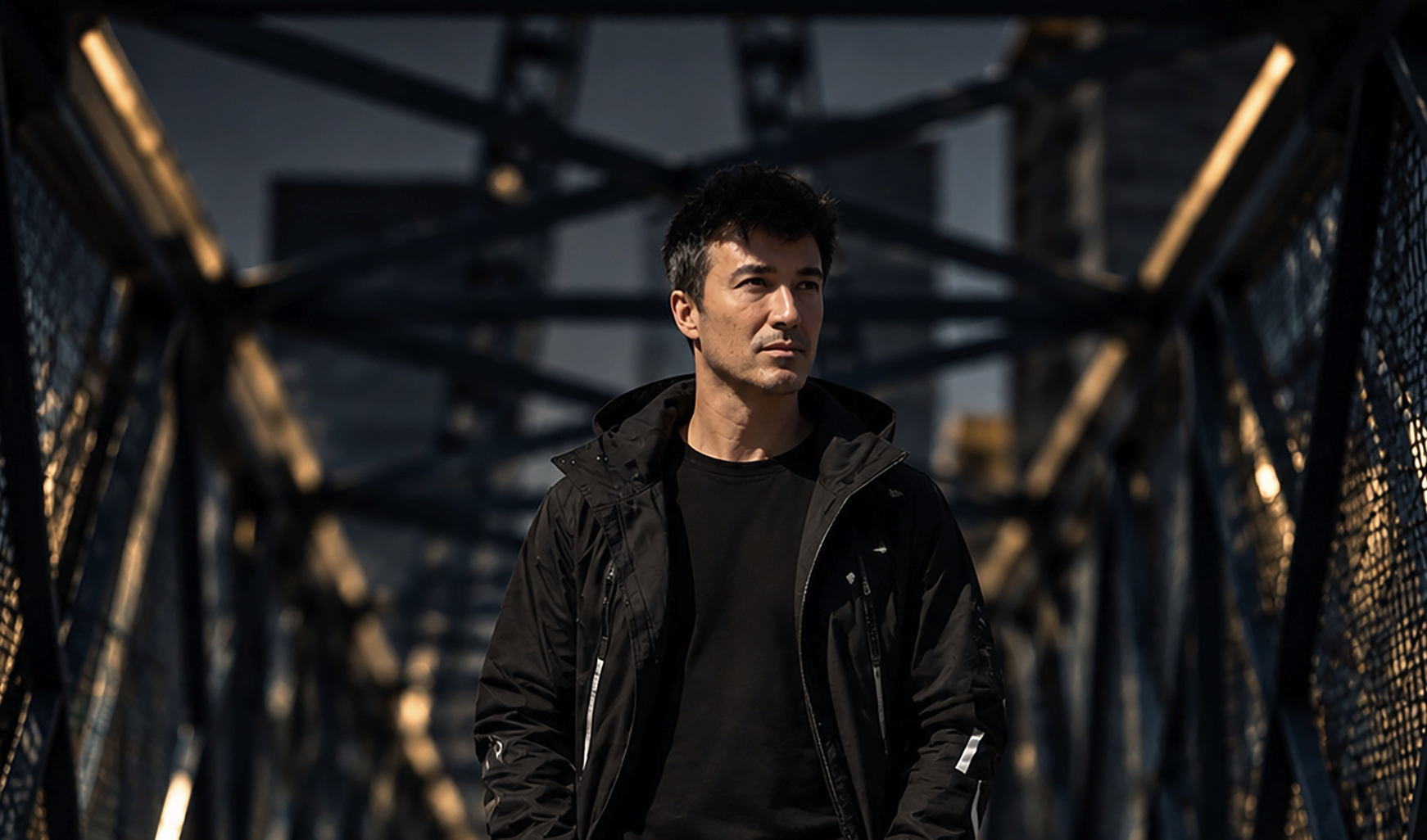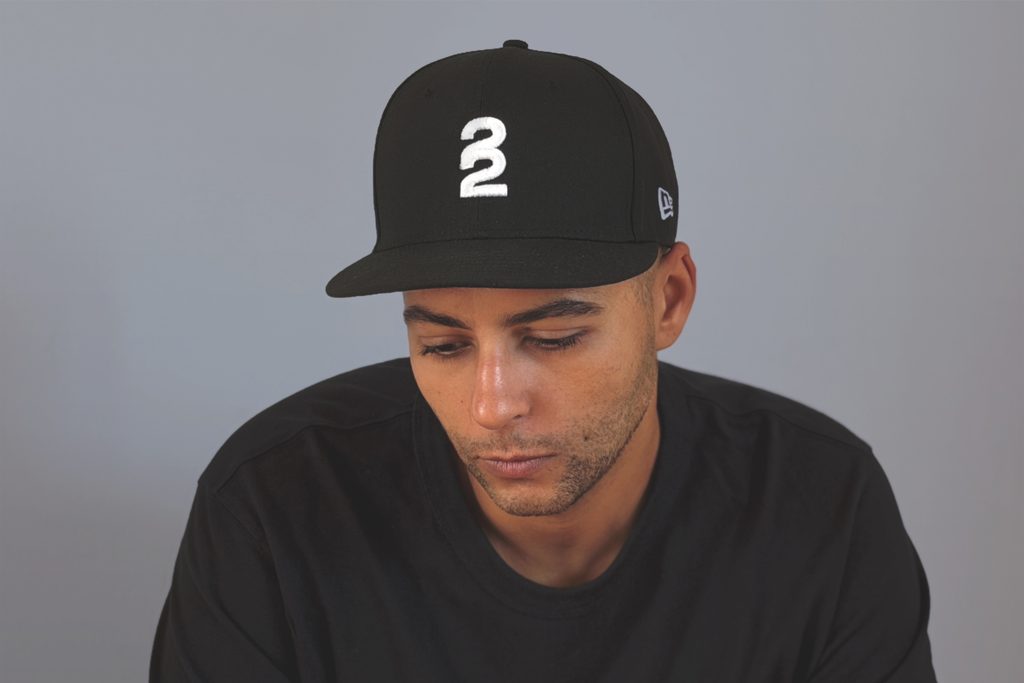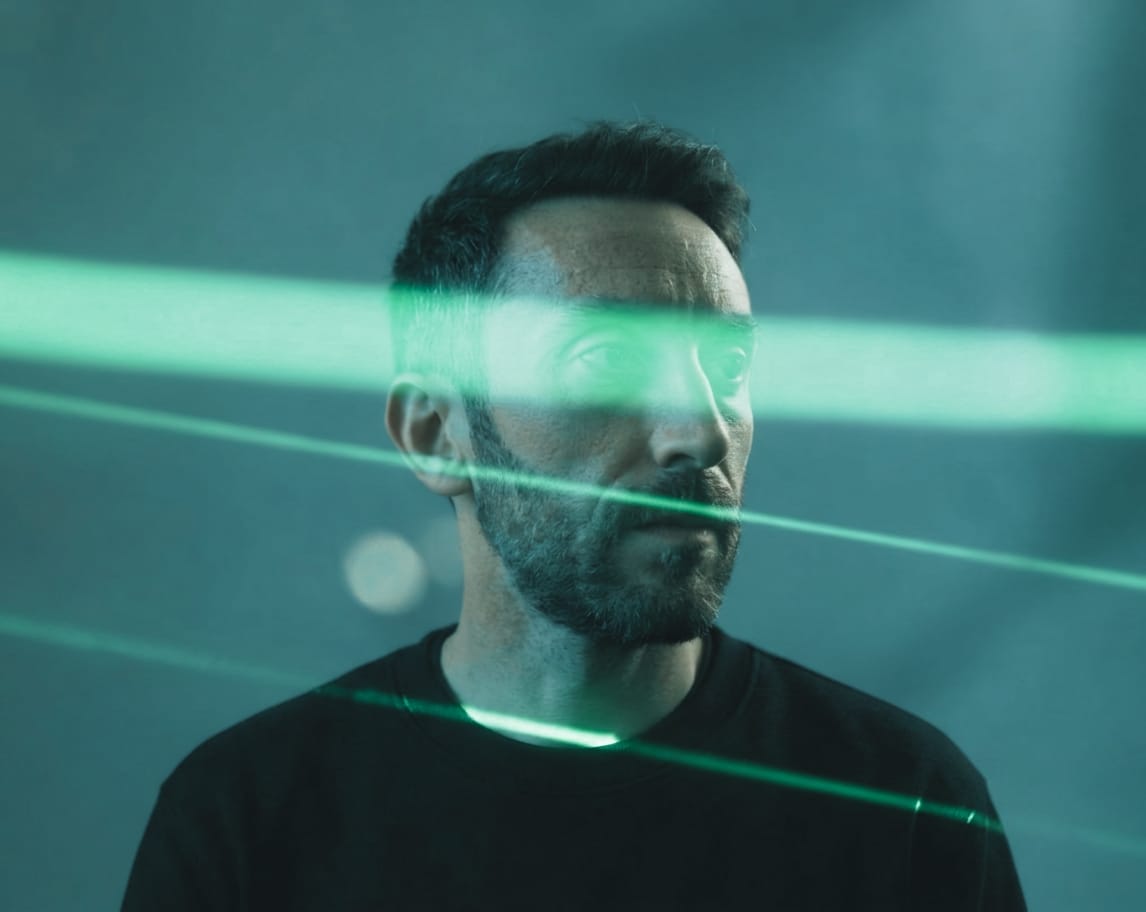
Where The Shadow Ends caught my ear because it feels curated in a way that a lot of modern label catalogs simply do not. The releases sit in that organic, progressive house lane, but the real throughline is Riccardo Pierini’s taste: patient arrangements, emotional intent, and records that feel selected rather than scheduled.
Riccardo built the label in Italy after years spent working behind the scenes at another respected imprint, and that experience clearly shaped how he thinks about A&R and being able to communicate exactly just what makes a track work: knowing when a track fits, knowing when a polished record still feels wrong for the catalog, and knowing when releasing less is the smarter move.
That is why this interview is dropping in a useful place for producers and label heads alike. Riccardo gets into the hidden infrastructure behind WTSE, the challenge of sorting through hundreds of demos, the role of artwork and identity, and the next steps for the label as it looks toward live events, vinyl, and aligned collaborations.
Interview With Riccardo Pierini
You built Where The Shadow Ends from the ground up in Italy. What pushed you to start the label in the first place, and what gap did you feel it could fill?
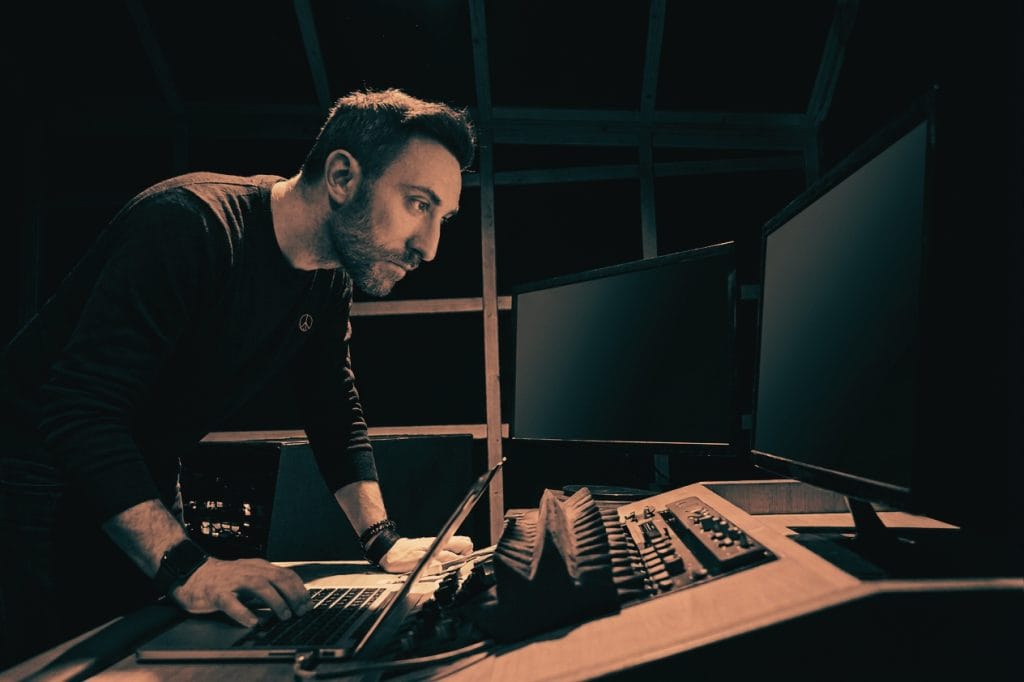
I spent years working for one of the most respected labels in Brescia. That gave me a real understanding of how a label actually functions: the music, the relationships, the curation, and the long-term thinking. When that chapter ended, I missed having a format to shape and grow. I also wanted to do something concrete for other artists, help them find the right audience, and give their work real attention.
The market was also getting harder to take seriously. Starting a label has become much easier, and that creates its own problem: too many releases and too little care. WTSE was my answer to that. Built slowly, with real love for the music behind each decision.
Organic house is a crowded lane now, so where do you feel WTSE sits inside that wider conversation?
Honestly, I have become less attached to the genre label itself. My project Madraas evolved from trance and progressive before finding its place in what people now call organic house, and it was always about contamination and nuance instead of fitting a template. WTSE follows the same logic.
The AI wave has standardized so much electronic music, and that genuinely concerns me. What I am looking for is emotional depth and originality, regardless of source. The fact that several of our artists have landed on compilations like Buddha Bar and Global Underground tells me something is working, and there are still people out there who prioritize quality.
How do you separate a well-produced demo from one that actually fits the identity of your label?
Production quality is the floor, and it is not the reason to sign something. What I am really listening for is originality, something that hits somewhere unexpected and carries a genuine emotional signature. Beyond that, I listen for the arrangement, the internal logic, and the track’s own identity.
Artists like Paul Losev and Max Wexem are on the label because they surprise me with each release. I would rather wait for something that moves me than fill the catalog with well-executed, forgettable music.
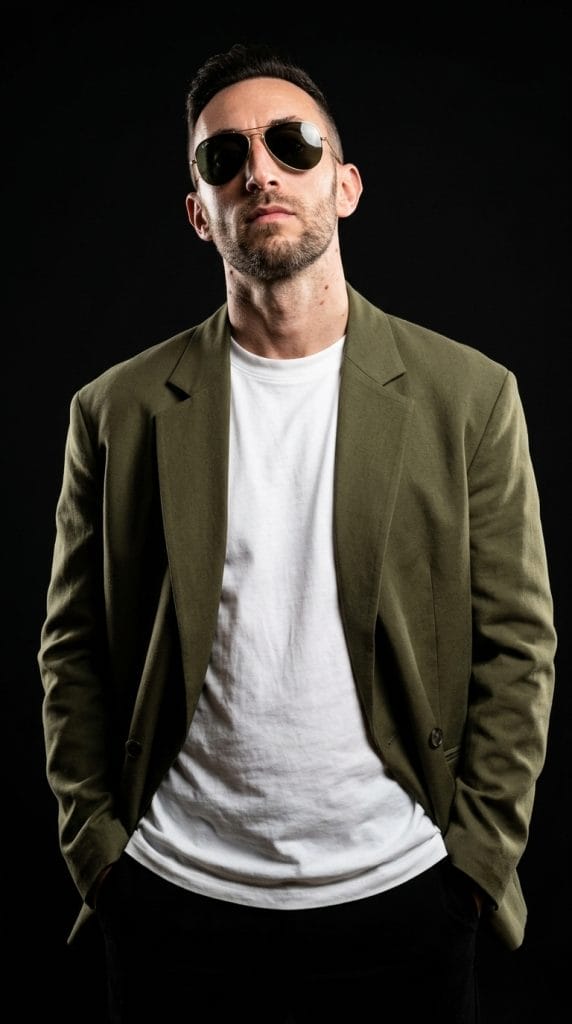
A lot of independent labels struggle to build a real identity over time. How have you worked to keep WTSE cohesive without making it predictable?
By releasing less. A lot of labels flood the market to stay visible, and we do the opposite: fewer releases, maximum care for each one. Cohesion comes from intent.
Some releases sit at the edges of what people might expect from us sonically, and they still feel at home in the catalog because they carry the right emotional charge. That is the thread. I am not chasing a fixed aesthetic, so there is room to evolve without losing direction, and I am pretty stubborn about keeping it that way.
What have been the hardest parts of running an independent label that people on the outside usually do not see?
The infrastructure. People hear the music, they do not see the hours behind distribution logistics, promo strategy, release planning, licensing, and the constant work of building relationships in a market that moves fast. Running a label solo means you are the A&R, the manager, the marketing department, and the tech team all at once.
At some point, I built a custom internal portal to manage the entire label lifecycle, from demo intake to promo distribution, because I needed tools that worked the way I think. Completely invisible from the outside, but it gives WTSE real operational independence.
Then there is the demo side. Hundreds of submissions come in each week. Some are genuinely exciting, many are miles from what we do, and some make me wonder if the person has actually listened to the label before hitting send. I try to give everything a fair listen. I do not always manage to reply, and I genuinely apologize for that. If you sent something and did not hear back, it is not personal.
The other hard part is saying no. To shortcuts. To releasing more to feed the algorithm. That discipline is harder than it sounds when you are doing everything alone.
If someone came across Where The Shadow Ends for the first time through this interview, what would you want them to understand about the label, your role as A&R, and where you plan to take it next?
WTSE is a long-term project built on a genuine love of music, rather than a catalog play or vanity label. My role as A&R is personal: I only sign music that actually moves me.
As for where we are headed: live events, vinyl, and collaborations with labels that share our values. We are ambitious, and we are moving deliberately. I would rather build something lasting than something that peaks and disappears.

Will Vance is a professional music producer who has been involved in the industry for the better part of a decade and has been the managing editor at Magnetic Magazine since mid-2022. In that time period, he has published thousands of articles on music production, industry think pieces and educational articles about the music industry. Over the last decade as a professional music producer, Will Vance has also ran multiple successful and highly respected record labels in the industry, including Where The Heart Is Records as well as having launched a new label with a focus on community through Magnetic Magazine. When not running these labels or producing his own music, Vance is likely writing for other top industry sites like Waves or the Hyperbits Masterclass or working on his upcoming book on mindfulness in music production. On the rare chance he's not thinking about music production, he's probably running a game of Dungeons and Dragons with his friends which he has been the dungeon master for for many years.