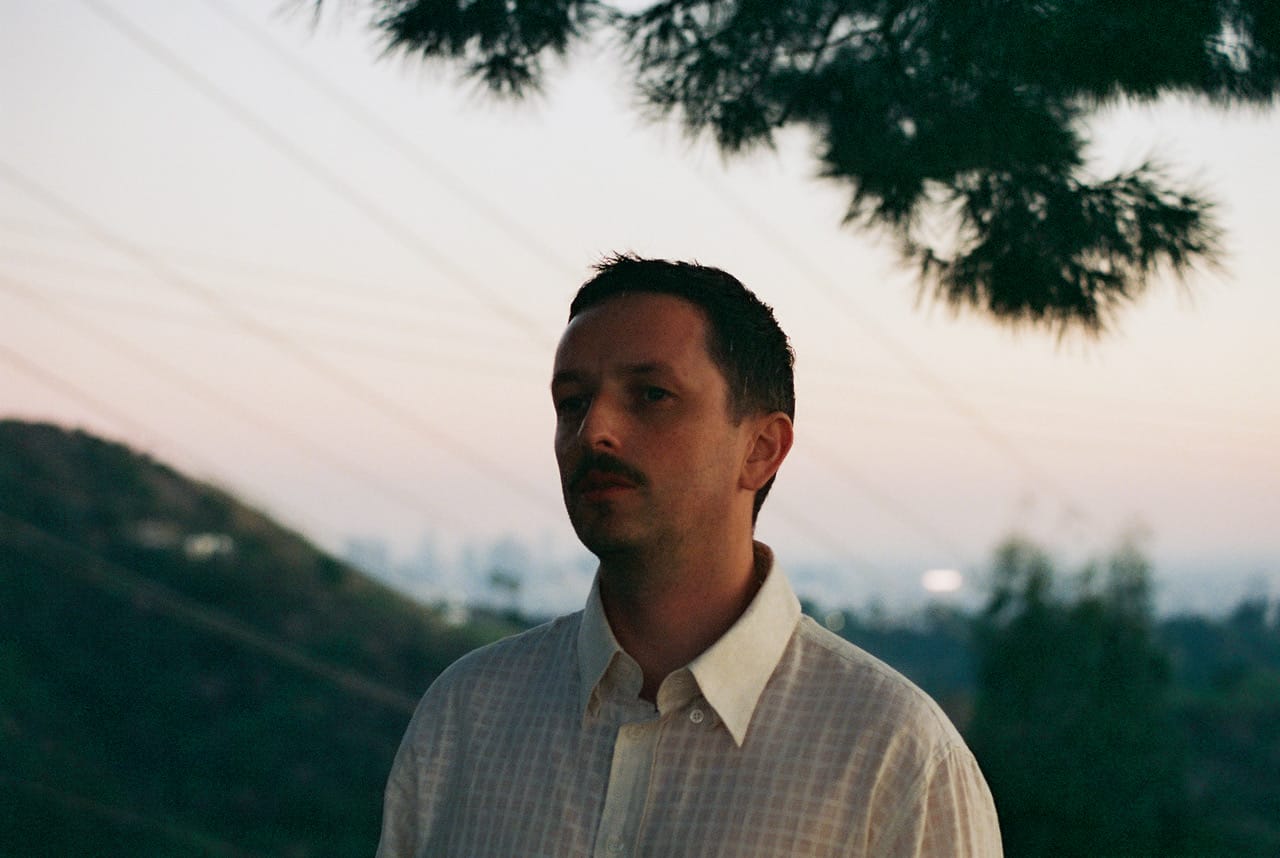
KC Lights has settled into a nice rhythm over the past few years. A steady stream of releases, a close link with Toolroom Records, and a touring schedule that lets ideas breathe before they’re locked in.
“Dança” came together in a different way. It didn’t sit on a hard drive for months getting tweaked and tested. It was written quickly, played out almost straight away, and pushed forward while it still had that initial spark. You can hear it in the energy of the track. It feels a bit looser, a bit more immediate, without losing that clean finish he’s known for.
There’s already a strong run behind him. Tracks like “SOL” picked up support from names like Diplo, Dom Dolla and Calvin Harris, and this one feels set to follow its own path.
We caught up with him to talk about how it all came together, how much planning actually goes into his sets, and why some ideas are better left a little rough around the edges.
You’ve spoken before about coming into electronic music through a mix of jazz, indie and that first Ibiza trip as a teenager. When you listen back to something like Dança, how much of that broader musical background is still shaping the decisions you make in the studio today?
I think all of my musical background and experiences are relevant to everything I do in the studio. That doesn’t mean to say that Dança is directly inspired by Charlie Parker, for example, but my influences, taste and tools to write the music are constantly evolving and being honed to affect and influence whatever comes out in the studio.
There’s a noticeable thread in your catalogue where tracks evolve through testing in your sets over long periods, sometimes even years. Was Danca one of those records that lived on the road first, or did it come together more directly in the studio?
More often than not a track I’ve put out has been sitting on my computer for years rather than months. Usually they go through many different versions after testing them on the road but, actually, with Dança there was a pretty quick turnaround from an initial demo to getting it out there. It came together quickly in the studio, I tested it out the same weekend and then sent it to the gang at Toolroom and we set a date!
Your productions have always had a very clean, polished feel, even when they hit quite hard. How do you approach that balance between detail and impact without losing energy?
Thank you! This is honestly probably the toughest part in the creation of a tune for me. There are too many times I’ve spent too long trying to achieve the perfect sound or rework something so much that I just end up losing the life and soul of a great idea. I find that sometimes it’s the rawness of a demo that makes it exciting and so I do my best to capture the energy of an idea I’m buzzing about and then just gently fine tune it and polish a tad round the edges!
Toolroom has been a consistent home for you over the past few years. What is it about that relationship that’s worked, and how has it influenced the direction your sound has taken?
A priority for me now is working with people that I like working with and that make the process fun. Toolroom have always put the music first and they have such a solid, loyal fan base that have always been really receptive to the records I do there. Working with Toolroom has definitely influenced my sound, largely just from being a genuine fan of the label and the music they put out!
You’ve had support from a wide range of DJs, from club-focused selectors through to big festival headliners. Does that ever shape how you think about a track, or do you try to keep that completely out of the process?
I’ve definitely gone through periods in the studio of trying to write something that I think particular DJs are going to play but, in my experience, it’s always hindered the creative process. I’ve found it best to not be too focused on the direction or output of a track and just write what comes naturally in the moment.
Your sets seem to sit somewhere between careful preparation and reacting in the moment. How much structure do you actually go in with, and how much gets decided once you’re in the booth?
This totally depends on the event. For a festival set I’ll generally know roughly what I’m going to play, though still be flexible with a portion of the set as you never really know what’s going to go down well until you’re up there. For an extended club set I’ll usually anchor some of my tracks in throughout the set and just work around that, generally it’s just a case of playing it by ear though. I stop myself preparing too much for these sets as, honestly, it’s way less fun if you always know in advance what your next record is going to be.
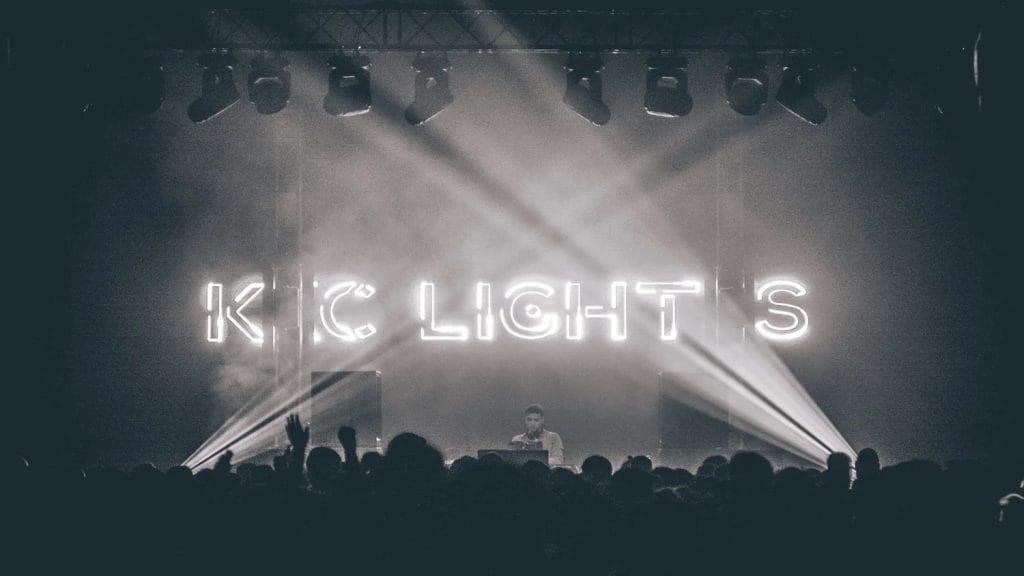
You’ve played everything from Ibiza clubs to large-scale festivals and international tours. How do you adjust your approach across those environments without losing a sense of identity?
I’ve actually never worried too much about my identity as a DJ. The fans that come to my shows are fans of my own music and so I’ve always felt like there’s been a trust there when it comes to my taste and how I work a set around my own records. Whether is tracks that have been out for years or new demos that nobody has heard yet, my own music has always been central to my sets.
Looking ahead, does it feel like you’re refining what you already do, or pushing into new territory over the next run of releases?
I think a combination of both. I’m really proud of the music I release, even long after they’ve come out, but I find the idea of breaking new ground creatively and evolving my writing process more exciting than just sticking to a formula that works. I’ve never been more productive or excited about the music that I’m working on than I am at the moment and so I can’t wait to get it all out there!
Dança is out now on Toolroom