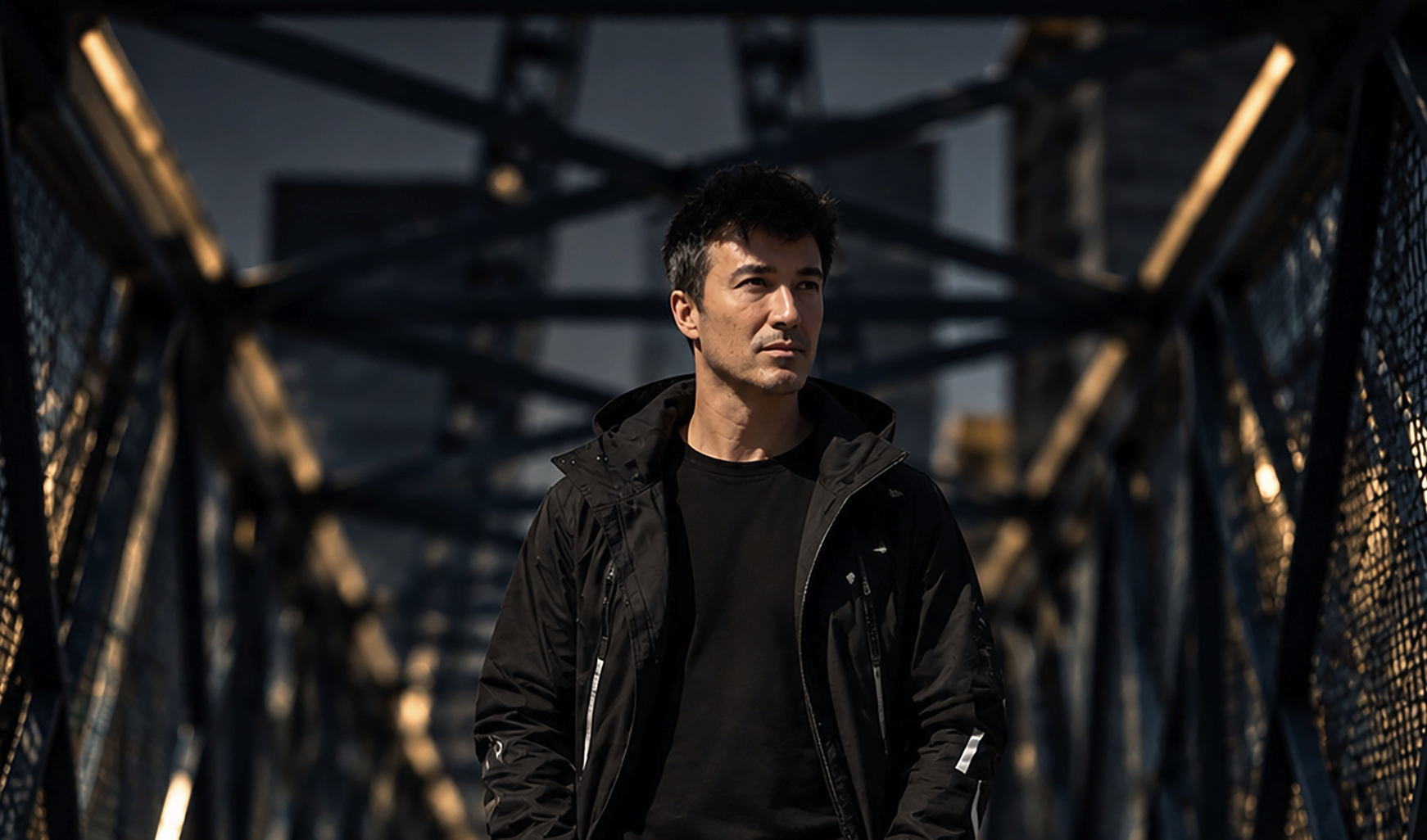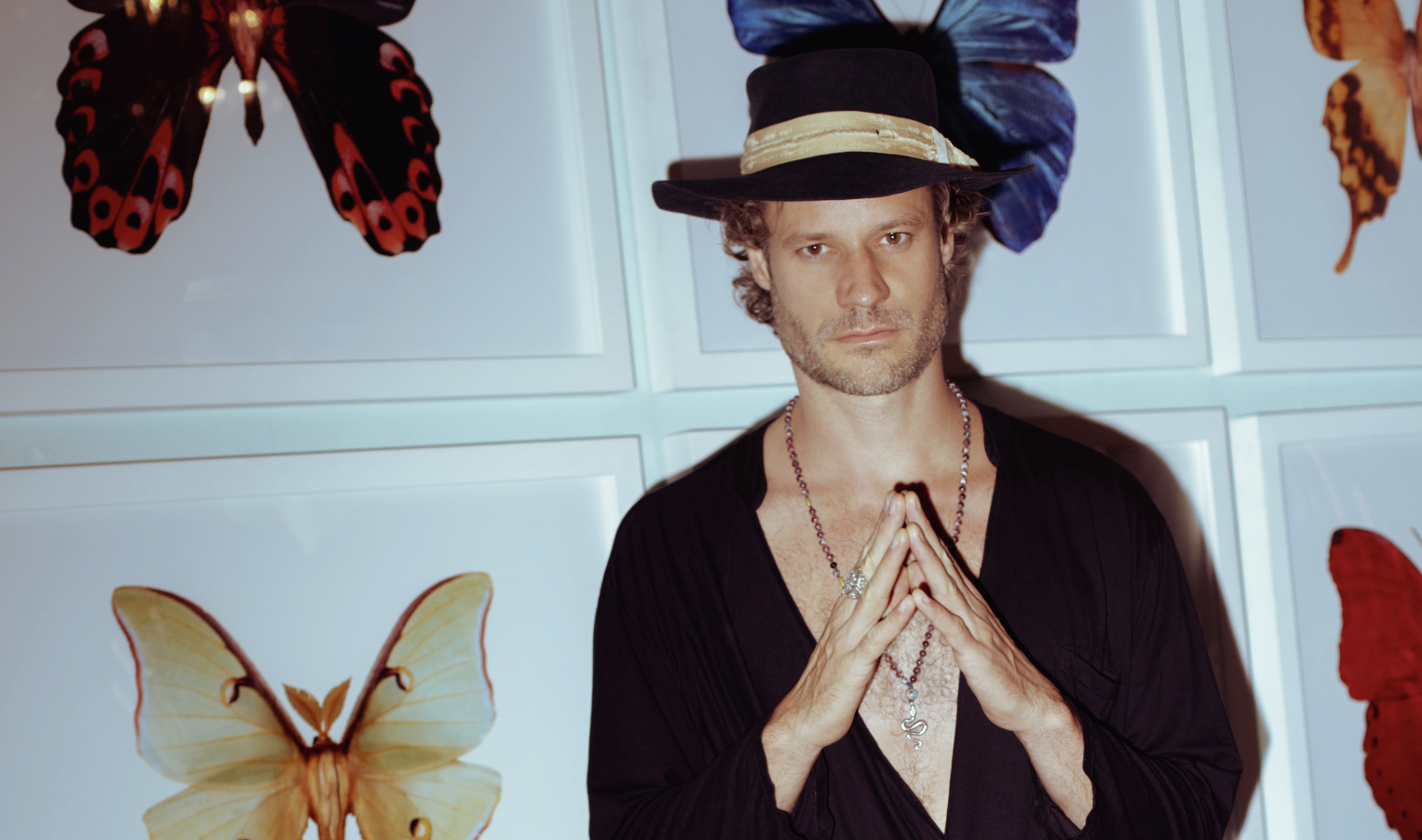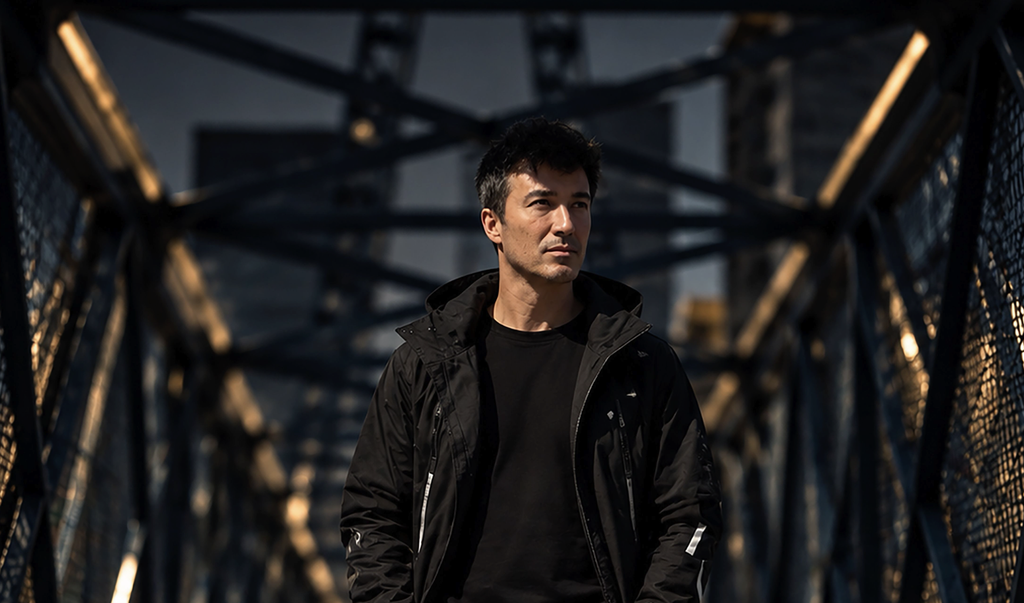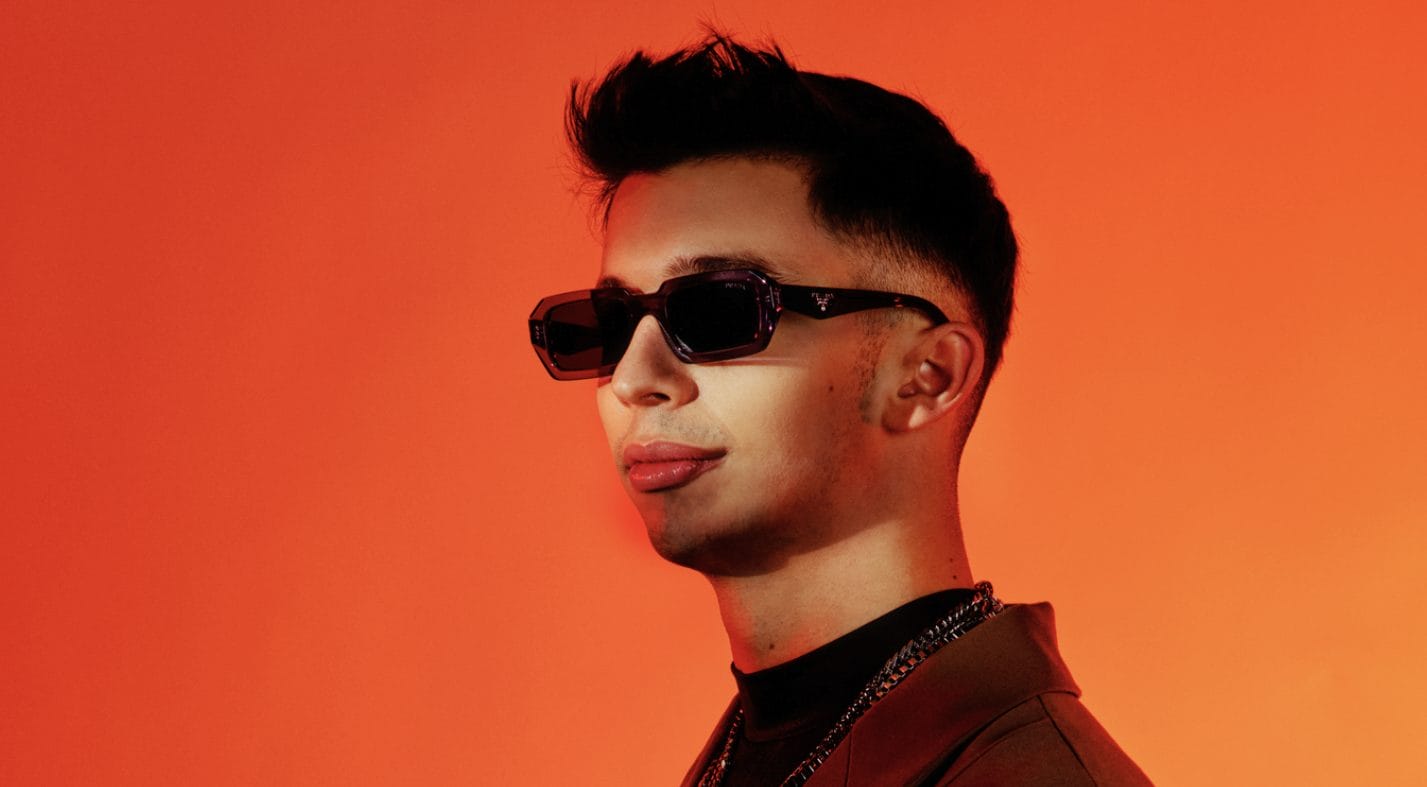
Hypaton’s (@hypaton) rise has been unusually fast, but it has been grounded in clear moments that translated directly into real-world momentum. His rework of La Bouche’s “Be My Lover” gained traction through social media, eventually reaching Juventus and then David Guetta, which led to an official release that has now passed 300 million streams.
That sequence shifted him from a student in Madrid into an active touring artist, and it also established the core of his sound, drawing from 90s house references while keeping a modern, club-focused structure.
That transition extended quickly into performance.
After learning to DJ in a short timeframe, Hypaton moved straight into high-pressure environments, opening Guetta’s Future Rave at Hï Ibiza and playing venues such as Ushuaïa and Ministry of Sound. Since then, his catalogue has expanded through collaborations with artists including Robin Schulz, Sigala, A7S, and Giuseppe Ottaviani, while 2026 has already included releases like “Walked Away” with David Guetta and “Slide” with Izzy Bizu, alongside a confirmed debut at Tomorrowland.
In this conversation, the focus shifts away from milestones and toward process, specifically how flow develops during a set and how it is maintained in different environments. Hypaton describes the balance between preparation and instinct, how experience changes decision-making, and why understanding the crowd remains central to performance.
The answers give a clear view of how he approaches the booth in practice, with emphasis on control, awareness, and timing rather than rigid structure.
Interview With Hypaton

Can you describe what flow feels like for you behind the decks?
For me, flow behind the decks is when everything feels natural.
I’m not overthinking anymore, I’m just fully inside the moment. The connection between me, the music and the crowd becomes very real, and everything starts happening instinctively. It feels like I’m guiding the energy, but at the same time the energy is guiding me too.
Do you have any rituals, routines, or mental cues that help you get into that state?
I usually prepare a rough skeleton of the tracklist in advance. I like to study where I’m going to play and understand the crowd I’ll be in front of. At the same time, I always have a lot of extra music with me so I can improvise in the moment if needed.
That preparation helps me feel in control, and once I’m there, I can just let go and enjoy it.
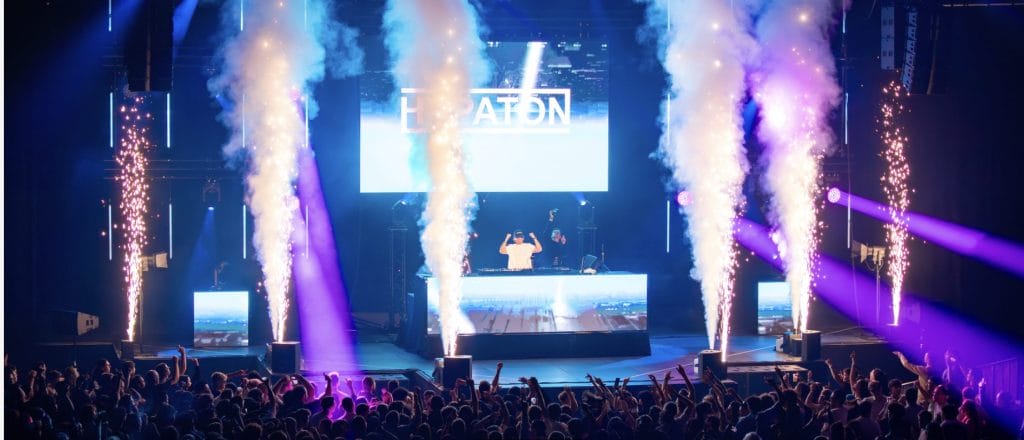
How do you know when you’ve truly hit a flow mid-set—and what usually helps you get there faster?
I can feel it through the crowd.
I look a lot at people’s eyes, their expressions, their body language. When everything connects, it becomes very natural and effortless. My way to get there faster is also being a bit prepared before the show. I try to get into the crowd’s mindset and think, “what would I want to hear right now?” and build from that.
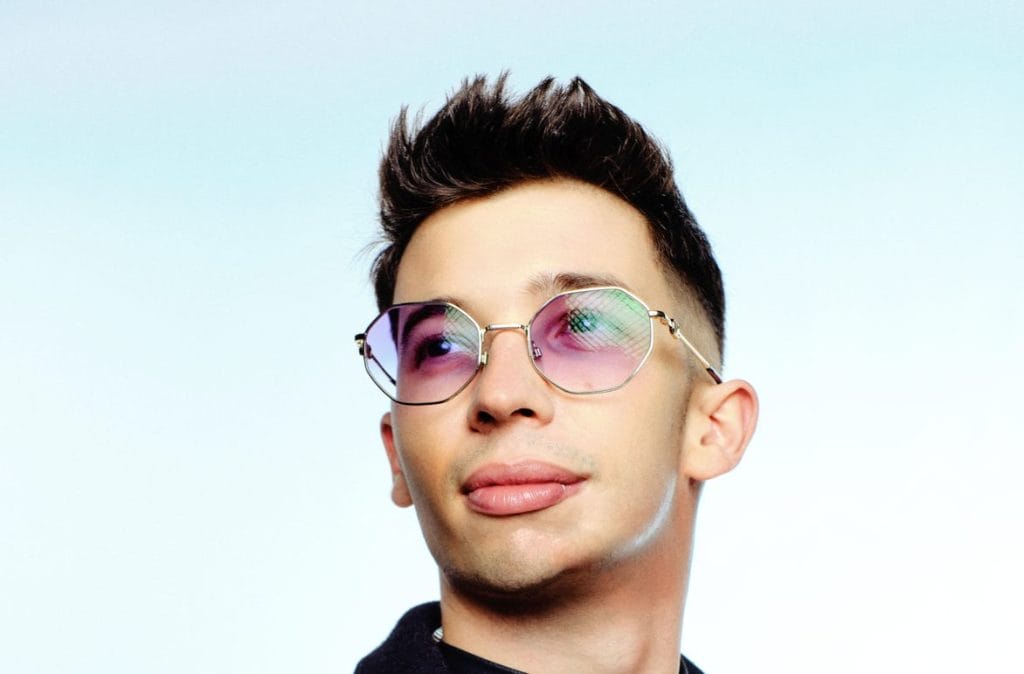
Has your ability to access flow changed over time? What’s helped?
Yes, a lot.
At the beginning I was overthinking everything and trying to control every detail. But the biggest factor is experience. It’s not something you can skip, there are no shortcuts or cheat codes to get there. The more you play, the more you learn, and the more natural it becomes. Over time you just start trusting yourself without even thinking about it.
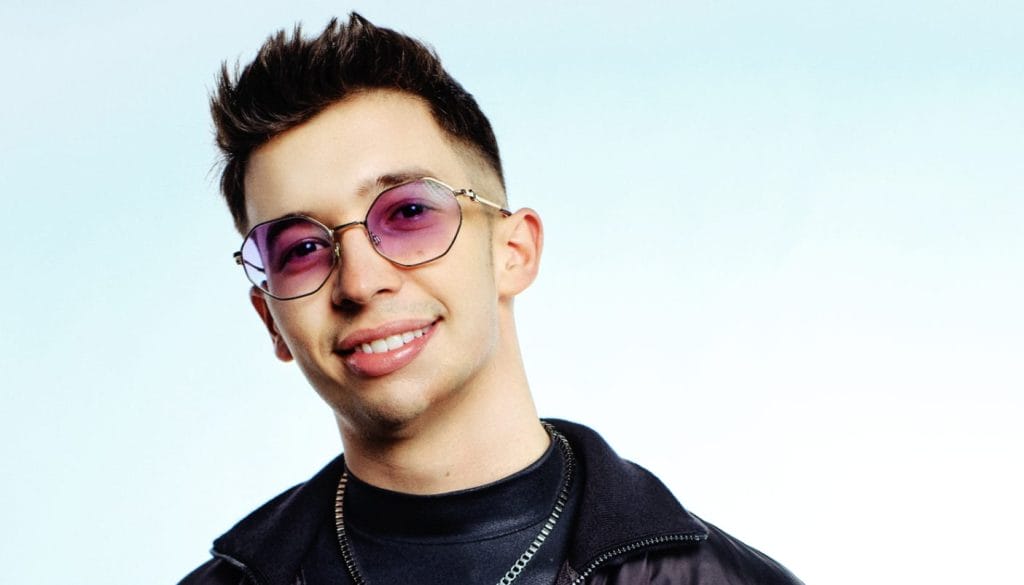
What tends to pull you out of flow—and how do you recover when that happens?
Overthinking is probably the biggest one.
There’s a difference between reading the crowd and trying too hard to please everyone. When I stop trusting my instinct and start second-guessing every choice, that’s when I lose the flow. To recover, I go back to tracks I know work everywhere, especially ones people recognize and sing along to. Once you bring the energy back, you can start building the flow again.
Are there specific venues, crowds, or times of night that make flow feel more natural?
Yes, definitely. There are venues where music culture is very strong, and that makes a big difference.
Timing also plays a huge role, it’s completely different playing an opening set compared to a closing one. On the dancefloor there are real people, not robots, they dance, they get tired, they need moments to breathe. Understanding and respecting those moments is key to building and maintaining the flow.
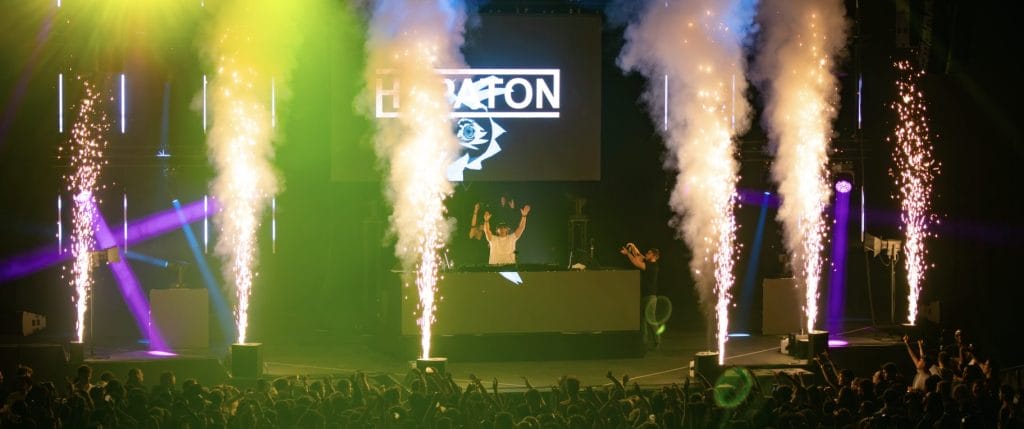
When you’re in that state, do you find your mixing gets more instinctual or more precise?
Everything becomes more fluid.
The music takes control of the night, and you just follow it. Naturally, your mixing becomes more instinctual but also more precise at the same time. When that positive energy is in the air, everything starts flowing like a movie.

Will Vance is a professional music producer who has been involved in the industry for the better part of a decade and has been the managing editor at Magnetic Magazine since mid-2022. In that time period, he has published thousands of articles on music production, industry think pieces and educational articles about the music industry. Over the last decade as a professional music producer, Will Vance has also ran multiple successful and highly respected record labels in the industry, including Where The Heart Is Records as well as having launched a new label with a focus on community through Magnetic Magazine. When not running these labels or producing his own music, Vance is likely writing for other top industry sites like Waves or the Hyperbits Masterclass or working on his upcoming book on mindfulness in music production. On the rare chance he's not thinking about music production, he's probably running a game of Dungeons and Dragons with his friends which he has been the dungeon master for for many years.