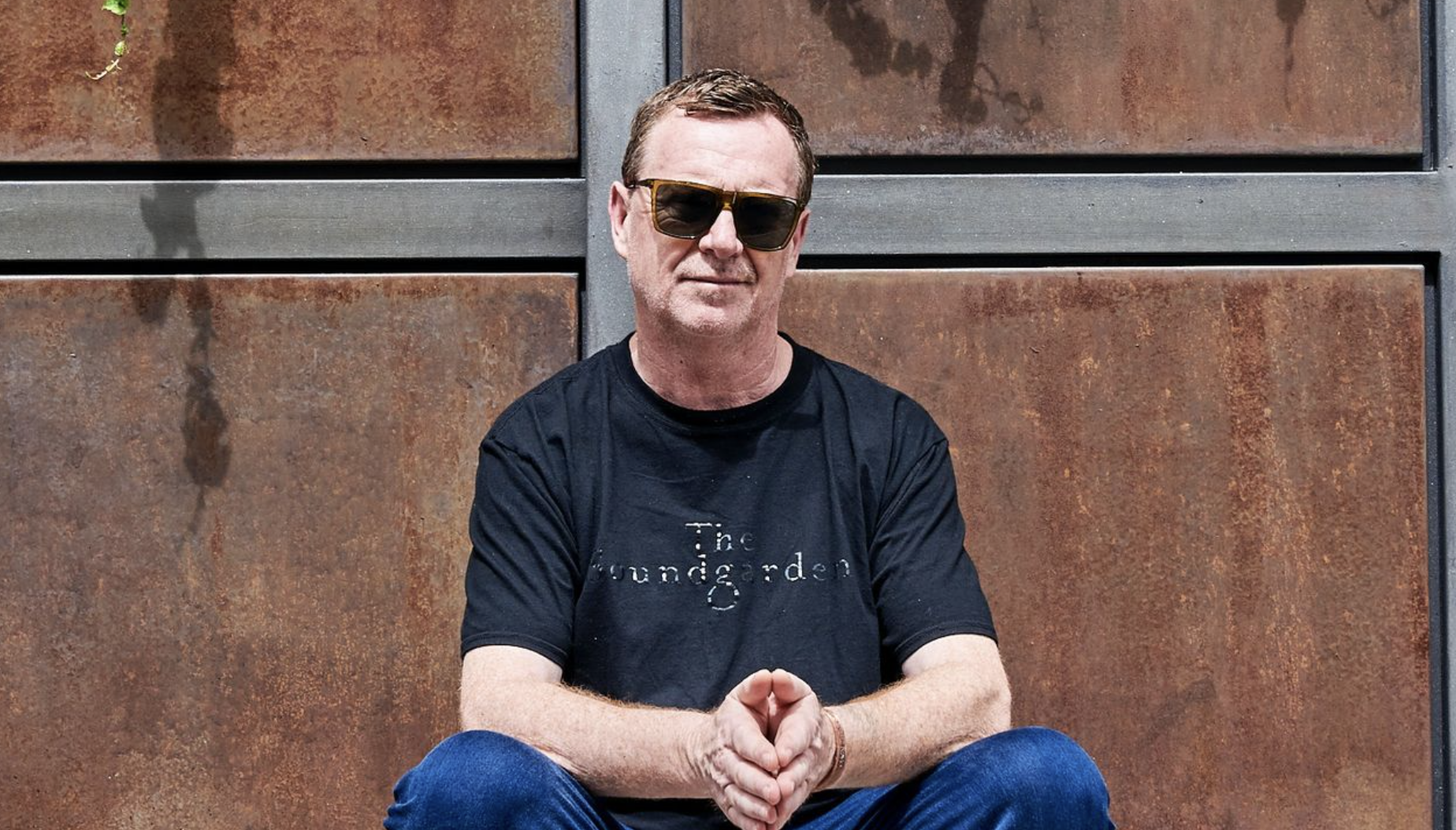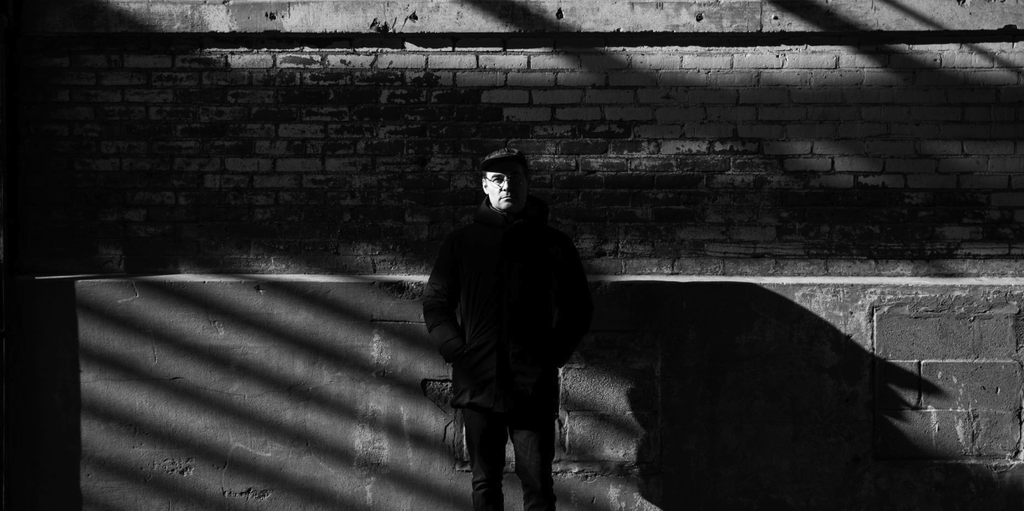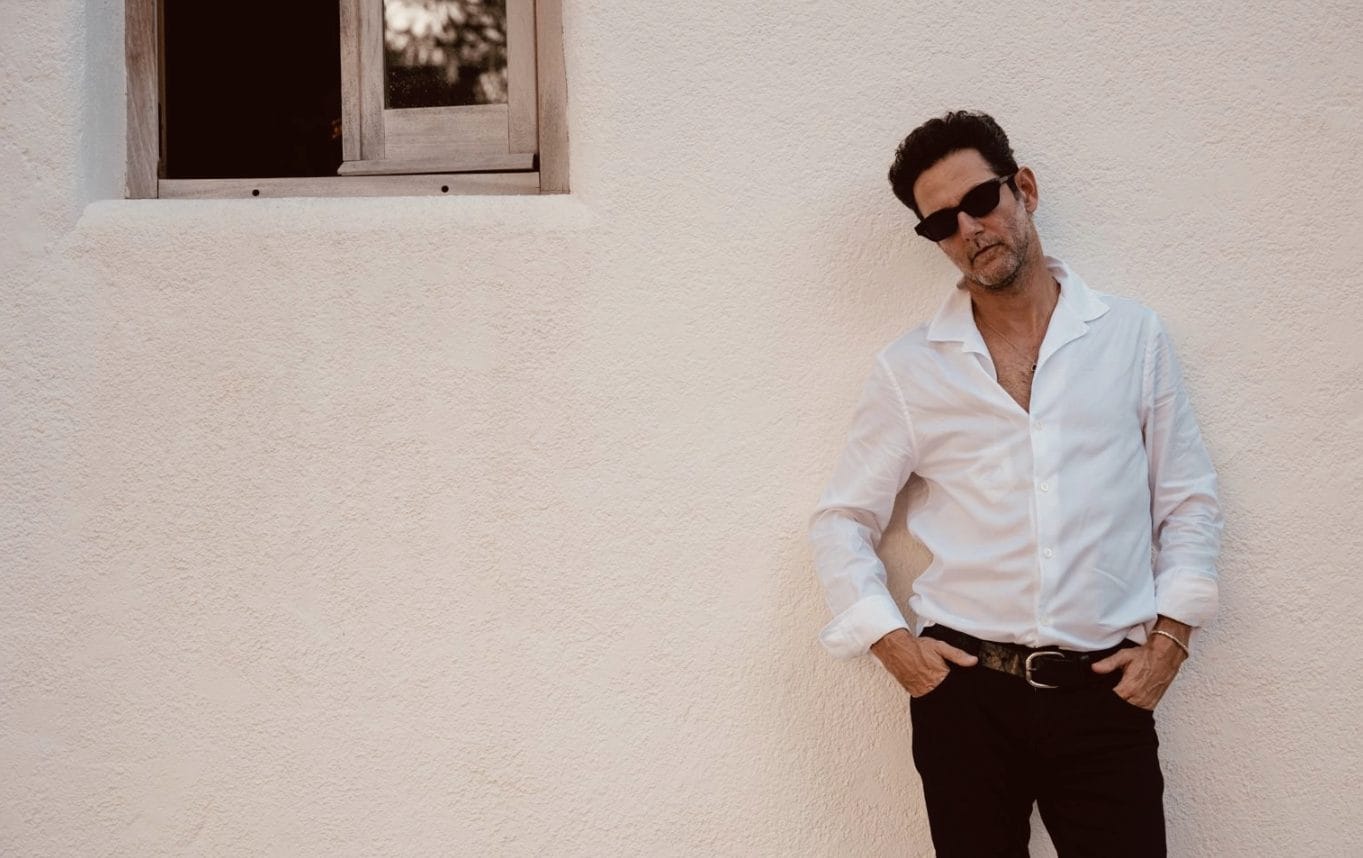
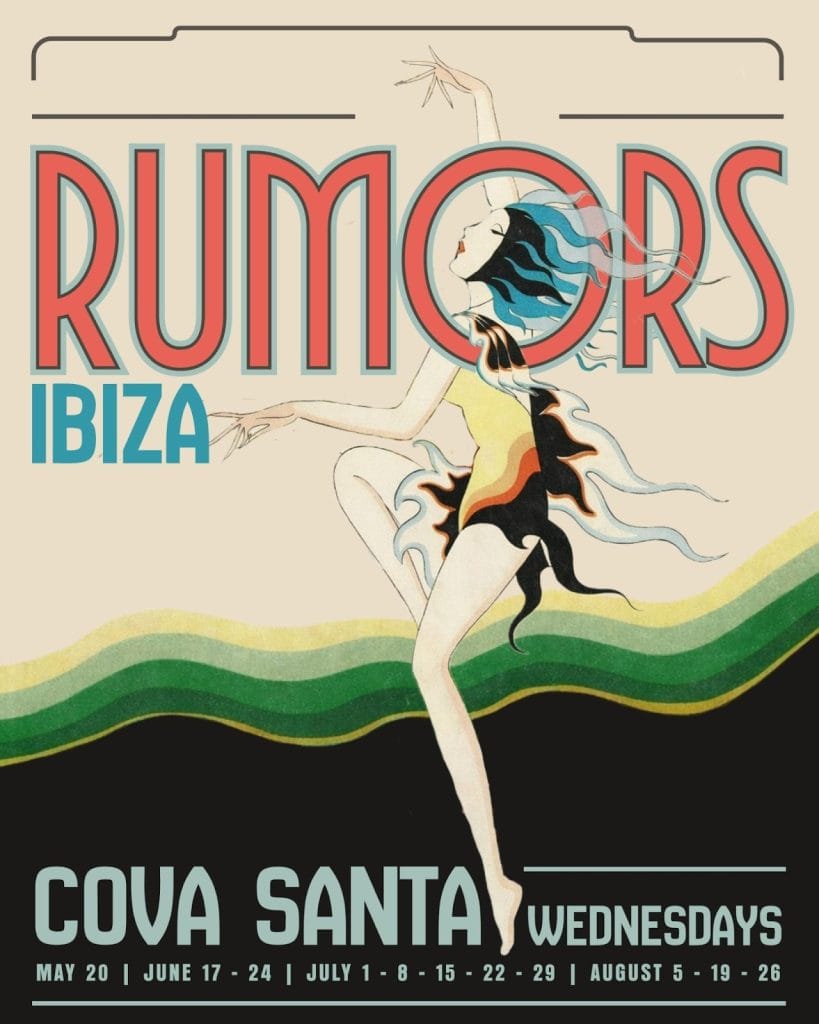
Guy Gerber (@guygerber) returns to Ibiza this summer with the next chapter of RUMORS (@rumorsonthedancefloor), locking in a 13th season on the island and a new run of Wednesday dates at Cova Santa (@covasantaibiza). The residency spans eleven shows between May 20 and August 26, 2026, and it continues a long-standing relationship between Gerber’s event series and one of Ibiza’s more distinctive open-air venues.
Set between Ibiza Town and Sant Josep, Cova Santa has become a consistent base for RUMORS, offering the kind of environment that aligns with Gerber’s approach to building nights that extend beyond a standard club format.
The timing lines up with a broader shift in Gerber’s current output.
His recent “Misirlou EP” introduces a different production direction, bringing in live instrumentation such as guitar, bass, and drums alongside his electronic framework. That same direction is expected to carry into the residency, alongside further projects already in motion, including a new live concept and a full-length album later this year. Outside of music, his SEPARATE WAYS exhibitions in New York and Los Angeles point to a wider creative scope that continues to feed back into how RUMORS is shaped as an ongoing platform rather than a fixed concept.
That context makes this interview more direct. Gerber does not position himself around current industry trends, and he does not adjust his process around visibility or online response. His focus stays on track selection, instinct, and maintaining a clear internal direction while performing. In a setting like RUMORS, where the expectation is often tied to atmosphere and continuity across a full season, that approach explains how he maintains consistency while still introducing new material and ideas into the room.
Interview With Guy Gerber
Has the awareness that moments can travel beyond the room, through social media or iPhone filming in general, influenced how you shape a set?
Absolutely not.
I usually try to focus on the next track and what fits the story I’m trying to tell musically.
Unfortunately, I know that I probably should think more about it, because in today’s world it’s very important. But I think I just belong to a different era, where I’m doing my own thing and not thinking about other things while I’m DJing.
Do you think the current phone-based culture rewards precision more than experimentation?
Yes, absolutely.
When I started DJing, I was looking at DJs like Ricardo Villalobos and Derrick Carter, and I was thinking about the music they were playing. I had never heard music like that before, and I couldn’t understand where they were getting it from or how it was being produced. Back then, talent and originality were the most important things. DJs were digging, exploring, and looking for tracks that people didn’t know. The focus was really on the music.
Today, a lot of people are trying to get attention online, and the industry rewards that. Success has become the number one goal. People do things that are not even related to the music, whether it’s wearing something extreme, exaggerated movements, or talking about things that are more about headlines.
Almost like they are performing for attention. Of course there are still people who are very dedicated to the music, but there are not many of them. A lot of people don’t even make their own music. I don’t think about it too much though, I try to just do my own thing.
With that in mind, what does creative risk look like for you today?
That’s a great question. Every time I speak with people in the industry or friends, they tell me I should release more dance tracks. But for me, when I go into the studio, I’m at a point where I don’t feel like I have to prove anything. I just make and release music.
It’s not always about thinking of it as a career decision. With the recent music, like the Misirlou EP, I’ve been using more live instrumentation, like real guitar, drums, and bass. I don’t know if it’s risky, but I’m not trying to satisfy anyone when I release music anymore.
When you play something unexpected, what determines whether you commit or pivot?
I’m going to be very honest. I’m not a passive person at the party. I don’t just play what people expect to hear. If I put a track on and I don’t feel good about it, or I regret it, I might switch quickly to another track, whether it’s smooth or not so smooth. It’s not always based on the crowd’s reaction. Sometimes it’s just my own feeling.
How do you maintain freshness in a culture that archives everything online?
Freshness for me is staying loyal to yourself and not repeating the same things. I try to do things that inspire me and put myself in new situations. Recently, a big part of that has been exploring my passion for art and photography. I’ve been doing the Separate Ways exhibitions in New York and Los Angeles, and it gives me a sense of freedom and makes me feel like a beginner again.
Musically, I try to keep challenging myself, whether it’s in the studio or when I’m DJing. With the Misirlou EP, I explored more live instrumentation, and that’s part of that process.
What role does surprise still play when you’re DJing?
I think today a lot of the crowd is very eager to hear songs that they already know. It wasn’t always like that. So for me, if I want to create surprise but still have the crowd understand it, I try to find known songs that are not necessarily dance songs. That’s also connected to the Misirlou EP, where I explored influences from the 60s, 70s, 80s, and 90s, especially rock and instrumental music. B
ack in the day, you could play an old house track and people would recognize it. Today, it’s more about older pop or rock songs. At the same time, I like to stay loyal to the original tracks. I prefer playing them as they are, not always making new edits, and finding a way to create a moment with that.

Will Vance is a professional music producer who has been involved in the industry for the better part of a decade and has been the managing editor at Magnetic Magazine since mid-2022. In that time period, he has published thousands of articles on music production, industry think pieces and educational articles about the music industry. Over the last decade as a professional music producer, Will Vance has also ran multiple successful and highly respected record labels in the industry, including Where The Heart Is Records as well as having launched a new label with a focus on community through Magnetic Magazine. When not running these labels or producing his own music, Vance is likely writing for other top industry sites like Waves or the Hyperbits Masterclass or working on his upcoming book on mindfulness in music production. On the rare chance he's not thinking about music production, he's probably running a game of Dungeons and Dragons with his friends which he has been the dungeon master for for many years.