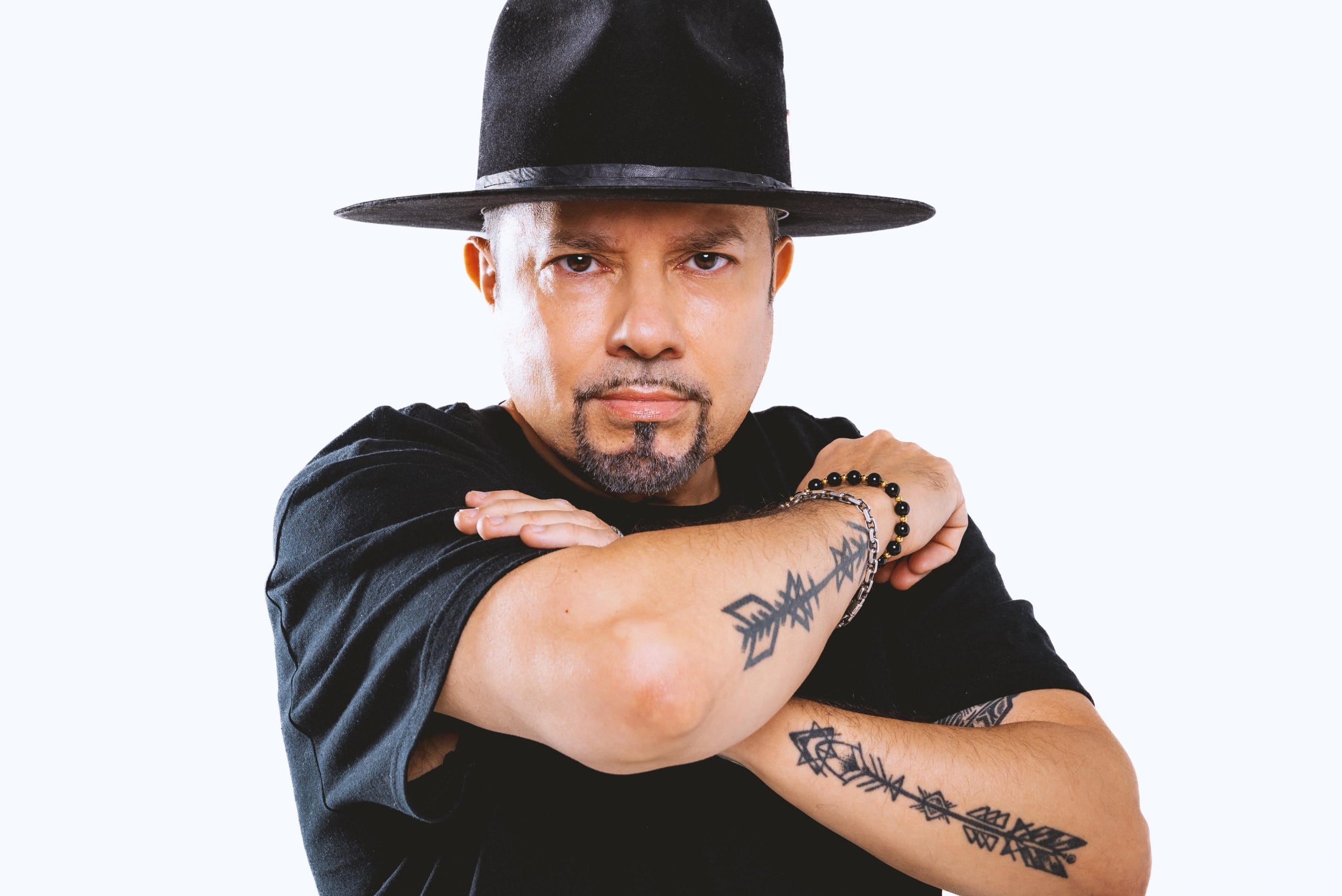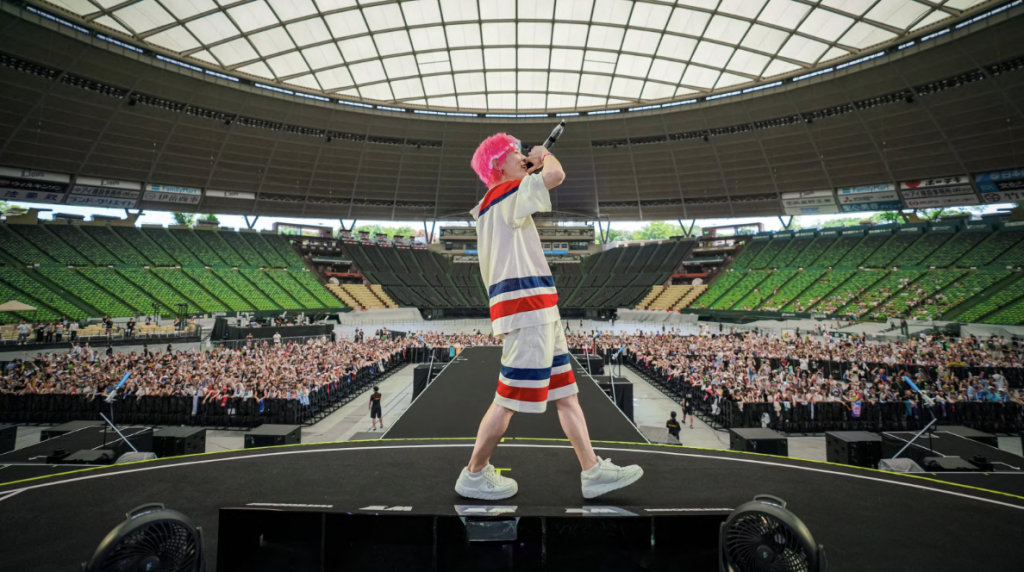
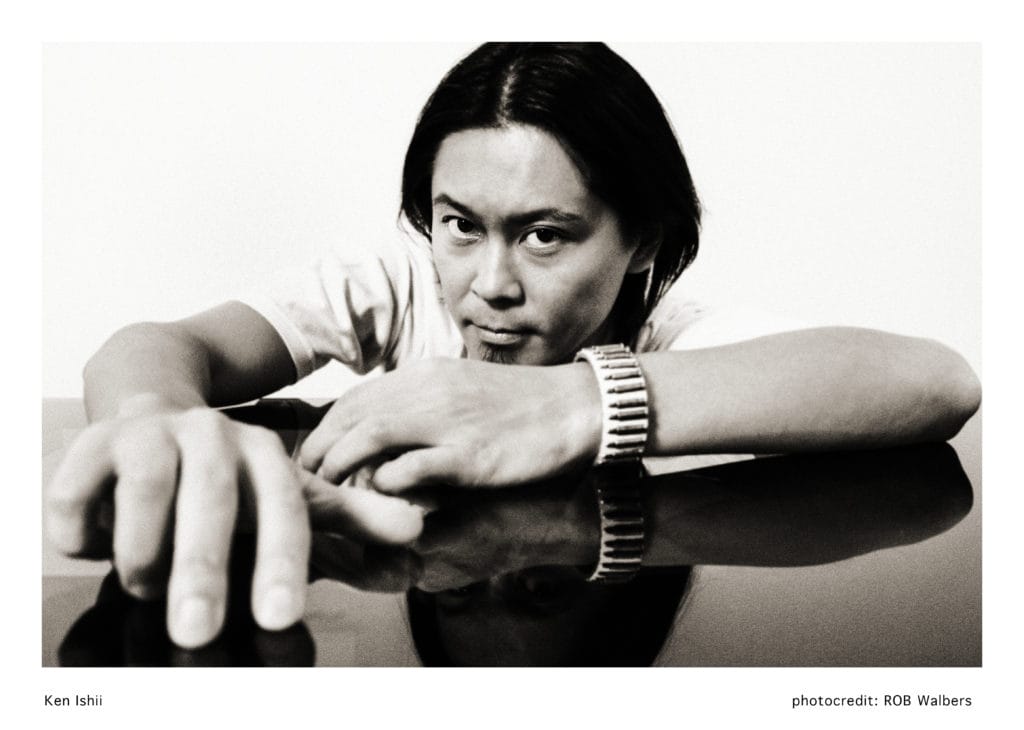
Ken Ishii (@kenishii_) has spent over three decades building a career with unusual consistency, and that history gives this conversation real value. As he returns with “Syntax Error,” the Japanese producer and DJ speaks with the perspective of someone who has moved through techno’s club circuits, label systems, and media cycles without losing sight of the work itself. His answers are precise and unsentimental, and they show an artist who learned early how to protect his private life while still understanding the role visibility plays in a long career.
What comes through most clearly is how disciplined his approach has remained. Ishii talks about exposure, touring, and online presence as practical parts of the job, and he treats creative direction the same way, with decisions shaped by experience rather than image.
That mindset gives this moment around “Syntax Error” added depth, since the single arrives on Lady Tazz’s Mind Medizin while also placing him inside a much longer arc built on endurance, restraint, and a clear sense of self.
Interview With Ken Ishii
How has your relationship to “exposure” changed as your career has grown?
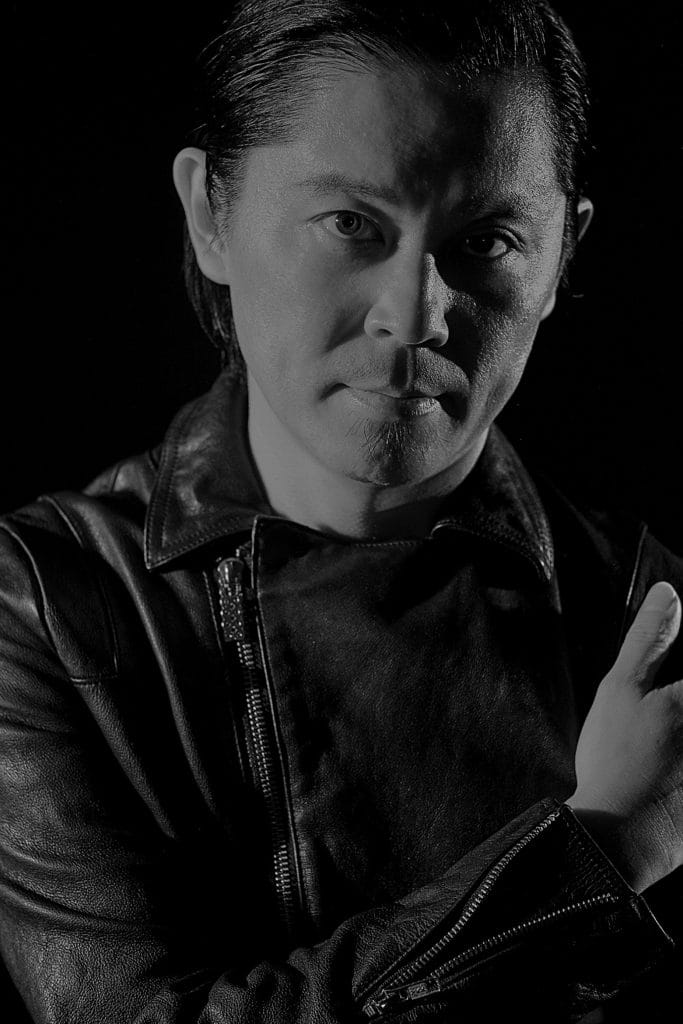
In the very beginning of my career in the early 90s, specifically the first two years after my debut as a recording artist, I was still working as an office worker for a typical, demanding Japanese company. Since outside employment was strictly prohibited, I had to stay ‘hidden’ while releasing music and DJing. So I never allowed my straight face shot to be shown in any media appearances during that time.
However, I understood the importance of promoting myself in the media – mostly magazines back then – so I didn’t turn down those media requests. Once I left the job to become a full-time artist, I began embracing promotion more actively to ensure my music reached a wider audience, as long as the direction felt right for me.
What helps you maintain clarity about who you are beyond your public presence?
At my core, I have always seen myself as just a guy who loves making music and playing music for a crowd. I never wanted to be a pop star or a celebrity, but I have always wanted to be able to live a normal life. While I recognize that maintaining a certain level of social media presence is a professional necessity today, I believe it shouldn’t be too much.
I still enjoy eating at local yakitori spots or soba stands in my home country.
I have no interest in a flashy lifestyle or showing off.
Have there been moments where refining your output strengthened your creative direction?
Absolutely. A significant moment was in 1995, when my first record company, R&S Records, prioritized my album ‘Jelly Tones’ with an intense promotional campaign.
Before that, I was largely perceived as a niche, experimental Asian electronic music artist. However, with the strong music video for the single ‘Extra’ included in the album and the surrounding global promotion, I gained recognition as the first international techno artist from Japan. This experience led me to sharpen my focus and commit to techno as the definitive direction of my musical career.
How do you decide when to engage online and when to step back?
I prefer not to reveal too much of my private life.
I want the focus to remain on my music. I do some posts while on tour because fans are often curious about the countries and cities I visit, what I’m eating or the sights I’m seeing. Since I’m lucky enough to travel to places many people may never get to visit, I see sharing those moments as an extension of my life as a musician.
That said, I’m not interested in posting about my political views. While I care about things happening all over the world as an individual, I don’t feel that it is my role to project as an artist.
What practices help you protect your energy while staying active?
I suppose I have an ‘old school’ artist mentality, which is like, you don’t need to be visible or ‘trending’ at all times. I step into the spotlight when I’m on tour or have a release, but I go quiet when I’m in the studio focusing on the next project. It’s like switching myself on and off, up and down.
Having experienced the pre-social media era, I think I have learned how to avoid burning out in the ‘self-promotion hell’ that many people face today.
How do you think about the relationship between your public persona and your private self?
I don’t see a major divide between these two sides of myself. I try to stay natural and easygoing wherever I am. I might be a bit ‘cleaner and tidier’ when I’m performing or appearing in the media, haha, but I would like my fans, friends, and family to all have the same consistent impression of who I am.
What boundaries have supported your long-term focus?
Over my 30-year career, I have crossed several ‘boundaries.’
The first was a shift in mindset during my early days as a professional artist – moving from creating self-indulgent music to making music meant to be heard by an audience. Next was the effort to expand the reach of my music through media platforms I had never experienced before. Once my career became more stable, I focused on conditioning my mind and body to endure the long and hard tours.
Finally, I learned to draw a firm line between work and leisure to maintain my mental balance. I believe these shifts in perspective—these boundaries—are the reason I have been able to sustain myself for this long.

Will Vance is a professional music producer who has been involved in the industry for the better part of a decade and has been the managing editor at Magnetic Magazine since mid-2022. In that time period, he has published thousands of articles on music production, industry think pieces and educational articles about the music industry. Over the last decade as a professional music producer, Will Vance has also ran multiple successful and highly respected record labels in the industry, including Where The Heart Is Records as well as having launched a new label with a focus on community through Magnetic Magazine. When not running these labels or producing his own music, Vance is likely writing for other top industry sites like Waves or the Hyperbits Masterclass or working on his upcoming book on mindfulness in music production. On the rare chance he's not thinking about music production, he's probably running a game of Dungeons and Dragons with his friends which he has been the dungeon master for for many years.