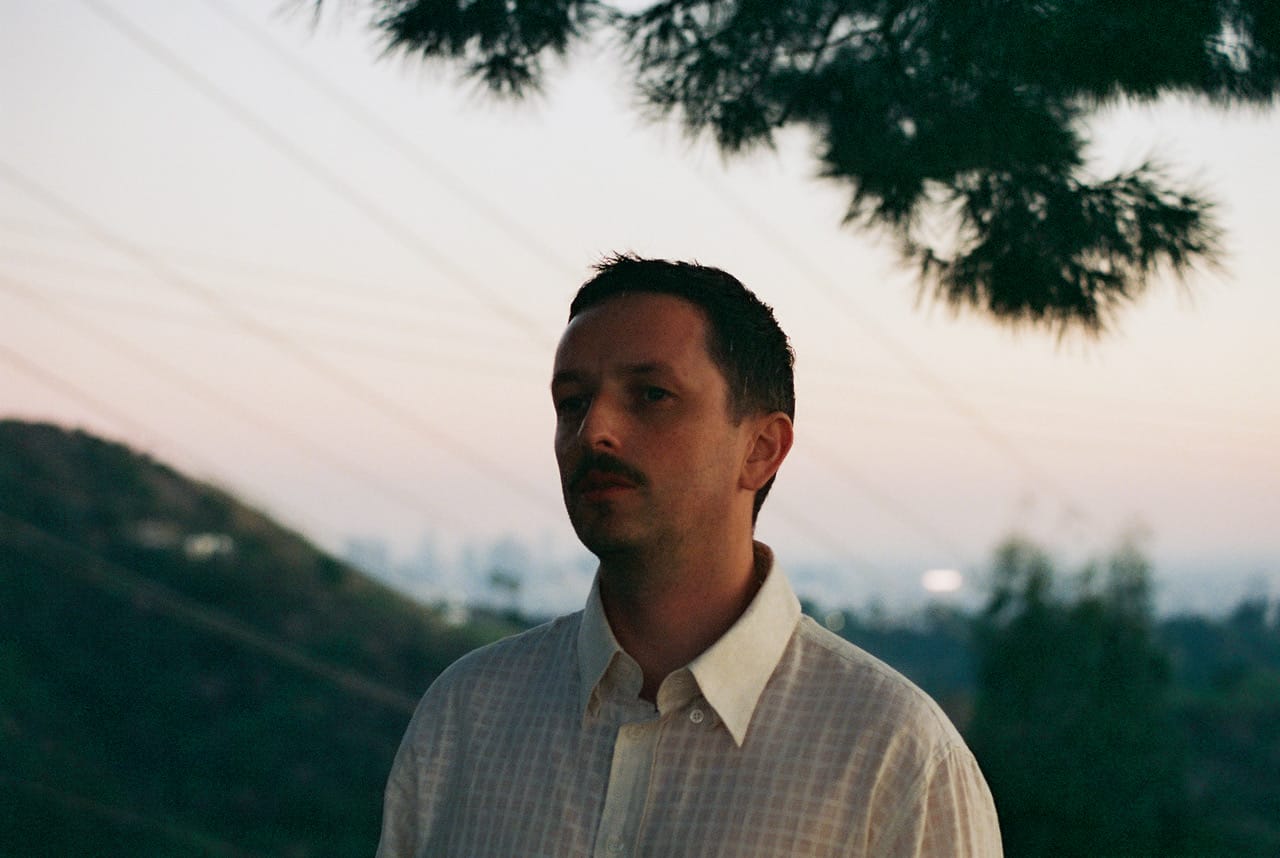
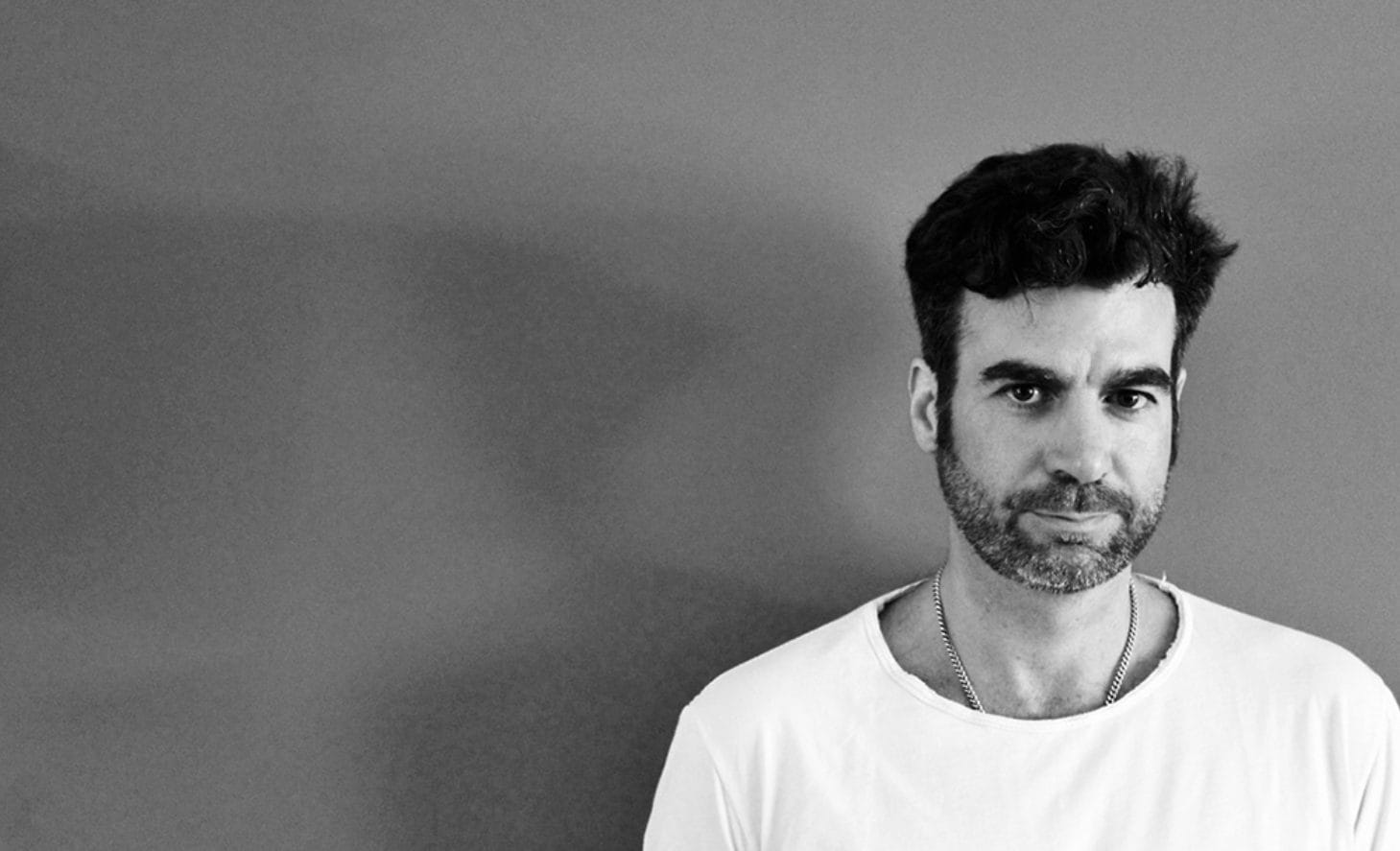
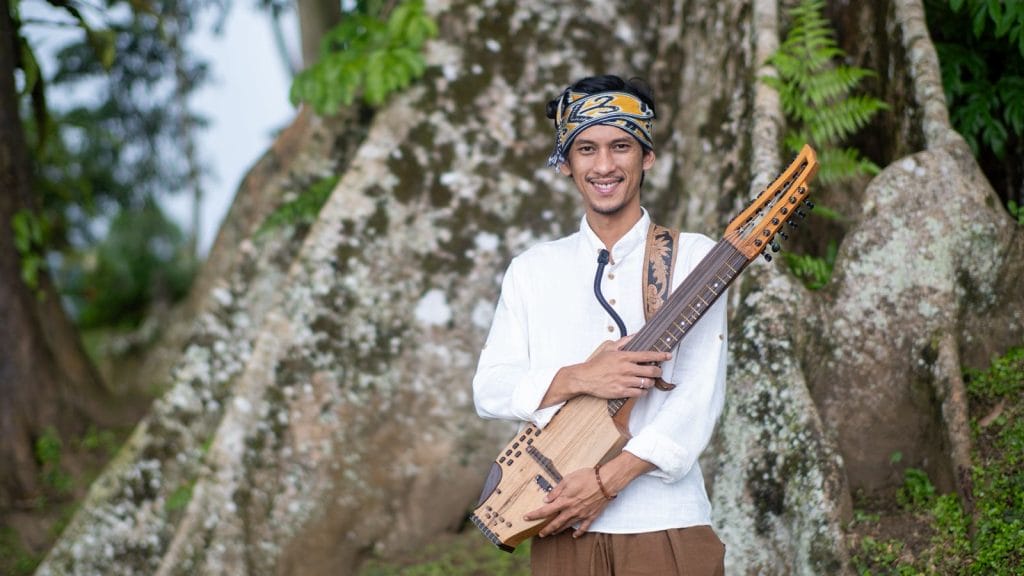
Adam Alydrus (@adam.alydrus) approaches production from a position that few artists can claim, because his entire process begins with an instrument he built himself and then expands outward into a hybrid workflow that connects traditional performance with modern electronic tools.
That foundation carries directly into The Bridge, his latest release on Sol Selectas, where organic downtempo structures are shaped through live instrumentation, looping systems, and detailed post-processing inside Logic Pro.
The result reflects a method that prioritizes source material and performance decisions early, then refines those ideas through deliberate editing and sound design.
What stands out in this breakdown is how each stage of the process remains tied to a physical input, from the Indulung acting as the central compositional tool to the pedalboard system that allows him to translate studio ideas into a live setting without relying on a computer.
His workflow moves from sampler-based sketching in Logic Pro into layered recordings and selective re-tracking, then into processing chains that stay relatively minimal and controlled. This “How It Was Made” focuses on those decisions in detail, including how he builds harmonic structure from a single instrument, how he captures ideas before they lose their initial intent, and how he maintains continuity between studio production and performance environments.
Indulung
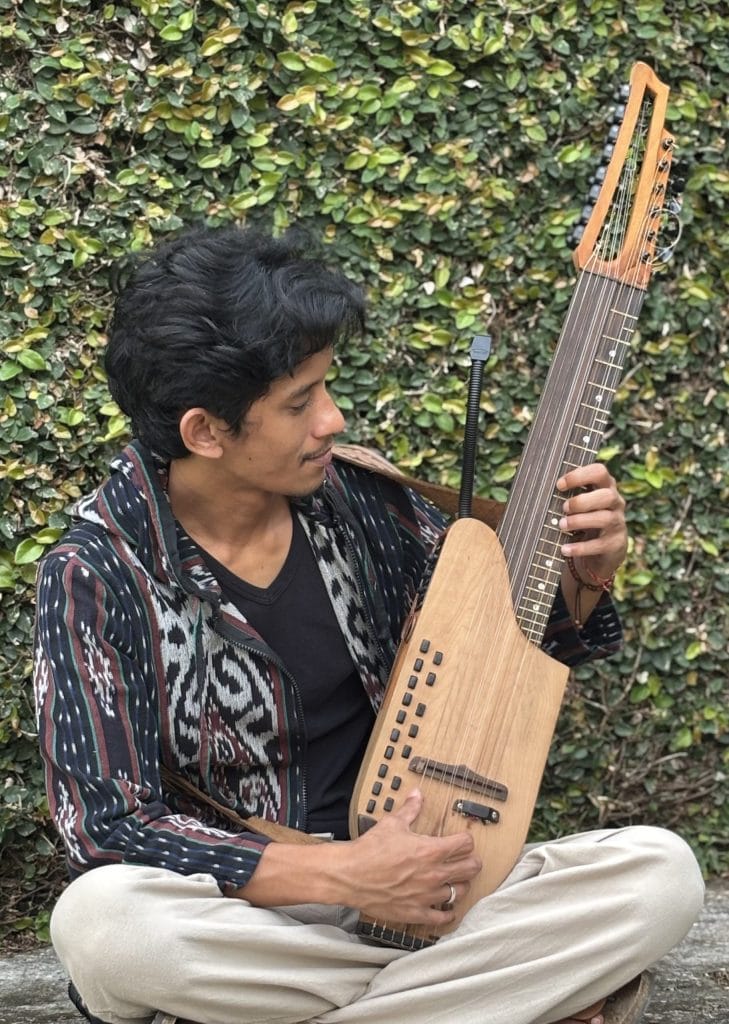
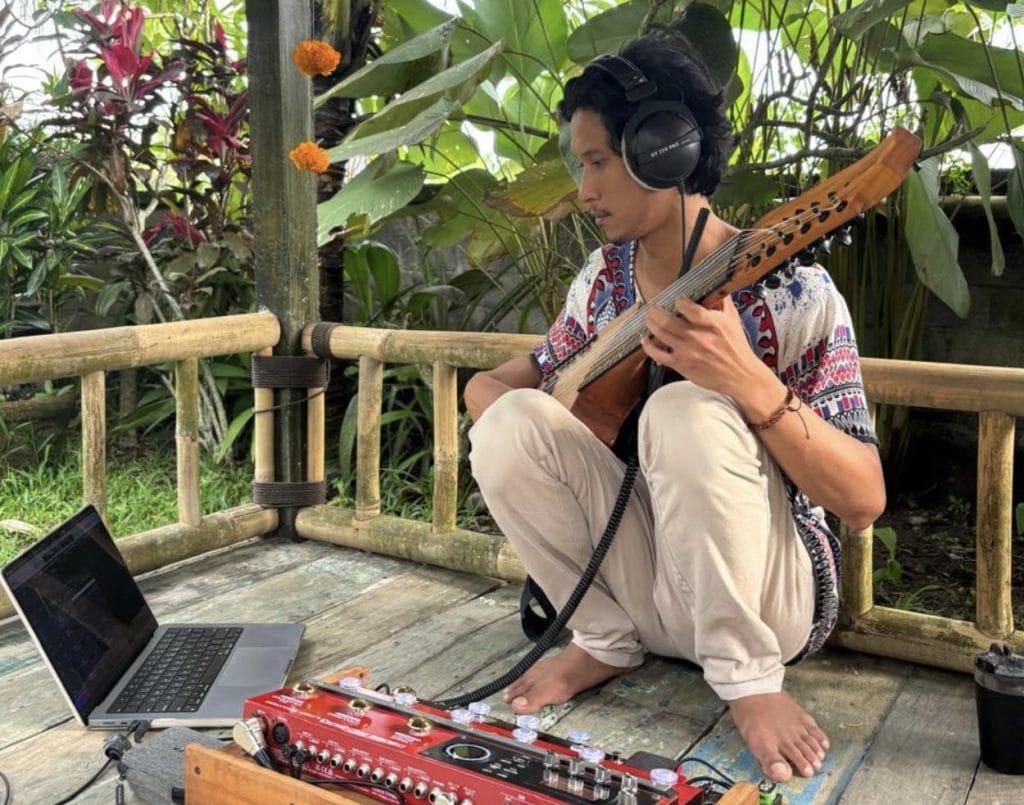
My main gear for creating music is my self-invented instrument, the Indulung. I use it as the foundation for my compositions—shaping melodies, building chord progressions, and creating rhythm and bass, all from a single instrument that brings everything together.
The Indulung combines elements of several traditional instruments, including the oud or gambus (typical for Kalimantan), the Moroccan guembri, tar or saz, as well as the sape—one of Borneo’s most iconic instruments. When played with a bow, it can also sound like the Iranian kamancheh. There are also harp or the sasando from Rote Island, along with melodica, European flute (seljefløyte / koncovka), kalimba, and percussion.\
Logic Pro
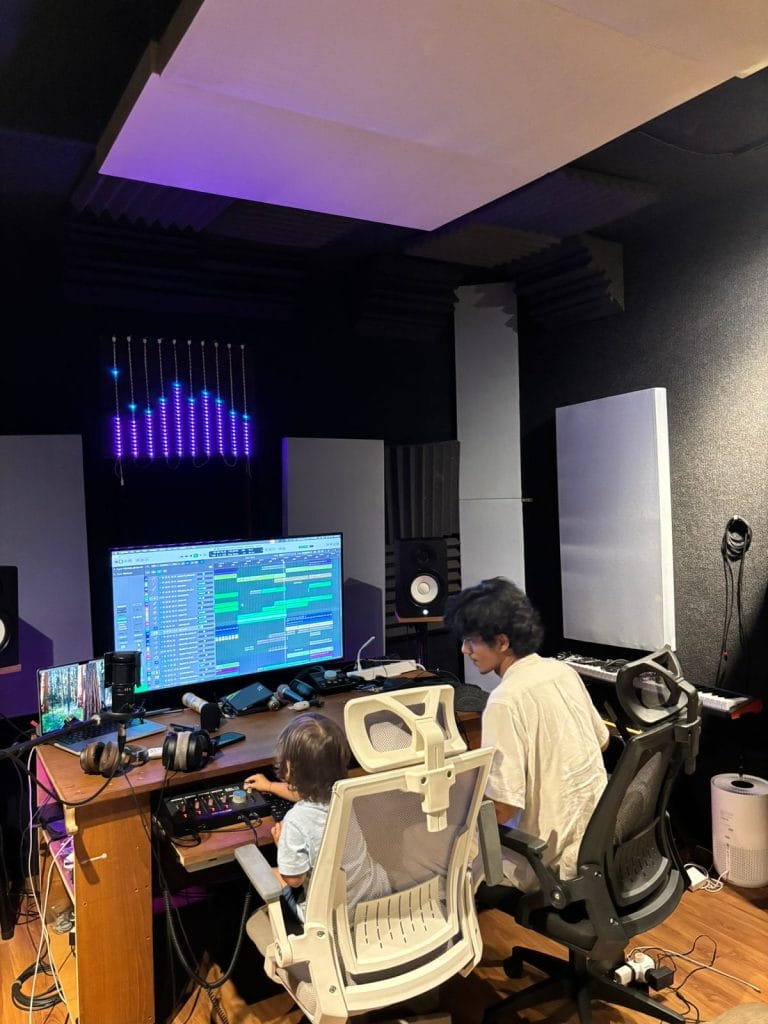
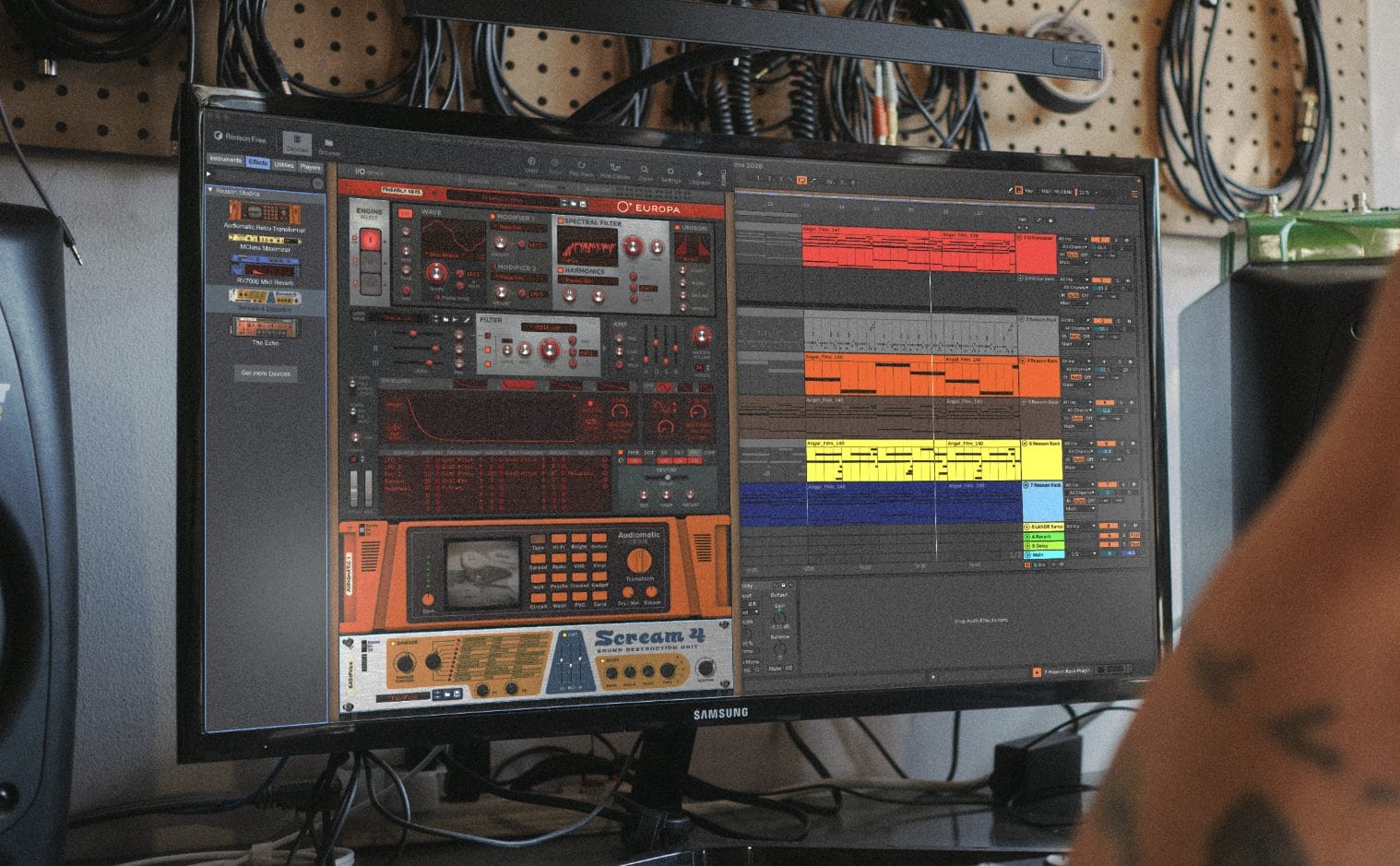
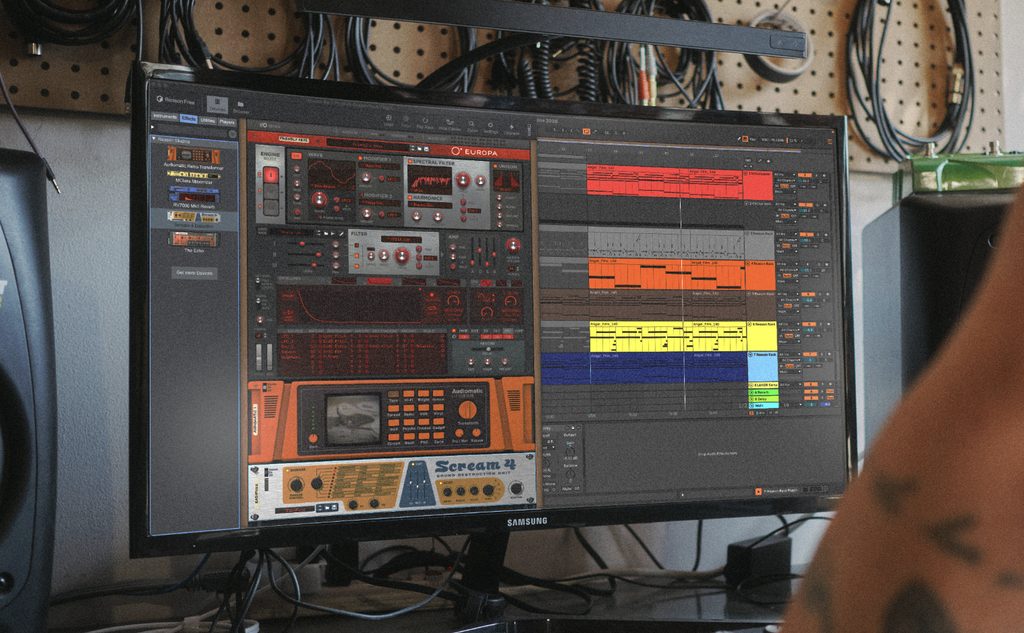
Here’s how I usually create in Logic Pro. I start by building a pattern using the sampler, then develop the beat with the Drum Machine Designer. For synths and pads, I use Alchemy. After that, I like to play live instruments freely on top—improvising without overthinking, letting the ideas come naturally and trusting my intuition and muscle memory.
Once I have a few ideas, I go back and choose the melodies that resonate most, sometimes re-recording them if needed. Occasionally, I’ll capture a sketch using just my earphone mic, and even if the quality isn’t perfect, it carries a certain feeling. Sometimes I can’t recreate that same emotion again, so I keep the original take. For me, the soul in the music is always the most important part.
Logic Pro Sampler
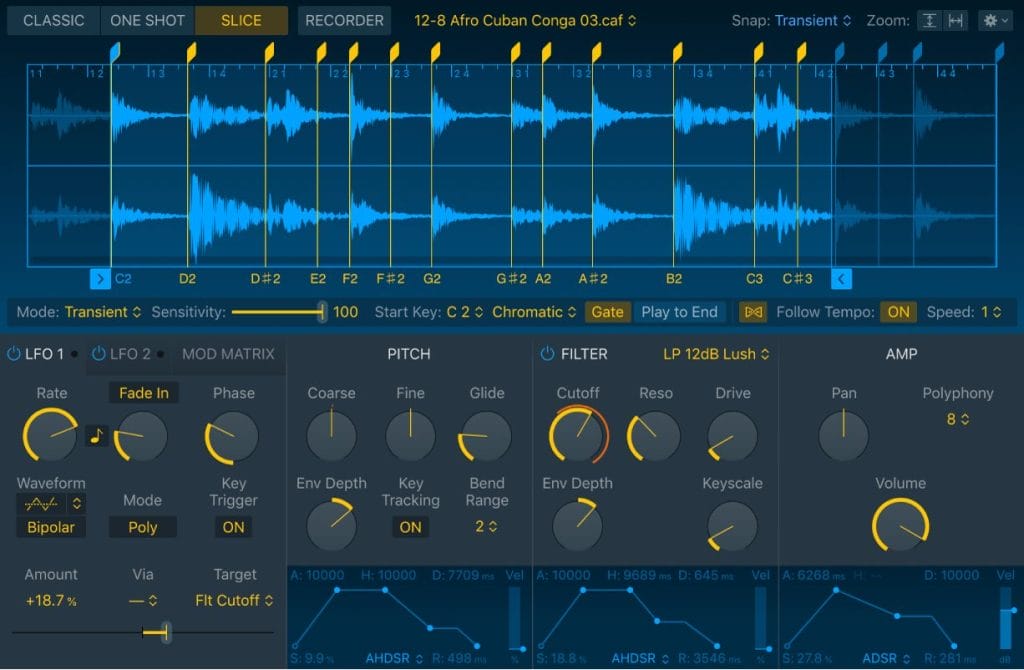
I use Logic Pro’s sampler to transform recorded sounds into custom instruments, allowing me to resample, layer, and shape textures in a more creative way.
To further shape the sound, I use FabFilter for EQ and processing, and then add reverb and shimmer from Valhalla DSP plugins to make it more alive.
Pedalboard
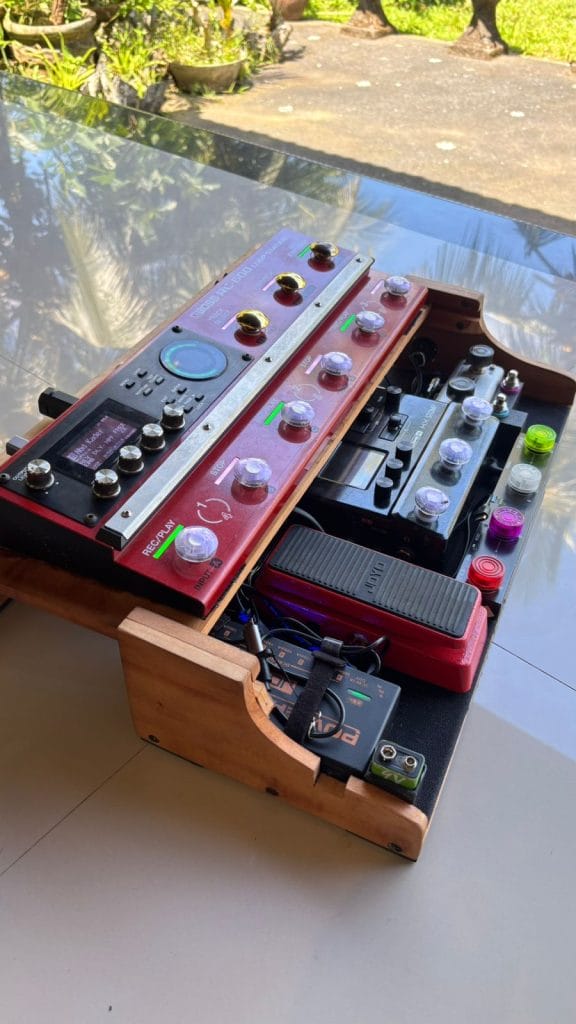
When I play live, I don’t use a computer. Instead, I rely on a loop-based setup.
This is the pedalboard I built myself:
• Boss RC-600 Loop Station – the heart of the setup. It allows me to record, layer, and arrange loops in real time, building the track live on stage.
• Line 6 HX Stomp (with external dual switch and M-VAVE Chocolate MIDI Controller) – used for amp simulation and effects processing, giving me flexibility to shape and control my sound on the fly.
• Joyo Wah II – a volume and wah pedal that adds expression and movement to the performance.
• ABY Switch (for the mic) – lets me route and control the microphone signal easily within the setup.
• Rechargeable power supply – keeps everything running cleanly and reliably without needing multiple power sources.
• NUX B-2 Wireless Guitar System – gives me freedom to move on stage without being tied down by cables.
Hot Takes And Opinions On The Scene
Hot Take #1:
Downtempo has the freedom to merge tradition and rhythm without losing the spirit behind it—that’s where its real strength lies.
Hot Take #2:
For me, producing music is like decorating an empty room. The beauty is in the details.
Hot Take #3:
Artists should pay more attention to their senses and stay connected to their surroundings. The physical world is a powerful source of inspiration. Reality is a part of imagination.

Will Vance is a professional music producer who has been involved in the industry for the better part of a decade and has been the managing editor at Magnetic Magazine since mid-2022. In that time period, he has published thousands of articles on music production, industry think pieces and educational articles about the music industry. Over the last decade as a professional music producer, Will Vance has also ran multiple successful and highly respected record labels in the industry, including Where The Heart Is Records as well as having launched a new label with a focus on community through Magnetic Magazine. When not running these labels or producing his own music, Vance is likely writing for other top industry sites like Waves or the Hyperbits Masterclass or working on his upcoming book on mindfulness in music production. On the rare chance he's not thinking about music production, he's probably running a game of Dungeons and Dragons with his friends which he has been the dungeon master for for many years.