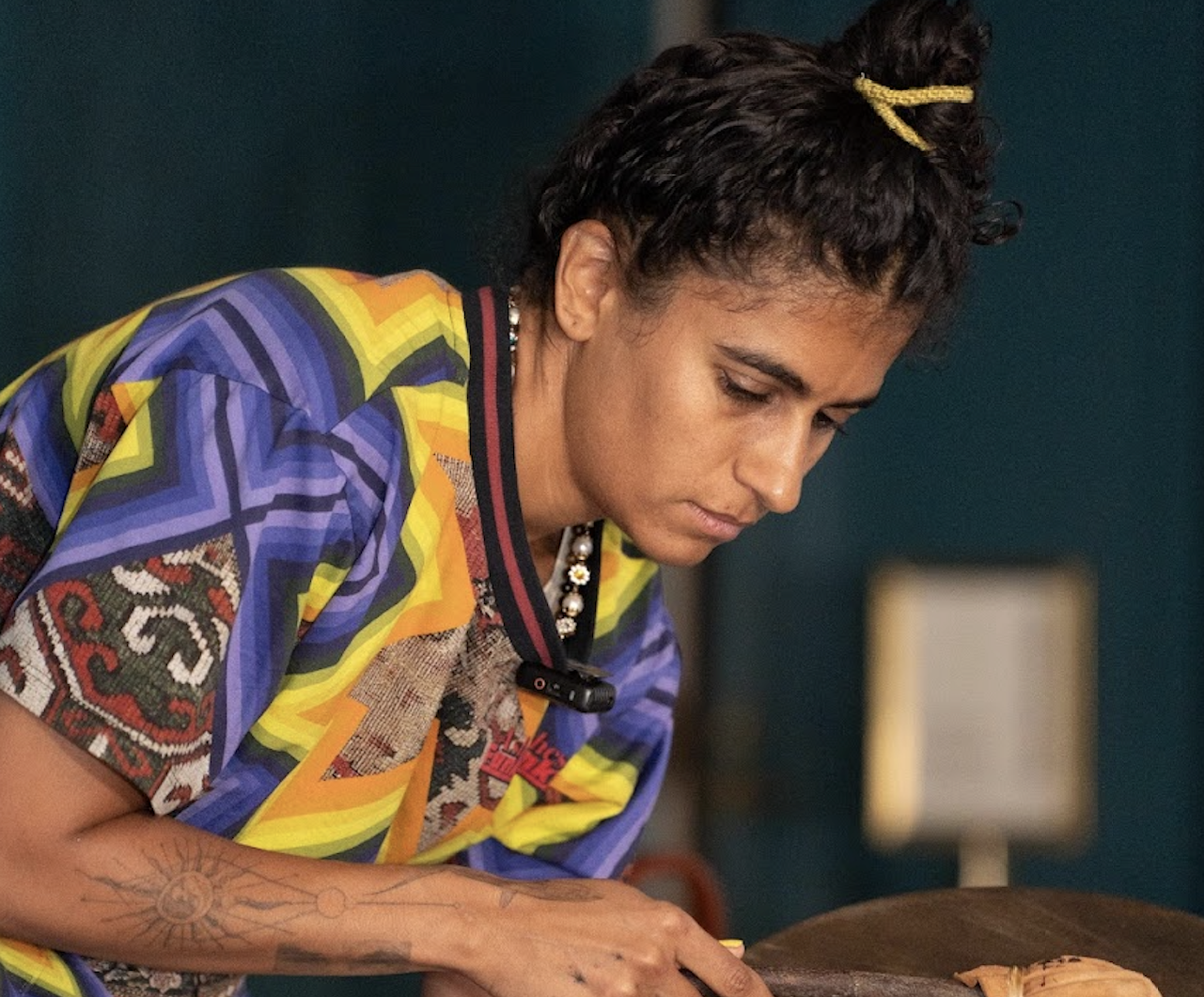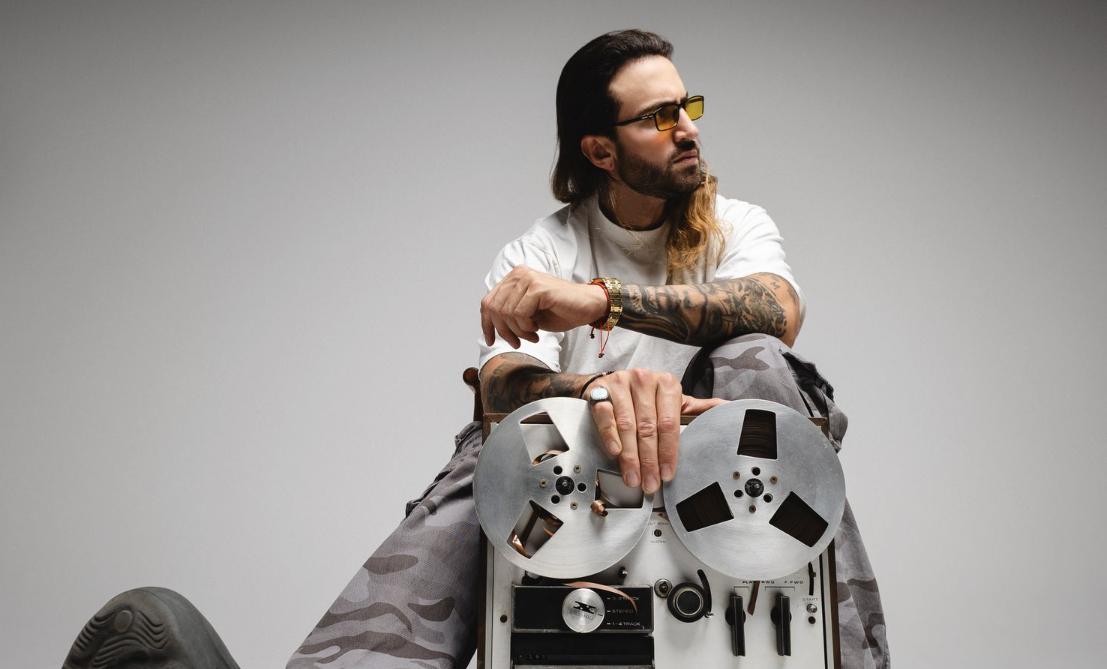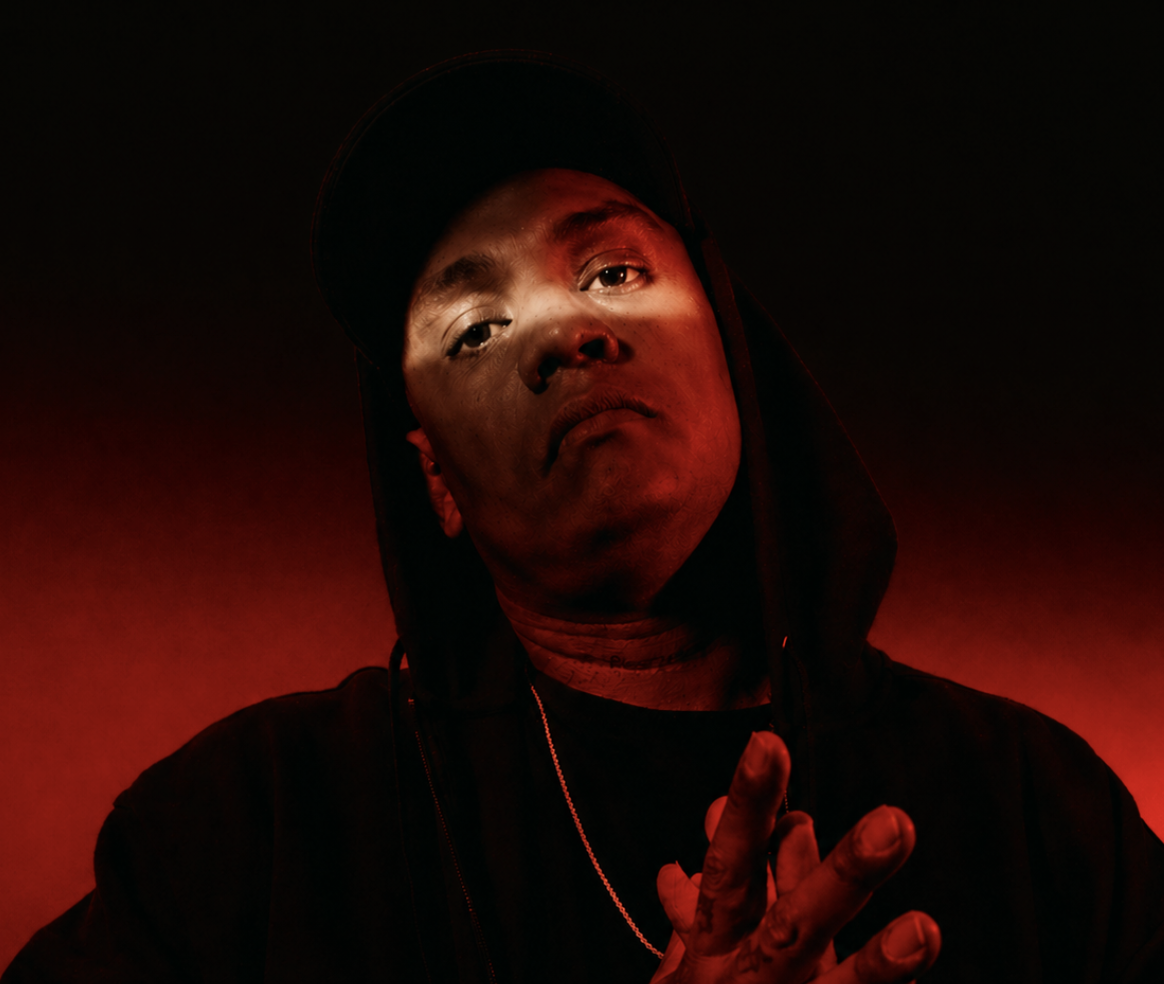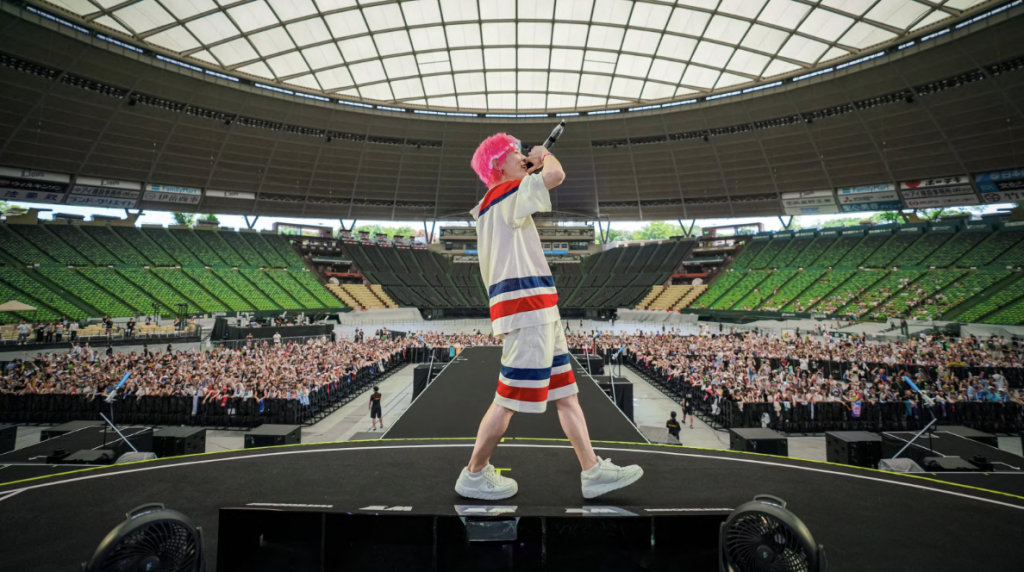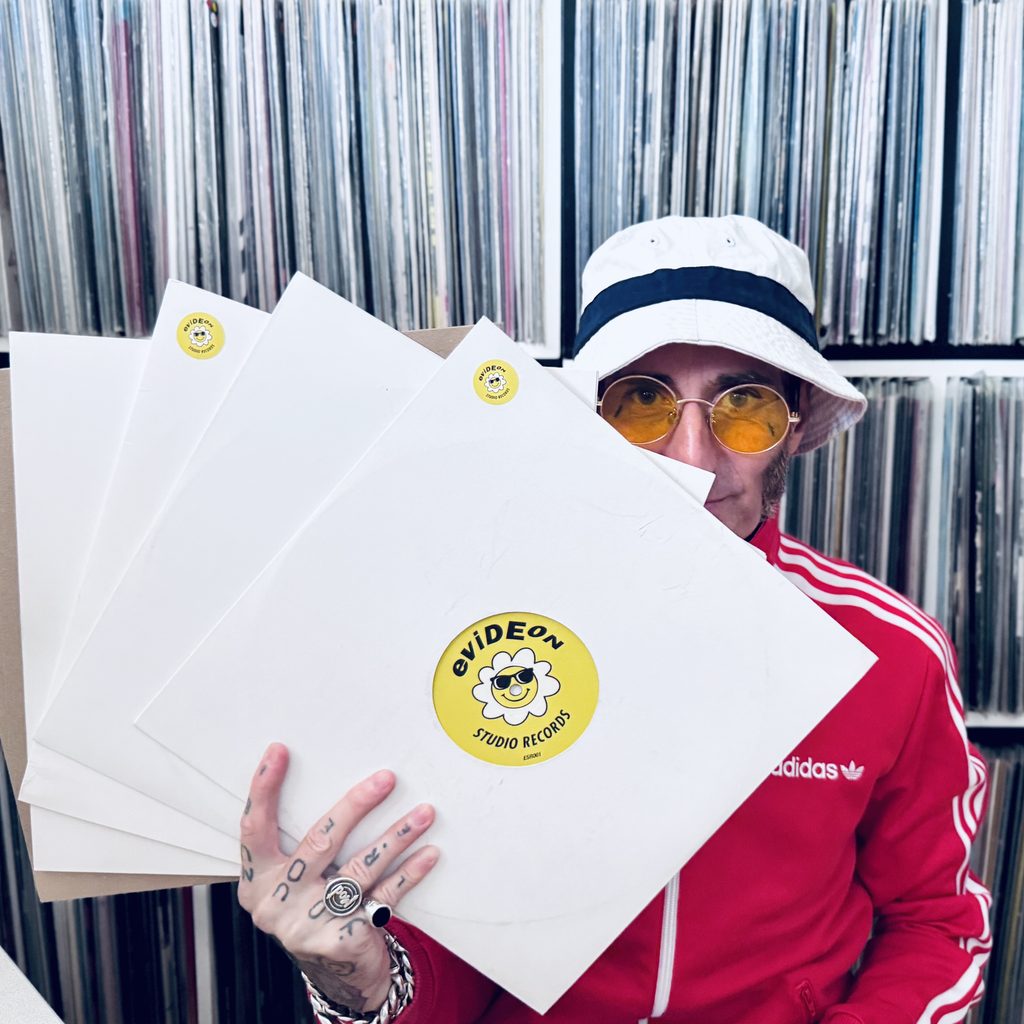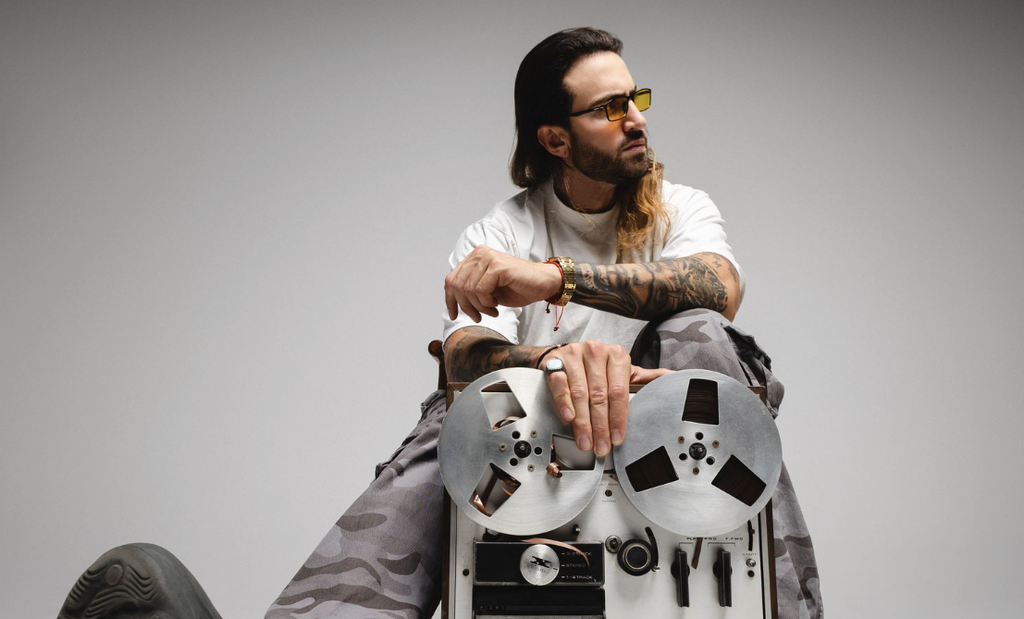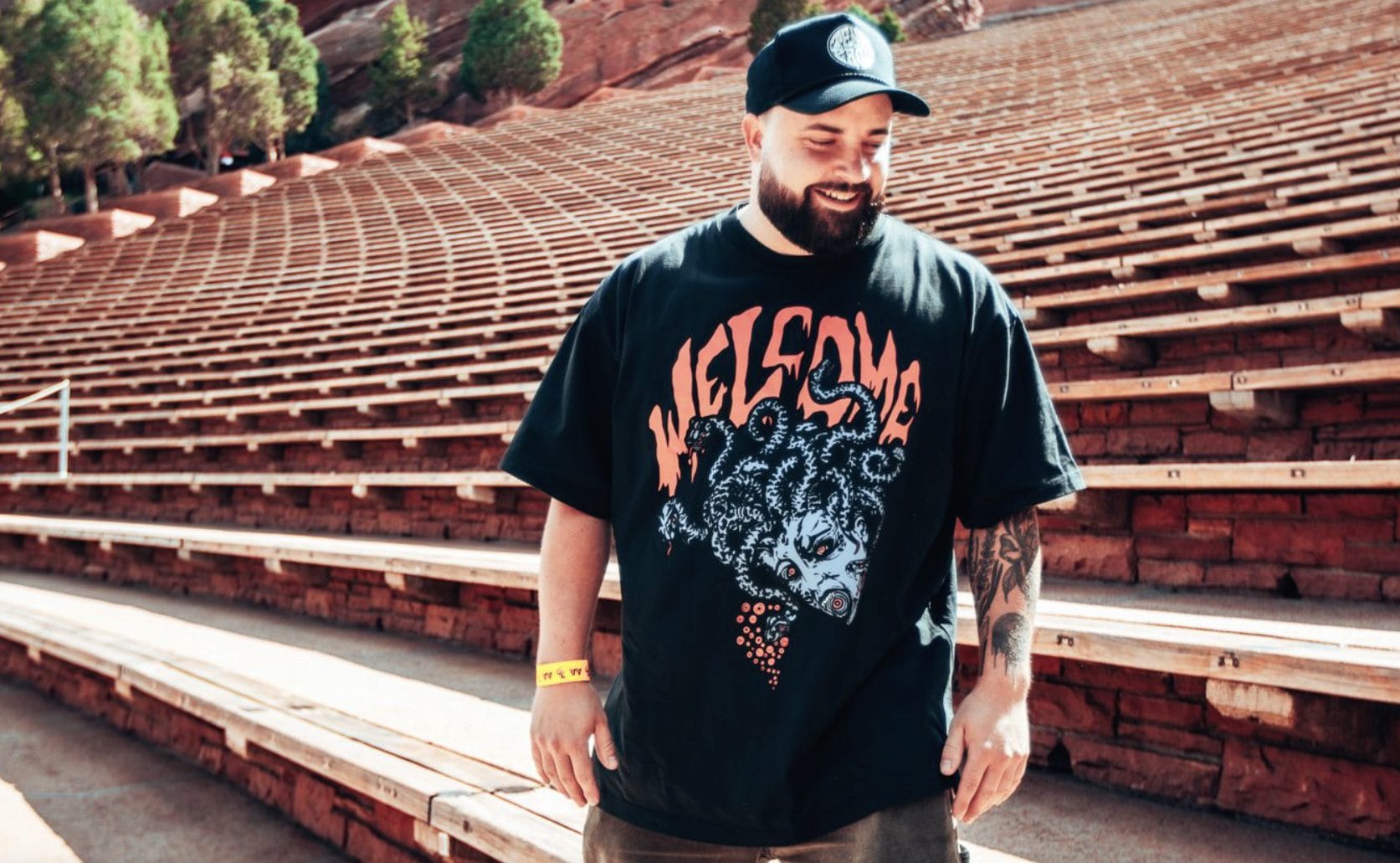
HEYZ (@heyzmsc) has built a reputation as one of bass music’s most unpredictable personalities, blending sharp sound design with a sense of humor that has helped him stand out across both the stage and social media.
Originally from North Carolina and now based in Denver, he has released music on labels including mau5trap, Deadbeats, Bassrush, Bite This!, and Lowly, while bringing his high-energy sets to festivals such as Lost Lands, Bass Canyon, and Red Rocks. At the same time, his online presence has expanded rapidly, with millions of views across social platforms and a fanbase that connects with his offbeat storytelling as much as his music.
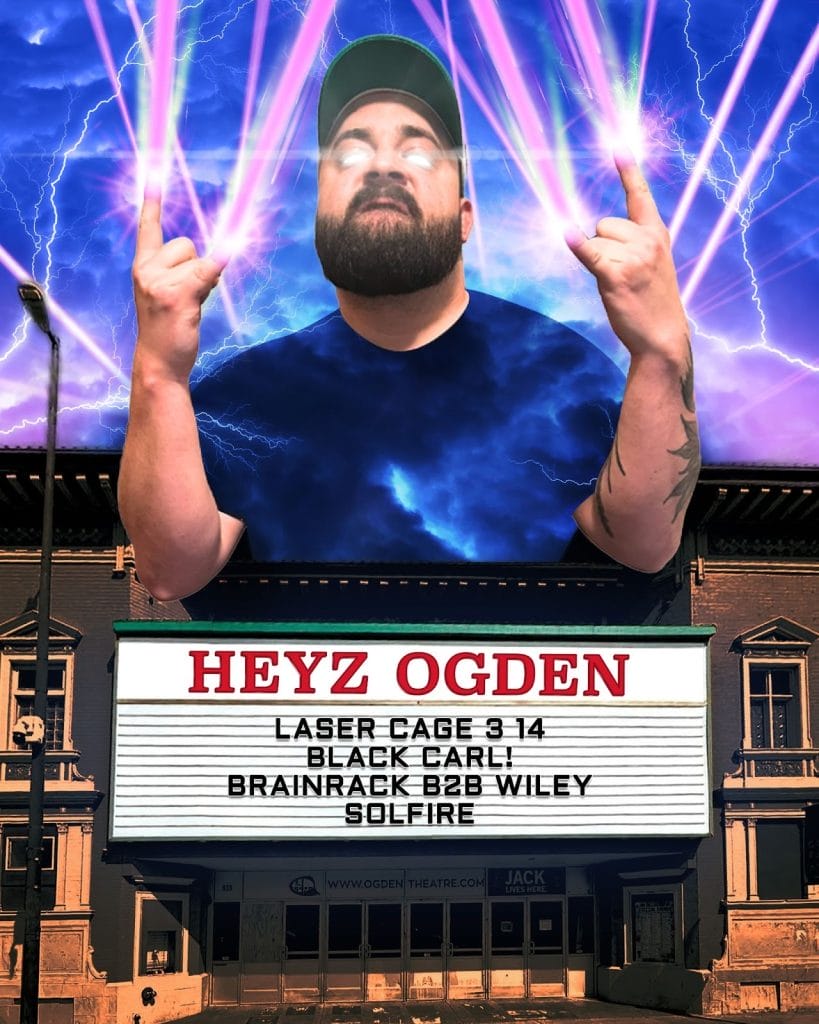
That momentum now leads into LASER CAGE, his most ambitious headline show yet, taking place March 14 at Denver’s Ogden Theatre as part of the HEYZ’d and Confused Tour. The event pairs his bass-heavy performance style with an elaborate laser production designed specifically for the venue. In this conversation, HEYZ reflects on what it feels like to navigate the booth in real time, how much planning goes into shaping a set, and why trusting instinct often creates the most memorable moments on the dancefloor.
Interview With HEYZ
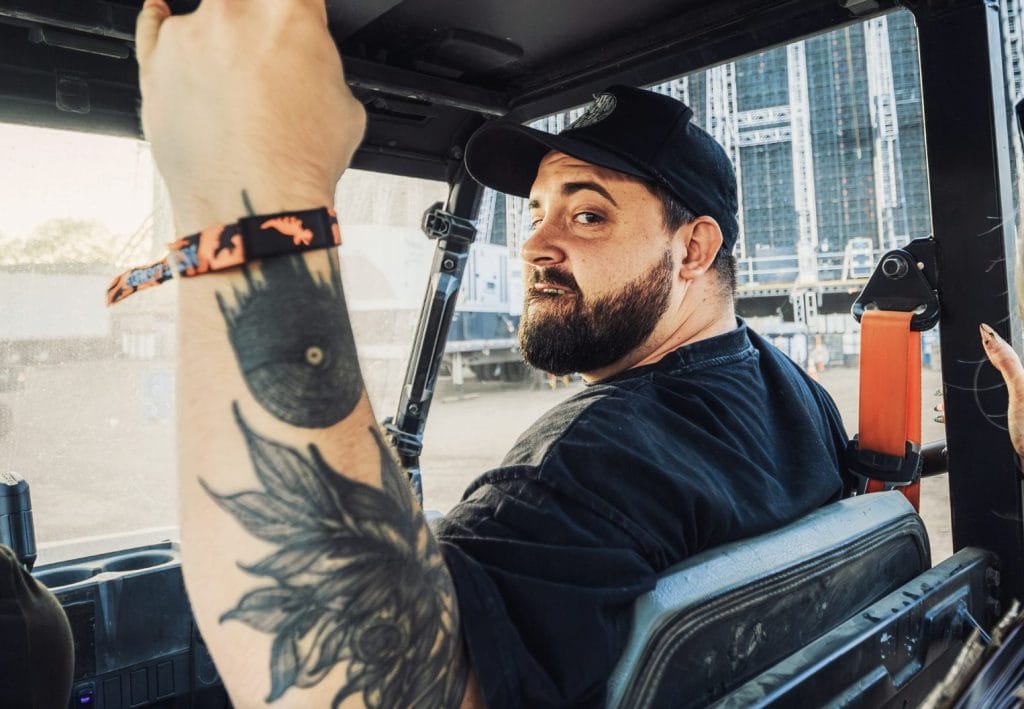
When you’re deep into a set, do you feel more like you’re controlling the energy—or riding it?
At the very beginning of my set I’m definitely trying to control the energy.
The first few tracks are about setting the tone and getting everyone into the world we’re all about to exist in for the next hour or so. But ideally, about 10 minutes in, that shifts. At that point I want to be riding the energy instead of forcing it like I’m bareback on a bull ya know, raw and feral. When the crowd is fully locked in, it starts to feel less like you’re taming the beast but you ARE the beast and you’re about to buck bass in their face and they’ll buck it right back.
Those are the moments where you get lost in the sauce the same way everyone else does, and the set becomes this shared experience rather than something you’re just executing.
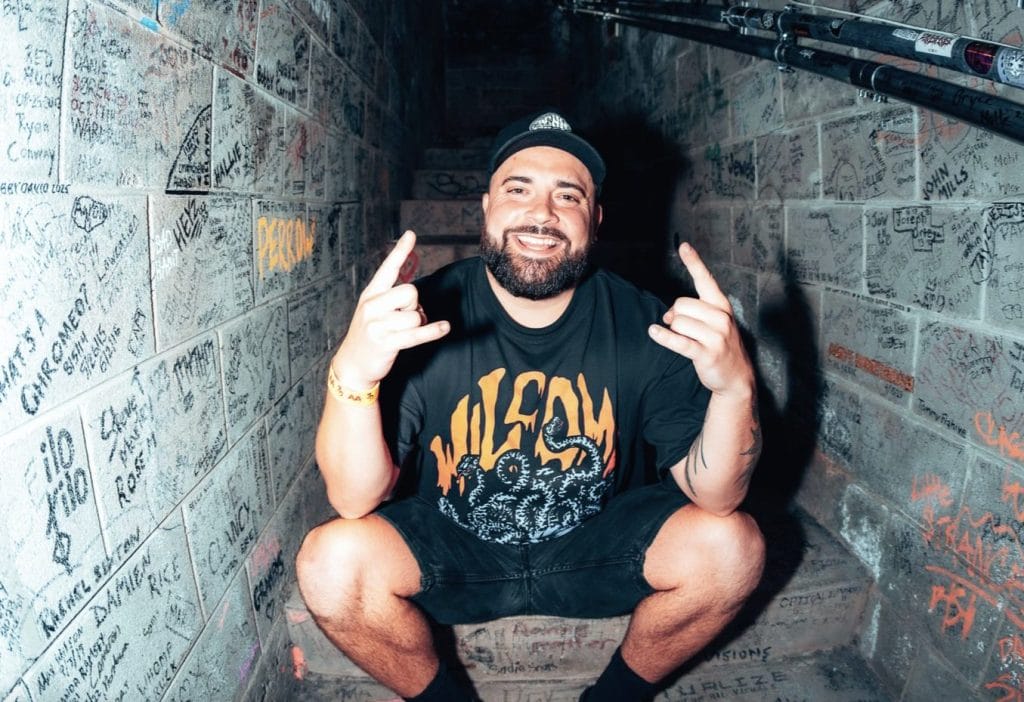
How much of your set is usually planned versus improvised, and has that balance shifted over time?
It really depends on the type of show.
If I’m playing a big theater show or a festival set, I usually plan the entire thing pretty carefully. I want those sets to feel intentional and dialed in, almost like telling a story from start to finish. When everything is mapped out, you can bring them up with big bangers then simmer them back down with more vibey stuff. Those super tight intentional moments that are harder to achieve when you’re freestyling. Over time I’ve gotten more comfortable improvising in smaller club settings, but for the big stages I still love crafting a full journey.
It lets me control the pacing and make sure every section of the set has purpose.
Have you ever had a moment where you let go of the plan and everything clicked in a new way?
Yeah, definitely. Even in a planned set there are moments where the crowd’s energy pushes you in a different direction. Sometimes you can just feel that people are responding to a certain vibe more than others, and you try and lean into that.
The key for me is adjusting without completely abandoning the identity of the set I want to deliver. When that balance works, those can end up being the most memorable moments of the night. It feels spontaneous but still cohesive.
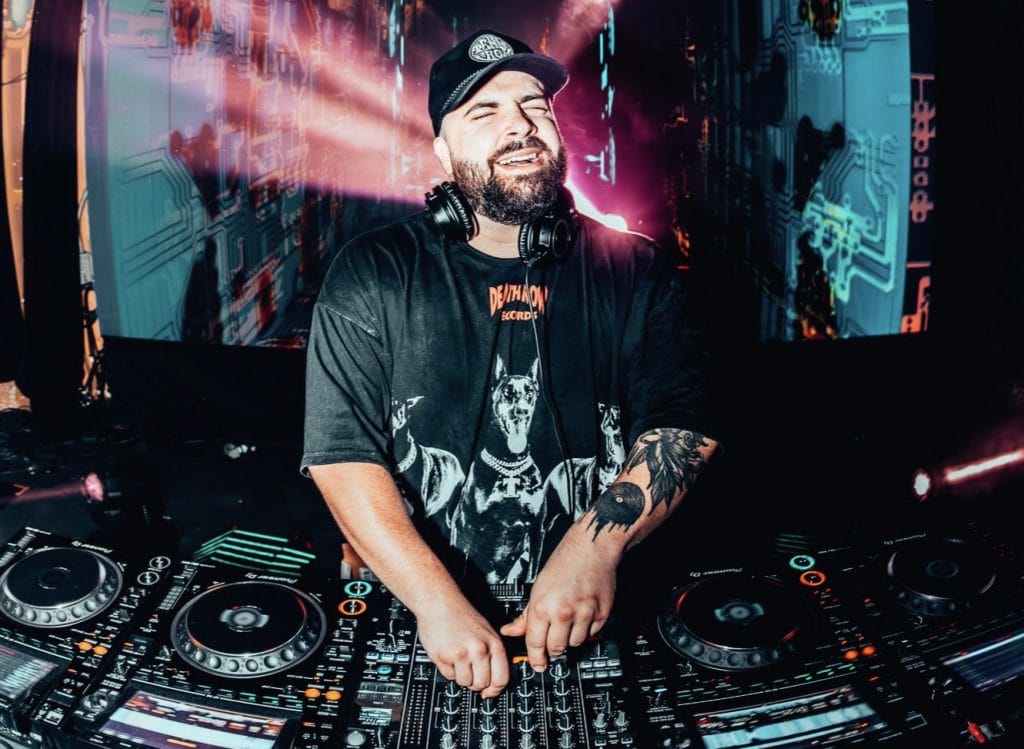
What does it take for you to trust your instincts in the booth—even if it means taking a big risk?
You gotta have CONFIDENCE!
Believe in your own taste and lean into your past experiences playing shows to understand how different crowds respond. The more you perform, the more you start recognizing patterns in energy and timing and identify how many wooks are in the crowd vs rager frat bros. Lately I’ve actually been trying to take more risks in my sets, playing weirder, more obscure tracks and leaning harder into what I personally find interesting as a musician.
Those moments can be a little intimidating because you don’t know exactly how people will react, or if you might catch a strat right hook from a dude named Kyle who wants you to play “Mo Bamba” but that’s also where the magic can happen, sorry bro. If it works, the crowd feels like they’re experiencing something unique instead of the same playlist they’ve heard everywhere else.
Do you think trying to control every moment can actually get in the way of connection with the crowd?
Not necessarily.
If you’ve built a really strong set and dialed it in over months, that level of control can actually enhance the connection with the crowd. It means you know exactly where the big moments are and how to deliver them effectively. The key is making sure that structure doesn’t make the performance feel robotic.
You still have to stay present and responsive in the moment. When the preparation and the live energy meet in the middle, that’s when it really works.
Have you ever had to pull things back because you realized you were pushing too hard or overthinking it?
Yeah, for sure.
Early on I played a random direct support slot for Hardwell and his tour manager told me I needed to chill out a bit, which was pretty funny because I was just playing Techno and not ripping HOL! or anything. Weird times, why was I playing with Hardwell? I’ve also gone through phases where I felt like I needed to pack my sets with as much big mainstream stuff as possible because I assumed that’s what the crowd wanted. But sometimes it’s actually the opposite.
People go to shows hoping to hear something unexpected, tracks they haven’t heard in every other DJ’s set that weekend. When you take some risks and the crowd really connects with it are the ones that feel the most special.
What helps you stay open to the moment when the pressure to “deliver” can feel so high?
Honestly, I try to remind myself before every set that I’m always going to be my own biggest critic.
The crowd isn’t analyzing every tiny detail the way a DJ is in their own head. Once the set gets going, the goal is to reach that flow state where the transitions feel second nature and you’re not thinking about every technical step anymore. When that happens, you start focusing more on the overall performance and the energy in the room rather than the mechanics of mixing. I’m not up there like James Hype or anything but I know what the basic knobs do.
When I am one with those knobs, that’s when it’s most lit. But yeah, those are the sets where I have the most fun, leave the most sweaty, and usually the ones people remember the most.

Will Vance is a professional music producer who has been involved in the industry for the better part of a decade and has been the managing editor at Magnetic Magazine since mid-2022. In that time period, he has published thousands of articles on music production, industry think pieces and educational articles about the music industry. Over the last decade as a professional music producer, Will Vance has also ran multiple successful and highly respected record labels in the industry, including Where The Heart Is Records as well as having launched a new label with a focus on community through Magnetic Magazine. When not running these labels or producing his own music, Vance is likely writing for other top industry sites like Waves or the Hyperbits Masterclass or working on his upcoming book on mindfulness in music production. On the rare chance he's not thinking about music production, he's probably running a game of Dungeons and Dragons with his friends which he has been the dungeon master for for many years.