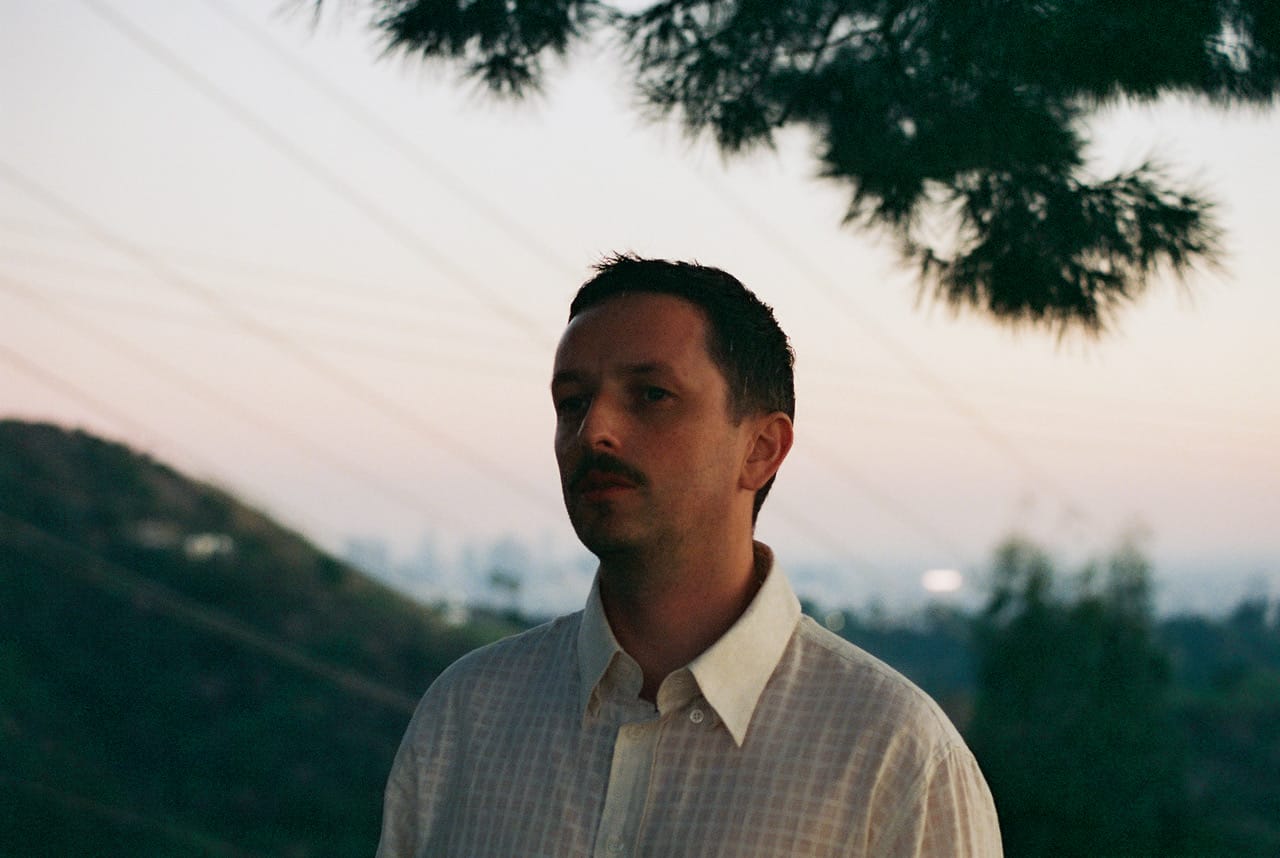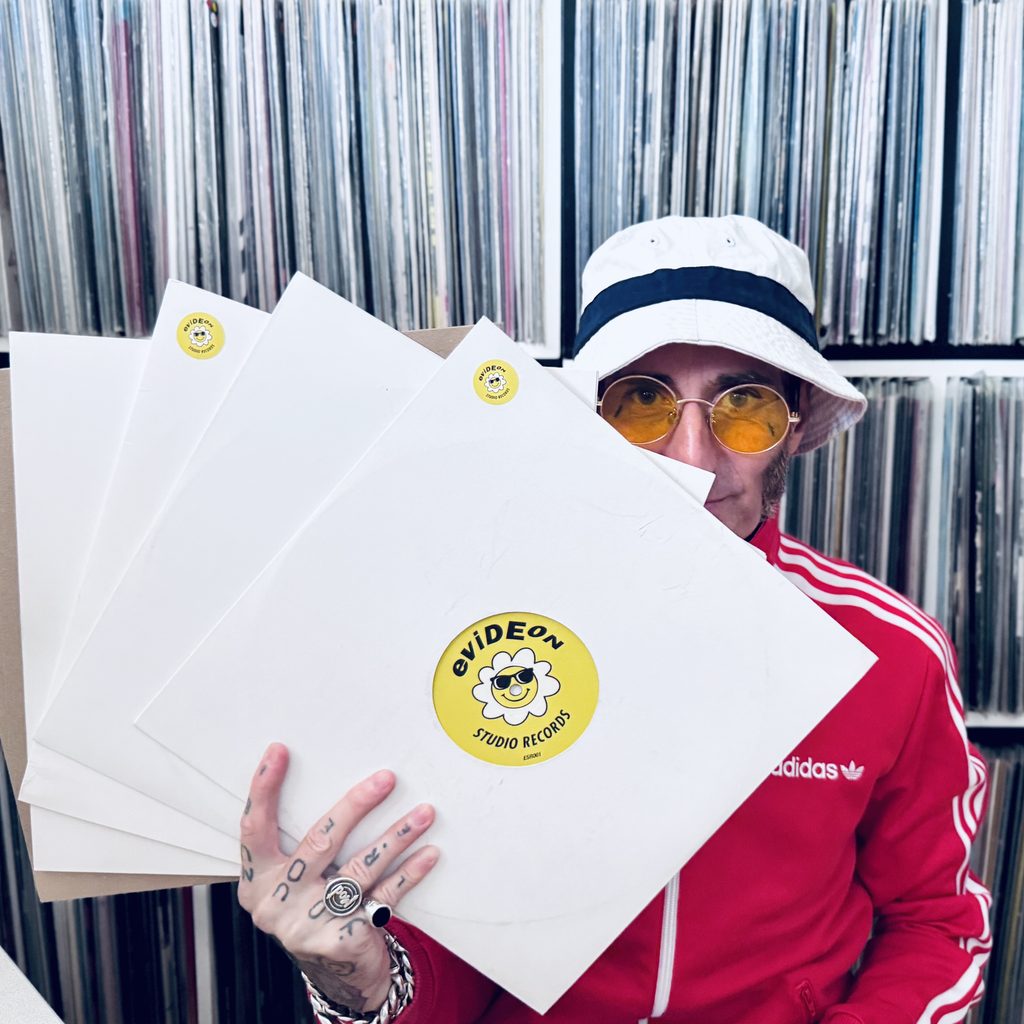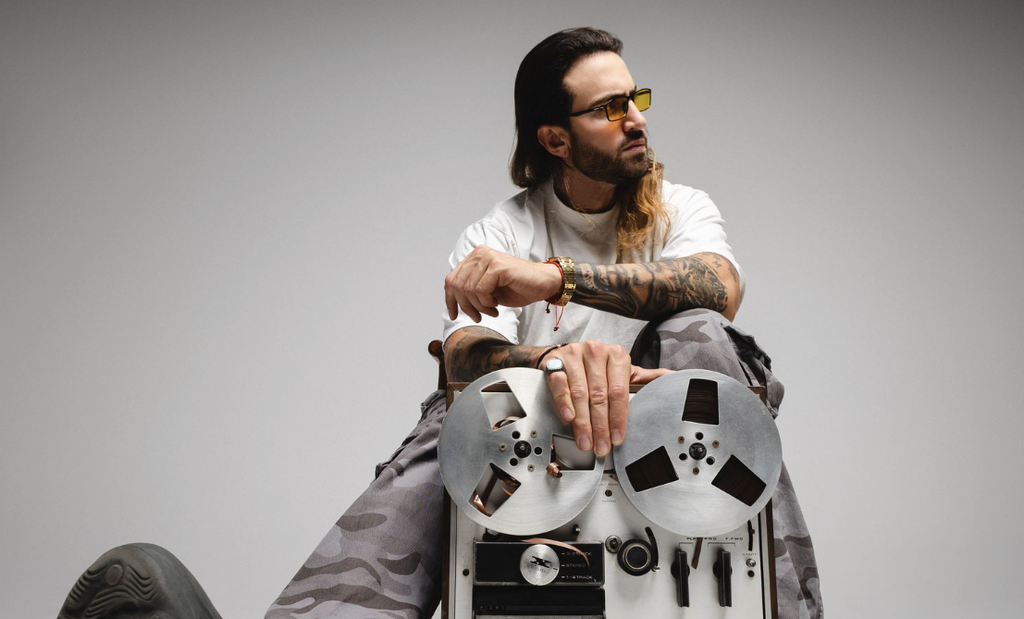
SimbaSōl had been building a lane that sits comfortably between club function and melodic writing, and “Open Arms” felt like a clear signal that he wanted range in his catalog without losing identity. The materials around the record pointed to multiple versions, including one connected to Timo Maas, plus plans for a vinyl pressing and a remix as part of the wider rollout, so the intent read like a full release campaign rather than a one-off single.
What made this interview useful was how plainly he explained the gap between what an audience experiences as spontaneity and what a DJ experiences as preparation. He talked about visualizing the room, digging for the right records, and studying music with focus, then using that groundwork to stay responsive once the night starts making decisions for you. He also described the moment when a plan stops helping, and a DJ has to pivot mid-set without letting anxiety take over the booth.
He kept coming back to presence, restraint, and trust, and he framed “push and pull” as a practical skill, not a slogan. When he noticed himself overthinking, he described resetting, simplifying, and returning to the groove, and when the pressure to deliver crept in, he focused on intention and connection instead of performance.
Taken together, his answers read like a working method for staying consistent over time while still taking real risks when the room calls for it.
Interview With SimbaSōl
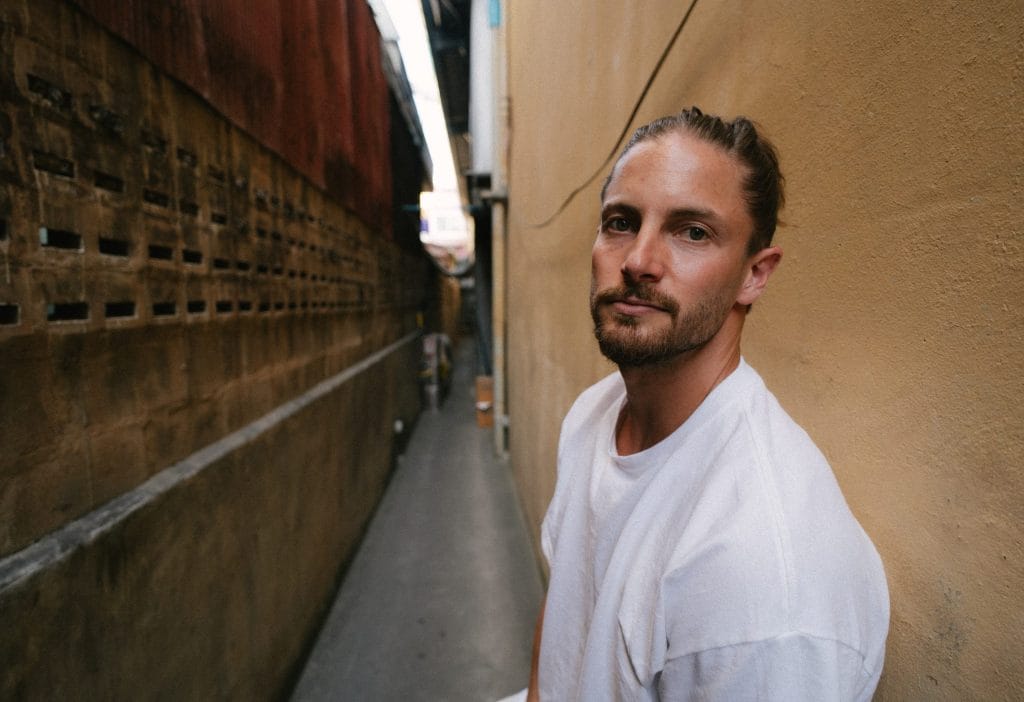
When you’re deep into a set, do you feel like you’re controlling the energy, or riding it?
If you grip anything too tightly, it can fall apart. The best approach for me is staying present and responding to the room’s momentum as it changes.
My intention is to stay loose and focused, because that helps me make honest, effective decisions. When I stop trying to force outcomes and I stay receptive, the direction becomes clearer and the room responds in a stronger way. In those moments, it feels like a shared exchange between me and the dance floor.
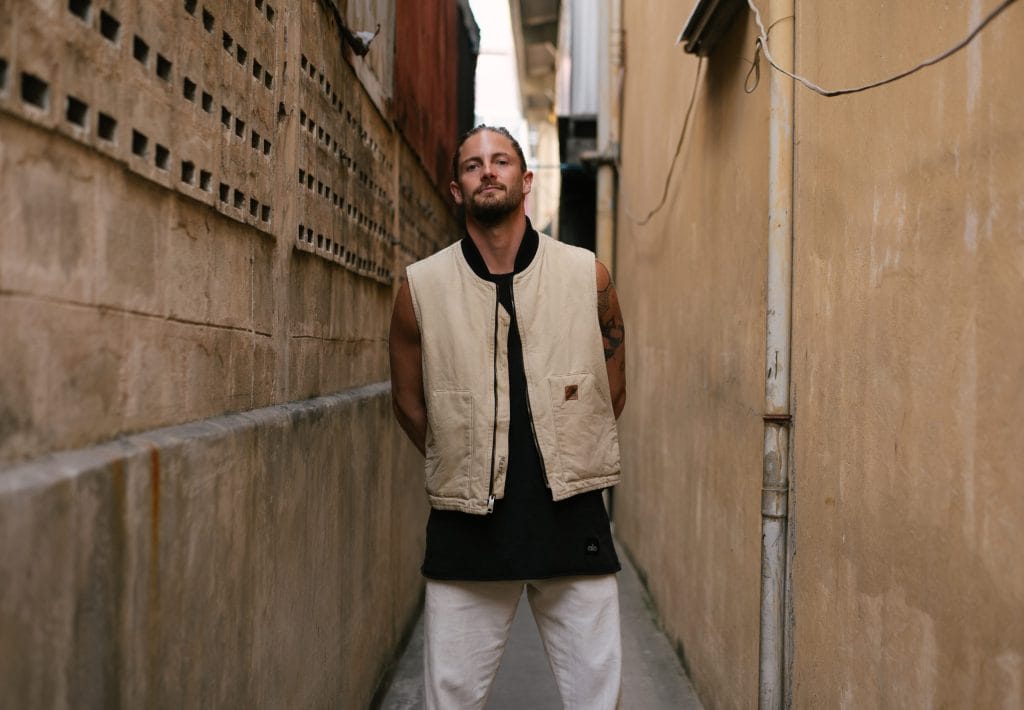
How much of your set is planned versus improvised, and has that balance shifted over time?
Making it feel improvised comes from a lot of work beforehand.
My preparation for every set follows the same pattern: I visualize the room, I dig for the right tracks, and I study the music closely and intentionally. With that foundation, I can play in a way that feels spontaneous, because the structure is already built through hours of solo preparation. Over time, I realized that deeper preparation gives me more freedom to improvise in the moment. From the outside it can look unplanned, but for me it rests on a deliberate internal structure.
Have you had a moment where you let go of the plan and everything clicked in a new way?
Yes. Reading the room and sensing the direction to take can mean moving away from the original plan.
When everything follows the plan, that can feel good, and when I pivot hard mid-set, it raises the stakes for everyone. Those moments can feel vulnerable, and they can also create a stronger connection on the dance floor. In hindsight, those risks often become the sets I remember most.

What does it take for you to trust your instincts in the booth, even if it means taking a big risk?
For me, trusting instinct is part of staying connected to myself.
If I show up from a place of care, and I stay tuned into the dance floor, I follow my intuition. That trust comes from being calm in the moment and building confidence over years of experience and repetition. The more I listen internally, the quieter doubt gets. When I watch other DJs, what moves me is seeing someone commit fully to their read of the room without hesitation.
Have you had to pull things back because you realized you were pushing too hard or overthinking it?
All the time. Sets involve a constant push and pull. My goal is to push boundaries enough to raise the room’s energy, then pull back before the next rise.
That tension and release keeps a set from becoming overwhelming or one-dimensional. Overthinking shows up when I disconnect from the room instead of feeling it. When that happens, I reset, simplify, and return to the groove.
What helps you stay open to the moment when the pressure to “deliver” can feel so high?
How I feel internally tends to predict how things go externally.
Over the years, the pressure dropped as I leaned into humble confidence and real enjoyment in the booth. Before I start playing, I remind myself why I do this: to share care and add value to people’s lives through music. That intention grounds me and shifts my focus away from performance anxiety. We’re there to connect and enjoy together, so I try to keep ego and pressure from interfering with something meant to feel human and communal.

Will Vance is a professional music producer who has been involved in the industry for the better part of a decade and has been the managing editor at Magnetic Magazine since mid-2022. In that time period, he has published thousands of articles on music production, industry think pieces and educational articles about the music industry. Over the last decade as a professional music producer, Will Vance has also ran multiple successful and highly respected record labels in the industry, including Where The Heart Is Records as well as having launched a new label with a focus on community through Magnetic Magazine. When not running these labels or producing his own music, Vance is likely writing for other top industry sites like Waves or the Hyperbits Masterclass or working on his upcoming book on mindfulness in music production. On the rare chance he's not thinking about music production, he's probably running a game of Dungeons and Dragons with his friends which he has been the dungeon master for for many years.