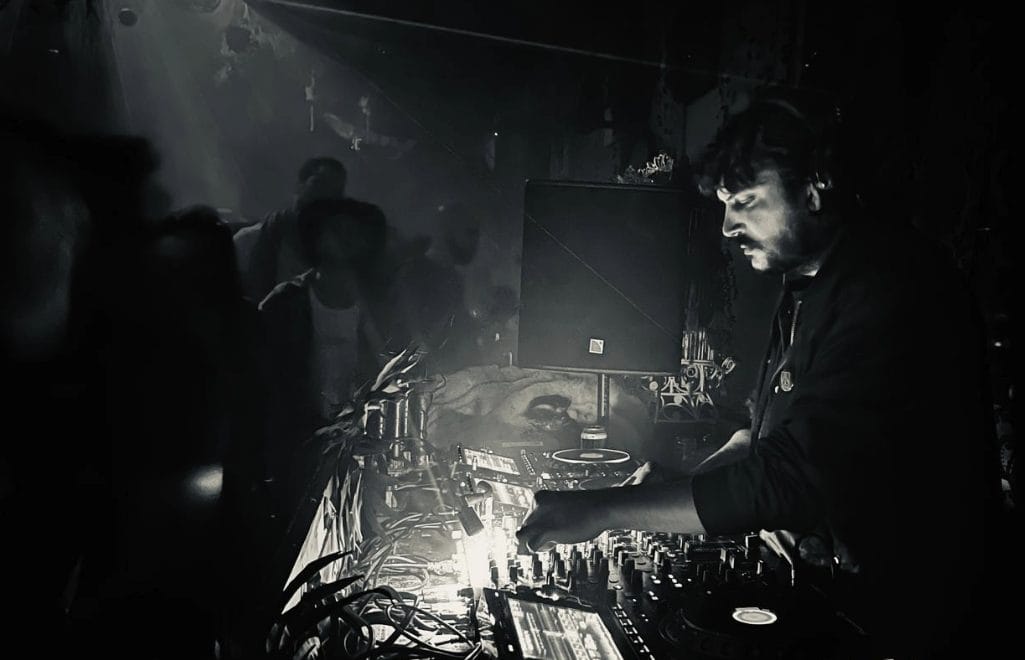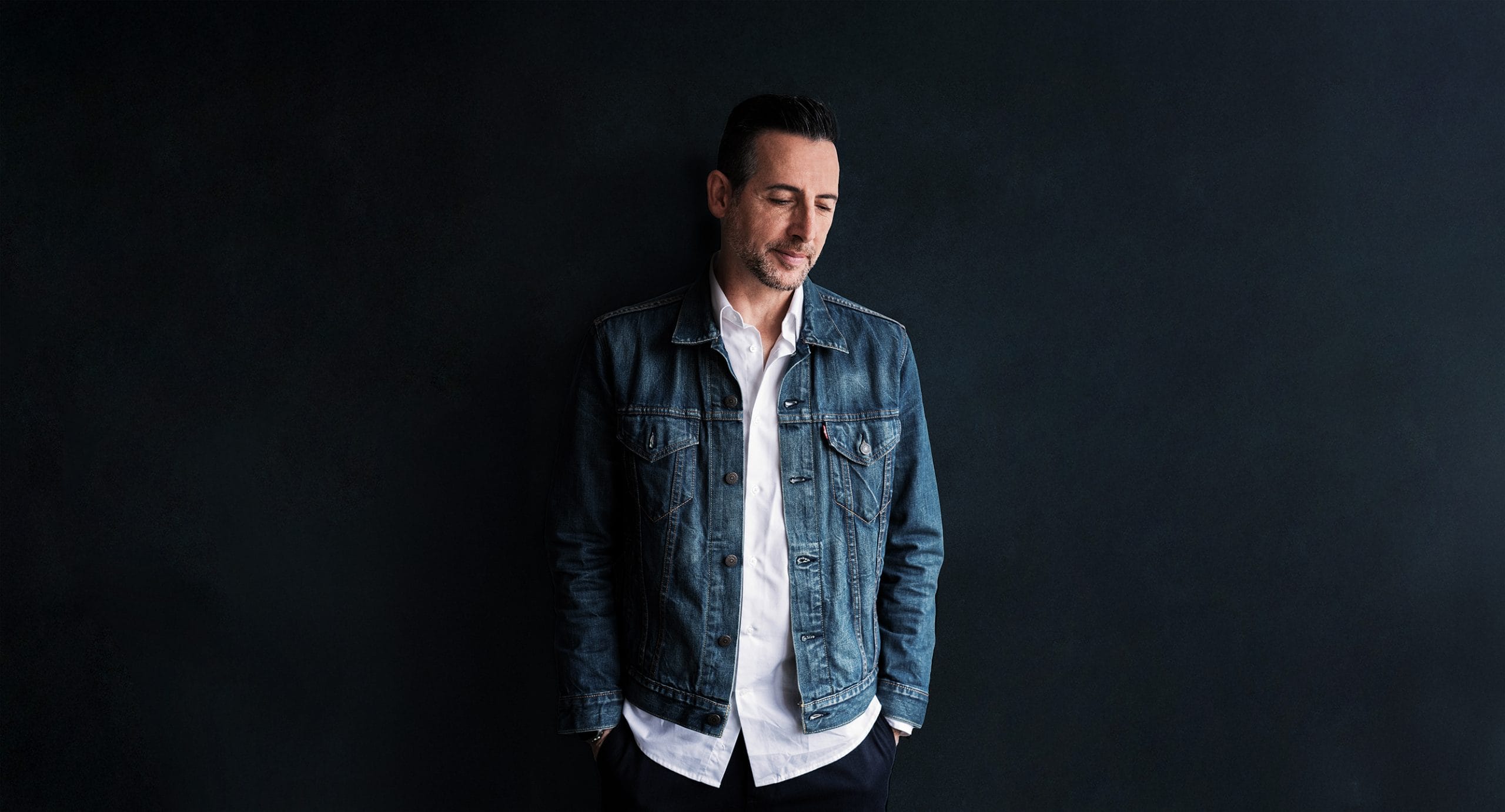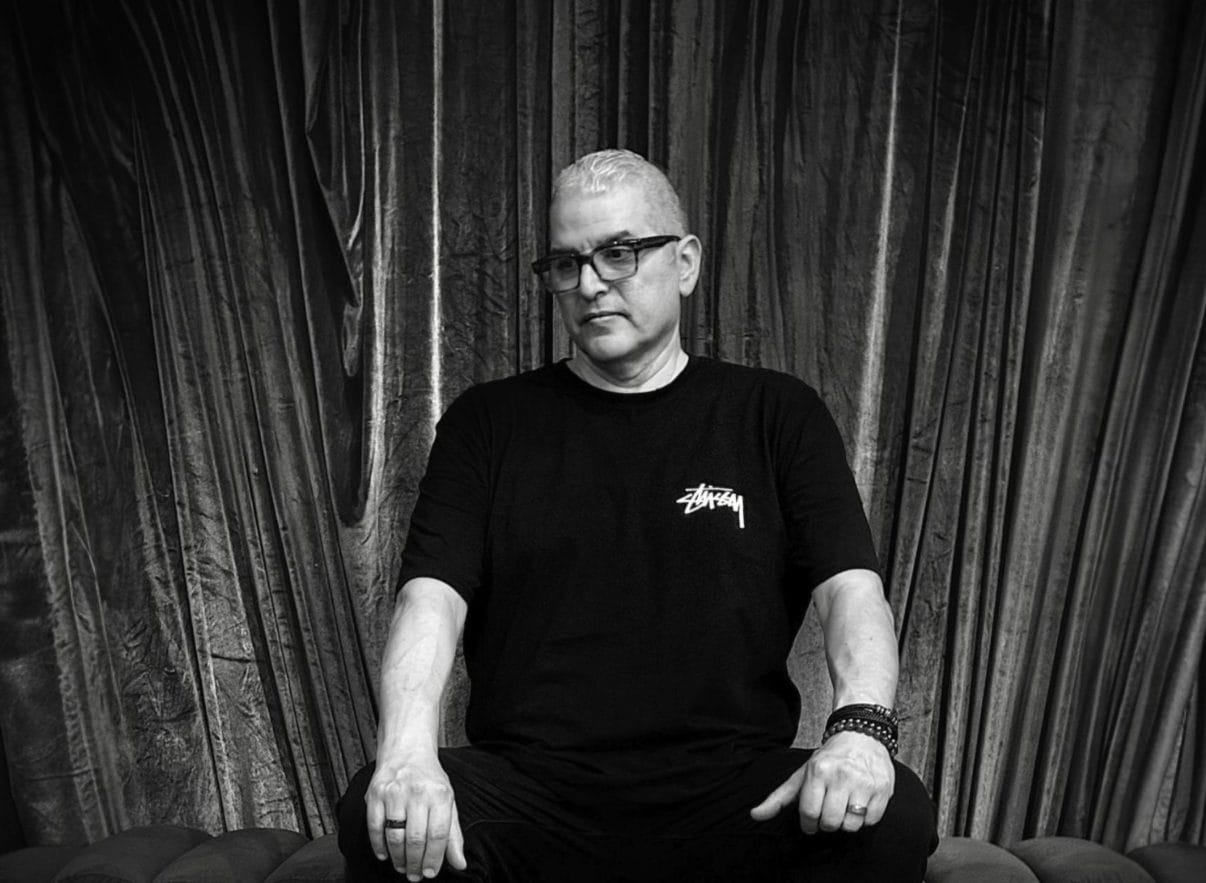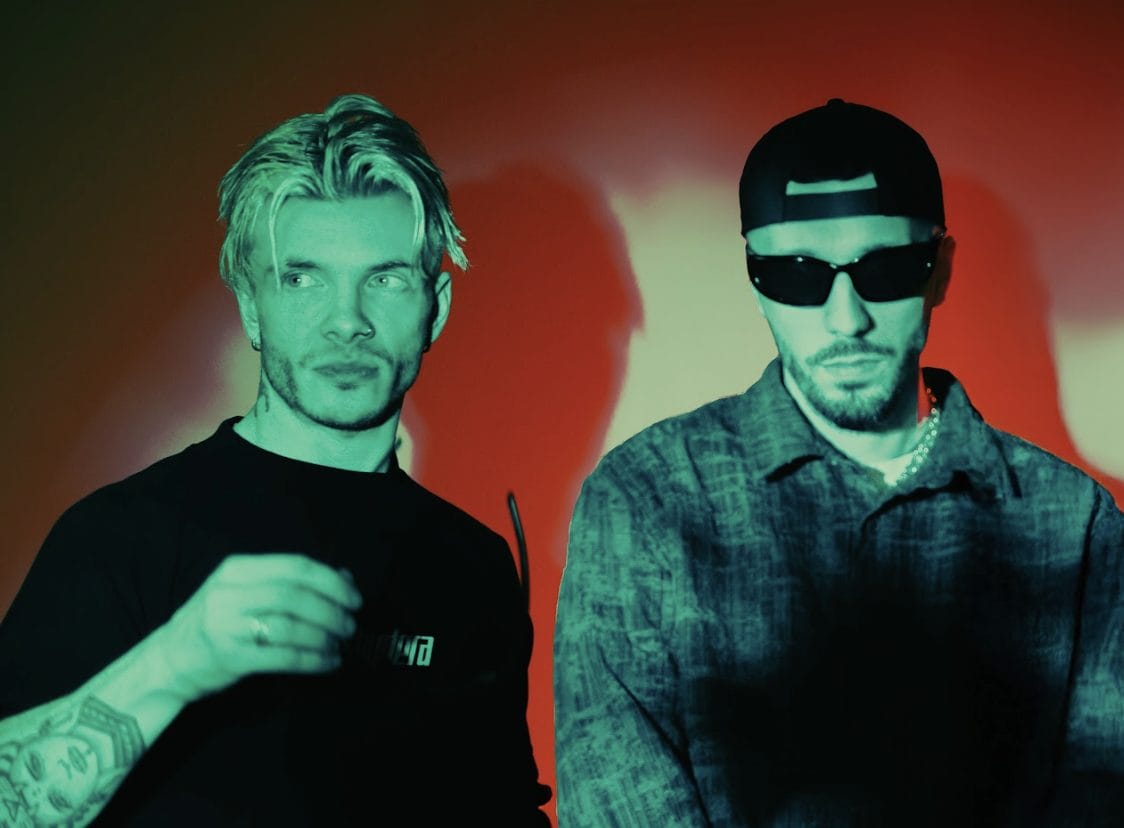
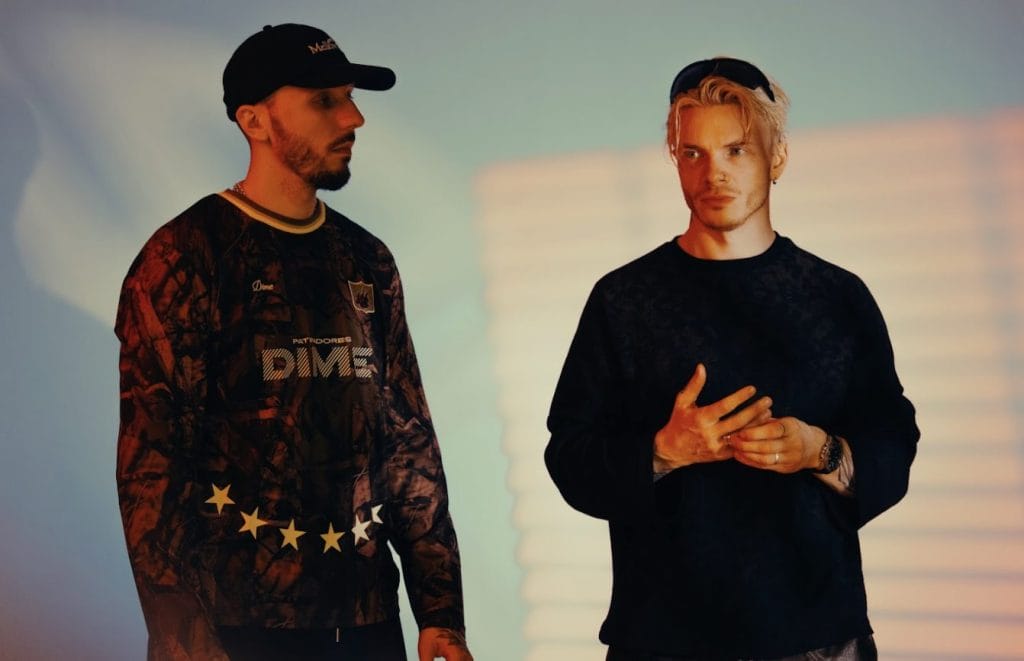
Mia Mendi had kept building a clear identity as a duo by treating collaboration as part of the writing process, and their various works with TH;EN sat right in the middle of that. “Angel Wings” on Dynamic extended a fresh partnership with Skuro, you can hear the benefit of familiarity in how the track concept stayed focused, with the vocal carrying the personality while the arrangement did the job of moving a room.
When I asked them about creative circles and partners, they did not talk in abstract terms; they talked about decision-making.
Meti described collaboration as a way to raise intention behind each part of a track, and James described it as a pressure test for how a record feels across different environments. They were also direct about editing, framing growth as learning what to leave out, then building tension, space, and pacing with purpose.
That mindset also showed up in how they described public presentation.
They treated artwork, branding, and rollouts as extensions of the music, and they framed changes as alignment rather than reinvention. When you read the interview straight through, you get a consistent theme: independence through instinct and connection through community, with collaboration as the bridge between the two.
Interview With Mia Mendi
Was there a connection or collaboration that meaningfully expanded your path?
Meti: Certain collaborations have definitely expanded how we think when writing and producing music. Working with artists like TH;EN, for example, has pushed us to think more about emotional weight and atmosphere, not function. It naturally raises the bar in terms of intention behind every element in a track. You become more aware of what actually makes something resonate beyond the groove.
James: Exactly. It’s made us more conscious of how a record feels in bigger environments as well as intimate ones. You start paying more attention to space, tension, and how moments land across different settings. It’s less about stacking ideas and more about knowing what to leave out. That shift has probably been one of the biggest evolutions in how we write.
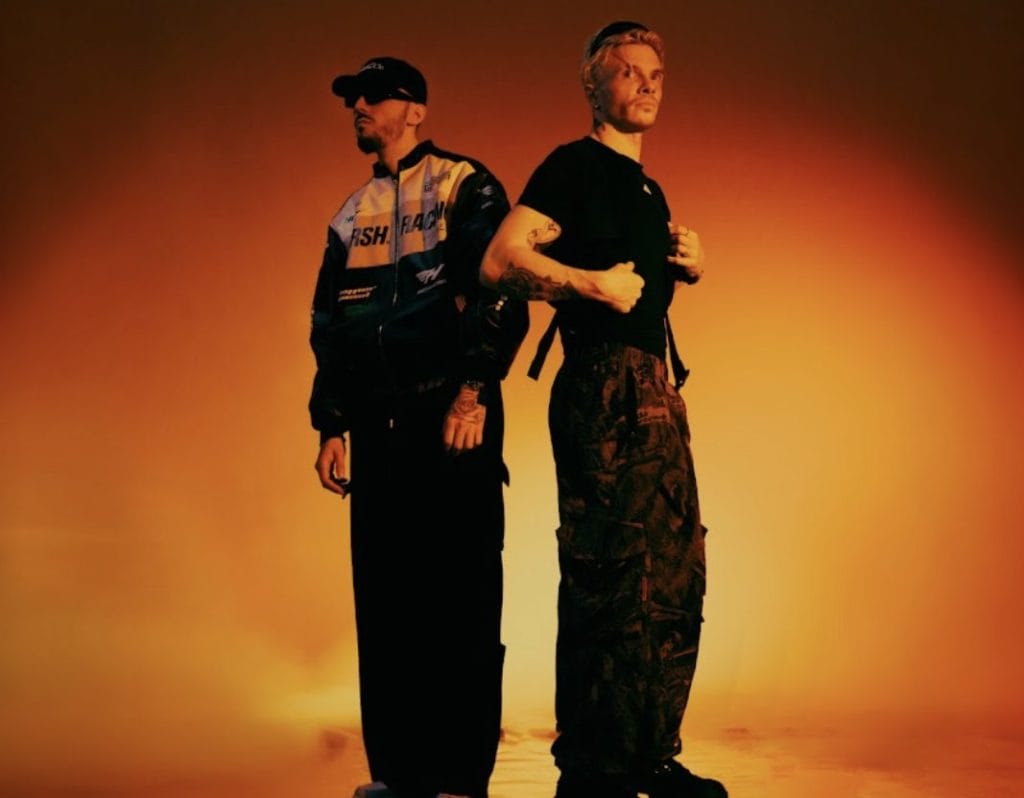
What qualities matter most to you when choosing collaborators or creative partners?
James: Clarity of vision is really important. If someone understands their sound and where they want a record to sit, the process feels natural. It avoids second-guessing and lets things move more intuitively. You can focus on building something together seamlessly rather than figuring out what it’s supposed to be.
Meti: Yeah, and trust. When you’re shaping something together, you have to trust each other’s instincts about what works sonically, emotionally, and how that translates on a dancefloor. That trust lets you take risks without overthinking every decision. It’s usually where the best ideas come from.
How do you recognize when a circle still aligns with who you’re becoming?
Meti: You feel it in the conversations. When people are thinking forward creatively and pushing themselves, it naturally aligns. There’s a sense of momentum rather than things standing still. That energy is hard to fake.
James: And you see it reflected in the music. The right circle encourages growth without it feeling forced. You’re evolving because it feels natural, not because you’re trying to keep up. That’s usually the clearest sign you’re in the right environment.
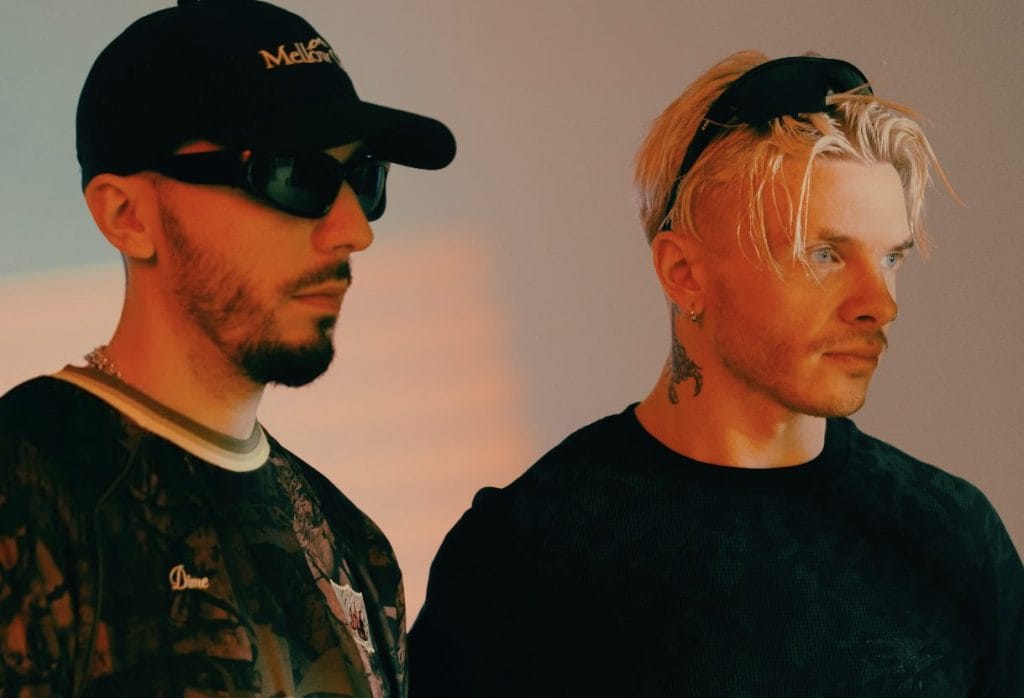
In what ways have your creative relationships shaped how others perceive your work?
James: Collaborations have helped show the range in our sound. Some records lean more melodic and atmospheric, others more direct and peak-time. It gives us space to explore different sides without losing identity. People start to understand the full spectrum of what we do.
Meti: Yeah, it gives listeners a fuller picture of our production capabilities. Different collaborations highlight different sides of our identity. It also keeps things fresh for us creatively. Each project brings a slightly different perspective into the process.
Have there been moments where you refined your public presence to better reflect your evolution?
Meti: Definitely. As the music evolved, we wanted the visuals and presentation to evolve with it, artwork, branding, release rollouts. It’s all part of the same space, so it needs to feel connected. Otherwise it starts to feel disjointed.
James: It wasn’t a dramatic shift though. It was more about alignment, making sure everything surrounding the music felt cohesive. The sound led the direction, and everything else followed naturally. When that alignment is right, it feels effortless.
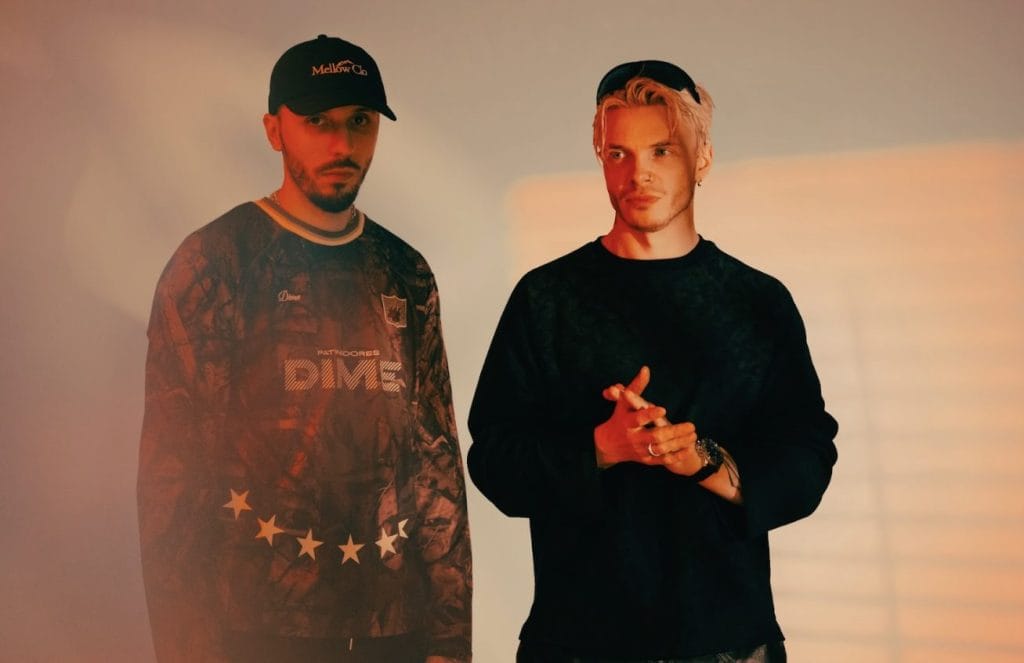
How do you maintain independence while staying connected to community?
James: Independence for us means trusting instinct. Not chasing trends, focusing on what feels authentic. That’s what keeps the music honest over time. It also makes decisions a lot clearer.
Meti: And community keeps everything grounded. The scene, collaborators, audiences, it’s all connected, so it’s about balance. You’re part of something bigger, but still moving in your own direction. That balance is what keeps it sustainable.

Will Vance is a professional music producer who has been involved in the industry for the better part of a decade and has been the managing editor at Magnetic Magazine since mid-2022. In that time period, he has published thousands of articles on music production, industry think pieces and educational articles about the music industry. Over the last decade as a professional music producer, Will Vance has also ran multiple successful and highly respected record labels in the industry, including Where The Heart Is Records as well as having launched a new label with a focus on community through Magnetic Magazine. When not running these labels or producing his own music, Vance is likely writing for other top industry sites like Waves or the Hyperbits Masterclass or working on his upcoming book on mindfulness in music production. On the rare chance he's not thinking about music production, he's probably running a game of Dungeons and Dragons with his friends which he has been the dungeon master for for many years.