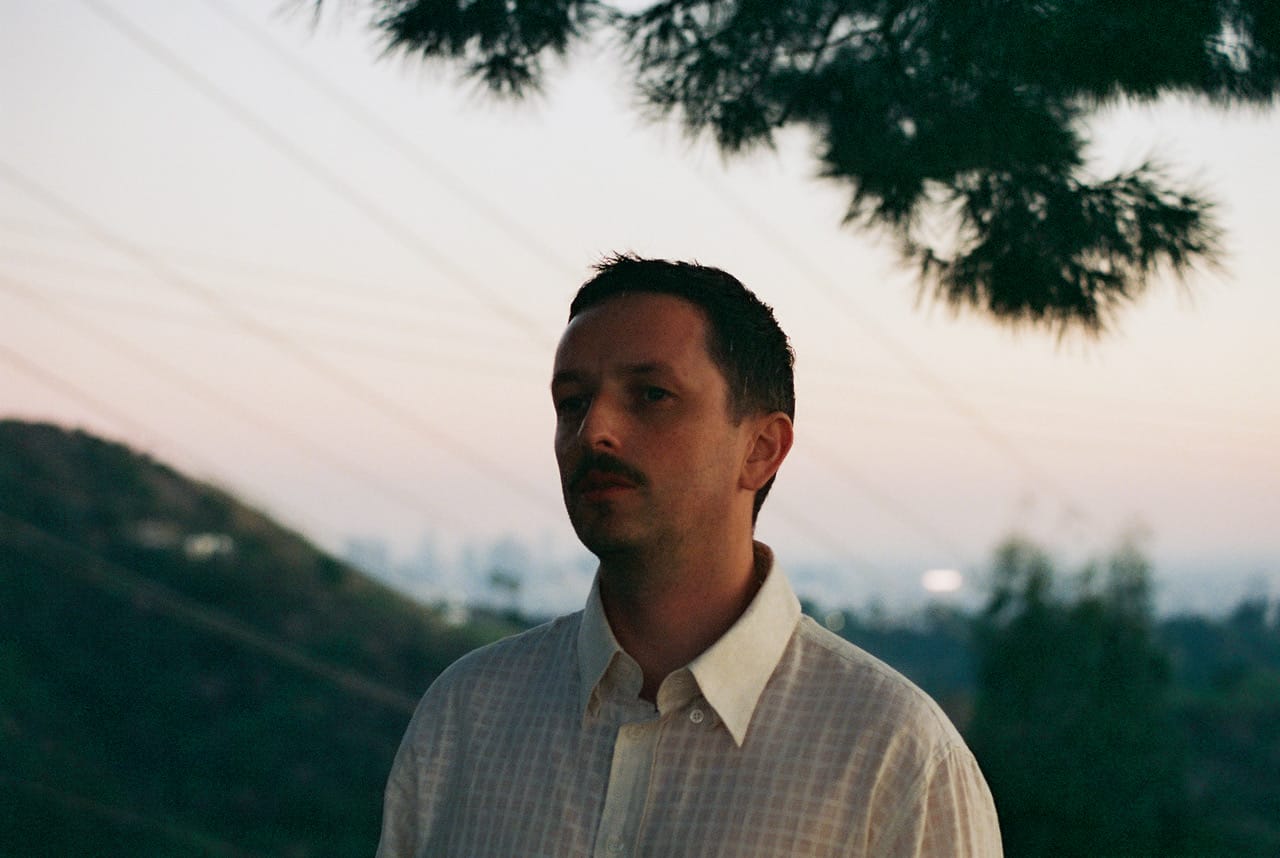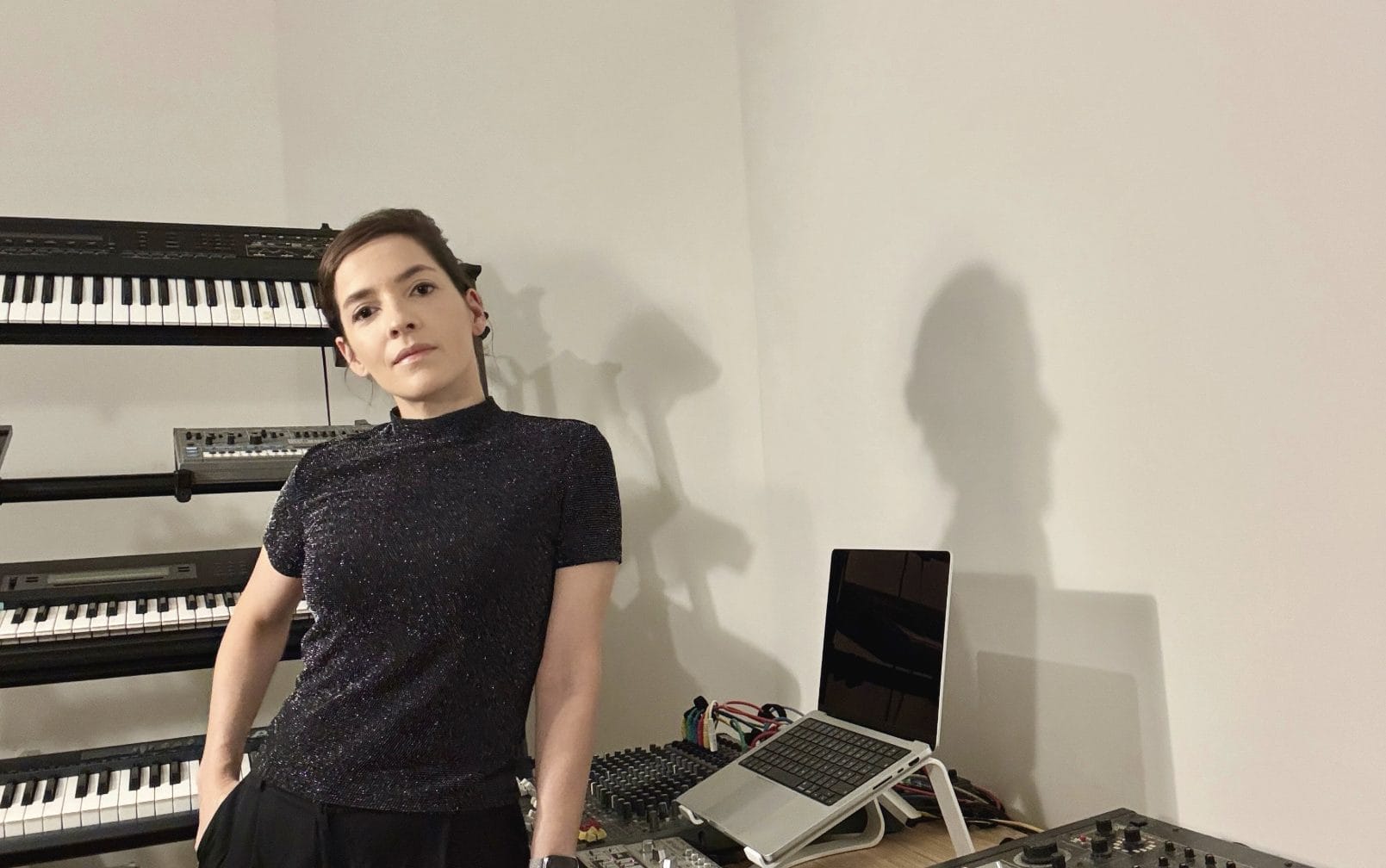
Azo’s new EP on RSPX arrived with the same focused energy she brings to every project. The release moved between warm pads, steady drum programming, and precise synth lines that feel intentional without trying to chase a trend. Each track locked into its own identity, and Astral Combination sat right in the center of that flow, driven by her approach to classic hardware and the way she shapes movement inside her mixes.
This project marked an important moment for her, and the production details showed how much care went into every layer. She blended analog tools, subtle processing choices, and hands-on performance touches that kept the track grounded in her style. The result felt clear and direct, and the studio decisions behind it give a solid look at how she builds her sound.
With that in mind, here is the full breakdown of her workflows and the tools she used to bring Astral Combination to life.
TB-303
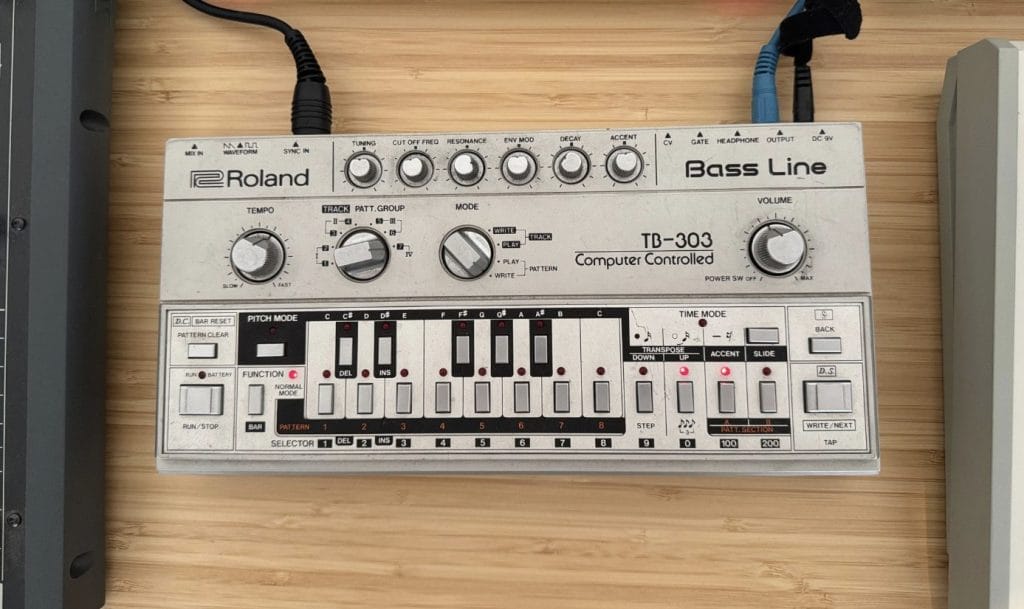
The TB-303 is my favourite instrument. It was created in 1981, with only 10,000 units produced between 1981 and 1984. It’s a monosynth with a built in sequencer that has a resonant filter, slide, and accent controls, giving it its iconic acid sound. I’m a fan of vintage synths, and the analog character of the TB-303 is part of what makes it so special.
I choose some notes from the chords of the synths of the track and then randomize the octave, slide, and accent until I find a melody that works. Once that’s set, I record a live take while moving the cutoff, resonance, and modulation knobs. I add a short delay for movement and a few automations on the sound level when it’s too driving. Jean from Greenhouse Studio, in charge of my mixes, adds effects like Decapitator or Culture Vulture for distortion, sometimes using an octaver for extra low end. I don’t do my own mixes, even though I’m a sound engineer, He brings a fresh perspective to mix of my tracks.
I’ve spent hours comparing different clones, plugins, and even original TB-303s to find the sound I wanted. There are great clones and plugins to reproduce the 303 sound. The Roland Cloud 303 has amazing presets with built in distortions and delays. Behringer’s TD-3 and TD3-MO, a remake of the modified TB-303 called Devil Fish, are solid too, as long as you don’t push the highs too much, you can find several tutorials to modify the voltage so make it sound like the original Tb-303. Always keep moving cutoff, resonance, and modulation while playing; that’s what makes the sound truly acid.
Korg M1
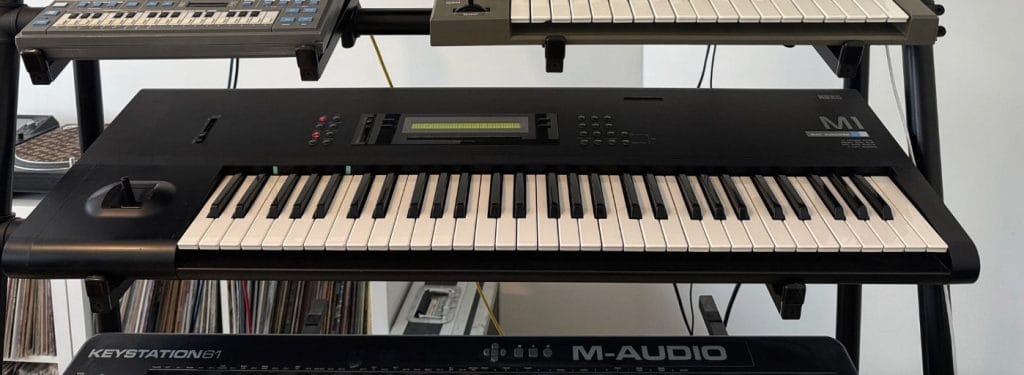
This is the synth I use the most. It has all the classic ’90s dance sounds, from lush strings to house pianos and organ, and it’s been used to create most of the dance hits from that era. For this track, I’m using the “Stereo Strings 1” preset. I wanted this synth so much that I transported it from Paris to Brussels by foot and train in its flightcase, which weighed 30 kg.
I just hold an octave across multiple bars to bring that ’90s house feeling. No automation is needed. Jean from Greenhouse Studio adds drive, reverb, and sometimes subtle sidechain, avoiding a pumping effect. The goal is to preserve the original character while fitting it perfectly in the mix. Using just one or two notes often makes a bigger impact than overplaying. This approach keeps the track simple and clear.
If you can’t afford the hardware, there is a great Korg M1 plugin. One or two notes with different presets can create a powerful track. I also use the House Organ preset for organ basslines and the Stereo Piano for piano rave riffs that you can hear in my “First Light” track out on Manual Smiles. Doubling with an octave adds richness to the spectrum without cluttering the mix. The M1 is digital, which contrasts nicely with my analog synths like the RD-9 and TB-303.
RD-9
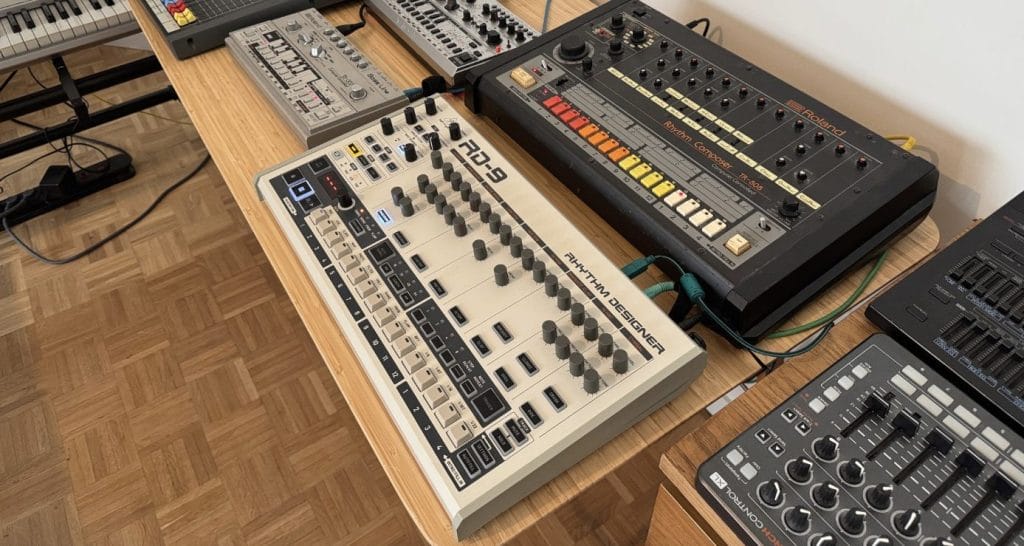
Most of my drums are done with TR-909 clones or plugins, and I mainly use the RD-9. It’s punchy, precise, and very close to the original TR-909, which is iconic for house and techno and has that classic bouncing sound. This drum machine has a unique way of creating rhythms of the Detroit techno era, and it lets me tweak snare, kick, and hi-hats in real time. I love layering it with samples to add depth.
I don’t automate the drums much, mainly adjusting snappiness and tone on the snare for trance style rolls. I layer the snare with an Alesis sample that has a gated reverb effect. For the kick, I layer a TR-808 to add sub.. I keep most of the drums in mono to maintain their power.
For house or trance producers, the RD-9 is a great drum machine. Small automations like snare tone or decay, or occasional hi-hat openings, make rhythms dynamic. Keeping things simple helps the drums breathe while staying strong.
System-1
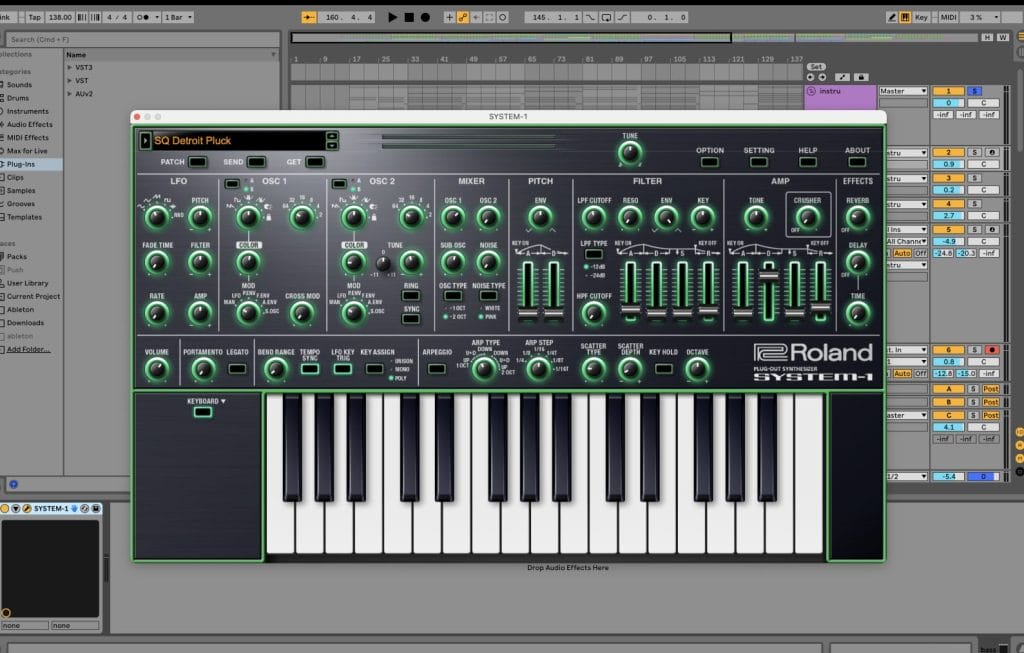
I use the System-1 with the Detroit Pluck preset for house basslines. It has multiple detuned oscillators that create a rich, house sound. Adding a short delay gives motion without overpowering the low end. This synth is a replica of the iconic Roland System 100 but is simpler to use in this version.
No automation is used on this bass to keep it powerful. I use only two notes for the strongest low end presence. I also use other presets like Human Love Language or Aurora Space Station to create deep sub basses. Detuning the oscillators slightly and adding a short delay gives energy while keeping the mix clean. This minimal approach keeps the bass tight and impactful.
The System-1 is perfect for punchy basslines. As the melody is quite simple, it’s better to create a complex rhythm to make a dancefloor track. Small adjustments with the envelope help keep the bass rhythm tight.
Quick Fire Hot Takes About The Industry
Hot Take 1:
Don’t overcomplicate your track. Music can breathe when you leave space.
Hot Take 2:
Working closely with engineers and other producers elevates the track beyond what you can do alone.
Hot Take 3:
Send your tracks, different inputs help you make a great track.
Hot Take 4:
You don’t need a lot of gear to produce. A computer with a DAW is an infinite source of possibilities.
Hot Take 5:
There is still not enough diversity represented among producers, and we should encourage addressing this.

Will Vance is a professional music producer who has been involved in the industry for the better part of a decade and has been the managing editor at Magnetic Magazine since mid-2022. In that time period, he has published thousands of articles on music production, industry think pieces and educational articles about the music industry. Over the last decade as a professional music producer, Will Vance has also ran multiple successful and highly respected record labels in the industry, including Where The Heart Is Records as well as having launched a new label with a focus on community through Magnetic Magazine. When not running these labels or producing his own music, Vance is likely writing for other top industry sites like Waves or the Hyperbits Masterclass or working on his upcoming book on mindfulness in music production. On the rare chance he's not thinking about music production, he's probably running a game of Dungeons and Dragons with his friends which he has been the dungeon master for for many years.