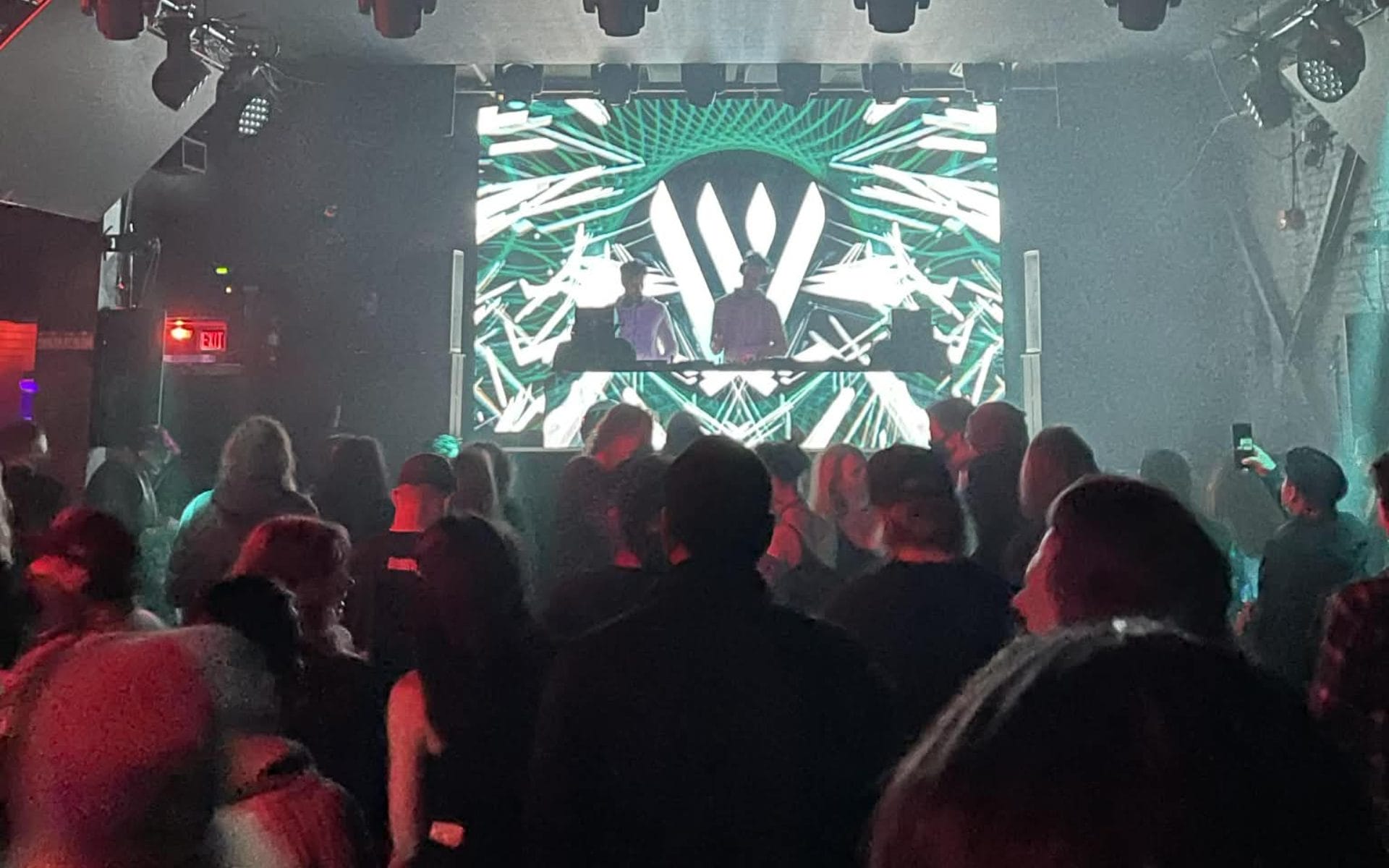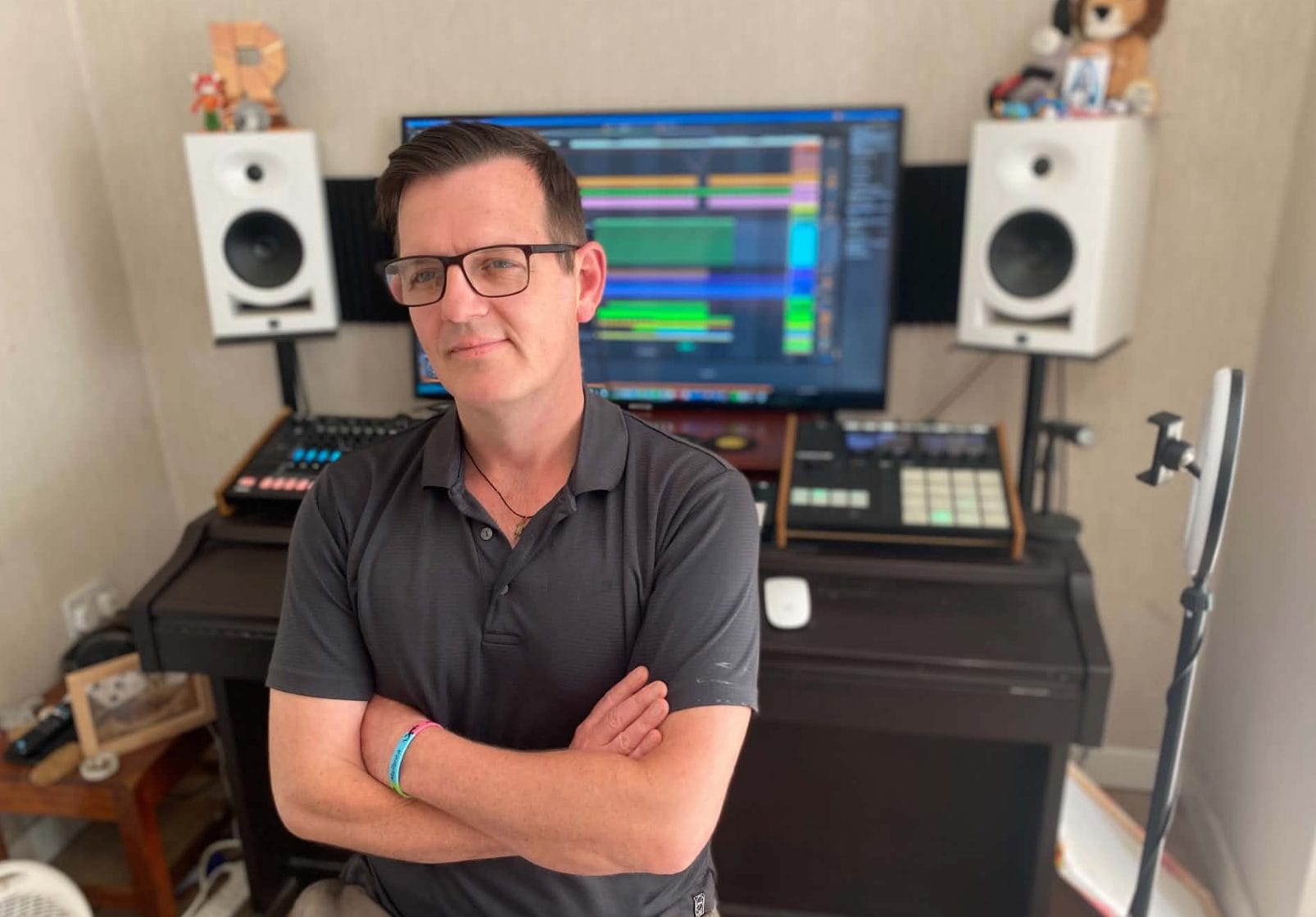
Artist Shots Cred: Sheva Kafai
LEISURE’s new single Diamonds marks another step in the group’s ongoing evolution, setting the tone for their album Welcome To The Mood, which dropped September 12 through Nettwerk Music Group. The track feels rich and focused, built around the warm analog sound that has always been part of the band’s identity. Recorded in a more live, organic environment, it captures the relaxed precision that defines LEISURE’s approach to songwriting and production.
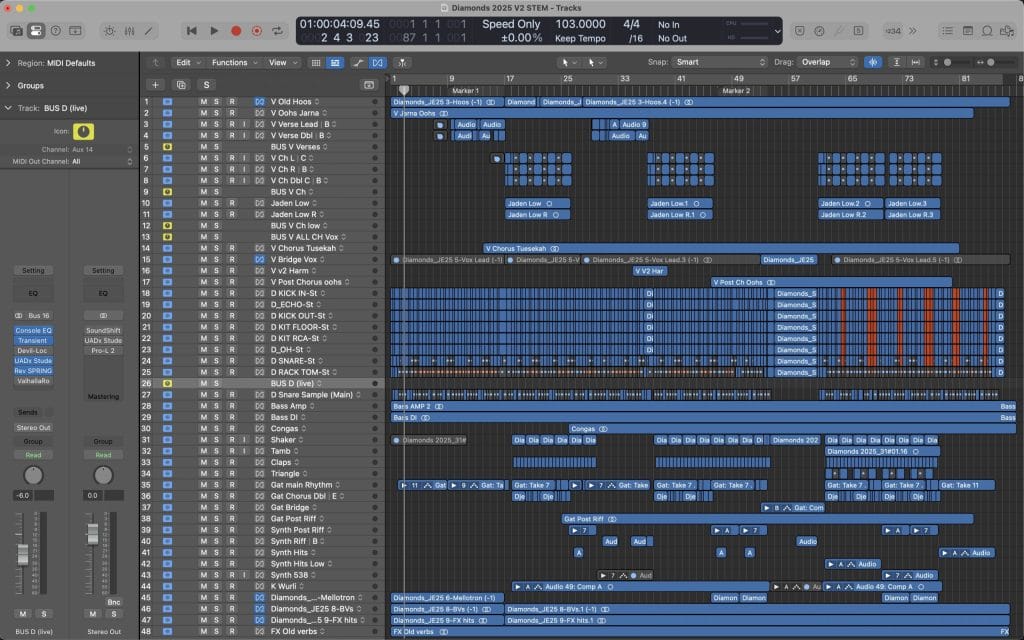
The band’s decision to move toward live instrumentation gives Diamonds a steady, grounded feel. Every detail feels intentional, from the soft percussion to the glowing synth textures. It builds slowly and confidently, drawing you into the same laid-back rhythm that has carried through their catalog since the beginning. There’s a sense of calm in the way it unfolds, a reminder that LEISURE’s strength has always come from restraint and attention to tone.
In this How It Was Made feature, Jordan Arts walks through the tools and decisions that shaped Diamonds. He shares how the Prophet 10 became central to the song’s melodic layers, how saturation and texture were added with Soundtoys Decapitator, and how the UAD Galaxy Tape Echo and Arturia Spring 636 brought a sense of space and movement to the mix. It’s a look into the way LEISURE craft their sound through feel, subtle color, and small details that give each track its personality.
Prophet 10
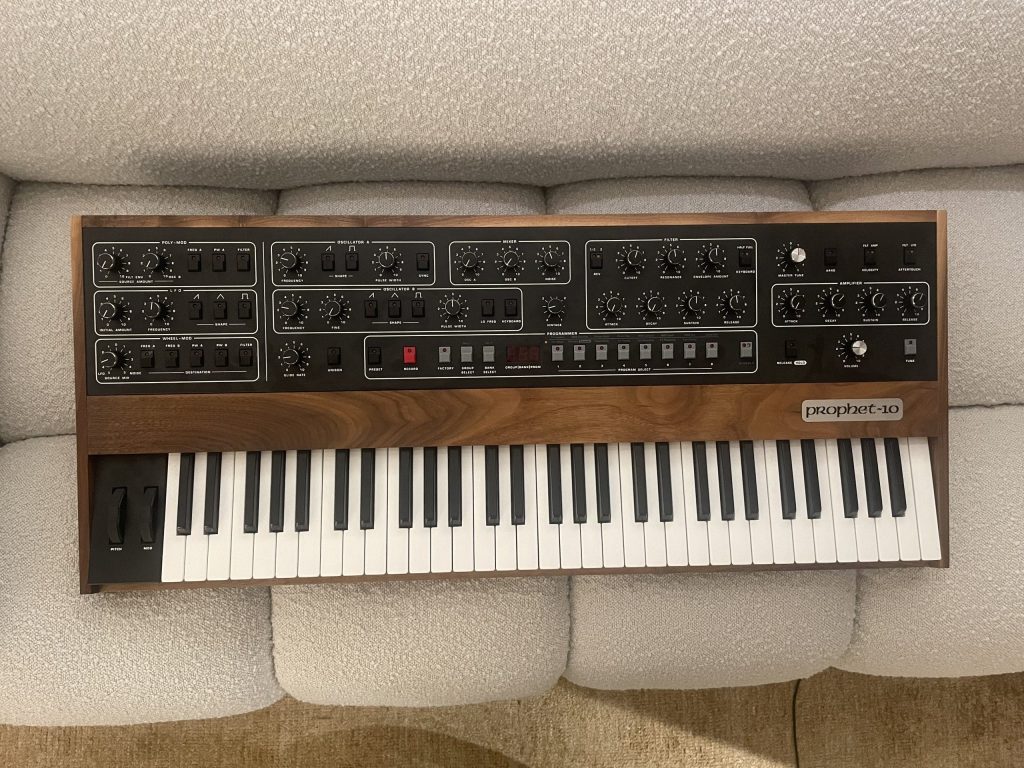
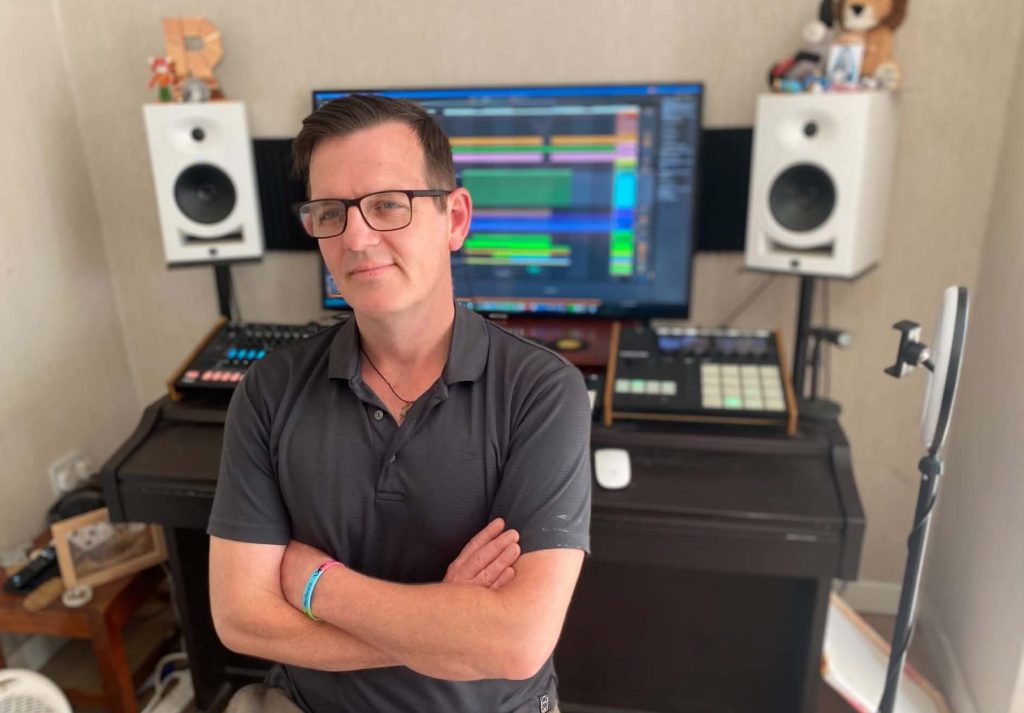
Earlier in the year I bought myself this beauty as a ‘studio-warming’ gift – I had converted my garage at home into a studio and I was looking for a bit of kit to be my main polyphonic synth. I had always loved the sound (and look!) of the Prophet so I didn’t take much convincing – it’s an investment I kept telling myself, plus it’s an absolutely essential bit of kit to help finish off the album (it’s not! But it is very nice to have). It’s capable of super warm, classic analog pads and leads but it can get spacey and weird or aggressive and nasty if you need it to.
There are no in-built effects like in other Prophet models but it really comes alive once you put it through some reverb or delay. I think this might have been the first song I used it on so I went a bit overboard at first and ended up dialling it back for the finished song. We doubled up the post chorus guitar line with a plucky part to thicken it up, added a counter melody part to the second verse and a simple outro part that felt sparkly and shimmery (like a diamond!). I usually have an idea of the sound I’m after in my head but I’m a shameless preset surfer and once I find a sound that I like I can tweak it until it’s exactly what I’m after.
More often than not I’ll stumble across something that inspires me to go in a different direction or gives me an idea for something else. For the outro sound I used patch 255 – I love the way the filtered noise feels like a long reverb tail. I added a touch of Valhalla vintageverb (on the default setting of course) and Arturia Mello-fi for a little more quiver and tone shaping. I also resampled it and chopped out one of the notes and used it in the post choruses to accent the riff which I thought sounded cool. I love the ‘vintage’ knob which can give a bit more life and movement to a sound – it creates variants in the tunings, envelopes and filter responses which can make it feel more alive. I find the sweet spot is usually around 9 o clock, after that it starts getting a bit wobbly for me.
Sometimes for lead sounds I’ll record 4 or 5 of the same note in a row and then resample the one that has the perfect attack and chorus phase. That’s the blessing and the curse of these analog synths – you never quite get the same thing twice! It’s also good practice to keep a record of which patches you use in case you need to replay parts or revisit things later. Another great thing about the Prophet is that the filter can be used to self-oscillate. Just turn the other oscillators off and crank the resonance, make sure the ‘Keyboard’ button on Osc B is on and you get basically a sine wave which is perfect for smooth pads – put a bit of glide on and pitch modulation and you’ve got a lush modern-yet-vibey keys sound.
I love the U-he Repro 5 plugin version of this too, I still use it a lot and I think it sounds fantastic.
Soundtoys Decapitator
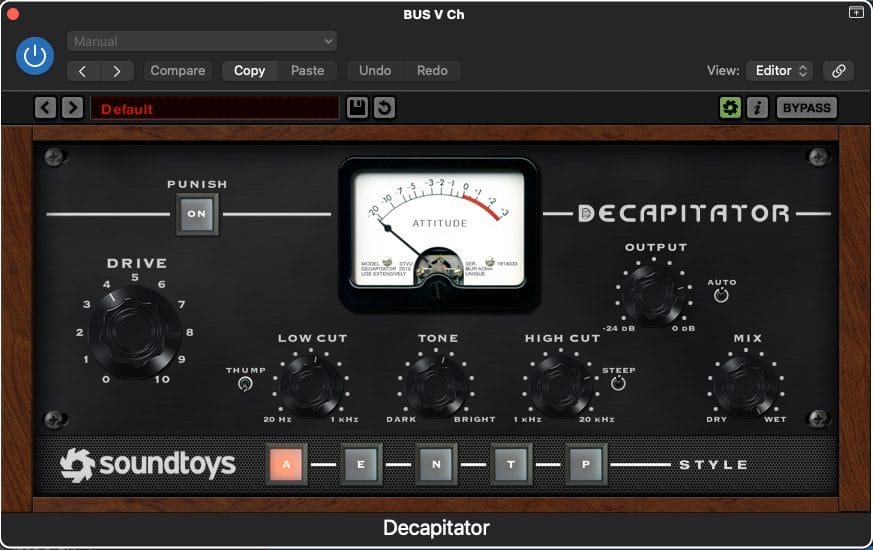
Definitely one of the top 3 most used plugins in the LEISURE sessions. It’s officially a saturation plugin but I reckon that undersells what it can do. You can use it to add grit to guitars or fuzz up a bass line, it’s perfect for crunching up drums and distorting vocals – you can really push it and get some extreme sounds. It can take something quite sterile and really give it character and soul.
I love using it for tone shaping – we used it here on the vocals to burn off some of the high and low end and drive it a little bit on the ‘A’ style setting which is modelled after an Ampex 350 tape machine. A trick I sometimes use is to put it on an auxiliary channel and roll off the highs and lows, turn up the drive and send some of the bass to it to really get the midrange cutting through on small speakers. Great for 808’s.
In this song it’s also on the shaker – always run your shaker through a saturator! It just sounds better, trust me.
UADx Galaxy Tape Echo
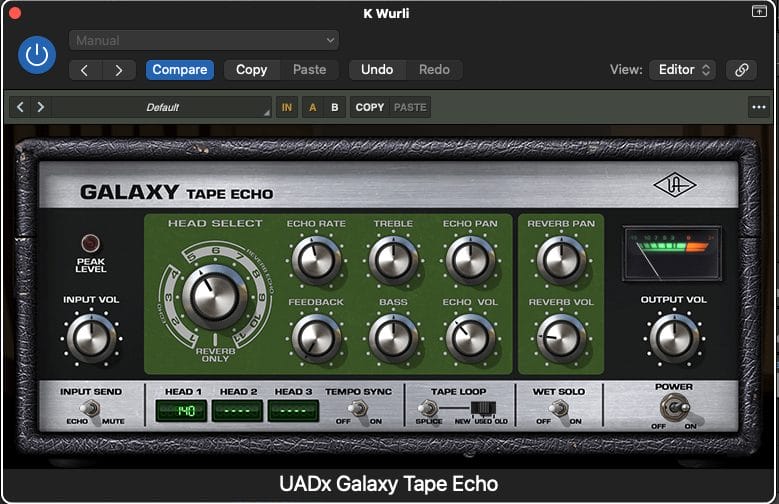
A few years ago I bought a beaten up old Roland Re-201 Space Echo and absolutely loved running everything through it. It’s a tape echo which works by recording an input sound on a short loop of 1/4″ analog tape using a record head and then replaying it at different times using different configurations of 3 playback heads.It doesn’t have the fidelity of a super clean digital delay, it can get quite warbly and mangled depending on the quality and age of the tape but that’s why we love it! It also has a spring reverb which you would have heard on countless dub records (although I find it a little dark and muddy most of the time). The problem was although it looked cool my hardware unit kept breaking down and I had to get it fixed and serviced all the time – one day I got sick of it and went searching for a plug in version.
The UAD Galaxy tape echo was able to give me a very similar sound and also add some extra features that you don’t get on the original. We’ll often use it on lead sounds, guitars and vocals but in this track we just had it tickling the Wurlitzer piano part ever so slightly. It’s just a slight slap with no feedback and a bit of the reverb, I’m using it here to just put it in a bit of space. The feedback (or ‘intensity’ on the original unit) is famously delicate, you can get incredible feedback delay tails which you can then modulate by adjusting the rate knob for some crazy spacey effects.
I’d recommend not syncing the bpm to your session, as tempting as that might be. The best results come from dialling it in manually by adjusting the rate and playback head selector. Having it ever so slightly rushing or dragging can make a huge impact and again make it feel more natural and vibey. It’s perfect for creating atmospheres too – you can run a single one shot through it and crank the feedback and verb knobs, turn the rate down and then resample the tail.
Another favourite trick of mine on the hardware unit is to use delay mode 5 and use the instrument input (with the selector switch turned to ‘echo’). Put a dummy jack into the ‘From PA’ input to mute the dry signal and turn the intensity to 0. This essentially allows you to use the 1/4″ tape without the delay which is perfect for driving (mono) drums or vocals through!
While you can’t beat playing around with the real thing, this plugin is so much more convenient and quick.
Arturia Spring 636
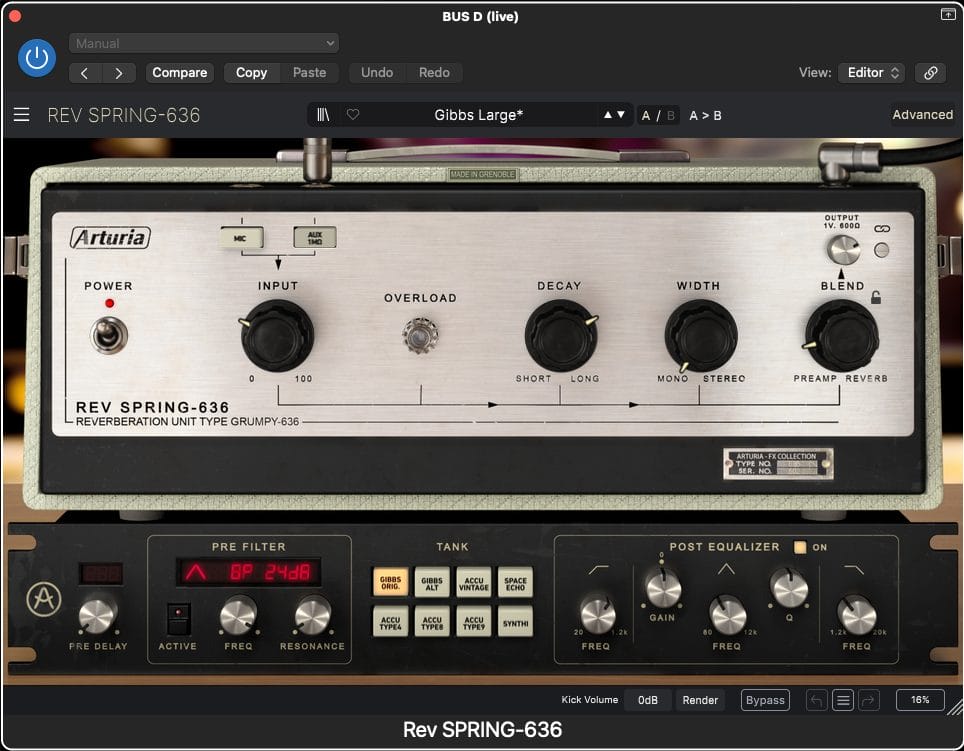
I’ve always been a sucker for the sound of a spring reverb on drums but I had never found one that I loved straight off the bat like the Arturia Spring 636. It’s modeled after the original Grampian 636 reverb unit which was used by artists like King Tubby.
It has a grunty preamp section that can really add a lot of character and flavour to the sound and 8 different spring tanks to choose from. For this song I ended up using it as an insert on the drum bus rather than a send and adjusted the input into the preamp until it was just slightly overloading. It adds some saturation and helps to glue it all together and tame some of the spiky bits. I’ve found the key to this spring reverb is making sure you find a delay tail length that works with the drum groove and then shape it with the post eq section so it’s not too bright or muddy.
A bit of spring verb on your drums goes a long to help make them feel like an old sampled break.
Quickfire Tips On Making Music
Tip 1: Capture the magic. Move quickly and create freely, edit later. If you’re not prepared and start fiddling about with signal chains and trying to get perfect recordings you might miss the moment.
Tip 2: It’s not the gear, it’s the idea. Some of our biggest songs have vocals that were recorded on an iphone or straight into a Scarlett 2i2. Don’t fall into the trap of thinking you can’t make great music because you don’t have access to a professional recording studio
Tip 3: Limitations breed creativity. On our first writing trip away together we forgot to bring an electric guitar. This forced us to write primarily around just drums and bass, we based our whole sound around this idea for years!
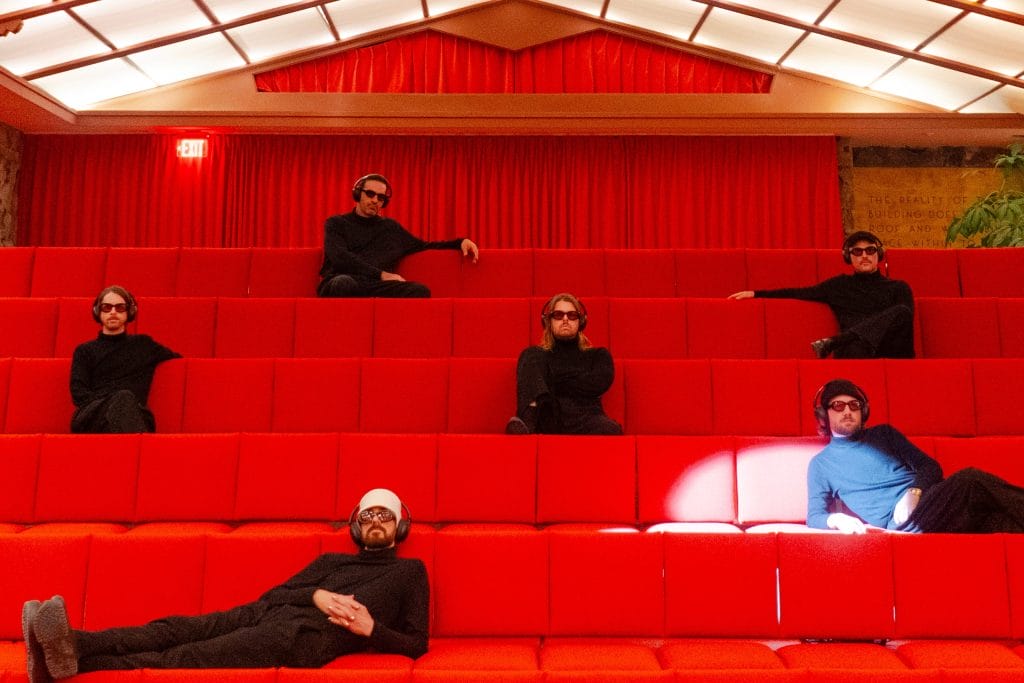
Tip 4: Collaborate. There’s 6 of us in the band and we all have different strengths and musical tastes. We’ve all learnt so much from each other over the years and it’s always more fun working with your friends rather than trying to do it all yourself.


Will Vance is a professional music producer who has been involved in the industry for the better part of a decade and has been the managing editor at Magnetic Magazine since mid-2022. In that time period, he has published thousands of articles on music production, industry think pieces and educational articles about the music industry. Over the last decade as a professional music producer, Will Vance has also ran multiple successful and highly respected record labels in the industry, including Where The Heart Is Records as well as having launched a new label with a focus on community through Magnetic Magazine. When not running these labels or producing his own music, Vance is likely writing for other top industry sites like Waves or the Hyperbits Masterclass or working on his upcoming book on mindfulness in music production. On the rare chance he's not thinking about music production, he's probably running a game of Dungeons and Dragons with his friends which he has been the dungeon master for for many years.