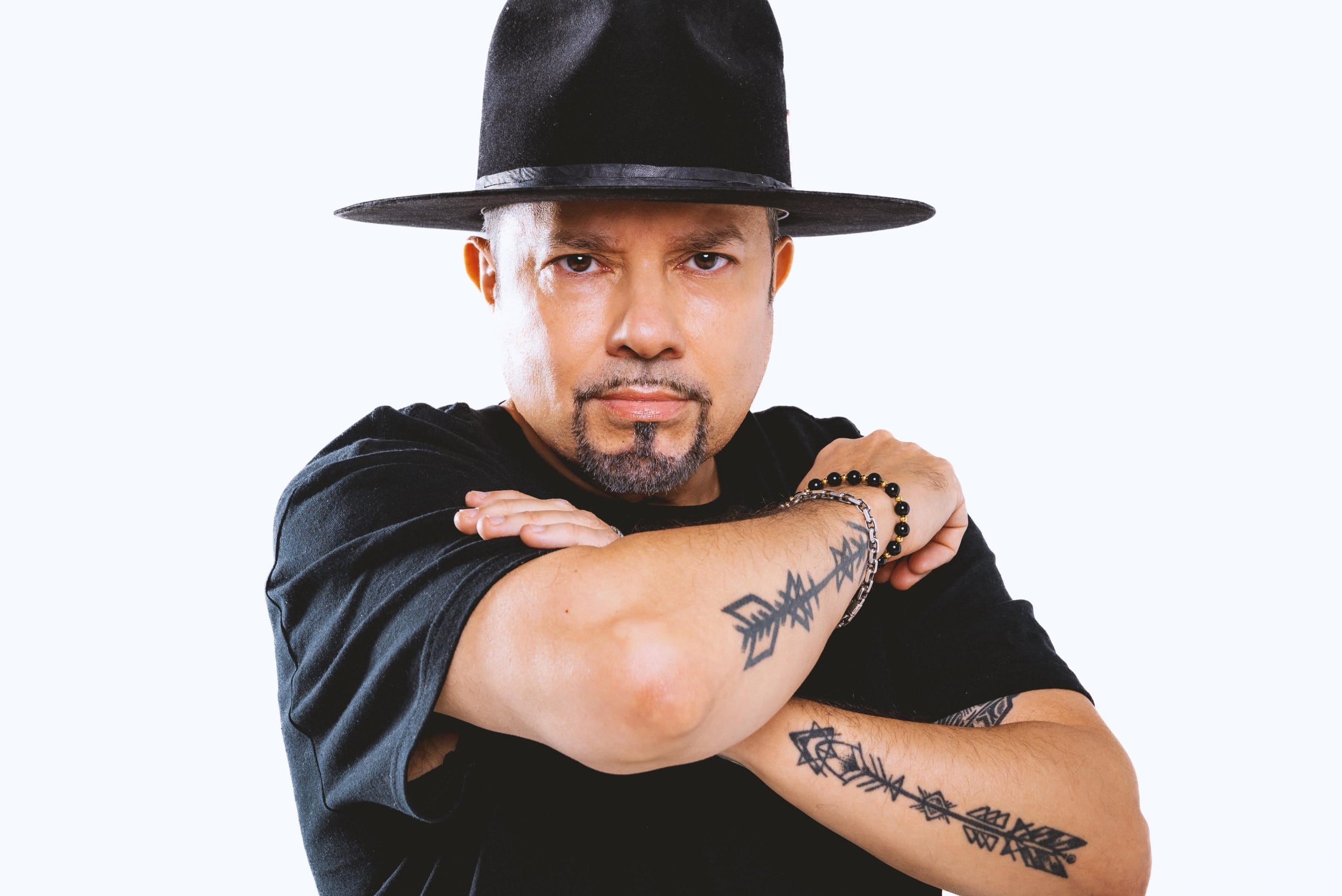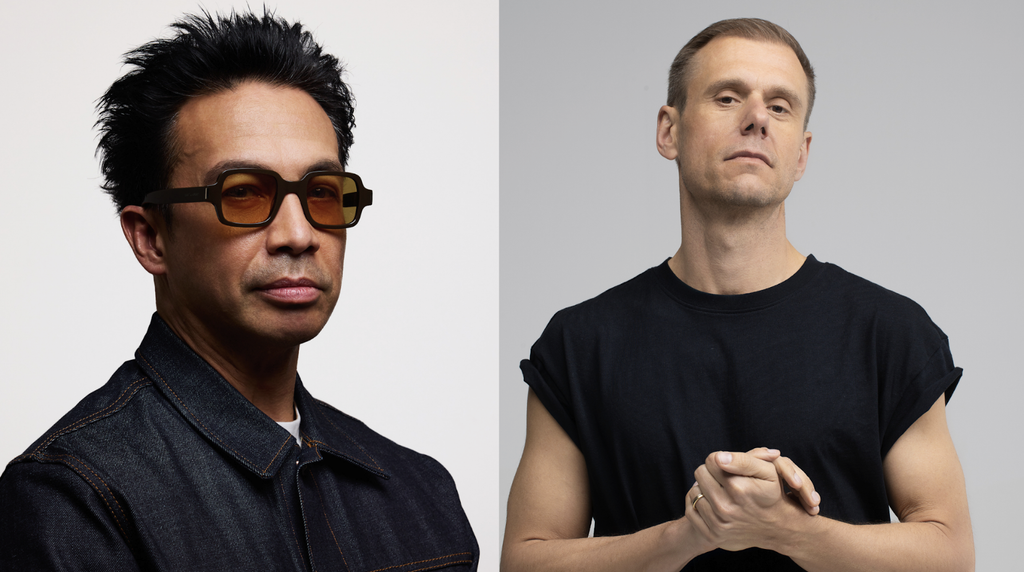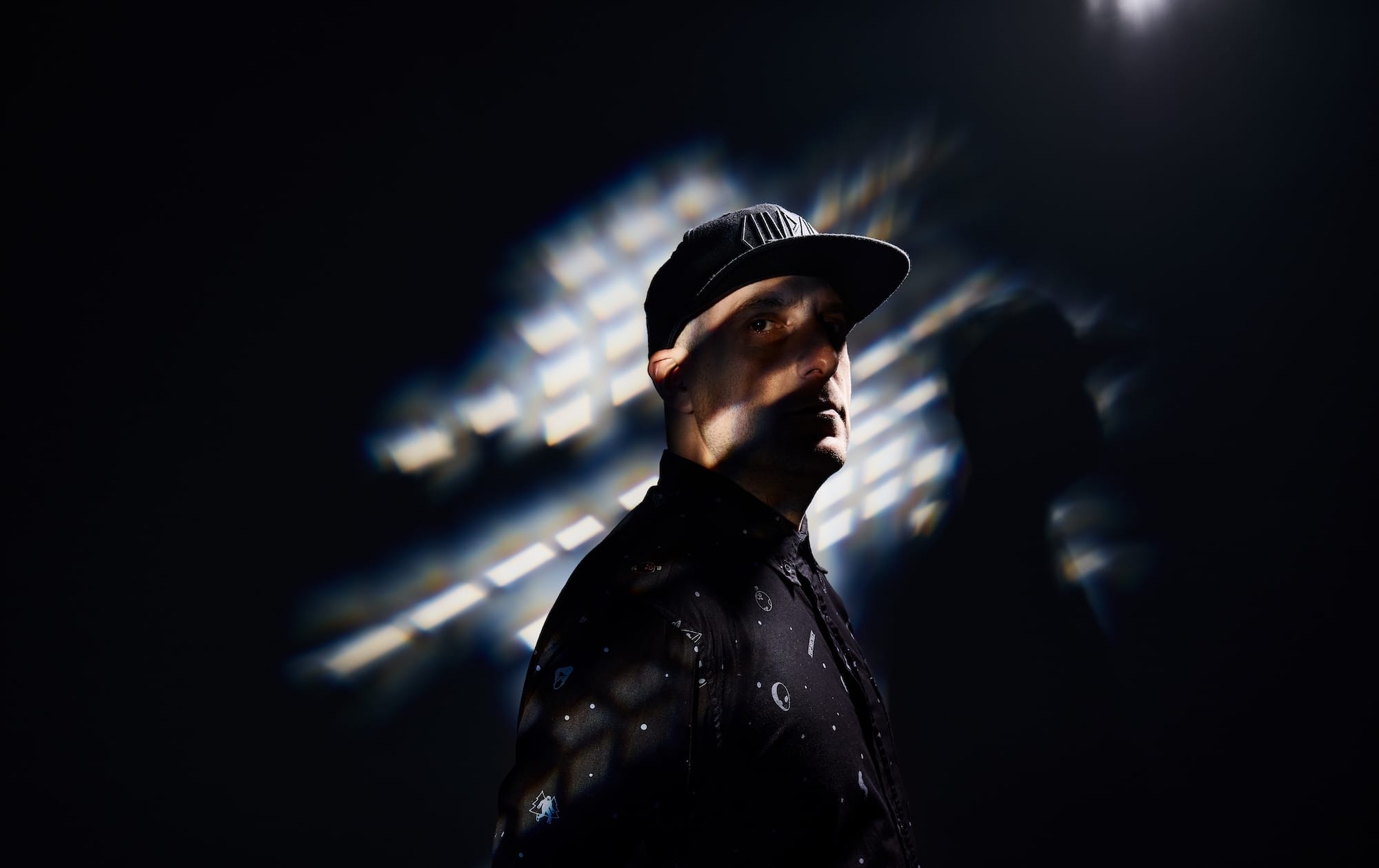
GAWP has always had a knack for bending house music into unexpected shapes, and his new single “Feel Alone” on Doc Brown’s Unlearn:Records is a perfect example. The track rides a sultry vocal over a hypnotic low-end, sitting somewhere between deep, tech, and progressive house. On the remix, Doc Brown toughens things up, pushing the groove into darker late-night territory. Together, the two versions highlight why Unlearn has become a reliable platform for forward-thinking club music.
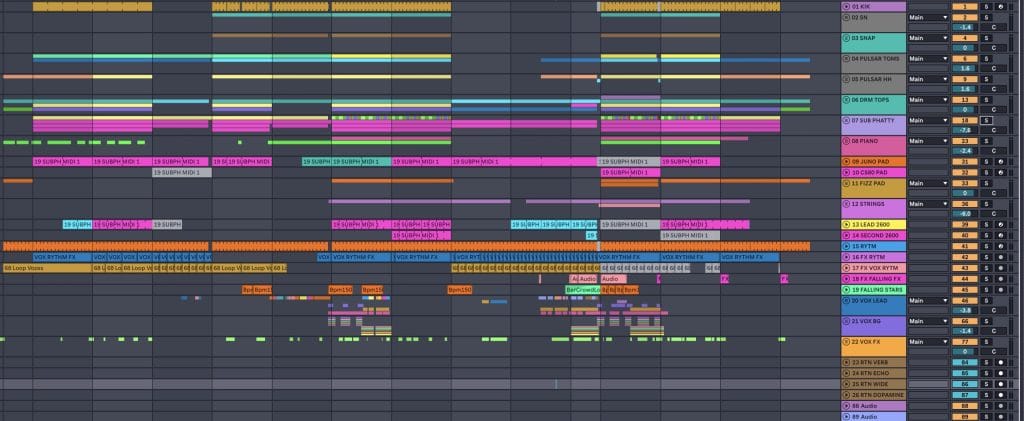
For this edition of How It Was Made, GAWP takes us inside the tools and techniques behind “Feel Alone.” He breaks down how he built the bass with his own plugin Lockup, shaped the vocals with Devious Machines Infiltrator 2, and leaned on Baby Audio’s Transit 2 for transitions that carry the track. Beyond plugins, he explains how atmosphere and subtle FX bring cohesion to the whole arrangement.
It’s a rare look at the details that make underground club tracks connect on big systems. From his thoughts on automation and arrangement to the philosophy of keeping basslines minimal but effective, this walkthrough shows how GAWP balances sound design with dancefloor instinct.
Lockup
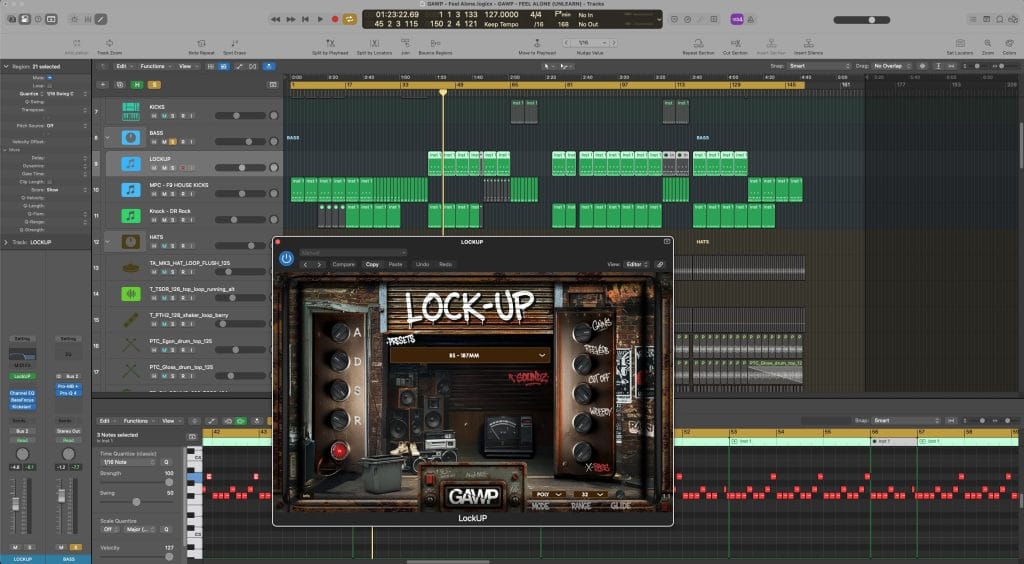
For the bass on “Feel Alone” I used my own plugin, Lockup. It’s a gritty, characterful bass machine that locks down the low end but still gives you movement and texture. What I love about it is how quick it is to dial in. You can go from raw, weighty subs to gnarlier mid-bass tones without scrolling through endless menus. It’s simple, but it has the punch and bite I’m always chasing in club tracks.
On this track I started with one of my go-to Lockup presets and tweaked it so it sat nicely under the vocal. I automated the filter cut-off in the breakdown so it slowly opened up, giving that rising tension without needing too many extra sounds. To glue it into the mix I added some saturation and a touch of sidechain compression to the kick. Nothing overcooked, just enough to keep the groove breathing and the bassline driving the track forward.
If you’re making house or tech-house, Lockup’s a great way to get basslines moving without overthinking it. I’ve learned to keep it minimal: one solid bass sound done right usually beats stacking five that clash. A clever trick is to automate small changes, like drive or filter, so the energy shifts subtly over the course of the track. It keeps the floor interested without losing that locked-in, hypnotic feel.
Devious Machines – Infiltrator 2
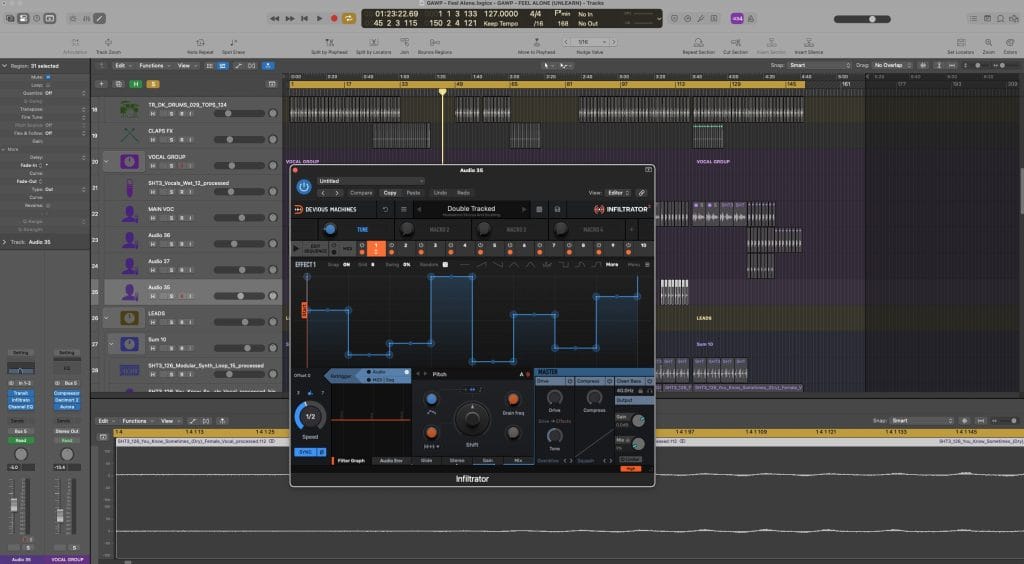
One of my favourite tools lately has been Devious Machines Infiltrator 2. It’s an all-in-one multi-effect sequencer that lets you stack and automate combinations of filters, distortion, delays, pitch shifts—you name it. What makes it stand out is the step-sequencing and modulation, so you can turn a static sound into something that evolves and grabs attention without piling on new layers. It’s a proper playground for sound design.
On “Feel Alone” I used Infiltrator 2 mainly on the vocal chops. It added rhythmic filter sweeps and subtle pitch shifting in certain parts to make the vocal feel alive and unpredictable. I also automated a reverb throw effect during the breakdown, which gave that floating, spacey vibe before everything kicks back in. The beauty is you can dial it as heavy or as light as you want. In this case, I kept it more about subtle ear candy rather than full-on mangling.
For other producers in house and tech-house, Infiltrator 2 is perfect for adding movement to sounds that would otherwise just loop flat. A simple hi-hat line can become a feature if you run it through sequenced filters or delays. Lesson learned for me: don’t go overboard. Pick two or three effects and automate them with purpose, rather than stacking ten at once. Less chaos, more groove.
Baby Audio – Transit 2
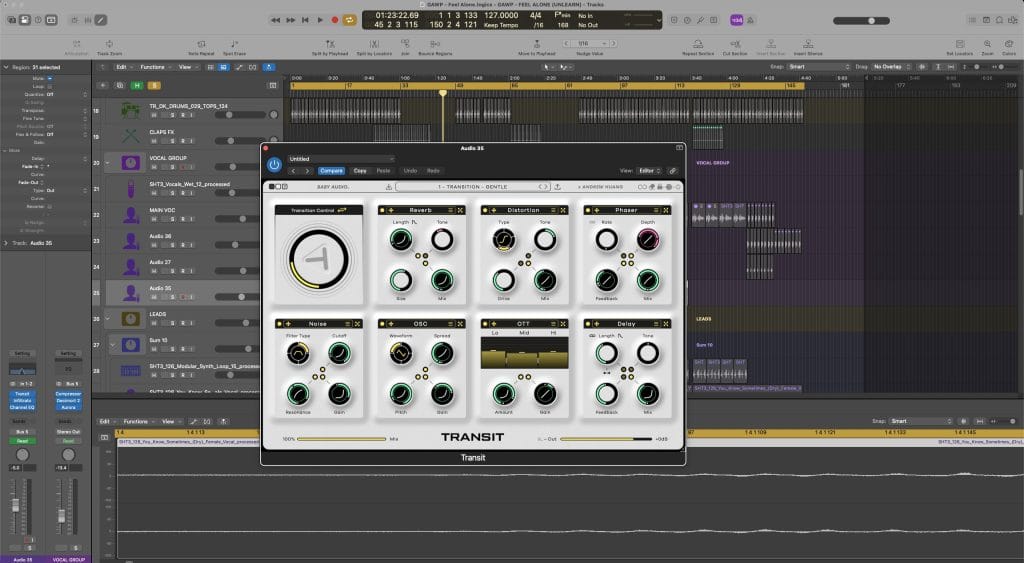
Baby Audio’s Transit 2 is a multi-FX transition unit built for producers. You’ve got a bunch of different effects—filters, reverbs, delays, distortion, modulation—all assignable to one macro knob, so you can create big build-ups or breakdowns with one smooth movement. It feels really hands-on and creative, a bit like what you’d do on a DJ mixer but inside your DAW. It’s quick, intuitive, and makes transitions far more exciting.
On “Feel Alone” I used Transit 2 in the breakdown to push the energy right before the drop. The main macro knob controlled a high-pass filter, a reverb swell, and a touch of delay feedback. As I turned it, the whole mix felt like it was opening into space. It’s very similar to riding the filter and reverb on a Pioneer V10 in a club, so it gave me that same tactile, DJ-style transition in the studio. It’s a perfect bridge between how I perform and how I produce.
If you’re producing house or tech-house, Transit 2 is a lifesaver for keeping arrangements flowing. Instead of stacking risers or white noise, you can build tension with a single macro movement that feels natural. My advice: think like a DJ when you use it. Imagine you’re on a mixer and let the effect carry the crowd from one section to the next. It keeps the track club-focused and avoids overproduction.
Atmosphere and FX

Atmosphere and FX glue the track together and give it space. On “Feel Alone” I layered subtle field recordings and washed-out reverb tails behind the main groove to create depth without being obvious. A lot of it sits way back in the mix, but you’d notice if it wasn’t there. It’s what makes the track feel immersive.
I also used delayed vocal chops and reversed FX hits to build tension in transitions. Automation was key: I’d ride the reverb decay, filter sweeps, and delay feedback so the FX weren’t static. It’s about making the background move just as much as the foreground, so the track feels alive all the way through.
For anyone producing this genre, don’t treat atmosphere as an afterthought. Even simple noise sweeps or crowd samples can change the mood if you place them right. Keep them subtle, automate them, and let them fill the space between the main elements. That’s what keeps a rolling groove interesting.
Quick Fire Tips from GAWP
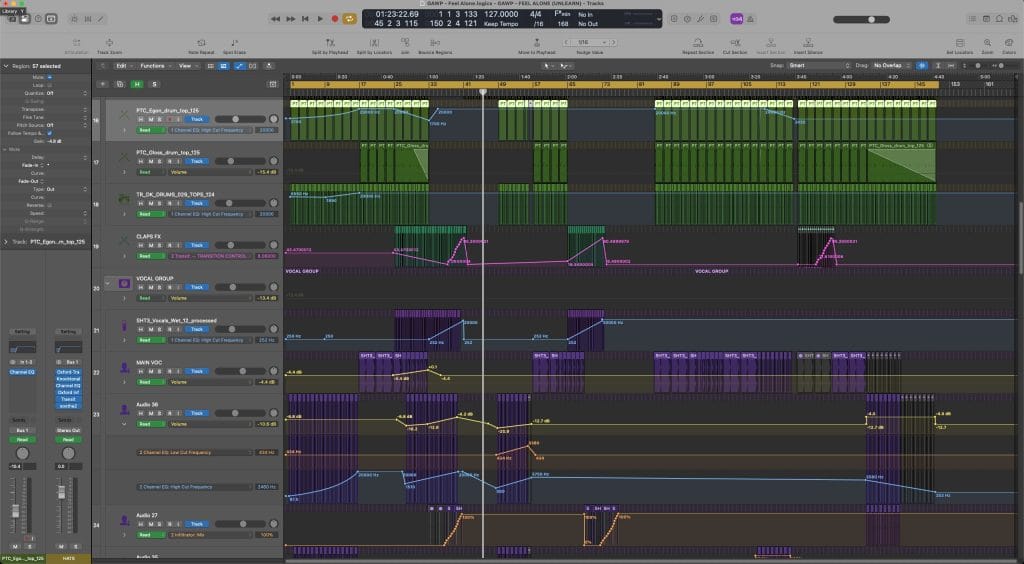
Automation is everything in this style. Little filter moves, FX tweaks, and volume rides stop the loop feeling static. Even subtle changes keep the energy alive for the dancefloor.

Get your kick and bass locked tight before anything else. If they’re not working together, the rest of the track won’t carry in a club.
Use transitions like a DJ would. Think about how a crowd reacts to filters, delays, or sweeps and replicate that feeling in the arrangement.

Will Vance is a professional music producer who has been involved in the industry for the better part of a decade and has been the managing editor at Magnetic Magazine since mid-2022. In that time period, he has published thousands of articles on music production, industry think pieces and educational articles about the music industry. Over the last decade as a professional music producer, Will Vance has also ran multiple successful and highly respected record labels in the industry, including Where The Heart Is Records as well as having launched a new label with a focus on community through Magnetic Magazine. When not running these labels or producing his own music, Vance is likely writing for other top industry sites like Waves or the Hyperbits Masterclass or working on his upcoming book on mindfulness in music production. On the rare chance he's not thinking about music production, he's probably running a game of Dungeons and Dragons with his friends which he has been the dungeon master for for many years.