Img Cred: Jimi Herrtage
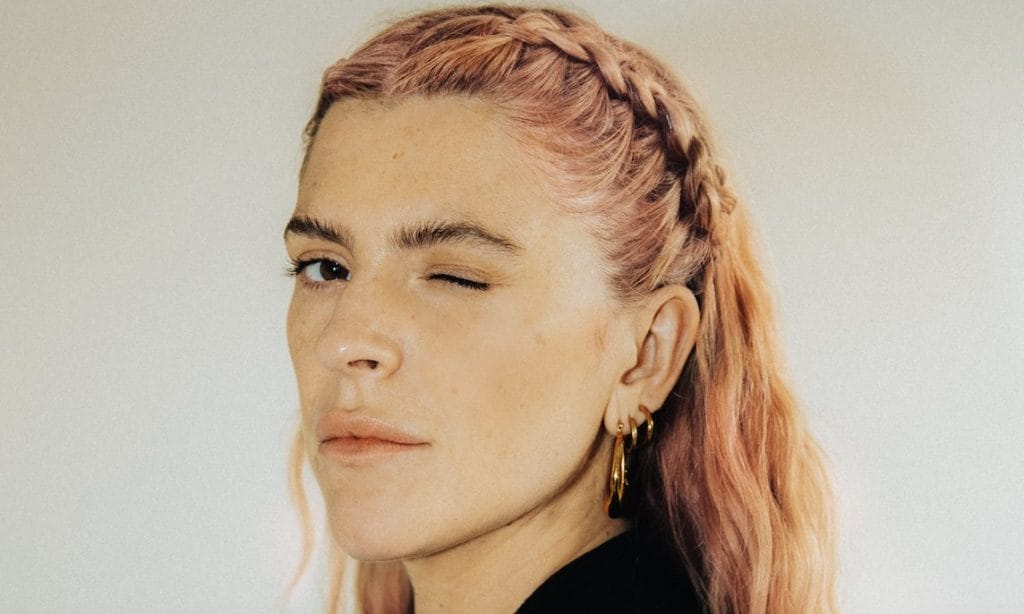
London-based DJ, producer, and vocalist ABEL has built her reputation on hypnotic grooves, driving melodies, and a natural ability to connect with the room. In recent years she’s played some of dance music’s most respected stages, from fabric and KOKO in London to international stops at Zamna Tulum, Garbicz Festival, and Kappa Futur Festival. Alongside her commanding presence as a performer, her vocals continue to bring a distinct edge to her productions.
This year is already shaping up to be pivotal.
ABEL has released music with labels like Nervous, Circus Recordings, La Zic, RENDEZ-VOUS, and One Tribe Records, including collaborations with PUAZA, Hugo Cantarra, and Cristina Lazic. Her next appearance comes on Lazic’s Fire EP on Bedrock, created together with Cristina and Francesco Mami, with more music confirmed on All Day I Dream and further releases to follow. She’s also preparing to launch her own label during ADE later this year.
To mark this run of releases and busy touring schedule, ABEL sat down with us for a conversation about her approach to DJing and production. From balancing connection and obscurity to trusting simplicity in the studio, she opens up about the decisions that keep her performances sharp and her music resonant.
Have you ever caught yourself overthinking your selection—playing to impress instead of connect?

I’m a strong believer in the idea that people don’t know what they want to hear until you play it to them. Of course the trick is managing to impress AND connect at the same time. I’d like to think that over the years managing both has become second nature.
I feel a natural sense of responsibility both to the audience and when relevant to the DJ I’m supporting. There’s an art to warming up a room properly and reading that room is important. Connection is key. However compromising on my own sound for the audience’s sake isn’t an option – unless it’s a mates wedding!
How do you decide when to go deep and weird vs when to keep things more direct or familiar?
Sometimes you look out at a crowd and they just say “take me”.
They’re willing to go everywhere with you, roaring with enthusiasm along the way. Those are the best crowds! Others need a bit of persuading. I’ll be testing the waters from the start. I might play a great edit near the beginning of the set to get them on board and they’ll trust me from then on. You can then go deep and weird or mix it up as you go adding touches of familiarity along the way when needed.
Is there a difference between playing for a room full of DJs and playing for a real cross-section crowd?
Playing for a room full of heads means they’re likely to appreciate more intricate elements of a set. It’s rewarding when they love it and really ‘get it’. Rooms of DJs can be less forgiving though and the pressure is on! Very often I’m tagged by an artist who’s track I played during my set and had no idea they were there. It’s probably better that way to avoid over-thinking things.
Playing for a cross-section crowd, you don’t know what you’re going to get. They might be slightly different from each other in terms of music taste but they will naturally take influence from each other. You just need to keep the momentum in the room strong and unite the crowd, soon everyone will be in it together and the night will be flying.
Do you think there’s value in “easy” tracks—songs that land immediately and bring people together?
Secret weapons! I have a handful of these ready to roll at any given point.
They can switch up the vibe, mix in easily and fuse the crowd together perfectly. They are unlikely to have heard the track before but I know it will do the job every time.
When it comes to dropping a classic or something well known, just make sure it’s a good one. Videos of these are the most likely to circulate after the set so make sure you’re happy with that record representing you rather than just bringing it in to get a strong crowd reaction and regretting it afterwards.
What’s a moment where you ditched a cool or rare track because the room needed something different?
Sometimes I’ve witnessed an incredible moment with a special record. I then went on to play it in a different setting but it didn’t translate as well. I’ll work it out pretty quickly, loop part of the track and gradually bring something else in.
The room will barely notice, appreciate a breather and then the set’s back on track. Whether to persevere with it or switch it up is one of the decisions you need to make on the spot and what keeps you on your toes as a selector.
Do you think DJs sometimes overvalue obscurity—and undervalue emotional accessibility?
Absolutely. I’m in two minds about it. Sometimes I think “what a legend they don’t give a sh*t” as they chain smoke and chew their cigarette, manically choosing records and tossing the sleeves behind them. Arguably the chaotic performance is a piece of art in itself.
On the other hand listening to the frenetic mixing and looking at the confused crowd, if there’s no vibe in the room, it feels like the point has been missed somewhat. I’m talking about the old legends here. Inexperienced DJs and bedroom producers are also likely to get too obscure and lose the crowd but it’s all part of the learning process and everyone is constantly learning and growing with every performance.
Have you ever had a moment where a simple track landed harder than your most technically layered one?
Yes.
Sometimes I’ll play out a demo which is in its simplest form and it captures the room perfectly. I’ll then take it away, add loads of technical layers, play it out again with less impact and then realise I need to strip it right back to retain the original magic. This actually tends to be part of my formula of making records! Laying down something that sounds simple and timeless then letting the creative process flow, throwing the kitchen sink at it….letting it breathe, testing it out and then finally stripping it back and refining it for ultimate impact. Ta da.

Will Vance is a professional music producer who has been involved in the industry for the better part of a decade and has been the managing editor at Magnetic Magazine since mid-2022. In that time period, he has published thousands of articles on music production, industry think pieces and educational articles about the music industry. Over the last decade as a professional music producer, Will Vance has also ran multiple successful and highly respected record labels in the industry, including Where The Heart Is Records as well as having launched a new label with a focus on community through Magnetic Magazine. When not running these labels or producing his own music, Vance is likely writing for other top industry sites like Waves or the Hyperbits Masterclass or working on his upcoming book on mindfulness in music production. On the rare chance he's not thinking about music production, he's probably running a game of Dungeons and Dragons with his friends which he has been the dungeon master for for many years.