So for this month’s vinyl round-up, I’ve got an eclectic mix of wax that I’ve got on heavy rotation. From a limited promo edition of Jazz cuts from Dan The Automator curating for Ford’s Gin to the eccentric techno selections of Modselektor to a must-have reissue, and more. These are albums that have now permanently entered my collection, and have been not only reviewed for the contents of the grooves, but for the pressing quality and overall fidelity of the vinyl, along with any special editions, colors, etc.
Note: As the popularity of vinyl has surged, so has the number of reissues and pressing plants coming online to meet demand. Sadly, not all pressings are equal, and many reissues and first-time pressings are just plain crappy sounding and overpriced because it’s “vinyl.” Before you fork over $30+ for an album, do a little research on the quality to ensure you’re getting what you pay for.
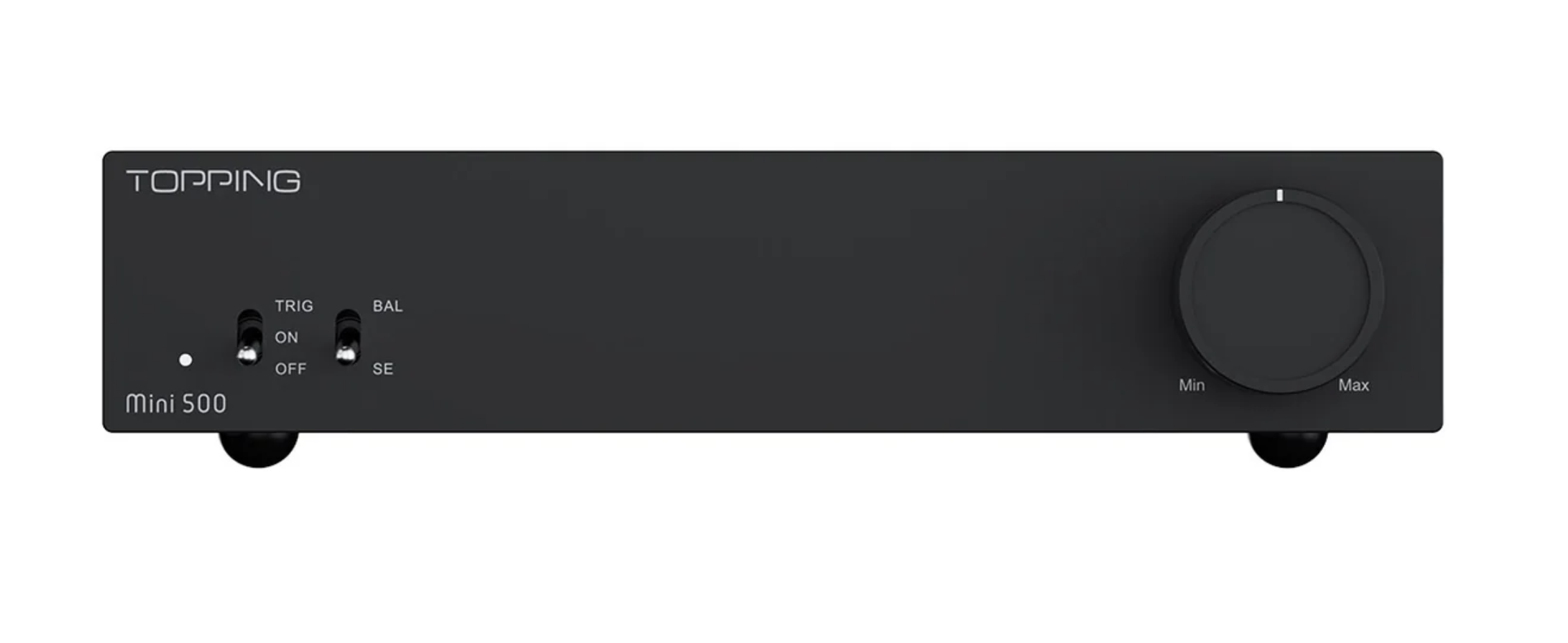
The HiFi System – Music Hall Stealth Turntable, Ortofon 2M Blue and 2M Black cartridges, and Ortofon Headshell, NAD 3050 Integrated Amp, KEF R7 Meta Speakers, and a power cleaner to keep the signal clean.
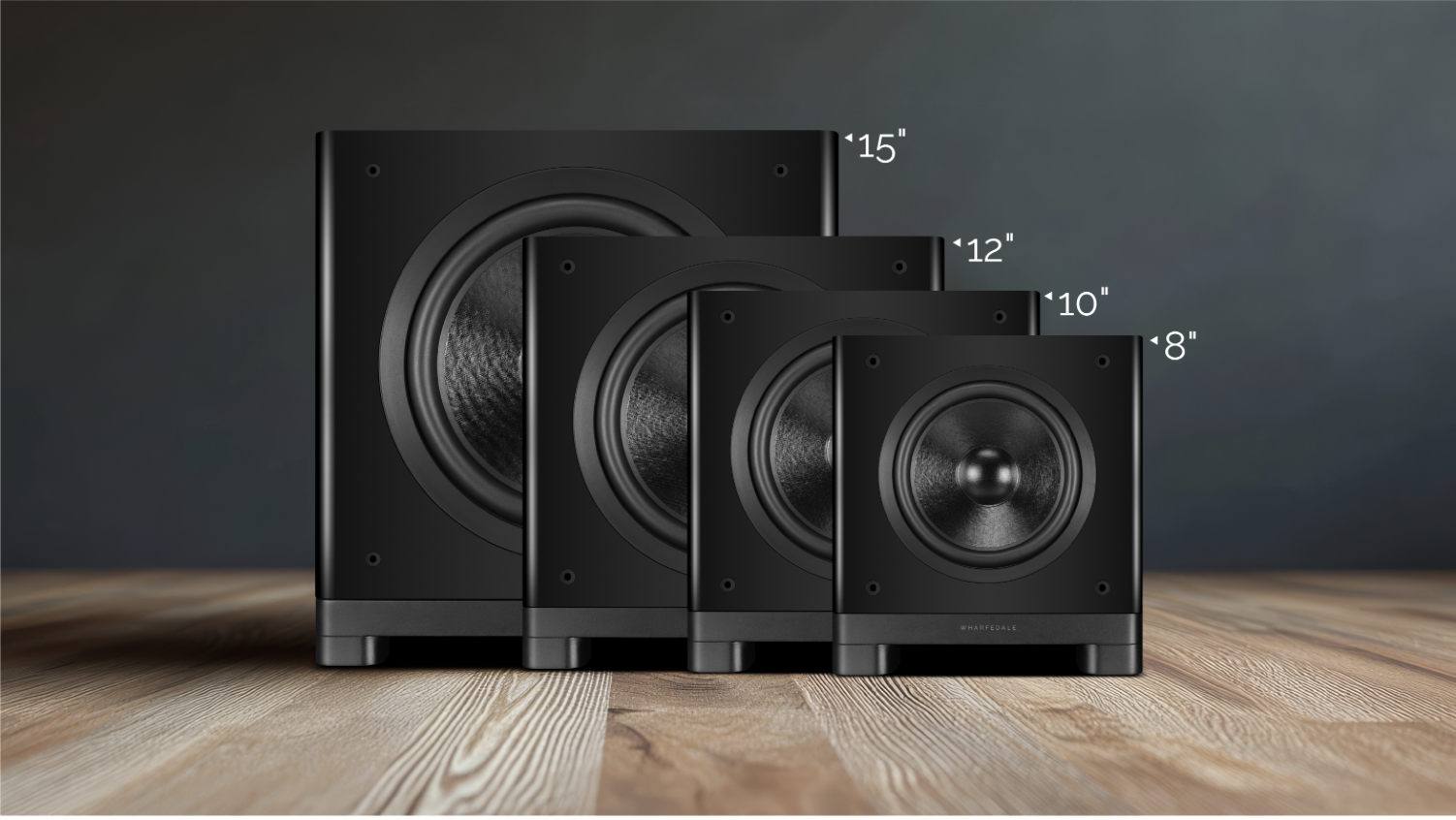
The DJ System – Pioneer PLX-1000 Turntables, Union Audio two.Valve Rotary Mixer, Fluid Audio powered speakers, and sub.

Modeselektor – DJ-Kicks (K7!)
Few acts embody restless reinvention like Modeselektor. Across three decades, the Berlin duo have twisted techno into shapes that feel both futuristic and mischievous, balancing rave euphoria with avant-garde subversion. Their long-awaited entry into the legendary DJ-Kicks series, dropping September 12, captures that duality perfectly. It’s less a straightforward club mix than a wide-angled snapshot of the duo’s split personalities: Szary’s taste for beatless, ethereal soundscapes rubbing against Bronsert’s dancefloor instincts until sparks fly.
The vinyl edition pares down the full 22-track mix to a focused 2LP set, but it still hits hard. The opener, “MEGA MEGA MEGA,” is pure Modeselektor—an explosive, euphoric peak-time weapon that sets the tone. From there, the record shapeshifts constantly: the woozy atmospherics of Julien Bracht’s “Melancholia,” the bass-heavy swagger of Little Simz’s “Mood Swings,” and the industrial churn of Untold’s “Discipline” all stand tall as highlights. Modeselektor’s own “Movement,” featuring the unmistakable voice of Paul St. Hilaire, provides one of the LP’s most magnetic moments, bridging dub techno’s spaciousness with their trademark punch.
For the full experience, though, the seamless DJ-Kicks mix is essential which you can grab on CD or stream. The transitions—often where the real Modeselektor magic happens—blur boundaries between genres and moods in a way the tracklist alone can’t capture. Szary and Bronsert’s tug-of-war curatorial approach pays off, yielding a mix that feels alive, unpredictable, and brimming with discovery. With DJ-Kicks celebrating 30 years and Modeselektor entering a new chapter, this collaboration feels both timely and timeless—a reminder that electronic music is at its best when it refuses be confined by genres or bpms.
Vinyl Quality – This is a solid pressing that sounds clean on both systems and utilizes PET molding technology, which claims to use 85% less energy to produce. It would have been nice to see a limited colorway to celebrate K7’s 40th anniversary, but techno people probably don’t give a shit.
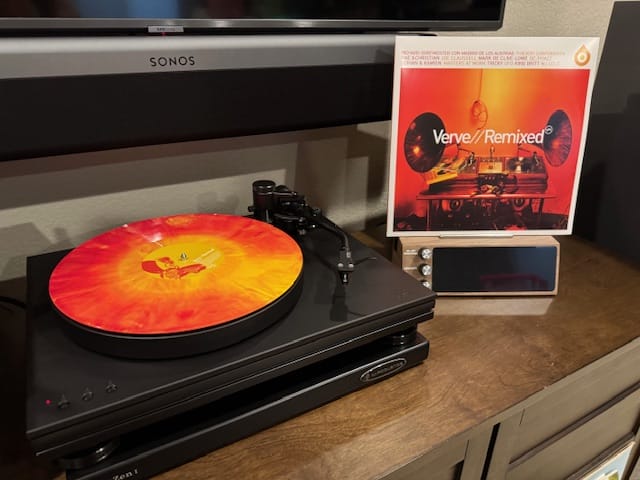
Verve Remixed Vol. 1 – The 2002 Classic Returns on Vinyl
When Verve Remixed first dropped in 2002, it fit perfectly into the chillout sound that was blossoming with artists like Air, Zero 7, Thievery Corporation, and others who incorporated jazz samples into modern electronic compositions. Jazz is a foundation of so much electronic music that it was surprising that something like this didn’t hit sooner, but the A&R team at Verve took their time and set the bar, with every detail, even the album art, upping the game. Suddenly, Billie Holiday was haunting club basements, Nina Simone was reborn into deep house sets, and Astrud Gilberto’s vibey bossa nova twinkled electronically for the first time at many a roofop gathering. For me, it became one of the best downtempo compilations of the era, and it still holds up today as if each cut was freshly minted from the studio.
Now, over two decades later, the inaugural volume is back in print on vinyl, pressed across two heavyweight LPs in swirled orange-and-yellow “remixed” wax. It’s the kind of release that feels right in your hands: this music was born from crate-digging culture, and hearing it through a proper system brings back the warmth and proves how well produced this album was for the time.
The tracklist is consistently good, I can’t say there is even one mediocre track, they are all fantastic. Nina Simone’s “See-Line Woman” gets a hypnotic workout from Masters at Work. Thievery Corporation flip Astrud Gilberto’s “Who Needs Forever” into jet-set lounge perfection. Joe Claussell’s take on “Feelin’ Good” still feels like a spiritual ascension, while Tricky drags “Strange Fruit” into shadowy, unsettling territory — proof that remixing doesn’t have to mean making something lighter. Even the quieter inclusions, like De-Phazz’s dreamy spin on Ella Fitzgerald or UFO’s hazy version of Sarah Vaughan’s “Summertime,” still sound effortless today.
What makes this reissue extra timely is the current climate: vinyl sales are booming, jazz is riding a wave of renewed relevance, and labels like Blue Note and Impulse! are reintroducing classic catalogs to younger listeners with beautifully produced series. Verve Remixed slides neatly into that conversation, but with a twist — it’s not just preservation, it’s reinterpretation.
Whether you were there in 2002 with the CD on loop or the vinyl in your DJ bag, or you’re discovering it for the first time, this vinyl reissue is more than nostalgia.
Vinyl Quality – Verve didn’t mess around, they pressed this on sturdy vinyl and it sounds incredible for a reissue. The Ortofon 2M Black cartridge picked up sounds that I’d never heard before and made me appreciate the production even more. The orange and yellow color pops are also a nice design touch!
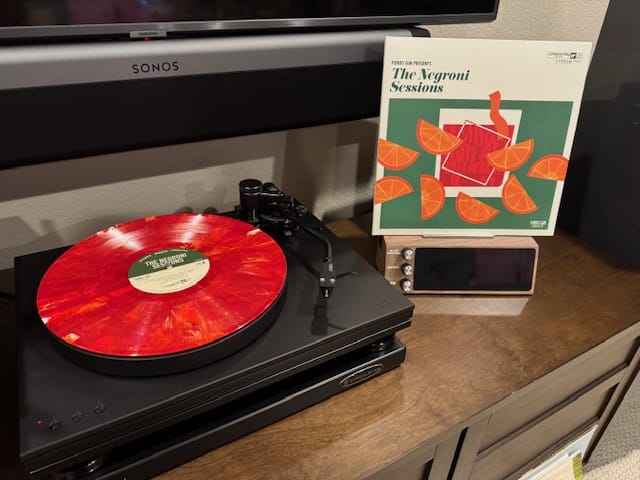
The Negroni Sessions – Various Artists (Jazz Dispensary / Craft Recordings x Fords Gin)
There are records you play to study, others you play to move a room, and then there are those built for atmosphere—the kind that turns a drink into a ritual. The Negroni Sessions, a limited-edition vinyl curated by Jazz Dispensary and Craft Recordings in partnership with Fords Gin, lands firmly in the latter camp. Drawing from a deep catalogue of rare and oft-forgotten jazz gems, this nine-track collection functions less like a straightforward compilation and more like a perfectly balanced cocktail: equal parts punchy, smooth, and intoxicating.
What makes The Negroni Sessions shine is its sense of pacing. One moment you’re basking in a languid, late-night groove pulled from the dusty corners of jazz-funk history, the next you’re gliding into a brass-soaked burner that begs for dim lights and clinking glasses. Like the cocktail itself, the mix is bold without being overwhelming, bitter yet elegant. Each track feels handpicked to match the Negroni’s complexity—there’s a warmth that envelops, but also a bite that lingers just long enough.
The kicker here is the packaging. Alongside the vinyl comes nine unique Negroni recipes crafted by some of the world’s top bartenders, each designed to pair with the mood of the music. It’s a clever bit of cross-pollination—mixology meeting crate-digging—that elevates this from simple promo to bona fide collector’s piece. Available as a giveaway with a bottle of Ford’s Gin via ReserveBar, The Negroni Sessions blurs the line between brand collaboration and cultural artifact. Whoever came up with this, I salute you because you just nailed a half-court shot with a squish.
Vinyl Quality – For a promotional record filled with songs from various eras, the sound is consistent and solid. The vinyl was well pressed, and the colorway adds to the vibe with its Negroni color palette. The gatefold package and recipes included make me wonder why this didn’t cost more.
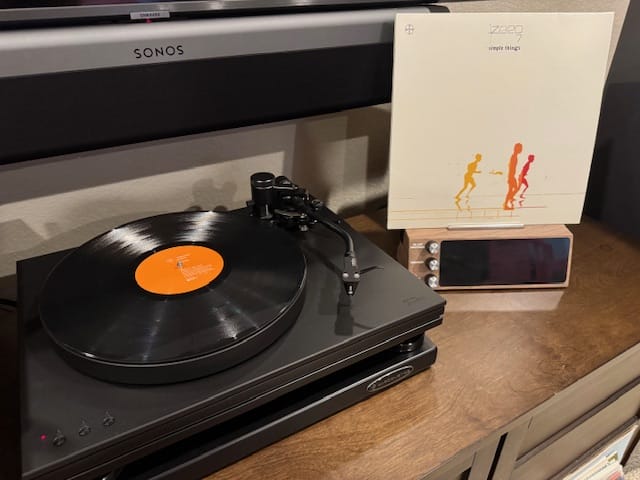
Zero 7 – Simple Things: The Chillout Classic Returns on Vinyl
Some albums don’t just soundtrack a moment — they define it. For me, Zero 7’s Simple Things did exactly that in 2001. It wasn’t just background music for late-night conversations and hazy chill out Sundays; it was one of the essential albums that defined the era. Even now, it sits firmly on my all-time favorites list along with Air’s Moon Safari.
With this repress, Simple Things returns to vinyl — the format it always deserved. Sia’s vocals on “Destiny” still send shivers, Sophie Barker’s dreamy delivery on “In the Waiting Line” remains iconic, and the instrumentals glow with Rhodes keys, brushed drums, and that unmistakable analog warmth. On the HiFi system, I again heard details that I had missed altogether.
Where many of these lounge records feel dated with loops and simple production, Simple Things is soulful, balanced, and endlessly replayable. It framed electronic music for the living room without losing its pulse — music you could spin at 2 a.m. or 2 p.m. and feel completely at home.
In a vinyl climate where trip-hop, nu-jazz, and downtempo are being rediscovered, this repress couldn’t be better timed. Now I have to go get the rest of the albums on vinyl.
Vinyl Quality – This is a double LP on heavy black 180-gram vinyl that is beautifully pressed and mastered. I have the orginal pressing of the album and many of the singles, and this repress sounds better after a compare and contrast.

Greyboy Allstars – A Town Called Earth: First-Time Vinyl Pressing of a ’90s Jazz-Funk Gem
If you grew up in California during the 90s and were into the Acid and Dancefloor jazz scene, then this band will probably mean something to you. Named by San Diego Hip Hop and rare groove DJ Greyboy, I saw these guys in funky little rooms all over San Diego, and their first album, West Coast Boogaloo, is an absolute killer. Some albums feel overdue for vinyl, and Greyboy Allstars’ A Town Called Earth is one of them. Released in 1997 at the height of the acid-jazz boom, it captured everything that made the San Diego collective special: deep grooves, sweaty live energy, and a seamless blend of soul-jazz tradition with modern funk swagger. Until now, it’s lived only on CD and the occasional MP3 rip — but with its first-ever vinyl pressing, one of their best early works finally gets the heavyweight treatment it deserves. It was a hefty $55.00 where I bought it, but you can find it for less at our link.
A Town Called Earth is a nice evolution from the first album, and they keep all the magic and dash in a bit more maturity. Tracks like “Toys R’ Us” and “Turn Around” are tight, horn-driven workouts that would sound just as at home in a sweaty club as on a jazz festival stage. Karl Denson’s sax playing is fire throughout, matched by the band’s ability to lock into grooves that feel both timeless and urgent.
On vinyl and the HiFi, the album really opens up and brings you in to all the intricacies happening between players. The basslines dig deeper, the horns punch harder, and the percussion swings with the kind of warmth and presence you can’t get without a good stereo.
A Town Called Earth on vinyl feels less like a reissue and more like a correction. An essential ’90s jazz-funk statement, finally where it belongs — in your hands, and on your turntable.
Vinyl Quality – A limited double LP on 180 gram earth colored vinyl remastered from the original tapes and features original liner notes from Fred Wesley and an album poster. This is perfection.
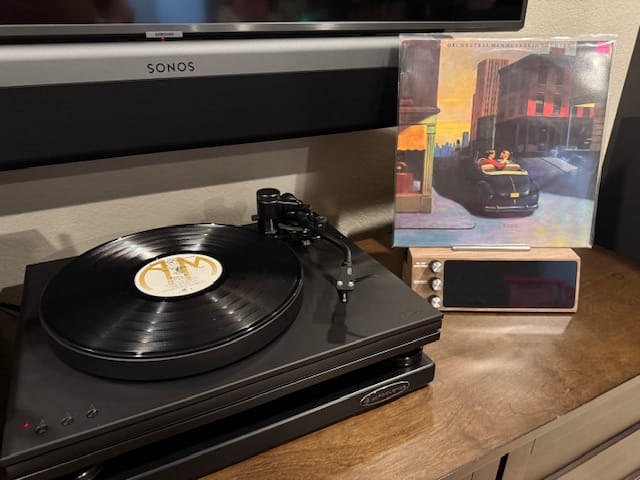
Classic Finds – Every month I will pull in one or two classic records that I’ve found used that are worth hunting for and worth of your consideration.
OMD – Crush: Digging Up Mid-’80s Synth-Pop Gold on Wax
Every crate-digger knows the thrill: flipping past the usual battered Eagles and Herb Alpert sleeves, only to land on something that makes your pulse jump. For me recently, it was a clean copy of OMD’s Crush, their 1985 pivot into the American market — a record that often gets overshadowed by their earlier art-synth experiments but is absolutely worth pulling off the shelf.
By the mid-’80s, Orchestral Manoeuvres in the Dark were at a crossroads. They’d helped define the post-punk synth wave with tracks like “Enola Gay” and “Souvenir,” but Crush was their attempt to smooth things out for U.S. radio. Recorded in Liverpool and produced by Stephen Hague (later of Pet Shop Boys fame), it trades some of their wiry eccentricity for slicker pop hooks — but it does so without losing OMD’s knack for moody atmospherics. It’s poppy but doesn’t compromise anywhere
The hits here, “So in Love” and “Secret,” are pure Reagan-era FM gold: wistful synth ballads with just enough melancholy to keep them from collapsing into Hallmark territory. Many a teen of the era put this record on and sulked in their bedroom with a broken heart. Hague’s production layers are clean but warm, with analog synths still driving the emotional core. And then there’s “88 Seconds in Greensboro,” a protest track about police brutality that hits harder today than it probably did on release — proof OMD hadn’t abandoned their social bite.
On vinyl, this album shines. The album art — inspired by Hopper I can only assume — captures exactly where OMD were: halfway between avant-garde outsiders and reluctant pop stars.
If you’re crate digging and find a copy in good shape, don’t pass it by. Crush may not carry the cult prestige of Architecture & Morality, but it’s a lush, underrated document of synth-pop at a crossroads — and on vinyl, it feels like it’s right where it belongs. Rumor has it there is a 40th anniversary edition coming out this October, so if you can’t find the vintage this will probably be on thick vinyl with some remastering I would think.
Vinyl Quality – For a used record from the 80s, this copy is in fantastic condition and sounds incredible for standard vinyl of that era. Finding a used gem like this is what makes digging in dusty used record shops worth it.

David Ireland is a professional strategist, creative, and marketer. He began his career in 1995 as creator and publisher of BPM Magazine. In August 2000, BPM Magazine merged with djmixed.com LLC, an online media company based in Los Angeles, which later evolved into the Overamerica Media Group [OMG] in 2003. In 2009, Ireland left Overamerica Media Group to serve as the VP of Marketing at Diesel. In 2011, he returned to his roots in media and cofounded the online electronic music publication Magnetic Magazine and created The Magnetic Agency Group. In June 2018, Ireland joined Winter Music Conference (now owned by Ultra Music Festival) as the Director to lead the reboot for 2019 and usher in a new era for the iconic brand. He served as Chief Marketing Officer at Victrola for three years, guiding product innovation and brand growth. He currently serves on the advisory board of Audiopool, a new music tech startup focused on AI-generated music licensing and artist revenue models.