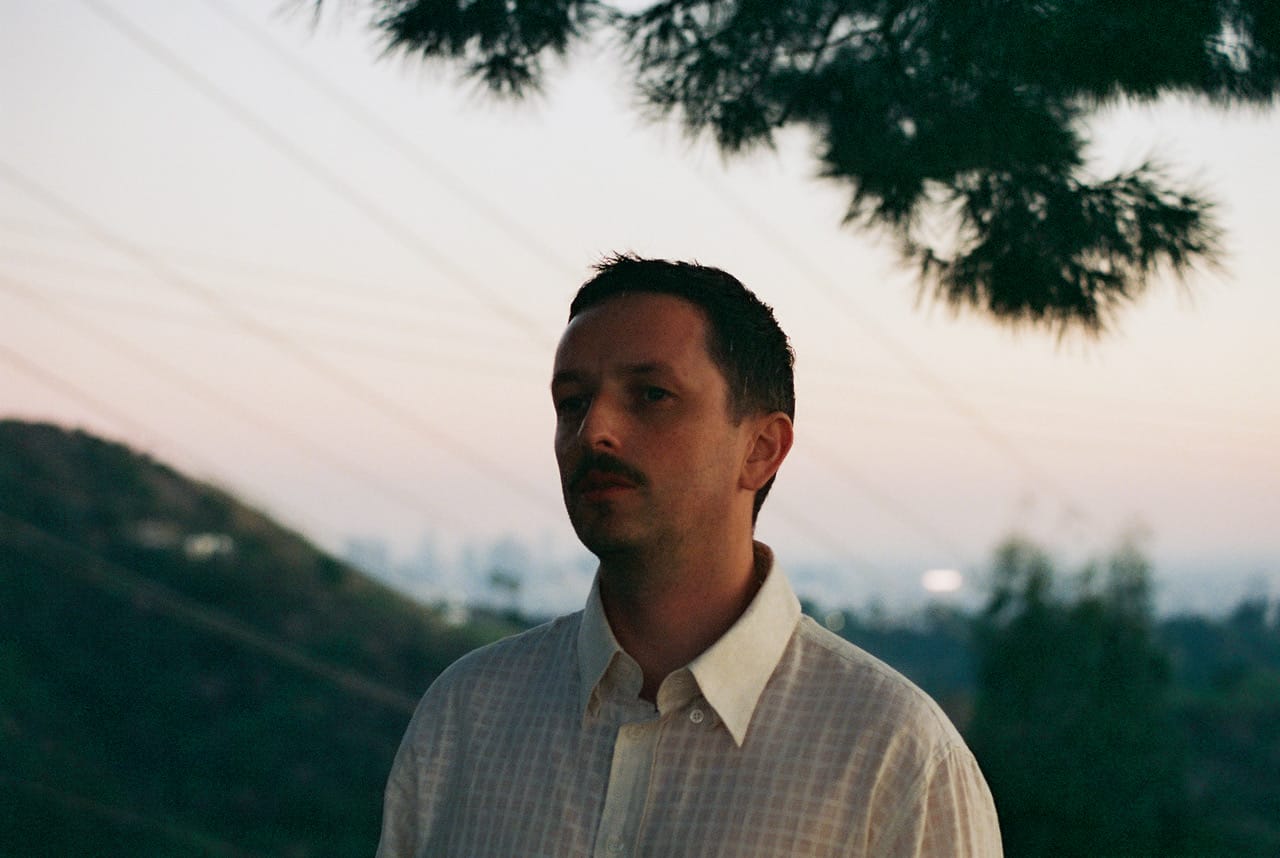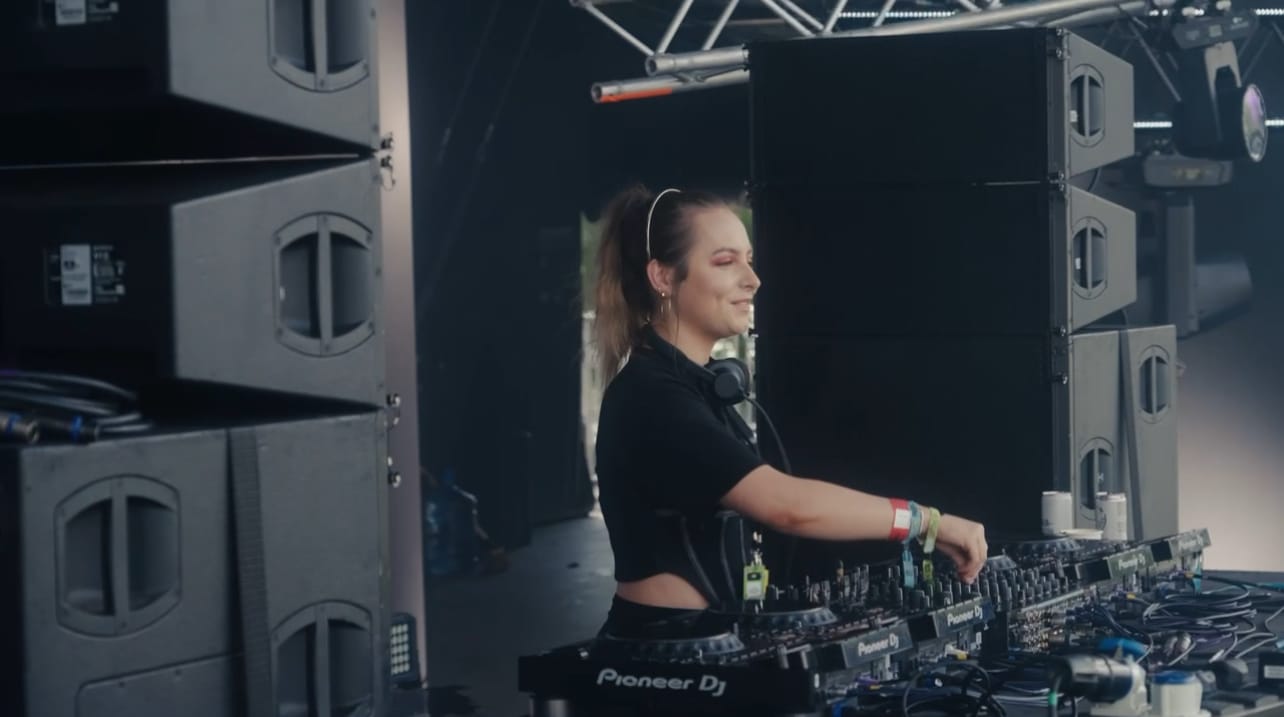
There’s a difference between making your debut and making your presence known. Niamh does both on The Golden Ratio—a break-heavy, emotionally dense club track that hits like it’s already mid-set. Built on a foundation of processed strings and distorted percussion, the track threads together her classical training with the raw weight of modern techno. It’s not a tryout. It’s a statement.
Already a fixture on Rinse, Reprezent, and BBC Radio 1, Niamh’s been building momentum with purpose—earning her place on lineups like Parklife, Warehouse Project, and Boiler Room, while using her platforms to spotlight music that cuts deeper than the algorithm. The Golden Ratio marks the start of her next chapter as a producer, but the track doesn’t lean on that narrative. It’s fully formed—dark, hypnotic, tactile. It feels lived in.
Support The Track Everywhere Here
In this in depth and exclusive interview, we dig into how the track came together and the mindset behind it. Niamh talks about channeling the late-night energy she wanted to bottle, building textures that feel physical, and trusting her instincts enough to let the strings lead. If this is where she starts, there’s a lot more coming. Stream The Golden Ratio below and keep an eye out—this one’s got traction.
Do you see DJing as more of a personal calling or as something that plays a role in a bigger social space?
Oooooh starting deep, I like it! I see DJing as facilitating a great time for people who are in the room with you. Music can be so many different things to so many different people and everybody receives music in their own individualistic way. I personally perceive both listening to music and DJing as a form of catharsis. It allows me to focus upon what’s going on in that particular moment in time, and nothing else.
The noise cancels out the noise! Ultimately, you can’t position DJing (or music more broadly) as one thing or another. That erases nuance and the acknowledgement that it can exist as so many different things at once and meaning attached is entirely person and context dependent.
Has there ever been a moment where you felt the weight of what it means to be the person behind the decks?
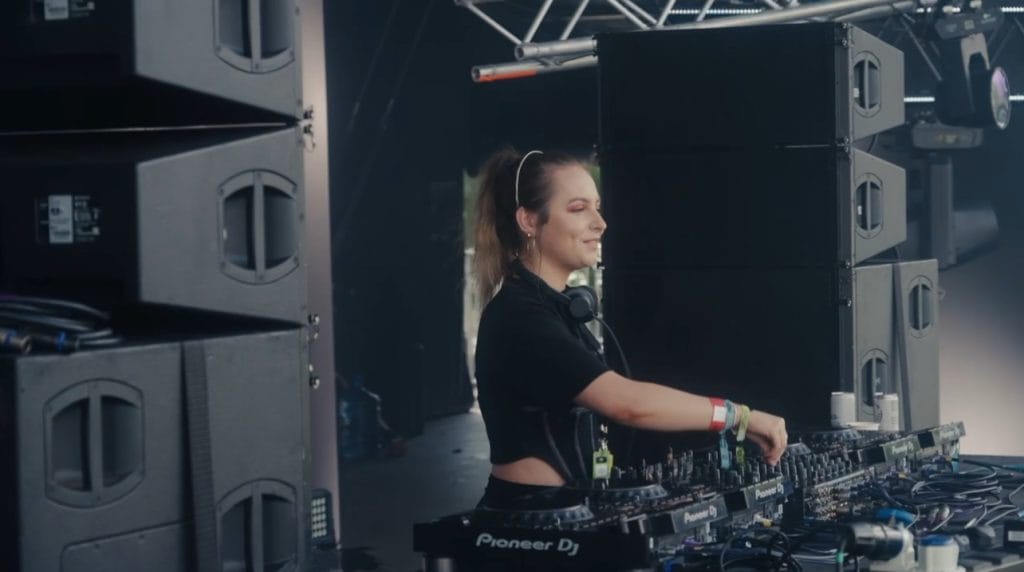
I suppose again, it’s how the term ‘weight’ is interpreted, right? I’ve definitely felt imposter syndrome; sometimes I am unsure of whether I deserve to be ~the person up there~ even though I know how hard I’ve worked, how much love I have for music and DJing, for sharing music with people, championing the underground and just having a dance…
But sometimes when I am given huge opportunities, I do feel a pressure of a need to deliver and almost ‘prove myself’. I’m actively working on that though. It’s a feeling particularly felt by women and non-binary people, because there’s absolutely an extra layer of judgement placed upon us that is not upon male DJs. There’s the classic ‘she’s only booked because she’s hot’ / ‘she’s only booked to tick a box’ bullshit.
What happened to being really good at what you do?!! It’s crazy that I sometimes think twice about wearing an outfit that I think looks cool – because there might be a bit of leg or chest out, or I might have massive hoop earrings in or some banging winged eyeliner – and I know exactly how angry men would react to that, totally diminishing the fact that my DJing is technically brilliant and the room is bouncing. It’s a load of crap if I’m honest. So yes, actually – there’s a whole other layer of weight that women and nb people have to contend with.
Do you think DJs have a responsibility beyond keeping the party going?
Absolutely.
There is a massive responsibility to champion grassroots, underground and unrepresented communities. I have always been an advocate for the North of the UK – particularly the North East of England where I’m from – because due to geographical restrictions, particularly in the NE, there’s a severe lack of access to facilities, funding, and it’s exceptionally difficult/long/expensive to reach large city ‘hubs’ like London to get yourself heard.
Therefore, throughout everything I do creatively, whether that is through the music I play in clubs or the music I play on my radio shows, I am always keen to push and champion and put a spotlight onto artists from the North and share their artistry with my little world I’m building.
What do you think the best DJs are doing besides mixing great tracks?
Reading the room and reading the room well! I cannot stress it enough. You can be technically perfect and all the rest of it, but if the people in front of you ain’t into it, you’ll know. The best DJs are the ones who give the audience what they ‘want’, but also educate the audience and show them perhaps a new type of sound or vibe along the way.
Has your understanding of what the “job” is evolved as you’ve played more gigs and reached different kinds of crowds?
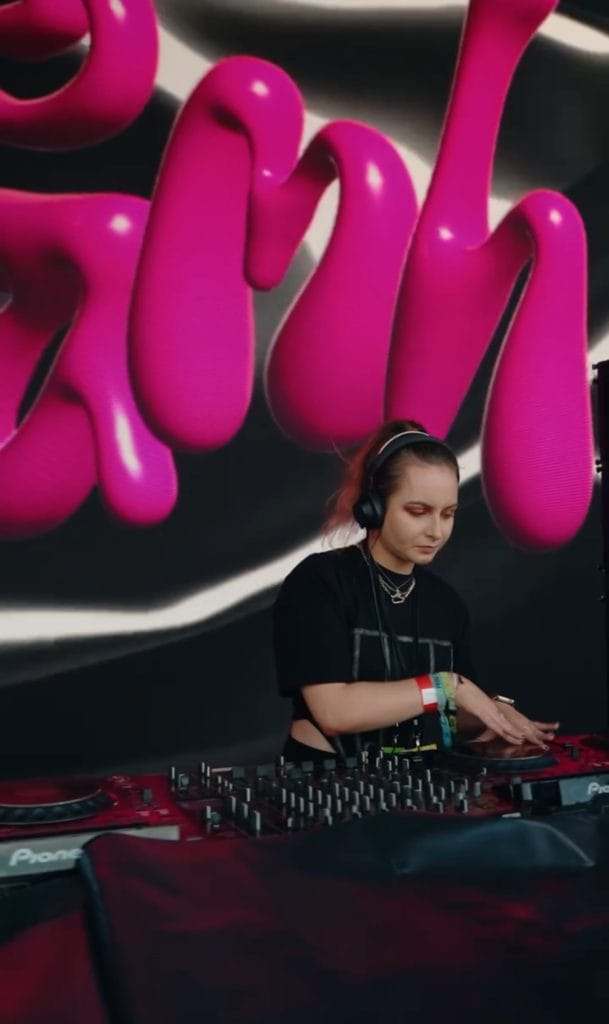
Totally. It’s no different to any other job when you get more experience doing things. You learn more, experience more, and ultimately establish how you deal with different scenarios and different issues that may arise: different types of people, different types of crowds and so on.
How do you stay present with the room when everything around DJing—branding, socials, optics—tries to pull you out of the moment?
When you’re DJing, none of the noise matters besides the noise that’s coming out of the Soundsystem.
You can have the best branding, the best social media metrics – which are already skewed because of algorithmic oppression, influence and preference – but you can still be a terrible DJ and your music still not resonate with the crowd on the night. Yes, branding, socials and optics are absolutely a thing and increasingly important (for better or worse is a discussion for another day), but at the end of the day, it’s you, your tech, and the dancers.
At 2am, when they want to have a great night with their mates that they could’ve been planning for a while, saving up for, spending their hard-earned money amidst a time we’re all being financially stretched as it is, they do not care if you’ve got a nice pretty Instagram!
What’s one thing you think people misunderstand about what DJs actually do?
This question makes me laugh because it reminds me of a TikToker who posted a video crying saying ‘what do DJs actually do?!!!’ haha. I do feel as if people don’t realise the skill of reading a room, and it’s something you build (no different to how you build a skill in any discipline – through practice).
You could turn up to the club having learnt how to DJ from a YouTube course or similar, be absolutely ace technically… but if you turn up, playing exclusively music that just doesn’t fit the atmosphere of that night (or that time of night), and the crowd hate it, what are you doing in that scenario? It takes skill to a) navigate that and b) learn how to read the room.
And yes, that concept might seem very obvious to those of us within the electronic music sphere — but there is a world outside of the music bubble, and a lot of people won’t realise the knack that reading your room takes.

Will Vance is a professional music producer who has been involved in the industry for the better part of a decade and has been the managing editor at Magnetic Magazine since mid-2022. In that time period, he has published thousands of articles on music production, industry think pieces and educational articles about the music industry. Over the last decade as a professional music producer, Will Vance has also ran multiple successful and highly respected record labels in the industry, including Where The Heart Is Records as well as having launched a new label with a focus on community through Magnetic Magazine. When not running these labels or producing his own music, Vance is likely writing for other top industry sites like Waves or the Hyperbits Masterclass or working on his upcoming book on mindfulness in music production. On the rare chance he's not thinking about music production, he's probably running a game of Dungeons and Dragons with his friends which he has been the dungeon master for for many years.