Table of Contents
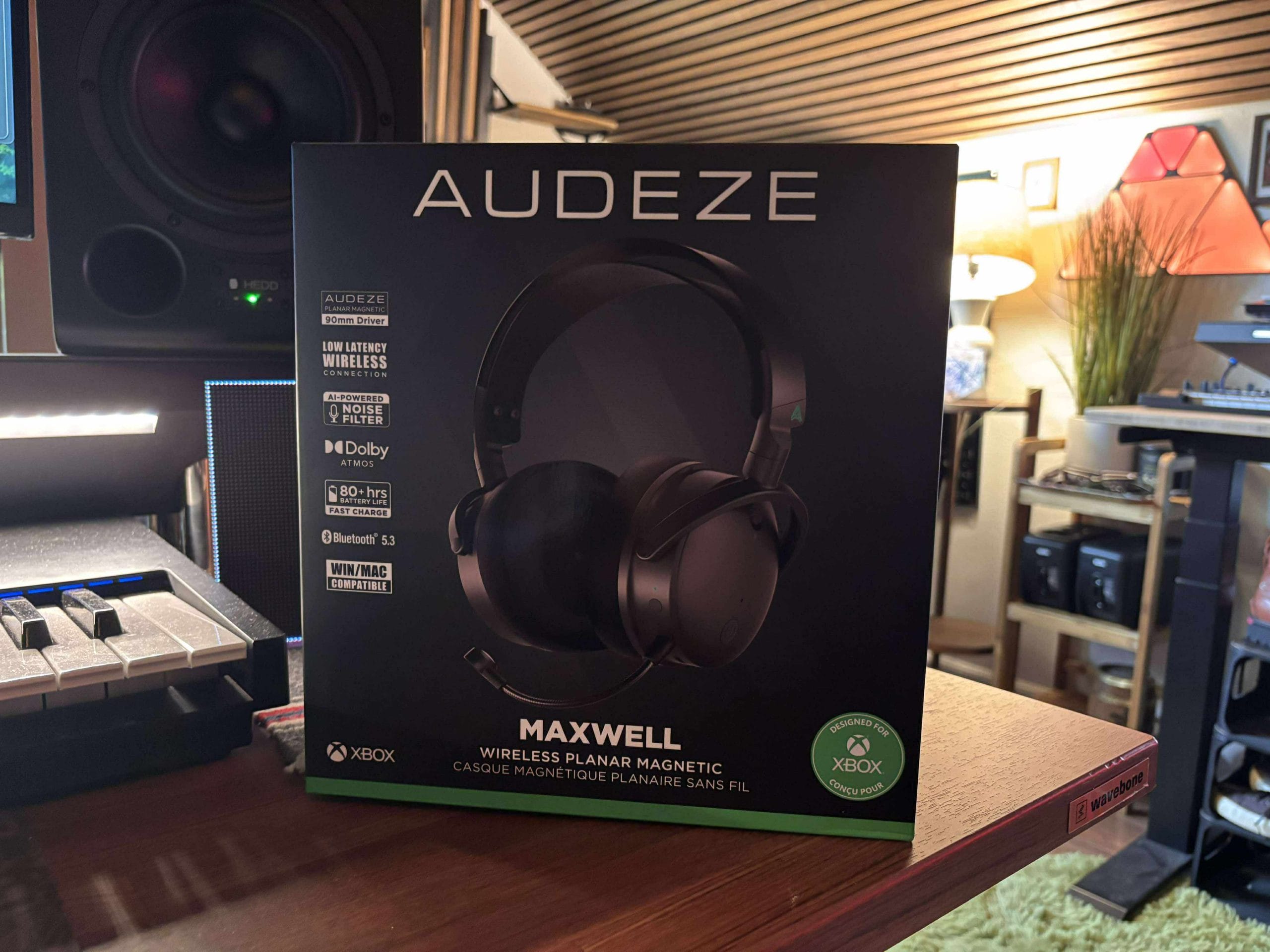
I have spent the past few weeks using the Audeze Maxwell for gaming sessions, listening to music, and some production work, and it has become the headset I keep on my desk more often than I expected. I initially wanted to check it out, thank you to Audeze for sending it, because I wanted to see if it was something that could handle competitive gaming while also giving me studio-level sound when I was not playing.
After living with it, I found that it held up to its marketing and replaced several other headphones I used to rotate between. That is still the main thing that makes the Maxwell interesting in 2026. It can move from Classic WoW and Total War: Warhammer 3 to late-night Ableton sessions without making me feel like I need to swap into a completely different setup.
The update note is important, though: Audeze now lists the original Maxwell as a legacy product no longer available for direct sale through Audeze. The official legacy page still shows the original $299 to $329 range, while the newer Audeze Maxwell 2 is now the current model at $329 to $349.
Quick answer: The original Audeze Maxwell is still worth buying in 2026 if you find remaining stock, used stock, or a sale price that puts it comfortably below Maxwell 2. If the price is close to $329, most buyers should move to Maxwell 2 instead.
What Is The 2026 Verdict On The Audeze Maxwell?
The Audeze Maxwell still earns a positive verdict, with one major buying caveat.
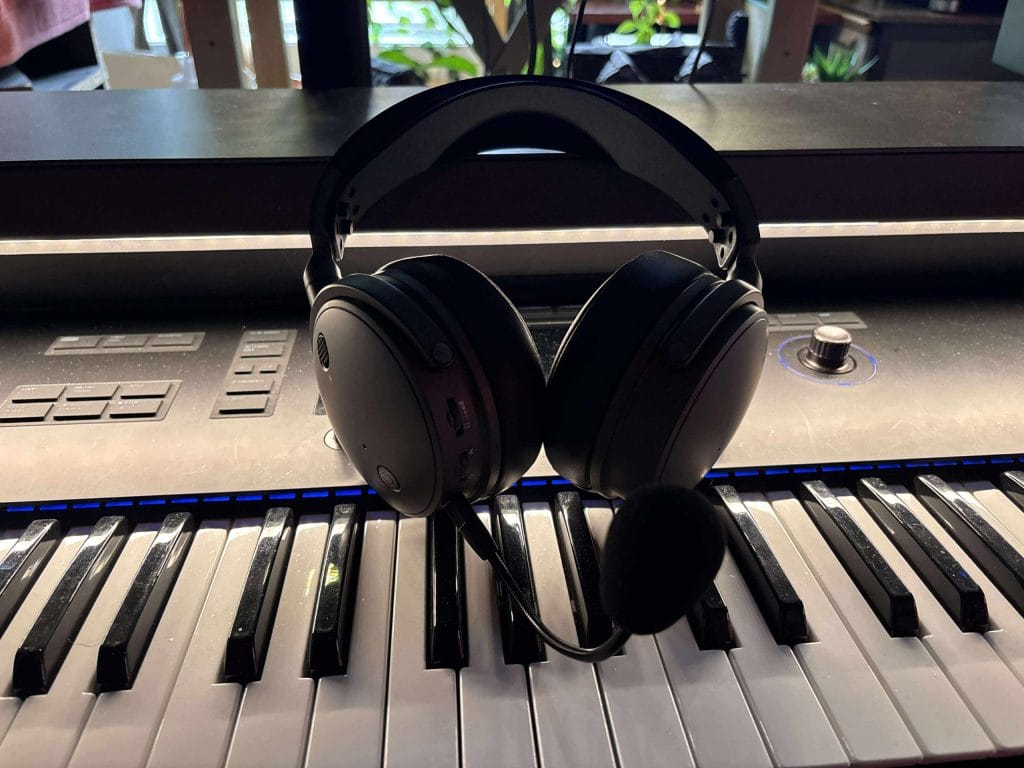
As a headset, it still sounds excellent. The 90mm planar magnetic drivers, long battery life, durable build, low-latency wireless, Bluetooth 5.3, USB-C audio, 3.5mm analog support, and onboard EQ still make it feel far ahead of most gaming headsets from the same period. The sound quality remains the reason to care.
As a purchase, the conversation has changed. Since the original Maxwell is now a legacy product, I would not pay full original pricing for it unless you specifically prefer the first-generation fit, weight, or tuning. If you can find it closer to $200 to $250, it is a great buy. If it is sitting at $299 to $329, I would strongly consider Maxwell 2 instead.
That does not take away from how good the original Maxwell still is. It just means the buying advice needs to be more exact in 2026.
What Changed For 2026?
The big change is model status. The original Maxwell is now a legacy product on Audeze’s site. It still has an official product page, and that page still lists the key specs, but Audeze is steering new buyers toward Maxwell 2.
The second change is the alternative list. The premium wireless gaming headset category is much more crowded now. The SteelSeries Arctis Nova Pro Omni, Astro A50 X, Turtle Beach Stealth Pro II, Razer BlackShark V3 Pro, and HyperX Cloud Alpha Wireless all make more direct sense as current comparisons than some of the older headset references.
The third change is that Audeze now has a clearer split between gaming and studio products. If you want wireless gaming, Maxwell 2 is the current route. If you want production-first listening and do not need a mic or wireless features, the Audeze MM-100 is the cleaner studio option. I would point readers to Review Audeze Mm 100 Studio Headphones for that side of the Audeze lineup.
How Much Does The Audeze Maxwell Cost In 2026?
Audeze lists the original Maxwell legacy price range at $299 to $329, with PlayStation and Xbox versions. Since it is no longer sold directly through Audeze, real purchase pricing depends on remaining retail stock, open-box units, used listings, and sale pricing.
Here is the short version:
| Product | Current Price Range | Current Status | Best Use Case |
|---|---|---|---|
| Audeze Maxwell | Legacy price listed at $299 to $329 | Legacy product, no longer sold direct by Audeze | Buy only if discounted or if you prefer the first model |
| Audeze Maxwell 2 | $329 to $349 | Current model | Best new Audeze gaming buy |
| SteelSeries Arctis Nova Pro Omni | Around $399.99 | Current premium competitor | Multi-system setups with ANC and hot-swap batteries |
| Astro A50 X | $399.99 | Current premium competitor | HDMI-based console and PC switching |
| Turtle Beach Stealth Pro II | Around $349.99 | Current premium competitor | ANC, 24-bit/96kHz wireless, simultaneous Bluetooth |
| Razer BlackShark V3 Pro | From $249.99 | Current esports competitor | Competitive play, mic quality, lighter feel |
| HyperX Cloud Alpha Wireless | $199.99 | Current battery-life pick | Long battery life at a lower price |
Setup and Build Quality
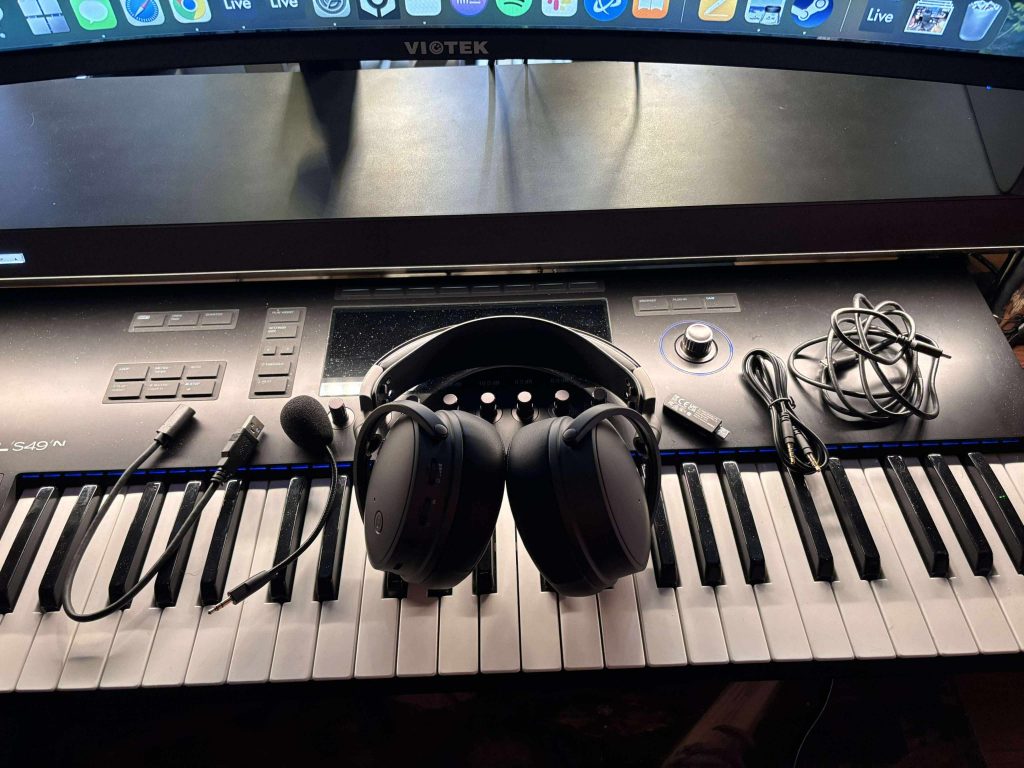
Right out of the box, the Maxwell felt like a piece of gear that was made to be used, not babied. And sure, that comes with a cost that we’ll chat about later, but these things “feel” luxurious and battle-ready (for lack of a better term). The chassis is reinforced with aluminum and steel, which immediately gives it a level of durability I appreciated. I’ve owned gaming headsets in the past that felt more like toys, but this one sits closer to the build quality of studio headphones I’ve used for years.
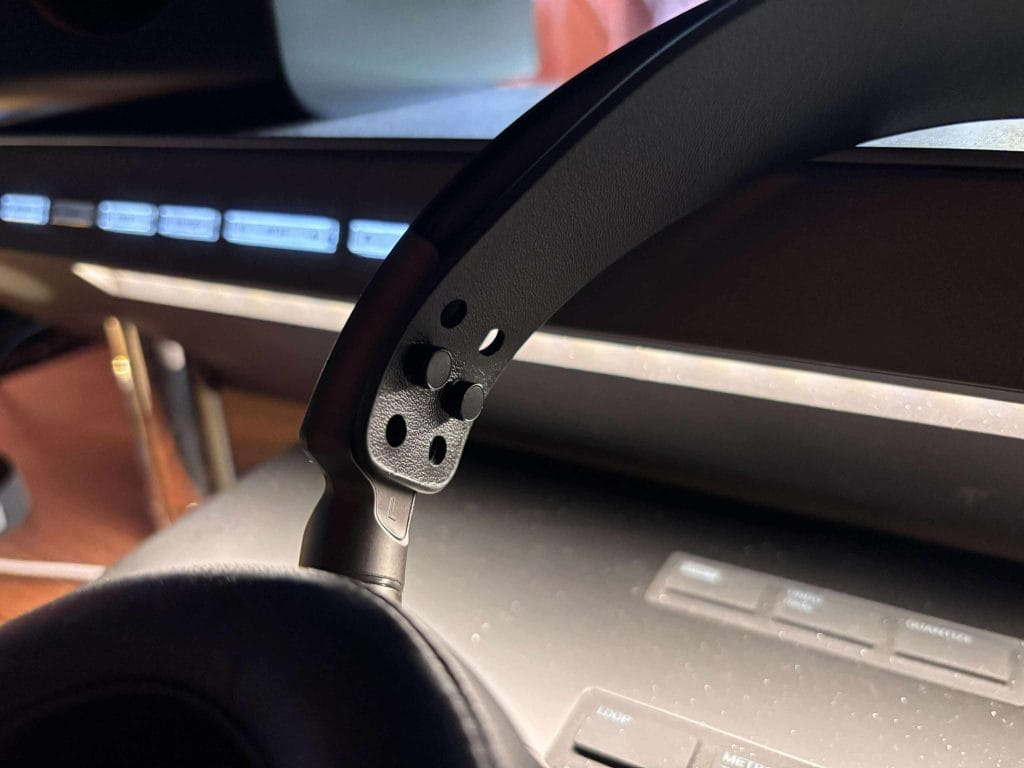
The headband’s suspension strap made a bigger difference than I expected, especially during long sessions where comfort usually starts to break down.
Setting it up was straightforward. The USB-C wireless dongle connected without any hassle, and I was up and running in under a minute. Switching between wired and wireless modes was equally simple, which is something I care about because I bounce between PC gaming, console gaming, and production work. Bluetooth multipoint is also handled well, and I was able to pair my phone alongside my PC without any lag or dropped connections.
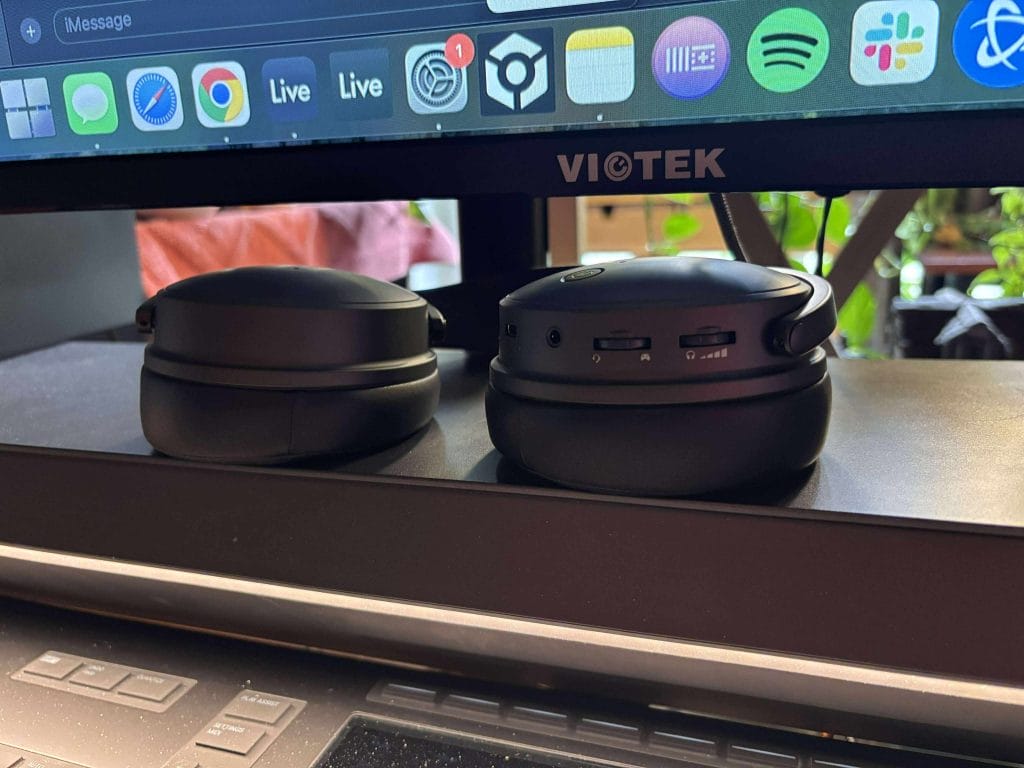
From a practical standpoint, the physical controls on the headset deserve credit. I thought that the dials feel responsive, and the buttons are placed in spots that you can actually reach without fumbling around. The physical mute switch, in particular, is one of those small but meaningful quality-of-life features. It’s quick, clear, and avoids the kind of software-based mic toggles that often slow you down.
Audio Performance
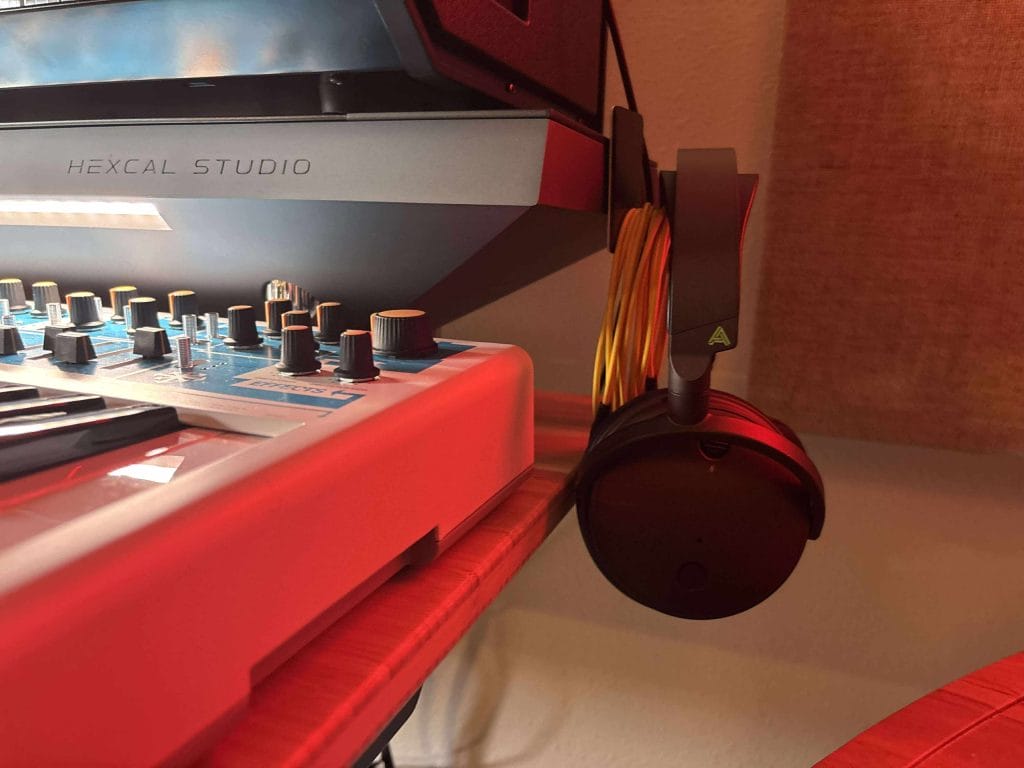
The 90mm planar magnetic drivers are what made me curious about the Maxwell in the first place. Planar drivers have a reputation for revealing detail that traditional dynamic drivers can miss, and Audeze’s tuning on these is immediately noticeable. The first time I loaded into a game with this headset, I was able to pick out positional cues with a level of clarity that felt natural instead of exaggerated.
For music, that same precision carried over.
I ran the Maxwell through my usual reference tracks and was impressed at how clean the low-end felt without getting bloated. The mids sit exactly where they should, and the top end has a clarity that doesn’t push into harshness. I’ve even used the headset to double-check some mixes, and while it’s not going to replace proper studio monitors, it gives you a level of trust in what you’re hearing that most gaming headsets don’t offer.
This is also a headset that rewards EQ.
The Audeze HQ app is well-designed, and the fact that EQ profiles save directly to the headset means that once you’ve dialed in your preferred settings, they carry over across every device without ever needing to reopen the app. And as much as I hate hardware that needs an app to adjust further or optimize, this personal gripe was helped a bit simply by how much it legit did improve the functionality and flexibility of these cans. Small tweaks can significantly alter how this headset performs for various tasks, whether that’s enhancing footsteps in competitive shooters or refining the frequency balance for music listening.
Battery Life and Connectivity
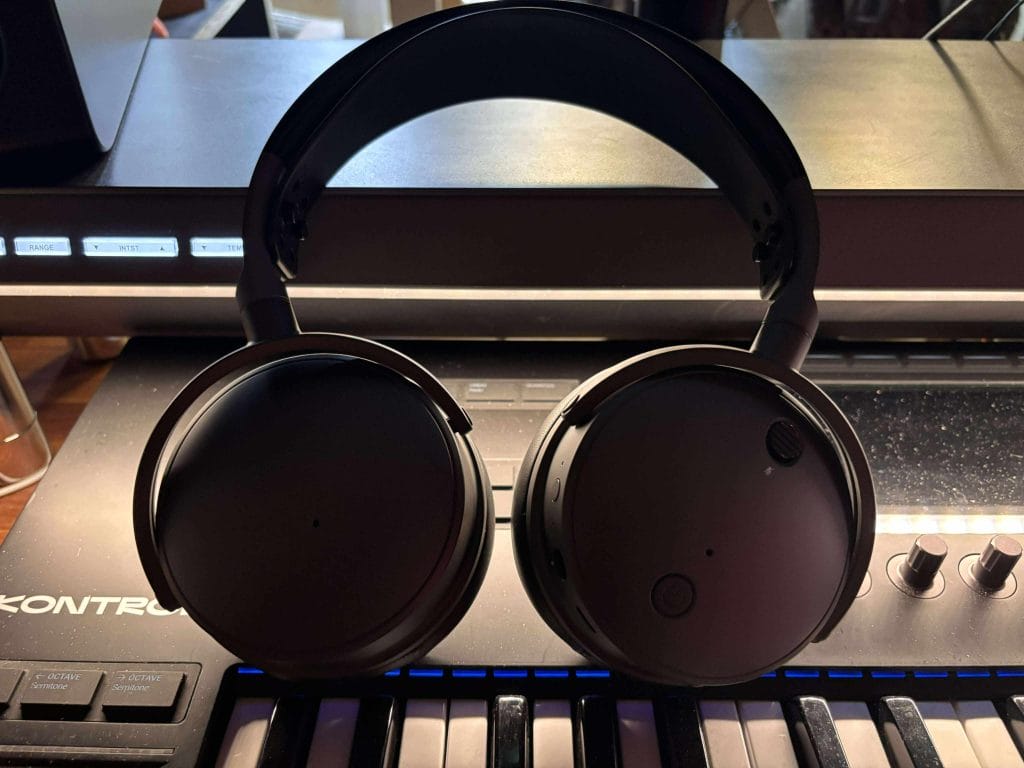
The battery life on the Maxwell is one of its biggest strengths. A full charge lasted me several days of heavy use, and the fast-charge feature genuinely does what it claims. Plugging it in for twenty minutes gave me an entire day of uninterrupted gaming and listening which was damn imrpessive.
Wireless performance is equally strong. Between the low-latency 2.4 GHz dongle, Bluetooth 5.3, and USB-C wired support, switching between platforms has been seamless. I’ve moved between PC, consoles, and mobile without ever feeling like I needed multiple headsets. The connection is stable, and I’ve walked into another room without experiencing dropouts or lag. That level of reliability is what makes the Maxwell easy to integrate into a daily setup and then forget about.
Comfort and Practical Use
At 490g, the Maxwell is heavier than many gaming headsets, and that weight does show up during extended sessions. The headband and suspension strap do a solid job of distributing it, but it takes a few days to get used to. The clamp force is firm but secure, and once I adjusted, I stopped thinking about it. So yeah, it’s heavy but with that weight comes that luxurious and battle-ready vibe I was talking about earlier in the piece.
The ear pads provide solid passive noise isolation, though they won’t block out loud environments completely. For late-night gaming or focused music sessions, the isolation was more than enough, and while they can warm up during long stretches, this is something I’ve run into with nearly every closed-back headset.
Microphone and Communication
The detachable boom mic is clear enough for gaming and calls, and the FILTER AI noise reduction tech does exactly what it should, cutting background noise without making your voice sound processed. I wouldn’t use it for content creation, but for Discord, competitive games, and even the occasional meeting, it has been completely reliable.
The built-in beamforming mics are a convenient bonus. I didn’t always want to attach the boom mic, especially if I was only hopping into a quick chat, but the onboard mics handled those situations without issue.
Spatial Audio and Platform Compatibility
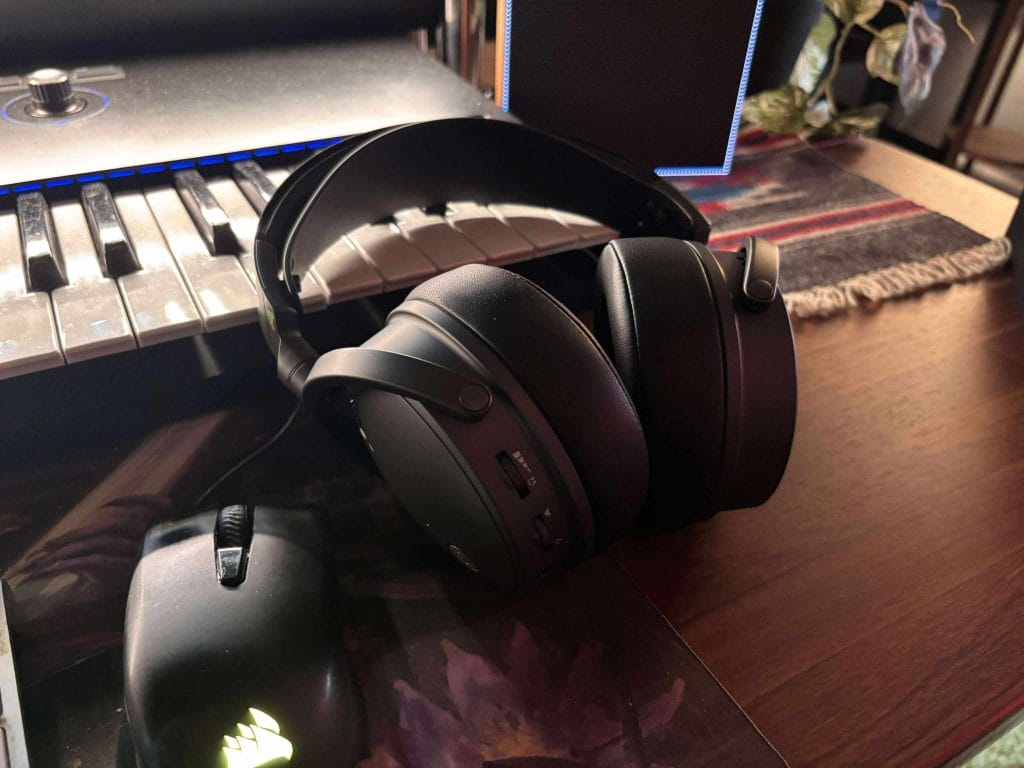
Spatial audio is another area where the Maxwell stands out. Dolby Atmos on the Xbox version and Tempest 3D audio specifically on PlayStation add a sense of positional accuracy that genuinely helps during competitive play. On PC, I even tested the Dolby Atmos head-tracking feature Audeze added through a firmware update. While it’s niche, it’s surprisingly useful for checking spatial placement in mixes, which shows how much this headset can stretch beyond pure gaming use.
Platform compatibility has also been rock solid. One headset, every device, zero juggling.
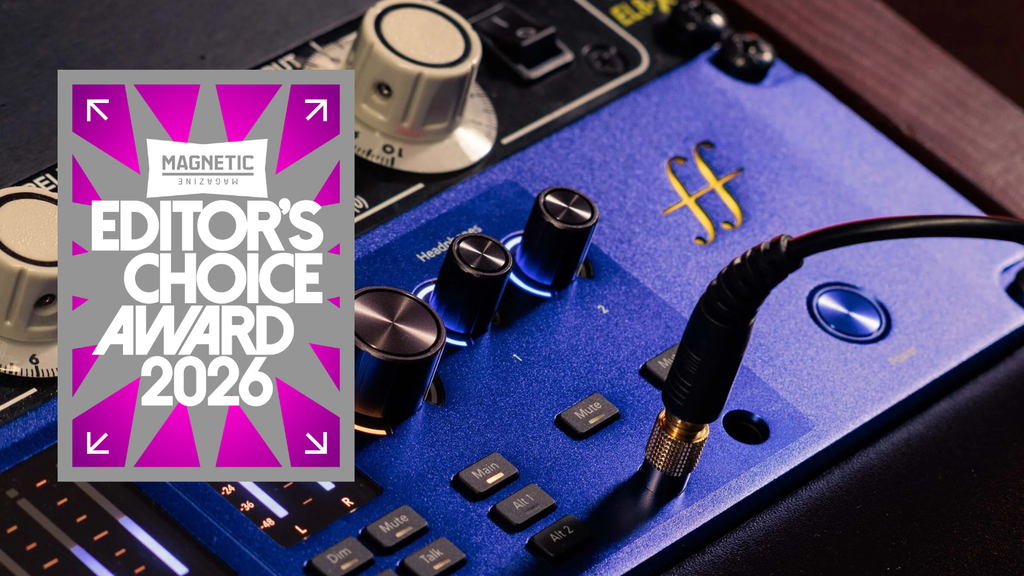
Editor’s Choice Award
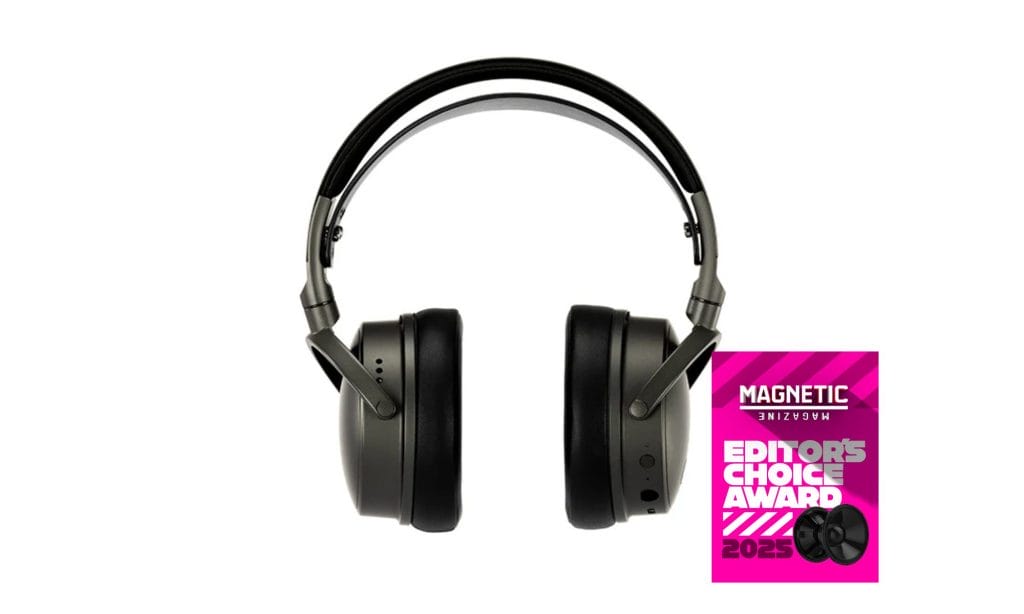
We normally reserve the Editor’s Choice Award for newly released products, but the Audeze Maxwell earns it without question.
Even in 2025, this headset remains a legacy powerhouse in gaming audio. Ongoing firmware updates, features like Dolby Atmos head-tracking, and its ability to function across gaming, music, and production make it one of the few headsets that has stayed relevant well past its launch. After weeks of real-world use, it’s clear why this headset continues to deserve recognition.
Final Thoughts
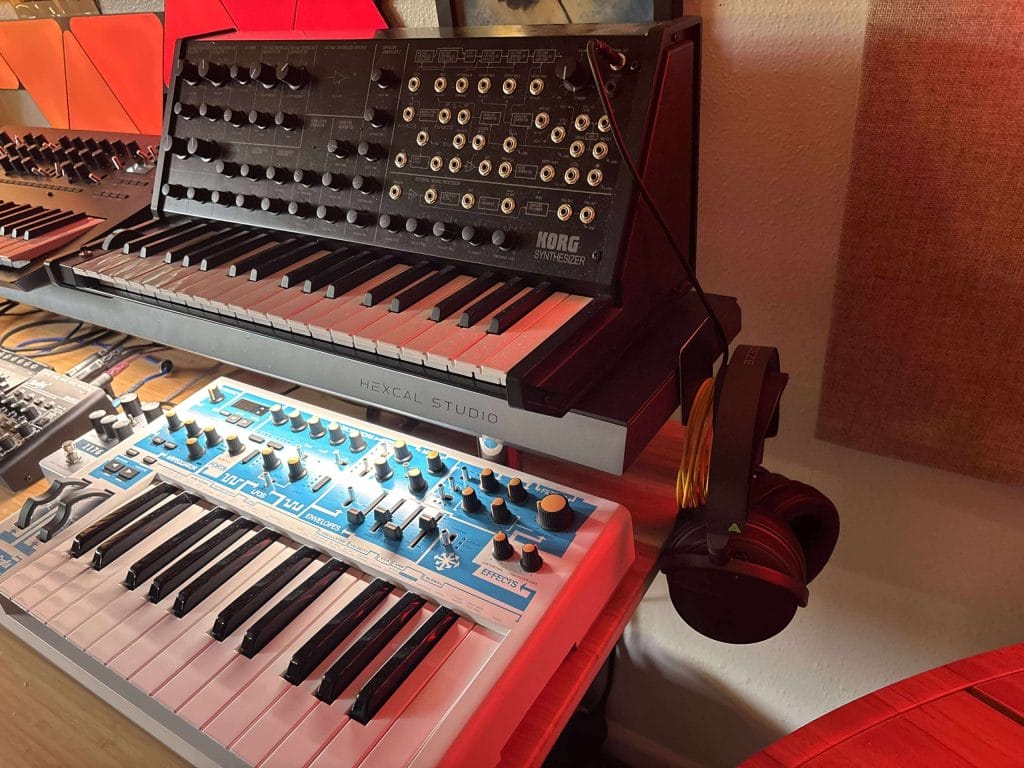
The Audeze Maxwell is the first wireless gaming headset I’ve used that I would recommend without hesitation to anyone who wants one device for gaming, music, and even production. Its sound quality, comfort, and feature set are strong enough to make it the headset I keep reaching for every day.
It isn’t perfect – the weight and clamp force take some getting used to – but once it settles in, it feels like part of your setup. Audeze has built a headset that has not only aged well but has continued to improve over time. After weeks of testing, the Maxwell has more than earned its spot on my desk and the Editor’s Choice badge that comes with it.
Pros and Cons
Pros
- Exceptional sound quality with planar magnetic drivers
- Reliable wireless performance across platforms
- EQ profiles save directly to the headset
- Excellent battery life with fast-charging
- Durable, well-built design
- Dolby Atmos head-tracking support
- Multiplatform compatibility (PC, consoles, mobile)
- Physical mute switch for convenience
- Meaningful firmware updates that add features
- High overall value at $299
Cons
- Heavy design (490g) can lead to fatigue over time
- Firm clamp force may require adjustment
- Ear pads can run warm during extended sessions
- Isolation is good but not absolute in noisy spaces
- Microphone is functional but not studio-grade
- Less portable due to weight and size
What Are The Best Audeze Maxwell Alternatives In 2026?
| Alternative | Current Price | Why You Would Buy It Instead | Where Maxwell Still Wins |
| Audeze Maxwell 2 | $329 to $349 | Current Audeze model, updated comfort, SLAM acoustic management, newer feature set | Original Maxwell is lighter and can be a better value if discounted |
| SteelSeries Arctis Nova Pro Omni | Around $399.99 | ANC, hot-swap batteries, all-system hub, Hi-Res wireless support | Maxwell has planar drivers and a more audio-first identity |
| Astro A50 X | $399.99 | HDMI 2.1 switching for Xbox, PS5, and PC setups | Maxwell is simpler if you do not need HDMI switching |
| Turtle Beach Stealth Pro II | Around $349.99 | ANC, simultaneous 2.4GHz and Bluetooth, 24-bit/96kHz wireless | Maxwell still has the planar-driver appeal |
| Razer BlackShark V3 Pro | From $249.99 | Lighter esports design, ANC, full-band mic, very low latency | Maxwell is better for music-first listening |
| HyperX Cloud Alpha Wireless | $199.99 | 300-hour battery life and lower price | Maxwell sounds more detailed and premium |
| Audeze MM-100 | Around $399 | Wired open-back studio listening and production | Maxwell is better for gaming, wireless use, and chat |
Is The Audeze Maxwell Still Worth Buying In 2026?
Yes, the original Audeze Maxwell is still worth buying in 2026, but only at the right price.
That is the updated verdict. The sound quality, battery life, build quality, wireless reliability, and platform coverage still hold up. I would still recommend it without hesitation to someone who finds a clean unit at a lower price and wants one device for gaming, music, Discord, and casual production checks.
I would not recommend paying full original pricing unless you have a specific reason to choose the first model. The Maxwell 2 now exists, and I covered that newer model in Audeze Maxwell 2 Review, so the original Maxwell has shifted from “default premium pick” to “excellent discounted buy.”
That is not a bad place for it to be. The Maxwell was far enough ahead when it launched that it still feels relevant now. It just needs the right price to make the buying decision feel clean in 2026.

Will Vance is a professional music producer who has been involved in the industry for the better part of a decade and has been the managing editor at Magnetic Magazine since mid-2022. In that time period, he has published thousands of articles on music production, industry think pieces and educational articles about the music industry. Over the last decade as a professional music producer, Will Vance has also ran multiple successful and highly respected record labels in the industry, including Where The Heart Is Records as well as having launched a new label with a focus on community through Magnetic Magazine. When not running these labels or producing his own music, Vance is likely writing for other top industry sites like Waves or the Hyperbits Masterclass or working on his upcoming book on mindfulness in music production. On the rare chance he's not thinking about music production, he's probably running a game of Dungeons and Dragons with his friends which he has been the dungeon master for for many years.