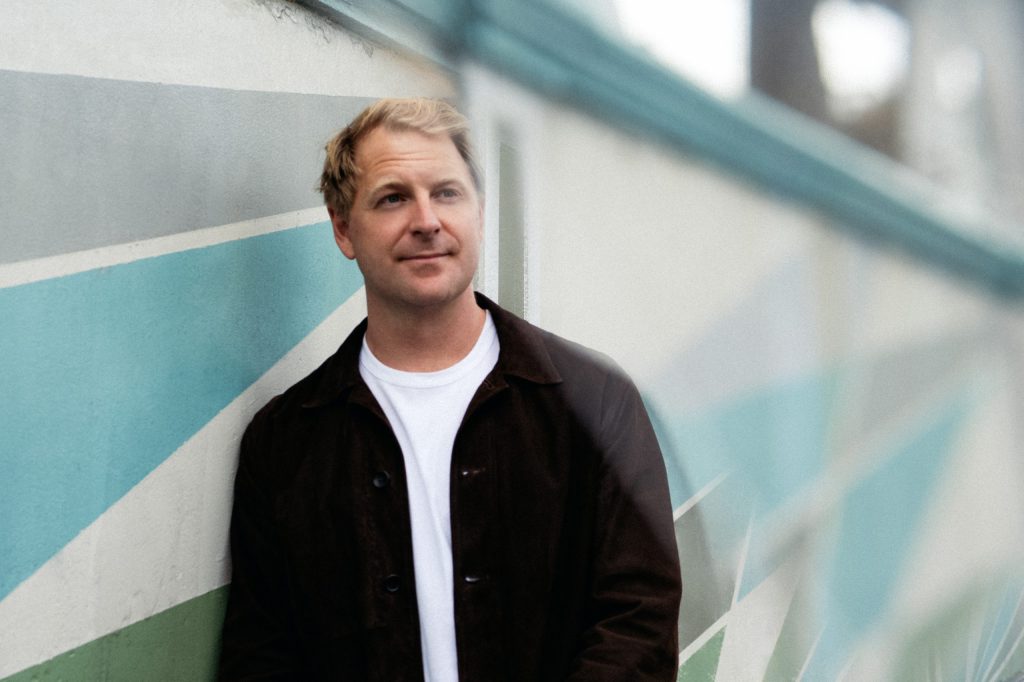
For fans who’ve been following Avoure since the early SoundCloud days, “Halo” has long lived in myth. Originally written in 2018 and uploaded as a free download, the track became an underground favorite before quietly disappearing from the internet. Now, nearly seven years later, the Ukrainian-born, LA-based producer is finally giving “Halo” its official moment — fully remade, re-mastered, and paired with another longtime idea, “Renaissance,” for a two-track EP that marks the beginning of his first full-length album cycle.
Released on his own newly launched label Biome Recordings, Halo EP is a clean break from years of industry compromise, a self-directed return to the emotion-rich production that first made listeners fall in love with his sound. “This isn’t just new music,” Avoure says. “This is about returning to what mattered most when I first started — real, emotional music with no middleman between me and the listener.”
With over 250 million streams to date, playlist support from Spotify and Apple Music, and co-signs from artists like Black Coffee, Diplo, and ZHU, Avoure is stepping into a new chapter. We caught up with him to talk about the journey back to “Halo,” the decision to start his own label, and what fans can expect from his long-awaited debut album.
Alright, let’s start here—Halo was basically the first thing you ever made as Avoure, right? What’s it like finally giving that track a proper release after all this time?
Honestly, I can’t even say for sure what the very first Avoure track was. It was more of a gradual shift from my older project, which was more classic Progressive House and Trance. At some point, as I fell in love with that early Anjunadeep sound, I realized: “Wait, this isn’t really trance anymore, or house… It’s something else.”
Halo was one of those moments where I kind of “found myself again.” At that period of time, after a few successful releases under my new artist name (Avoure), I got a little too caught up in chasing genres and formats—forgot what real music meant to me.
With this release, I finally came back to myself, to remind myself: my music has to be emotional, even if it doesn’t fit into some neat genre box. What does it feel like? Imagine you went on a seven-year journey around the world and just now made it home—to hug your family, your kids. And you never want to leave again. That’s how it feels.
You put it up as a free download on SoundCloud and it blew up pretty quick. At what point did you realize, “OK, this one actually connected with people”? Then you took it down after it gained momentum—what made you want to hold it back instead of letting it keep going?
When I saw the play count jumping up, I honestly had no idea why. It wasn’t like, “Whoa, so many streams!”—but then I started reading the comments and it clicked. People were feeling the same thing I did while writing it—a sense of complete immersion, that bittersweet, nostalgic vibe.
That’s when I realized the track deserved more than just living on SoundCloud—I felt I had to do whatever it took to give it a real, official release so more people could experience it on every platform.
So, I took it down from SoundCloud, convinced that the official Halo release was just around the corner. But, as life happens, it ended up taking seven years to finally make it happen.
Fast forward to now and you’re re-releasing it with a fresh sound. What changed technically in the production compared to the 2018 version?
Honestly, everything you could call “quality” changed. The vibe and mood—I really wanted to keep those as true to the original as possible. That was the whole point: to preserve that first idea, without distorting it.
But the industry moves on, so I had to sacrifice a few things to make it fit today’s sound—but honestly, I think that made the track even stronger.
Spoiler: there’s going to be a Bandcamp exclusive that includes the old version of Halo too, so people can compare and choose which one hits harder for them.
Personally, the new version—with all the analog synths and new gear—just feels more alive and crisp. But there’s something raw in the old one, this youthful energy that was just everywhere in my tracks from that era.
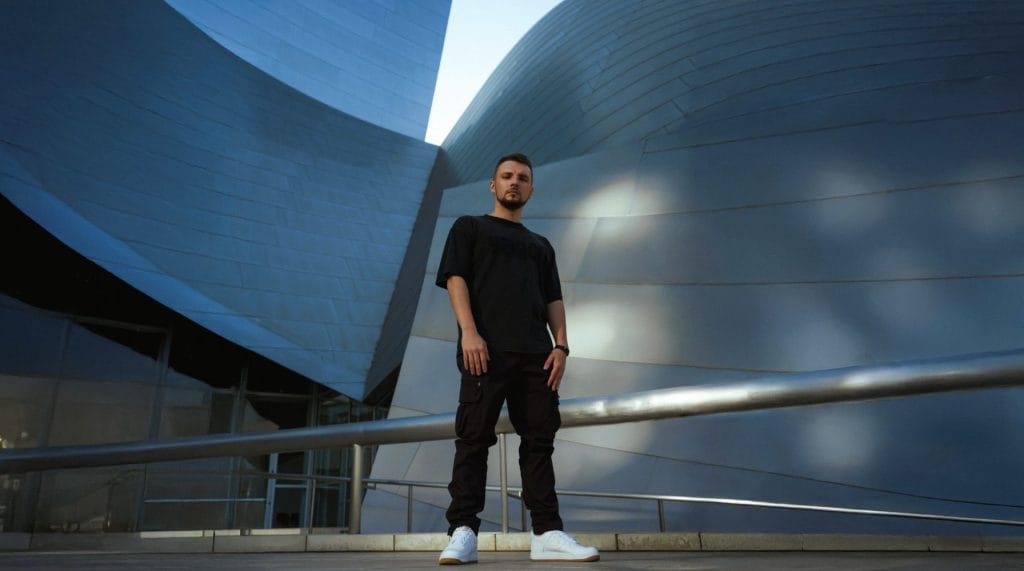
You’ve said this release feels like a return to the roots. What exactly are those roots for you? What defines that original Avoure sound?
The Avoure sound is just… my musical instinct. It’s not tied to any one synth or sound, even though I have my own tricks and signatures. My sound isn’t a fixed thing—it’s more like a current, where every new release shows a new mood, a new part of me. There’s this subtle code in my tracks that people who know my music can pick up on.
Not every track has to be a fan favorite, but they’re all part of my journey, the evolution of Avoure.
If I had to sum it up: my language is music, and my goal is to move people. That’s the whole core of Avoure.
Like I mentioned, I spent years trying to “play the industry game” without losing myself—turns out, that’s impossible. You have to pick: either you, or the industry’s rules. I picked honesty and real creativity. That’s why I came back to Halo, to the start.
It’s not some romantic “first track” story—it’s about a conscious, moral choice.
You’re dropping your first album soon, and doing it on your own label. What made you want to take full control this time?
You know, when you reach that point where it’s all or nothing, when you decide: is it going to be the industry (genres, style, playlists, DJ supports etc.), or the listeners who loved you for being yourself?
For me, it’s not even about “full control.” It’s about having no middleman between my ideas, my feelings, and the listener. I’d call it a flow, a kind of complete connection—where the listener actually feels what I felt while writing.
Honestly, I believe that’s the future. Real art is quieter these days, drowned out by marketing, promo, ads and other noise, but it lasts forever. That’s the goal: to make something real, not just something that sells.
Most labels just do things the way they believe works best for them. I may not always agree, but I don’t judge—it’s their path, and I’m simply choosing mine.
With Biome Recordings, I get to build a platform that serves the music and the artists who share my values: honesty with yourself and your audience matters more than any trend.
Is this album made up of mostly new material, or are there other “older” ideas like Halo and Renaissance that made the cut?
Great question, thanks Will. For me, an album is like a “chapter” of my life and creativity. So yes, it will definitely include some tracks from my recent EPs and singles on Biome Recordings—and for sure, Halo will be there as one of the first seeds that grew into the Avoure project.
But just to clarify for everyone: my older tracks that came out on other labels, no matter how popular, aren’t gonna be a part of my upcoming album—there are a lot of reasons for that, including legal stuff.
But most importantly, this album is about now, about where I am in my life and music at this moment.
There have been a lot of changes for me over the last few years, so I have plenty to share 😉

Magnetic byline note: This byline is used for staff produced updates and short announcements, often based on press materials and official release information. Editorial responsibility: David Ireland (Editor in Chief) and Will Vance (Managing Editor). About: https://magneticmag.com/about/ Masthead: https://magneticmag.com/masthead/ Contact: https://magneticmag.com/contact/