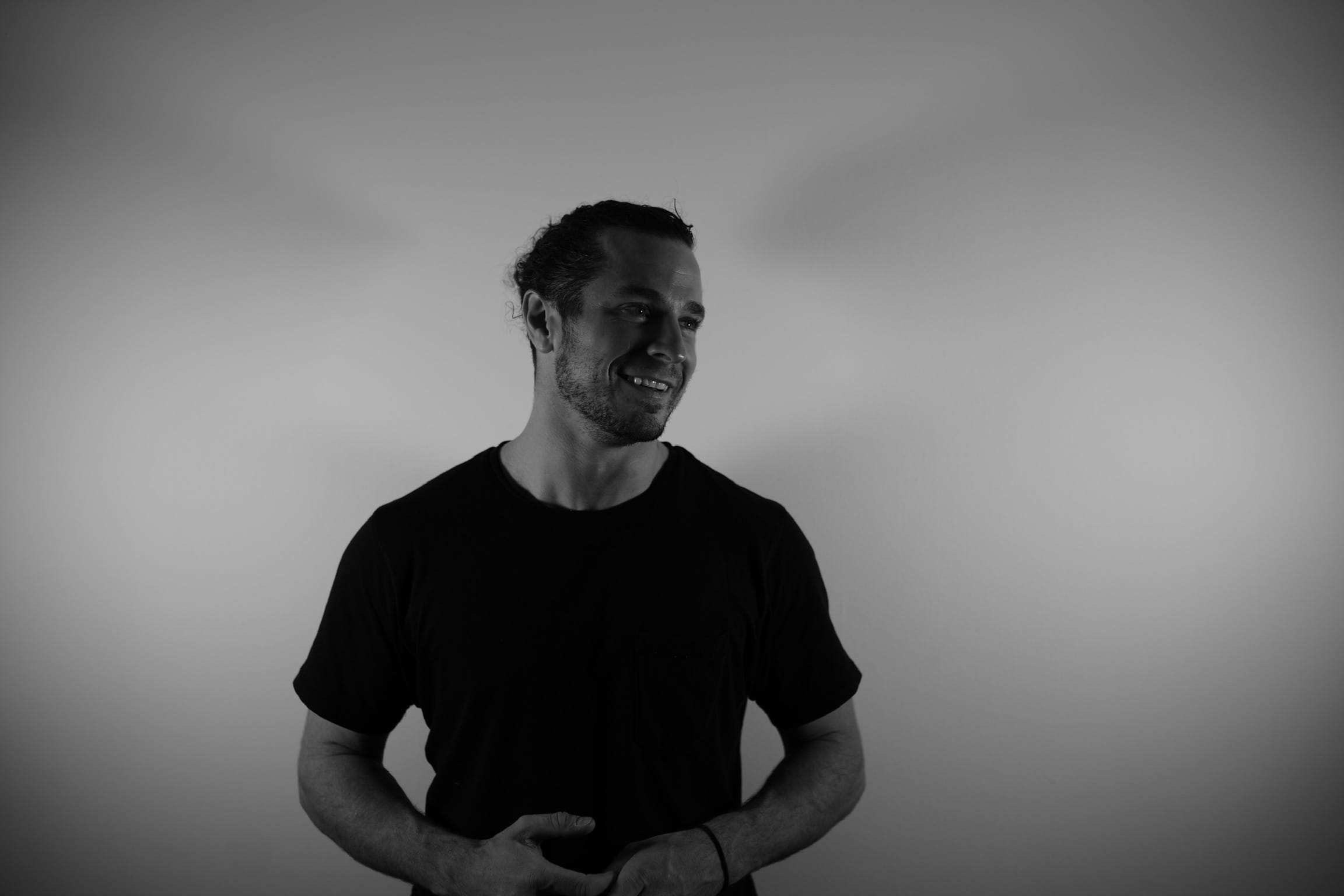
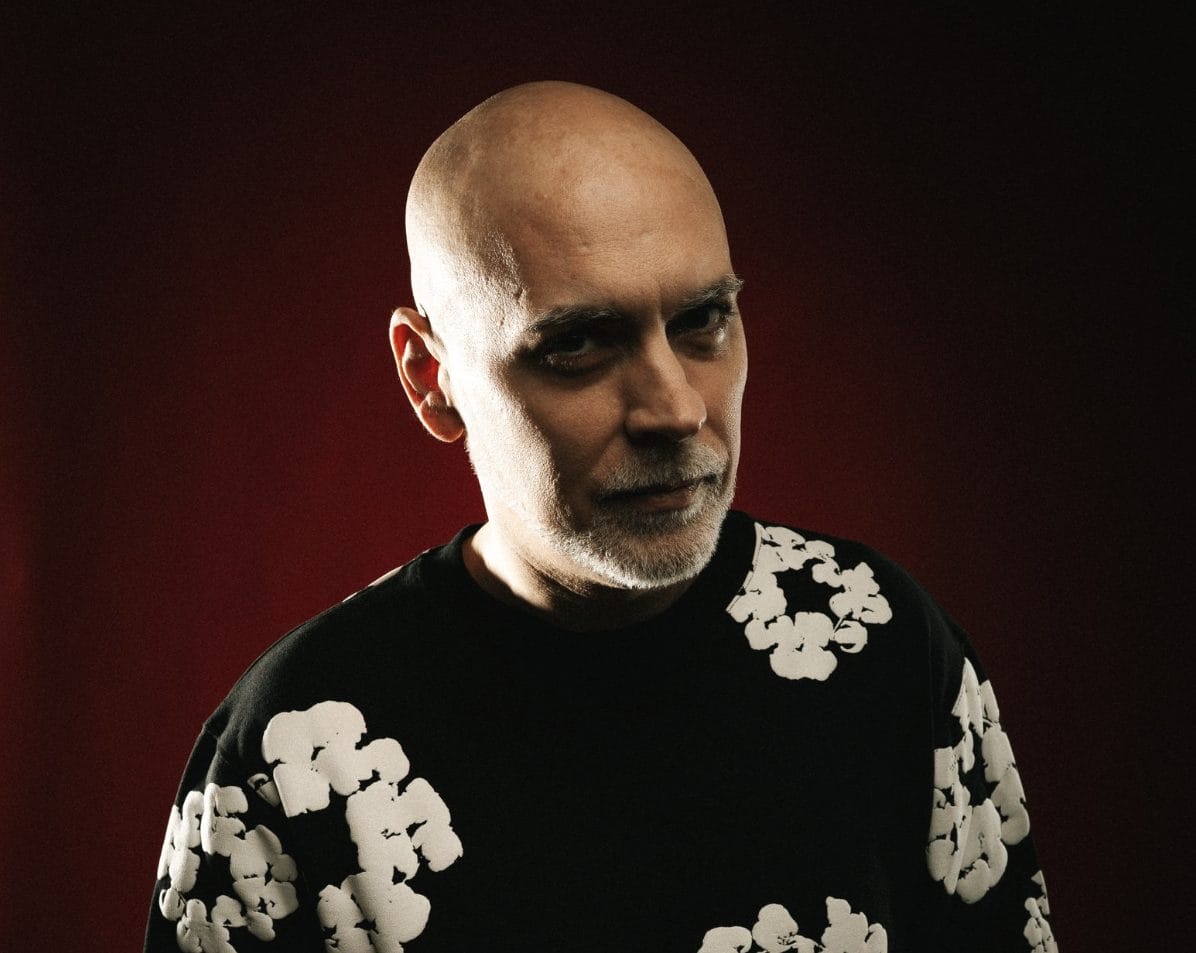
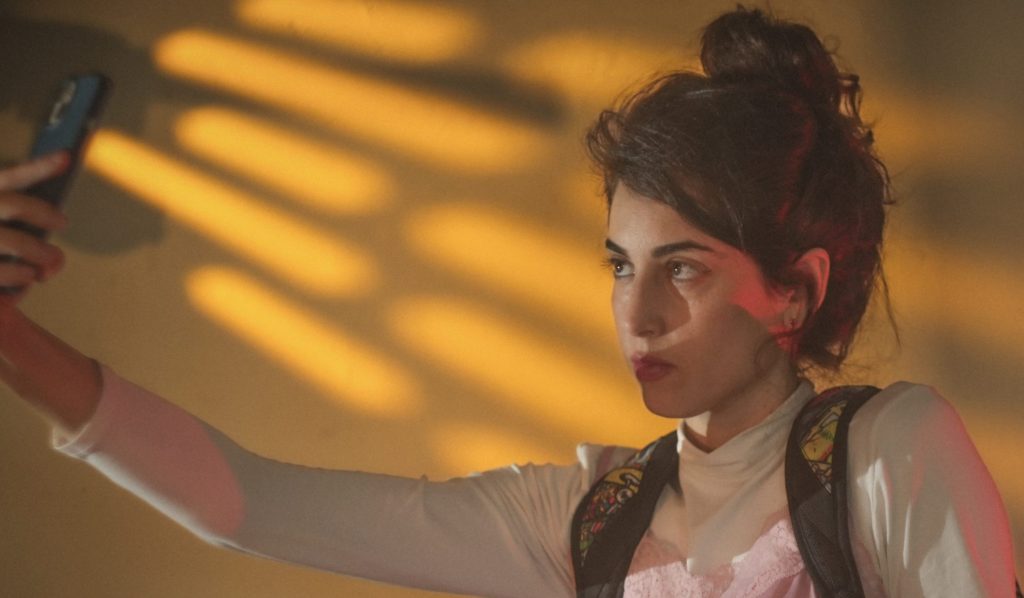
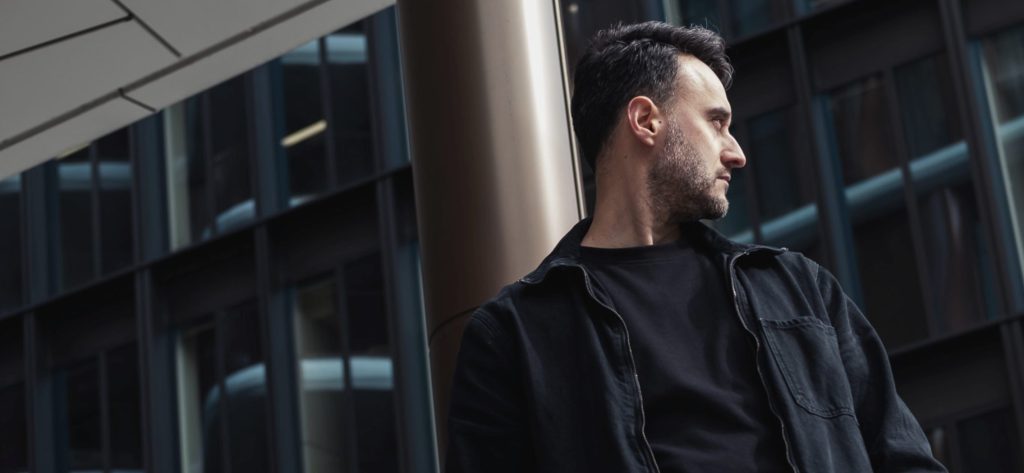
After a long stretch of silence, Nervian Society returns with renewed clarity and a deeper emotional edge. “Such a Daddy’s Girl,” the new single out via Sub Continental, is both a personal milestone and a musical evolution. It’s their first release since Dorian C’s recovery from serious illness, and it carries a kind of lived-in warmth that only comes from seeing things from the other side.
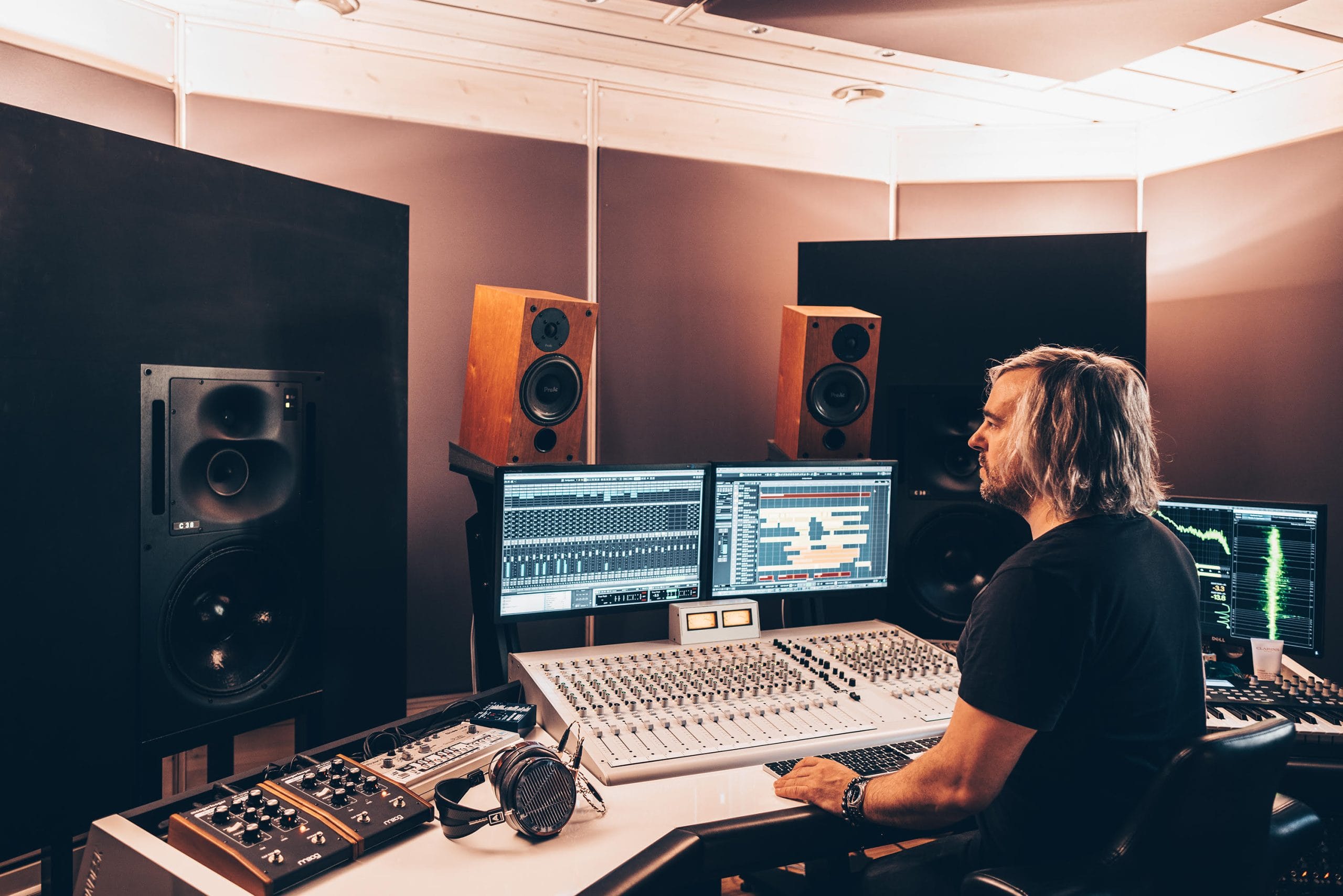
With vocals from Greek-Belgian artist Alexandra Kavvadias, the track lands somewhere between Italo-disco and dream pop, pulsing with steady basslines and melodic synth work that gives it dancefloor function without losing its introspective core. The extended “Estuary Remix” version stretches that energy into something more spacious—perfect for late sets and deeper moments. Produced at Brussels’ Spector Studio, which Dorian co-founded, the record feels like the sound of someone returning to themselves.
We sat down to talk listening, focus, and what it means to recalibrate your creative relationship after years in the game.
How did your understanding of listening change as you became a producer?
Alongside the emotional response that still moves me like it would any listener, I’ve started noticing more technical details. I pay attention to how things are arranged, how the sounds are balanced, and how the track develops over time. I also try to imagine what it was like in the room when the track was made, what the musicians or producer were doing, and what guided the decisions behind the music.
That perspective adds another layer to how I experience it.
What have you learned about the difference between hearing and actually listening?
Hearing is automatic.
You catch the rhythm, you feel the sound. But actually listening means being more present. It’s about recognising what you’re hearing, being able to describe it, and understanding how it’s put together. It turns the experience into something more focused and active.
What role does listening play in shaping your creative direction before you ever open a DAW?
Listening helps form the starting point. It gives me ideas about textures or moods I might want to explore. Sometimes I’ll pick up on something subtle in a track and carry that feeling into my own work, without trying to copy it. It’s more about letting those impressions guide me in a loose, instinctive way. It helps shape where I want to go before I start building anything.
How has your approach to listening evolved over time and what drove that evolution?
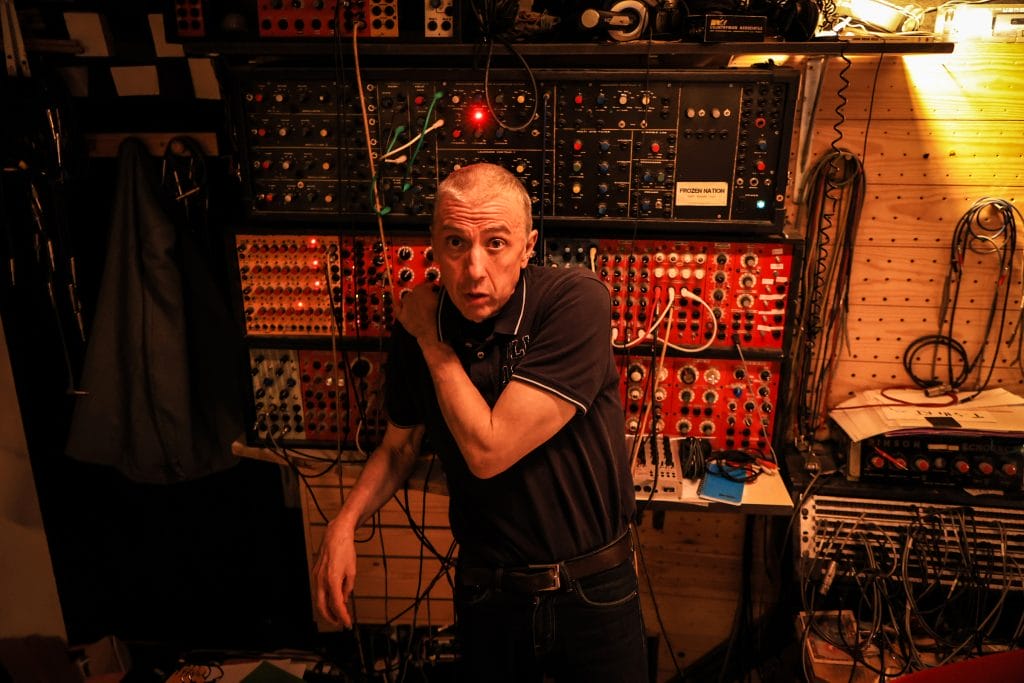
When I was a kid, every new song felt like its own world. I would imagine where it came from and how it was made. That sense of curiosity is still there, but now I have more tools to understand what I’m hearing. I can break it down if I want to, or I can just let it wash over me. It depends on the mood. When I play hardcore punk live, it’s a totally different kind of listening. I have to stay sharp, react fast, and stay fully inside the sound.
It’s chaotic but exciting. So my approach has become more flexible. I know when to analyse and when to just feel it.
When you’re trying to grow creatively, what kind of listening actually moves the needle?
Hearing something honest always helps. Tracks that feel unpolished or direct can be more inspiring than ones that are technically perfect.
Also, listening at a distance or at really low volume can shift how I hear a track. It can reveal unexpected harmonies or rhythms that weren’t obvious before. Little changes in how I listen can lead to new ideas.
How do you know when you’re listening with intention versus passively absorbing?
It’s usually clear.
When I’m listening with intention, I’m focused on the structure, the mix, the choices the producer made. I’m inside the track. When I’m just absorbing, I’m not thinking about any of that. I’m just in it. With other people’s music, I can switch between those two pretty easily. With my own tracks, I need time. I can’t always hear them clearly right away. I need to step back before I can listen with that same focus.
What do you think most newer producers misunderstand about the act of listening?
Everyone learns at their own pace. Mistakes are part of it. I don’t think there’s a single right way to listen. People need to explore and figure it out for themselves. That’s how you start to develop your own method, your own sound, and your own way of hearing the world.

Magnetic byline note: This byline is used for staff produced updates and short announcements, often based on press materials and official release information. Editorial responsibility: David Ireland (Editor in Chief) and Will Vance (Managing Editor). About: https://magneticmag.com/about/ Masthead: https://magneticmag.com/masthead/ Contact: https://magneticmag.com/contact/