Table of Contents
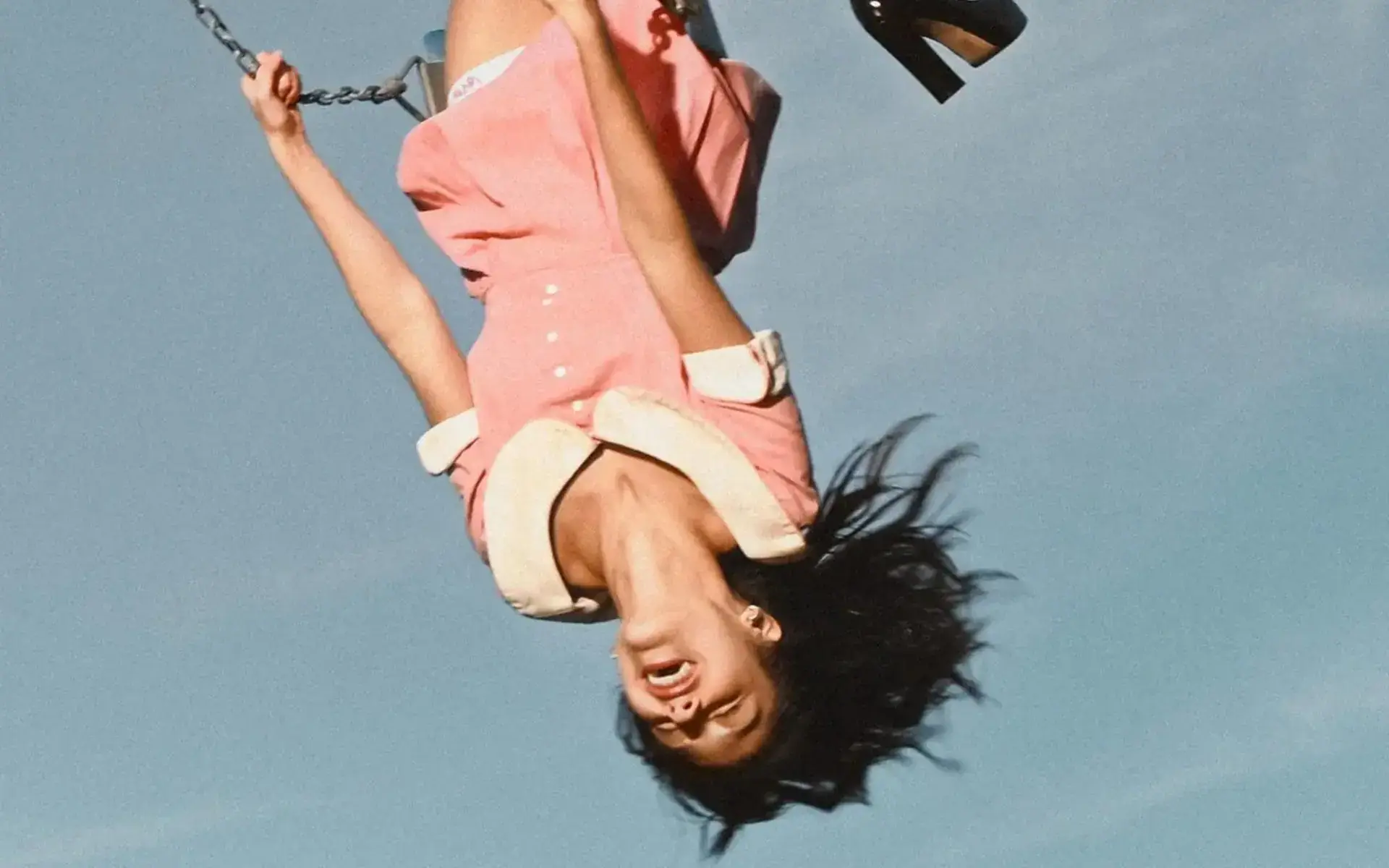
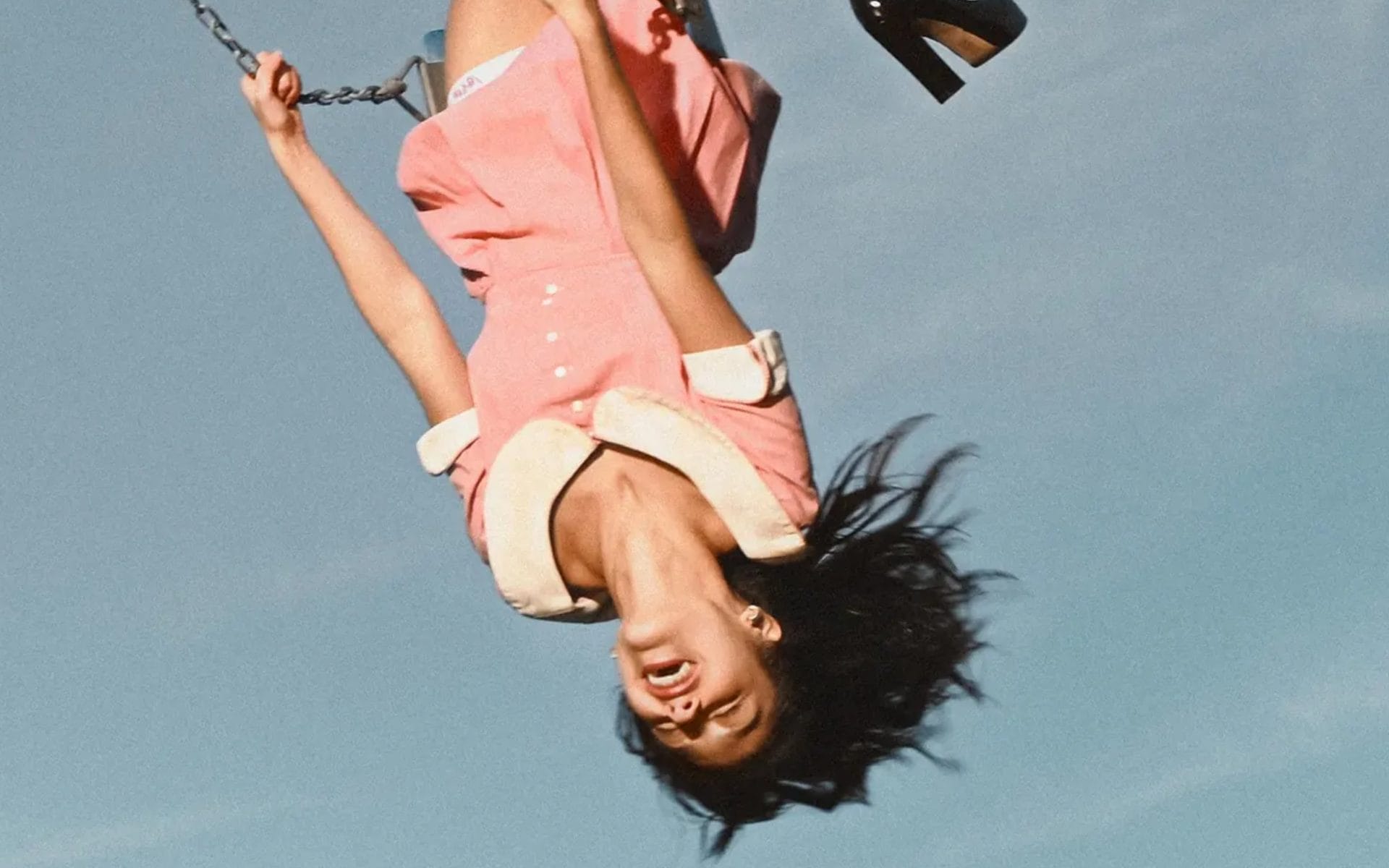
Album Artwork Courtesy Of: Fearless Records, Distributed by Concord.
There’s something about a band like Pierce the Veil putting out a deluxe edition that makes you want to pay closer attention. “Kiss Me Now” dropped ahead of the expanded release of The Jaws of Life, and yeah, on first listen, it sounds like classic Pierce—the kind of anxious, melodic push-pull they do so well. But when you slow down and actually sit with the lyrics, something more deliberate starts to show up.
According to frontman Vic Fuentes, the song was written as a love letter to his wife, Danielle, and came from this feeling that life is moving too fast. That if you wait for the “perfect” moment, you might miss the real one.
That hit hard for me. Especially in a world where so many songs feel like they’re either running from pain or drowning in it, this one tries something harder: being still with it.
Fuentes wrote the track with Josh Rheault (formerly of The Dear Hunter), and it was originally cut from the album because the band felt The Jaws of Life was already leaning a little slow. But now, hearing it in this expanded context—paired with their cover of “Karma Police”—it kind of acts like the missing emotional thread.
And not for the album, but for where the band is creatively.
What I want to do here is read “Kiss Me Now” not as a song but as a piece of writing. Not to over-intellectualize it, but to use the tools I’ve built as a literature and creative writing guy to show that these lyrics are saying something bigger than what first hits your ears.
We’re going to look at it closely, line by line, and see what themes rise up—and yeah, I’m gonna sneak in a few comparisons to poetry and fiction because I think it helps us see more clearly what the song is actually doing. This isn’t about “proving” it’s good. It’s about reading it like it matters.
Kiss Me Now: At a Glance
- Originally cut from The Jaws of Life, the song now anchors the deluxe edition as a kind of emotional hinge—something quiet but solid.
- The lyrics are about acting before time slips away—not in some dramatic way, but in the way people miss chances by hesitating too long.
- There’s a back-and-forth between doubt and care. It’s not trying to solve anything, just naming what’s hard and choosing to stay anyway.
“Kiss me now or never / ’Cause moments fade away”
This is where the whole song begins. And right from the first line, I can tell the singer is scared of losing time. They’re saying, “If this moment matters, we need to act now.” It’s about fear. The fear that if you wait too long, something real might slip away forever.
In my opinion, this shows how badly the speaker wants to hold on to something that feels right.
But they also know they can’t control time. Moments come and go. You either grab them or you don’t. That kind of pressure—to say how you feel before it’s too late—is something a lot of people go through, especially when things are changing fast.
There’s a poem by Jack Gilbert that helps explain this. In “Failing and Flying,” he writes, “I believe Icarus was not failing as he fell, but just coming to the end of his triumph.” That matches the feeling here. They just want to make the most of what they have right now—even if it doesn’t last.
“We belong together / ’Cause life is full of pain”
This line might sound sad, but I think it’s one of the most real parts of the song. They’re saying pain is part of life—and that’s exactly why we need each other. That’s not a romantic daydream. That’s a statement about survival.
The important word here is “belong.” It means more than just liking someone. It means needing someone in your life because they help you carry the heavy stuff. And the reason they give? Because life hurts. To me, that’s not dramatic—it’s honest. The connection matters because things fall apart. Not in spite of it.
This connects directly to a poem by Nazim Hikmet called “On Living.”
He writes, “Living is no laughing matter: you must live with great seriousness.” That matches what the song is saying here. Hikmet also says you should live “as if you were listening to music,” even when life is hard. The speaker in this song chooses to stay with someone through it.
“Umbrellas catching all the rain”
This is one of those little lines that says a lot with just a few words. When I hear this, I picture two people standing in a storm. They’re not dry. They’re not running. But they are catching the rain—together. It’s a quiet way of showing that love doesn’t fix the storm, but it gives you shelter from it.
To me, this is the song’s way of saying, “We can’t stop the bad stuff, but we can protect each other from all of it.” That’s what real love looks like. Not avoiding pain, but holding on through it. That makes this image stronger than a sweet picture. It’s about care and endurance.
Louise Glück talks about this kind of quiet strength in “The Wild Iris.”
She writes, “It is terrible to survive / as consciousness / buried in the dark earth.” That line shows deep pain. But the flower in her poem still grows again. I think this lyric works the same way. Even with the rain, they keep standing. That says a lot about what love means.
“And you take away / The misery / Of crushing doubt”
This line is the emotional center of the song. The speaker is full of doubt—so much that it feels crushing—but being with this person makes it easier. Notice that it doesn’t say the pain goes away completely. Just that this person helps carry it. That’s not the same as a fairytale ending. It’s better—it’s real.
In my opinion, this is where the song shifts. The speaker is no longer afraid of losing time.
Now they’re saying, “I carry pain, but you help me through it.” This kind of emotional support is rare, and the song treats it like something to hold on to. That’s why the word “misery” is used. It shows how big the feeling is.
Again, this matches what Jack Gilbert says in “Failing and Flying.” Even though the love in that poem ends, he writes, “The marriage was not a failure. He loved her.” That’s the same idea here. The love doesn’t erase the doubt. But it makes it worth bearing. That’s what makes this line one of the strongest in the whole song.
“If we’re falling through the trees / I’ll pick the thorns out you couldn’t reach”
Now the speaker offers love. Even in the middle of chaos—falling through trees—they’re saying, “I’ll take care of you.” That line about picking thorns? That’s about small, painful things that are hard to fix alone. Helping with that is what real love looks like.
I think this is the moment in the song where things start to deepen. The speaker isn’t scared anymore and is ready to be a support for the other person. They’re saying, “Even if we’re lost, I’ll help you heal.” It’s not dramatic—it’s caring. It shows real closeness and emotional trust.
This is exactly what Louise Glück explores in “The Wild Iris.” The flower speaks from underground and says it’s painful to keep going—but it still grows. The line, “I am speaking now the way you do. I speak because I am shattered,” reminds me of this lyric. Both the flower and the speaker are hurting, but they choose to care anyway.
“My doubt, my doubt, my doubt”
When this line shows up, the chorus changes. Before, the speaker just said “crushing doubt.” Now, they repeat “my doubt” three times. That makes the feeling personal. The speaker isn’t hiding anymore. They’re saying, “This is my pain. I carry it every day.”
That repetition shows that the speaker trusts the person they’re singing to. They’re not just thanking them for helping—they’re sharing the full weight of their fear. That’s not weakness. That’s the kind of honesty that makes relationships stronger. In my opinion, this is the most vulnerable part of the whole song.
This connects again to Nazim Hikmet, who says in “On Living” that we have to live with full seriousness. That includes being honest about fear. Even when we feel like giving up, Hikmet tells us to live like music is still playing. This lyric does just that. It tells the truth, but it keeps going.
“Crushing doubt” (Final Chorus)
The song ends on the same two words it kept coming back to: “crushing doubt.” It doesn’t end with a perfect solution. The fear is still there. But now we understand it better. The speaker has named it, shared it, and chosen love anyway. That’s not giving up—that’s courage.
In my opinion, this is a bold way to end the song. It doesn’t pretend the pain went away. It says, “This is the truth—and I’m still here.” That feels more powerful than any happy ending. It means the love in this song is honest and earned, not just hopeful.
This idea shows up again in Jack Gilbert’s poem. He doesn’t call his failed love a mistake. He calls it a triumph. Like Gilbert, the speaker here understands that things can hurt and still be worth it. That’s the final message: doubt doesn’t disappear, but love makes it bearable.
How I Connected All Of The Dots
What strikes me most about “Kiss Me Now” is that it’s not trying to build some big emotional moment—it’s telling the truth about timing, fear, and the weird mental space where those two things crash into each other. Vic Fuentes said the song came out of that feeling that life moves faster than you’re ready for, and that if you wait for the “perfect” time, it might never show up.
That shows up right away in the lyric: “Kiss me now or never / ’Cause moments fade away.” It’s a simple line, but I think it’s trying to name something most of us don’t say out loud—how easy it is to miss something that matters by standing still. That’s also what Jack Gilbert gets at in “Failing and Flying,” when he writes, “I believe Icarus was not failing as he fell, but just coming to the end of his triumph.” Both the song and the poem agree: choosing to care is the point, not how long it lasts.
Later in the track, when we hit the line “I’ll pick the thorns out you couldn’t reach,” the emotional tone shifts completely. The urgency from earlier becomes something quieter—maintenance, support, being with someone through whatever pain they’re carrying.
That line’s doing real work. It’s not about fixing someone or saving them; it’s about showing up for the stuff they can’t handle alone. That reminds me of “The Wild Iris” by Louise Glück, where the voice comes from something that has been buried, survived, and still decides to speak: “It is terrible to survive / as consciousness / buried in the dark earth.”
And I think that’s what this part of “Kiss Me Now” is doing too. It’s saying, “I’ll carry the part you can’t reach,” even if it hurts. Especially if it hurts.
And the longer the song goes, the more it refuses to resolve its own tension. We hear “crushing doubt” over and over—not once, not in passing, but as something that sits heavy and stays.
Even at the end, it’s still there. But instead of letting that doubt win, the speaker keeps choosing to stay connected. That’s where I hear Nazim Hikmet loud and clear. In “On Living,” he says: “Living is no laughing matter: you must live with great seriousness… as if you were listening to music.”
That line could almost sit in the liner notes of this track. Hikmet is talking about attention, about continuing to move through fear without pretending it’s not there. “Kiss Me Now” does that too. It doesn’t fake a happy ending. It says, this is where I am, and I’m still here.

Will Vance is a professional music producer who has been involved in the industry for the better part of a decade and has been the managing editor at Magnetic Magazine since mid-2022. In that time period, he has published thousands of articles on music production, industry think pieces and educational articles about the music industry. Over the last decade as a professional music producer, Will Vance has also ran multiple successful and highly respected record labels in the industry, including Where The Heart Is Records as well as having launched a new label with a focus on community through Magnetic Magazine. When not running these labels or producing his own music, Vance is likely writing for other top industry sites like Waves or the Hyperbits Masterclass or working on his upcoming book on mindfulness in music production. On the rare chance he's not thinking about music production, he's probably running a game of Dungeons and Dragons with his friends which he has been the dungeon master for for many years.