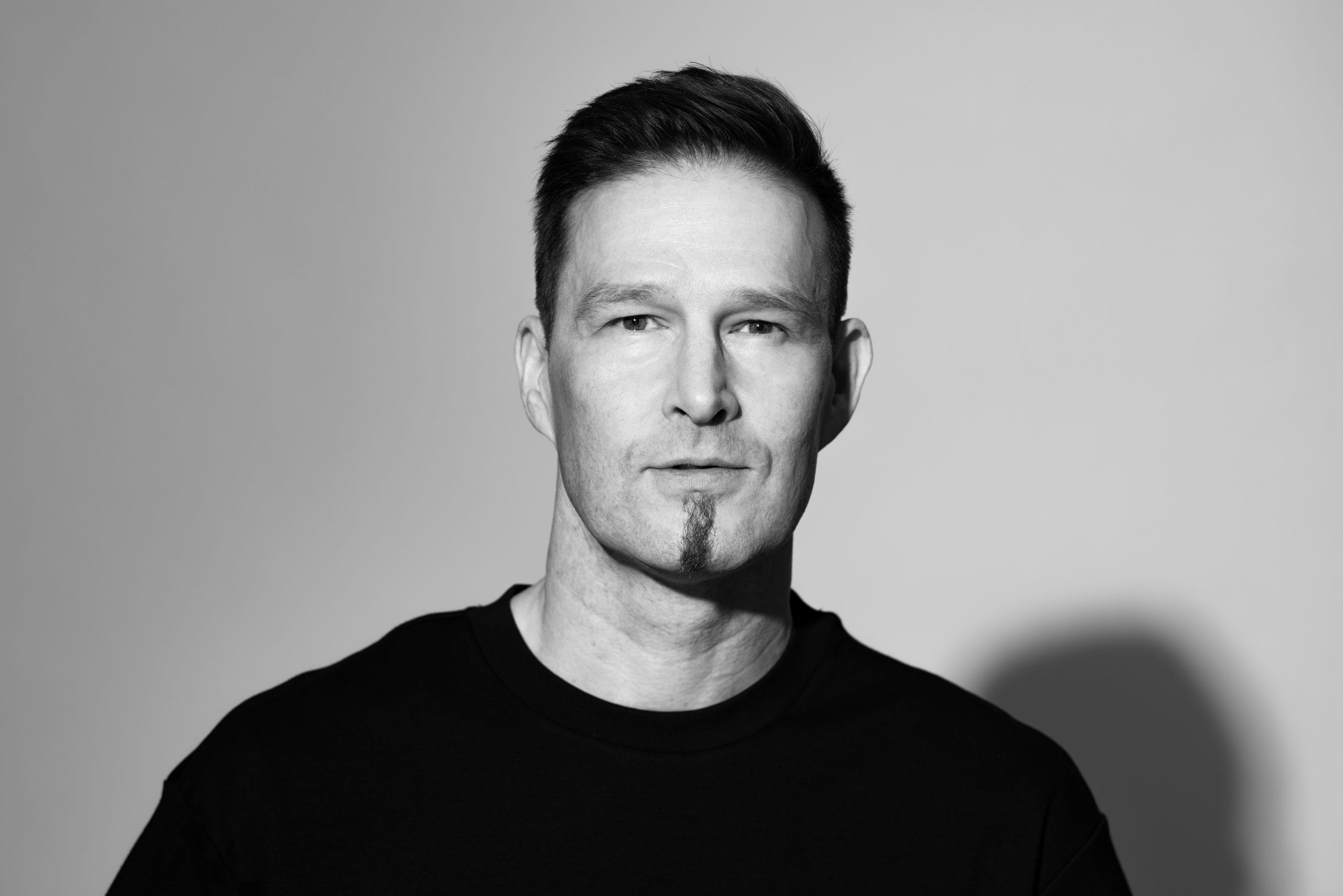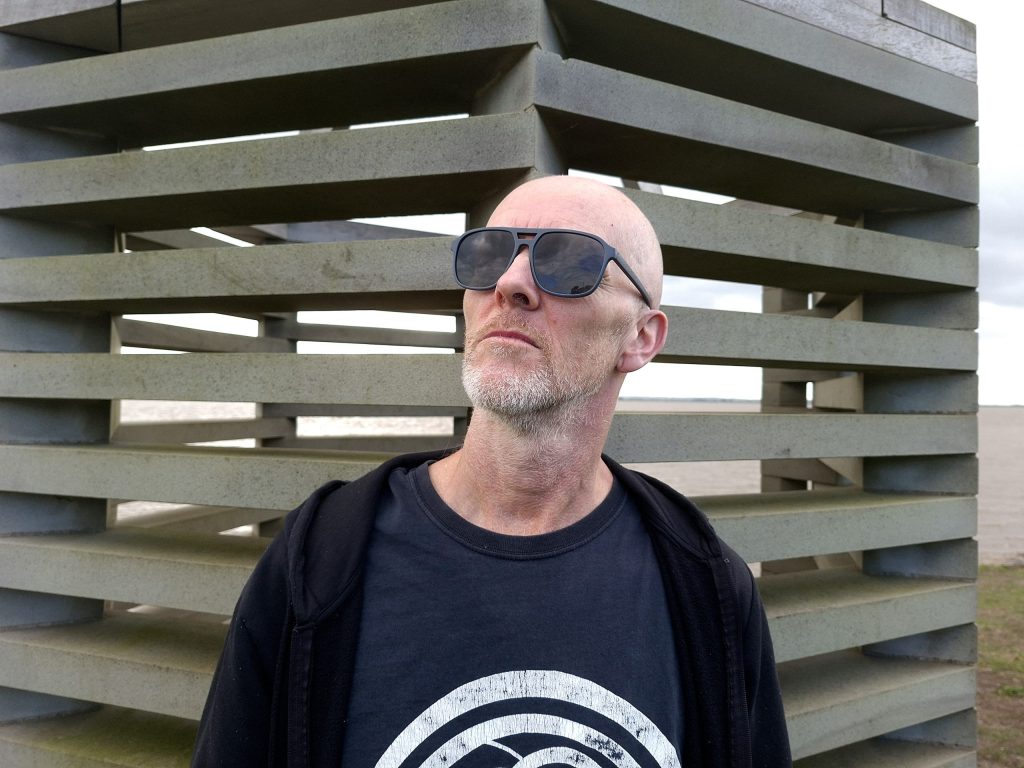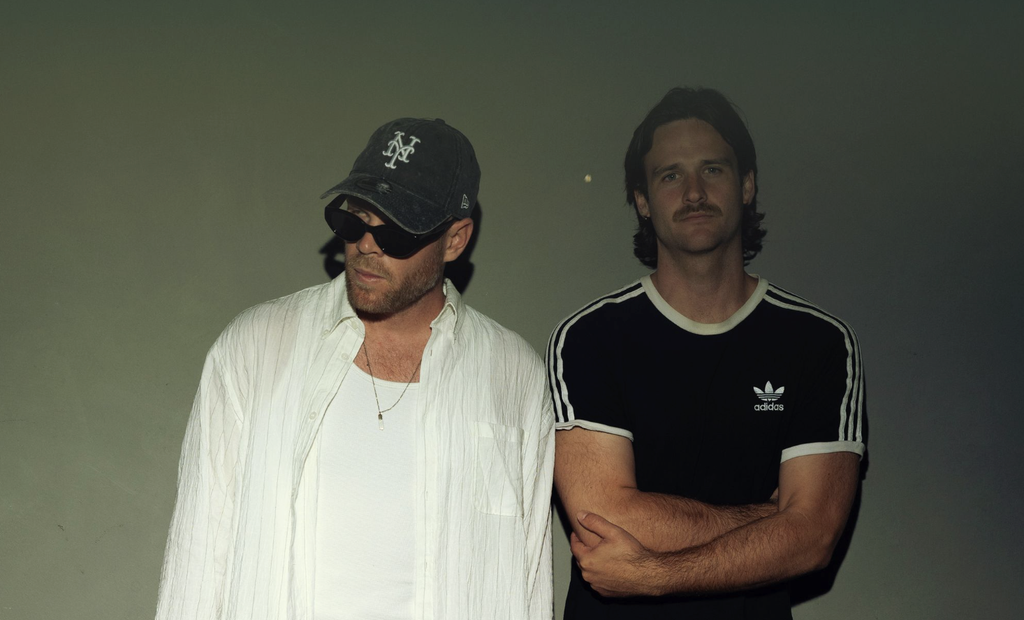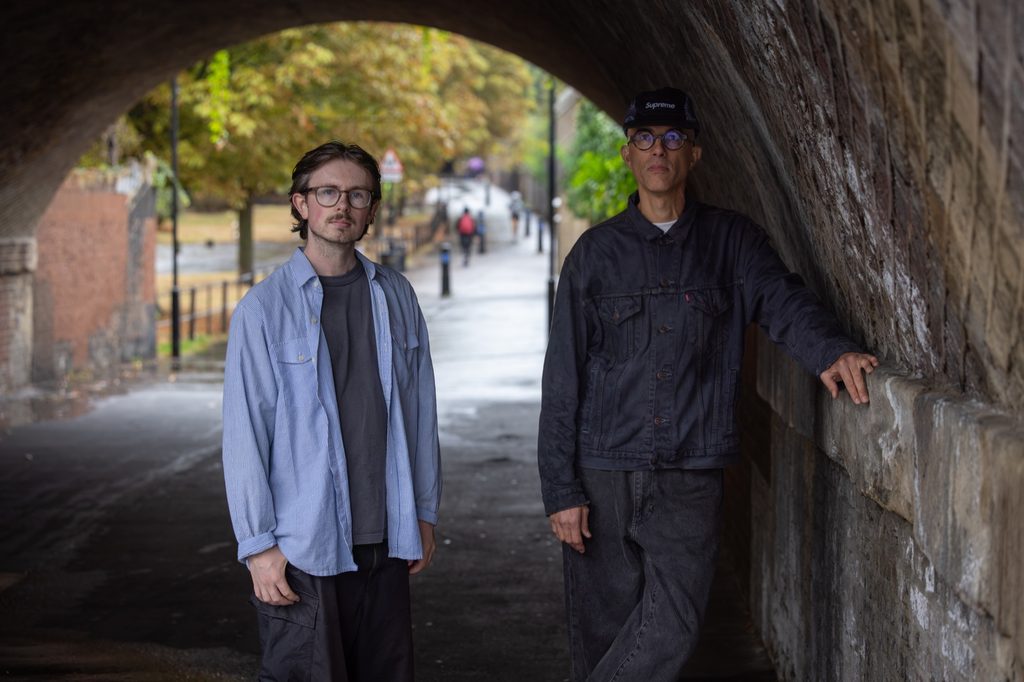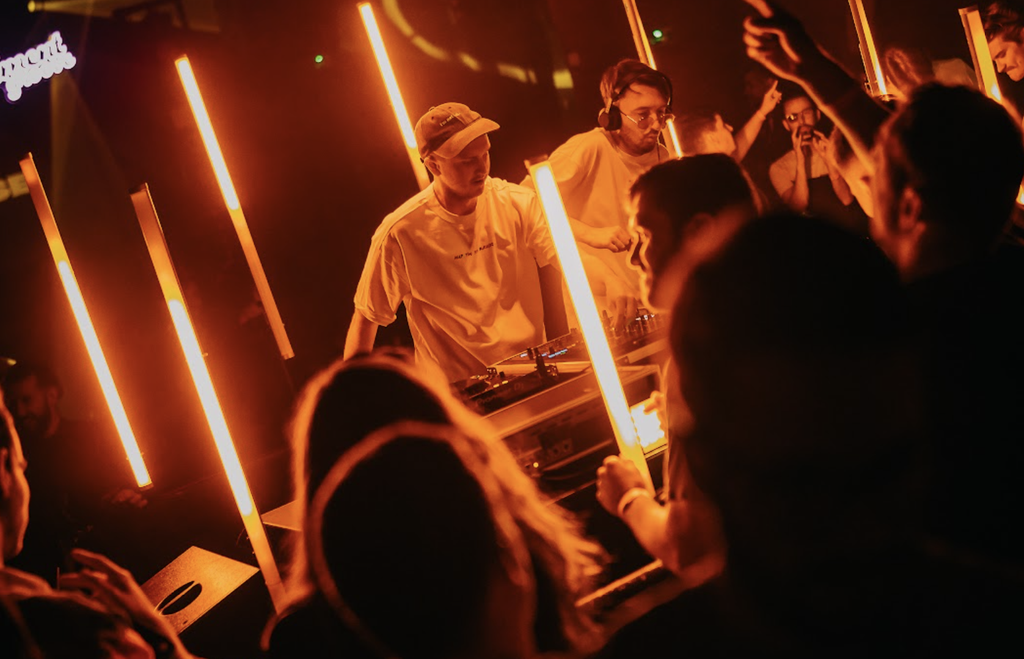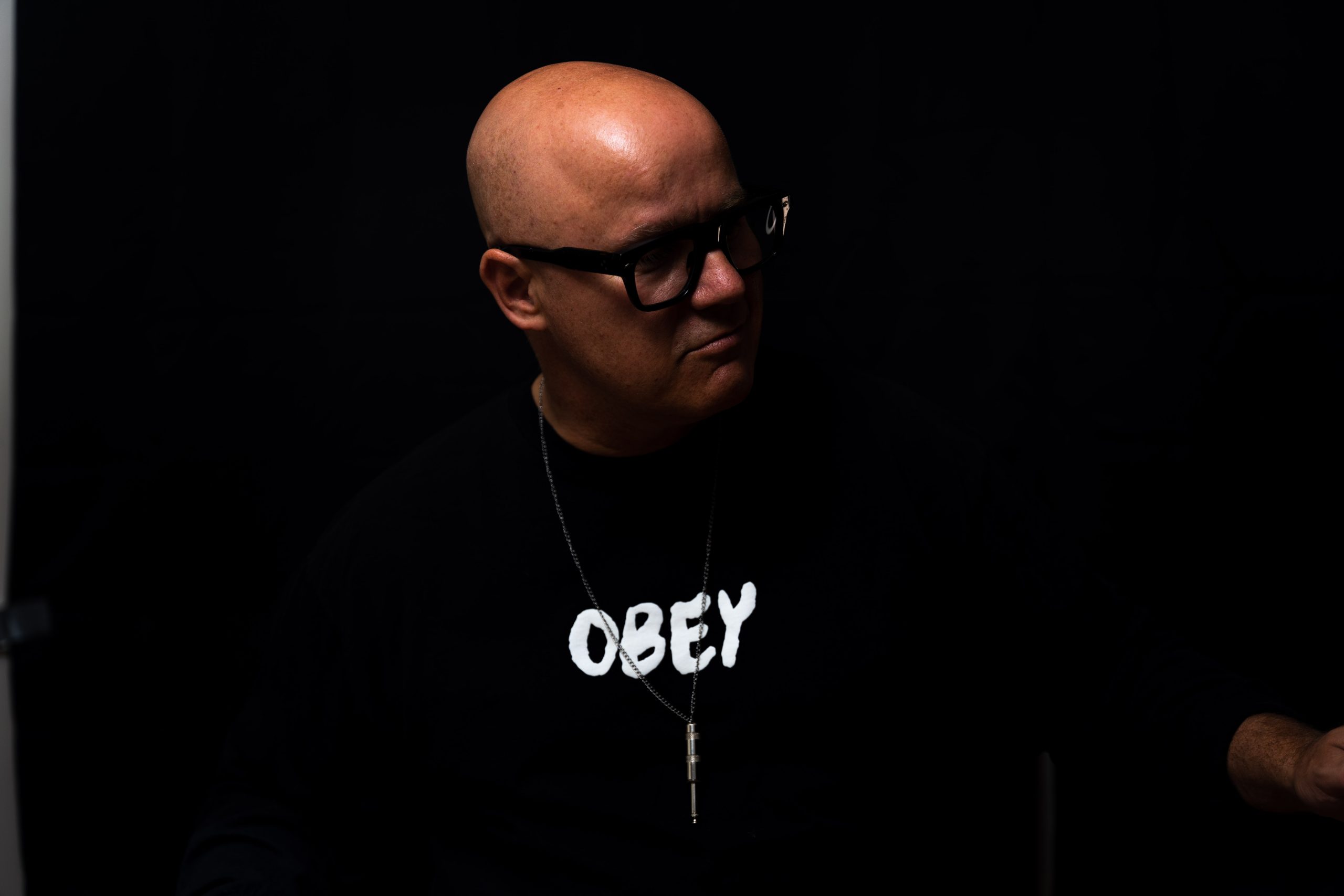
Simon Field, a prominent DJ and producer hailing from Oslo, Norway, has made significant strides in the electronic music scene. Known for his signature blend of deep, tech vocal house, Field has amassed over 350 million streams and has released tracks on renowned labels such as Armada, Universal Music, Sony Music Ultra, Perfect Havoc and his own Basement Records.
Recent years have seen Field release a series of impactful tracks and collaborations. His album “Need No Music,” released in late August 2023, includes standout tracks like “WORK!” and “Let This One Ride.” Field’s approach to production involves a meticulous process of testing unreleased material in clubs to gauge audience reactions, ensuring each track resonates on the dancefloor.
Recently Field announced the release of his new album Panda, a 9-track collection of fresh new house tracks drawing inspiration from the Oslo underground scene combined with Simon ́s passion for classic Chicago house.
Ahead of the release of the album, we invited Simon to give us the lowdown on what to expect.
Welcome to Magnetic Magazine, Simon. How has the year been for you so far?
Thanks for having me. It’s been an exciting year musically, and different as the world returns to some normality post-Covid.
What specific aspects of the Oslo underground scene did you incorporate into your new album Panda, and how do they contrast or complement the influences from classic Chicago house?
My early inspiration and starting point 10 years ago was classic Chicago House. This will always be the base of everything I do. This album has incorporated Oslo underground influences. Oslo underground draws heavily on the Balearic heritage, also known as Deep House, but includes more indie electronic elements. Simplicity and groove are key driving elements. The Balearic elements, which have been with me since my first visit to Ibiza, are what I particularly took from the Oslo scene.
What inspired you to blend classic Chicago house with your signature deep, tech vocal house style on Panda?
My two Oslo residencies have been crucial, hanging out and listening to legendary Oslo DJs like g-Haa, Olanskii, Fraunhofer, OleH, and Blichfeldt. I envisioned how I would fit into this world, but on my own terms and influences. It resonated with me and fueled the thought of completing the tunes for a full album.
Can you share more about the creative process behind selecting the final nine tracks from an initial seventeen?
In periods, I make a track a day, often one per gig to try out new concepts and ideas. It’s useful to test ideas in the club, even just for 8 bars, to see how they feel. When I started boiling down tracks for the album, I had about 30. I curated the album like a mini set, making it obvious which tracks didn’t fit in terms of energy, composition, and sound. Being old-school, I wanted a “slow track” at the end, which is where “Not Even a DJ” with Delphi Drive came in.
What are some key elements you focus on when testing unreleased tracks in clubs, and how do you gauge audience reactions?
Sometimes I bring in tracks that are only 8 bars of groove, mixing them in and out between songs. This helps me check where in a set they could work, giving me reference points. With more finished tracks, it’s about the vibe. You can quickly tell if people lose interest; you see the energy on the floor drop if a part is too long or not interesting enough.
How has establishing Basement Records allowed you to express your artistic vision without commercial constraints?
I established Basement Records about a year and a half ago, and it’s given me tremendous freedom. Putting my own money behind the marketing makes me think more carefully about musical choices, but I can also move quickly and release music I love. It requires careful consideration of a song’s lifespan, which is a useful exercise. Musically, compared to releasing on other labels, it’s night and day. I don’t need to argue for my musical choices and can be 110% true to what’s in my heart.
Could you elaborate on your collaborations with Delphi Drive, Blichfeldt, and others on this album?
The collaborations on the album were natural choices. Blichfeldt, with whom I also run Basement Sessions (the Basement Records club nights), was an obvious choice. Just Martina and Delphi Drive are Oslo-based DJs I work with in various contexts, including the studio. Each collaboration blends my sound with the partner’s vision.
What personal experiences or emotions did you channel into the creation of Panda, and how do they manifest in the music?
I’ve taken humor more seriously as a part of me. Although the album has a deep sound, there are many musical choices that make me smile, like unexpected elements or beats that feel playful. Like my previous album “Need No Music,” Panda reflects my live side. When making music, I think, “this is the kind of club I would love to be at.” If that box is ticked, it’s a Simon Field track.
How does the local Oslo scene inspire and support your work, and what does it mean to you to contribute to and be a part of this community?
Before Covid, 90% of my gigs were outside the country. Post-Covid, I decided to build more on my home base. It’s been very fruitful, and I feel welcomed here. The community is open, inclusive, and transparent. The two clubs I play the most, Jæger and Skaugum, are safe havens for music and club night concepts. Basement Sessions becoming a resident club night at Jæger is a testament to this.
How do your live performances at iconic venues like Café Mambo in Ibiza and Berlin’s Love Parade influence your studio work?
Every gig leaves a mark, but I like to stretch myself for each one. I’ve gotten into the habit of finishing a track for every major gig or tour, which helps me envision the gig and the sort of music I’d play there.
In what ways do your residencies at Norwegian clubs like Skagum, Jæger, and Natt shape your musical approach and community engagement?
Jæger and Skaugum have been crucial. These are among the best clubs in the country, which raises the bar high. I get to test new material often, ensuring progression and filtering. Building a community around fellow DJs in Oslo has given me tremendous strength. The unity and common goals, rather than competition, are strengths here in Oslo. Seeing a growing number of people attending my gigs is truly inspirational. It means I’m doing something right.
Looking ahead, what are your goals and aspirations for the future of your music and Basement Records?
Signing more artists to the label is key, along with building on Basement Sessions both in the real world and strengthening our YouTube presence. We’ve already planned international events for 2025 with Basement Sessions and will continue building on that.
Panda is out 16 August on Basement Records