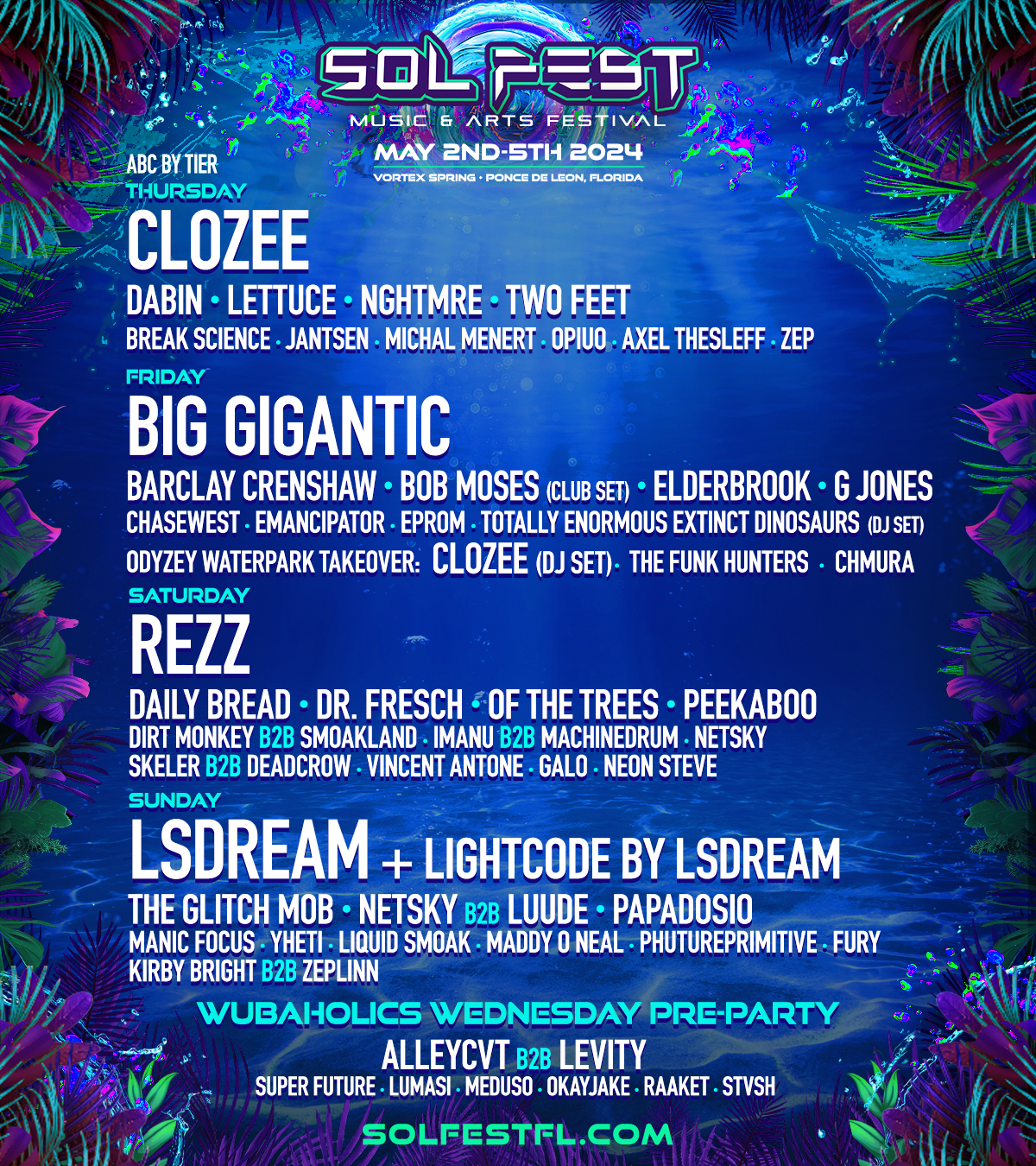
As festival seasons heat up, Sol Fest Music & Arts Festival has unveiled its Phase 3 lineup, promising an exceptional festival experience at its new location in Vortex Spring, Ponce de Leon, Florida. Scheduled for May 2-5, 2024, this festival not only features headlining acts like REZZ, CloZee, and LSDREAM but also introduces a logistical innovation: no overlapping sets across multiple stages.
Behind the scenes, organizing such a festival is a monumental task.
In an exclusive interview, festival organizers shared insights into the complexities of planning Sol Fest’s schedule. They emphasized the importance of curating a musical flow that aligns with sunset sets for headliners, ensuring a seamless experience for both attendees and performers. This meticulous planning aims to boost ticket sales with an enticing lineup and establish a purposeful daily schedule that resonates with festival-goers on a deeper level.
Regarding the decision to avoid overlapping time slots, the organizers discussed the benefits this strategy offers to the festival atmosphere. By limiting the number of daily acts to 12-13, Sol Fest can prioritize quality over quantity, providing a more intimate and appreciative setting for both up-and-coming and established artists. This approach simplifies logistical challenges and enhances the attendee experience, offering a unique opportunity to fully immerse in each performance, a rarity in the competitive festival circuit.
1 – What is the most challenging logistical hurdle you need to overcome when mapping out time slots for artists at a festival?
When mapping out time slots for artists playing a festival, it’s always about who plays before who, and ensuring you have enough heavy-hitters on the lineup in order to drive ticket sales.
In this case, where we have a stacked lineup and are incorporating no overlapping sets, I like to have bigger artists play special sunset sets as a way to get those artists to play different time slots. It’s important to curate musical flow each day and create a purpose with each daily lineup so fans can feel the intent in how we curate the lineup.
2—Why did you want to prioritize no overlapping time slots at Sol Fest, and what, if anything, did you have to sacrifice to achieve this?
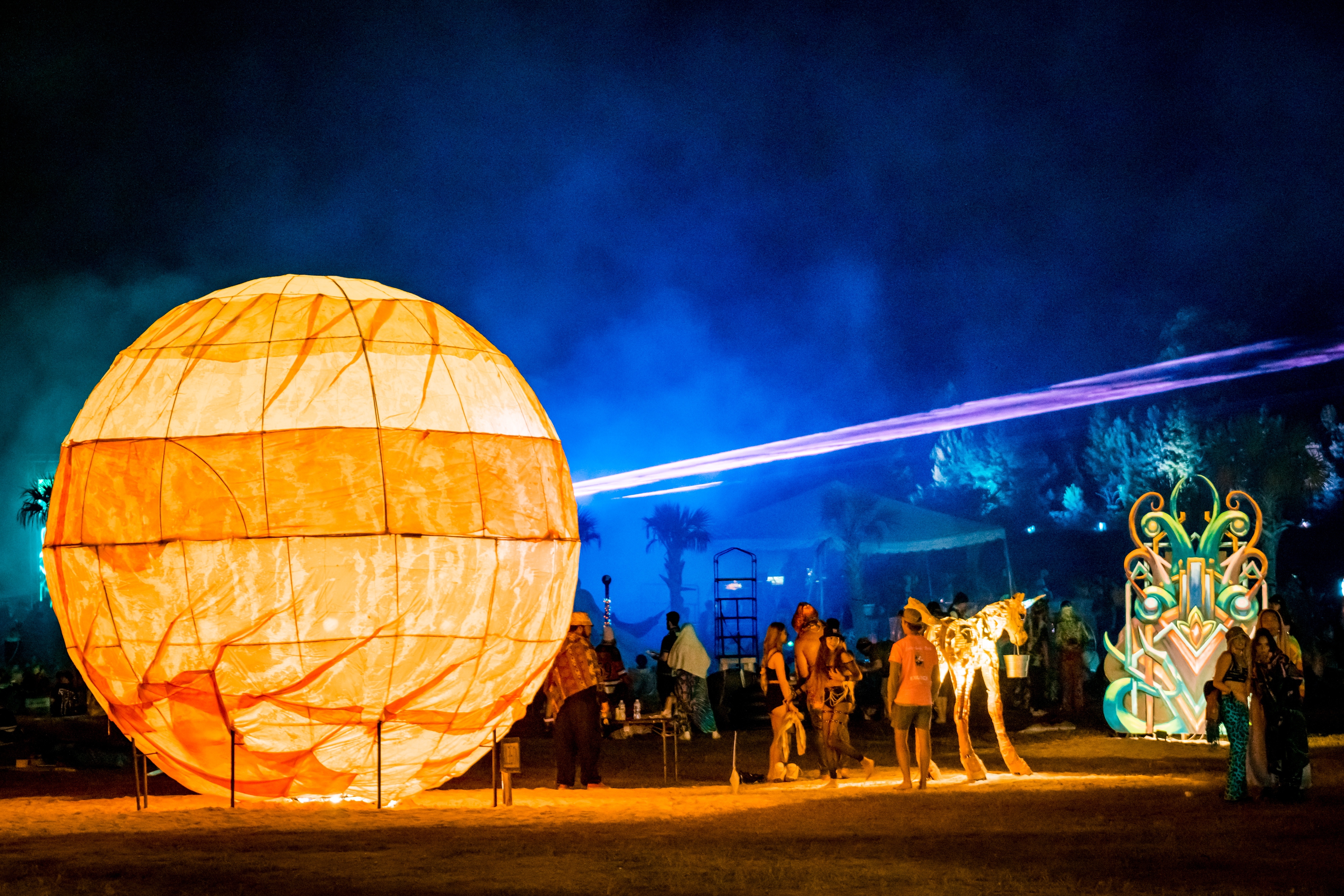
There’s not much we had to sacrifice when prioritizing no overlapping time slots, but there were artists we couldn’t book due to the lack of daily programming.
When curating a lineup with no overlaps, only 12-13 acts play in a day, so you have to meticulously plan each day of the festival’s musical programming. Not only is it easier for Sol Fest attendees to map out their days, but it also makes it easier for the festival team to focus on one set at a time.
There’s also not a lot of festivals that offer no overlapping time slots and give attendees the chance to see every single act of the bill if they wanted to.
3 – Why don’t more festivals focus on having no-conflict lineups?
I think it’s hard to pinpoint one reason for why more festivals don’t offer no overlapping sets. In most cases, festivals are too large and have too many artists on the bill to offer that to attendees.
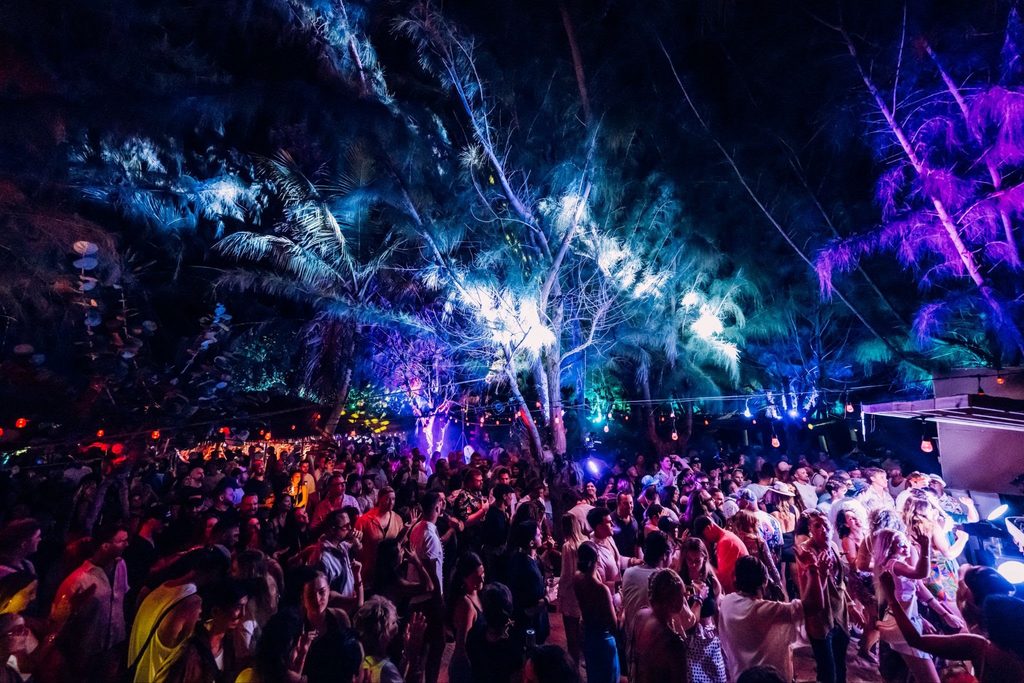
It’s nice working for a festival that is still growing because we get the chance to give Sol Fest attendees a more intimate experience. Other festivals don’t need to think about it since they’ve been doing it the same way for so long and it’s worked for them. We want to offer attendees something different that they may have not experienced before, especially since we’re working at a new capacity and are relocating to a new venue.
4 – How do you hope having a no-conflict lineup affects the audience’s perception of the festival?
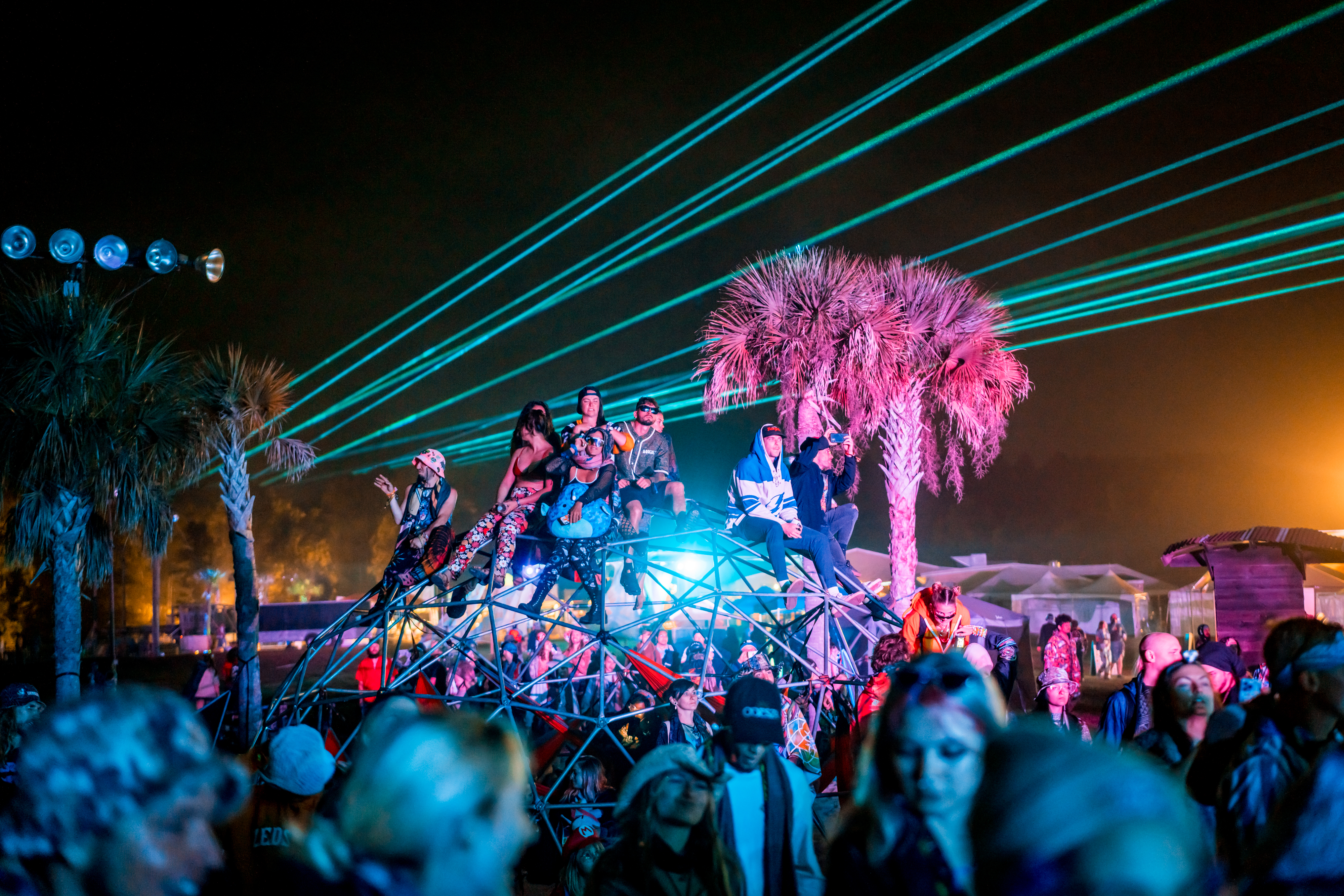
Since we are doing no overlapping sets again this year, I’m able to give bigger artists on the bill early mainstage slots (like giving them a sunset set slot, for example), allowing for smaller artists to go on after them and giving them a chance to showcase their sound to the world and gain a larger audience.
Additionally, in the past , Sol Fest was primarily a bass-focused festival, and this year we switched gears and booked artists across many genres of dance music, which exposes new genres of music to our attendees that they might not have normally listened to.
5 – What new things about the industry has throwing and organizing a no-conflict schedule taught you?
Not one thing goes into organizing a no-conflict schedule, but you do have to think about ingress and egress, and try to predict how the crowd is going to move once a set is over.
There’s a variety of things you have to take into consideration, such as fire lanes, attendee safety, location of different food and water vendors, medical tents, and security. A lot goes into planning a festival that is continuously growing and changing, so we try our best to plan for every type of outcome.

Magnetic byline note: This byline is used for staff produced updates and short announcements, often based on press materials and official release information. Editorial responsibility: David Ireland (Editor in Chief) and Will Vance (Managing Editor). About: https://magneticmag.com/about/ Masthead: https://magneticmag.com/masthead/ Contact: https://magneticmag.com/contact/