As music producers and casual listeners, we likely grew up on music that used warm and punchy analog synths. We’re so accustomed to the signature sound of the iconic synths of the past decades that the overly bright and sterile-sounding digital synths are perceived as being just, for lack of a better term, cheap sounding.
And sure, even in the last ten years of my career as a music producer, emulation plugins have become better and better at recreating the intricacies and nuances that we often associate with the hardware pieces of yesterday. Still, most use phrases like “analog warmth” and “faithful emulation” as marketing buzzwords and nothing else.
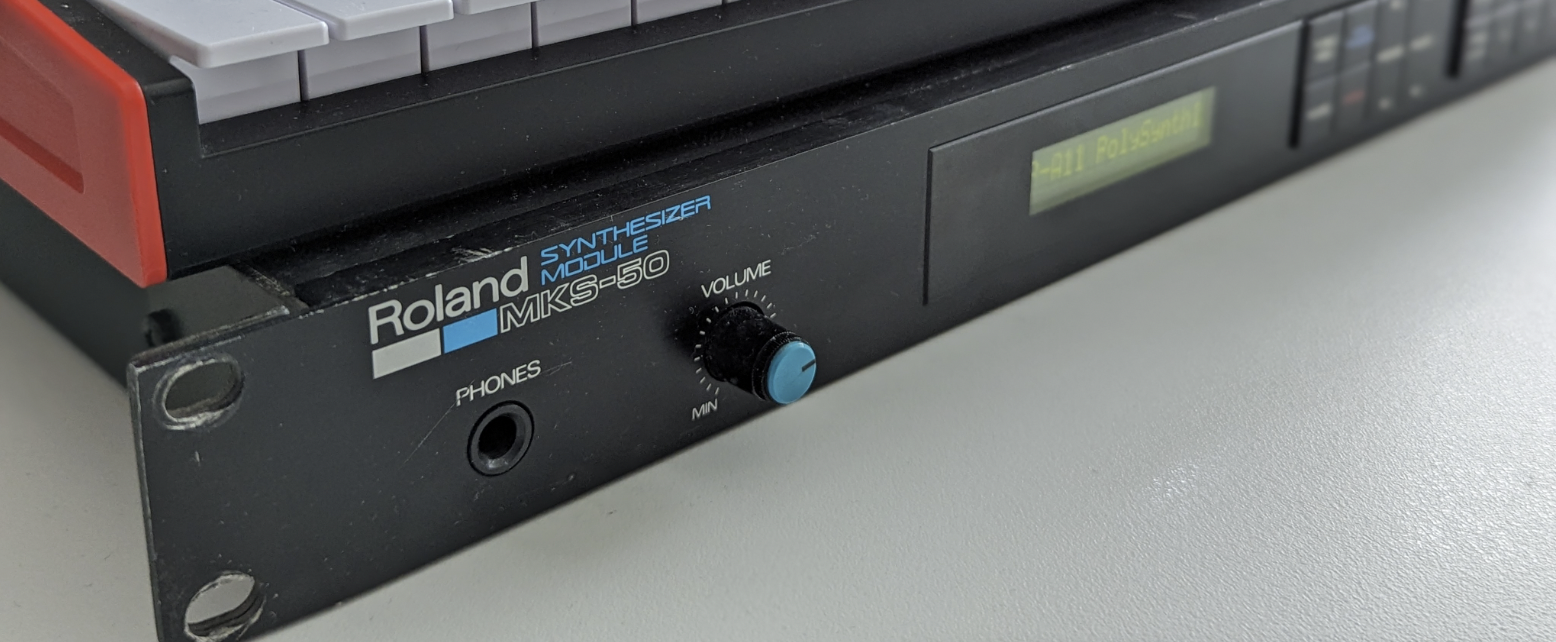
Tal Software, though, has long been a brand that goes the extra mile and does the due diligence necessary to make software that sounds damn-near identical to the outboard gear it’s modeled off of, much like its beloved TAL-Pha, which is a faithful emulation of the Alpha Juno II MKS-50 rack version which is pictured below. So when I learned that they had the new TAL-U-NO-LX, which faithfully recreates one of the most classic synths OF ALL TIME, the Juno 60, I had to dive a little deeper.
So we sat down with Patrick Kunz of Tal Software to ask him about the Juno 60’s legacy, how it impacted modern music production, and what they had to do to mold its one-of-a-kind character into software form.
Learn More About This Plugin On Tal’s Website Here
In what ways did the Juno series build upon the success and features of the earlier Jupiter series?
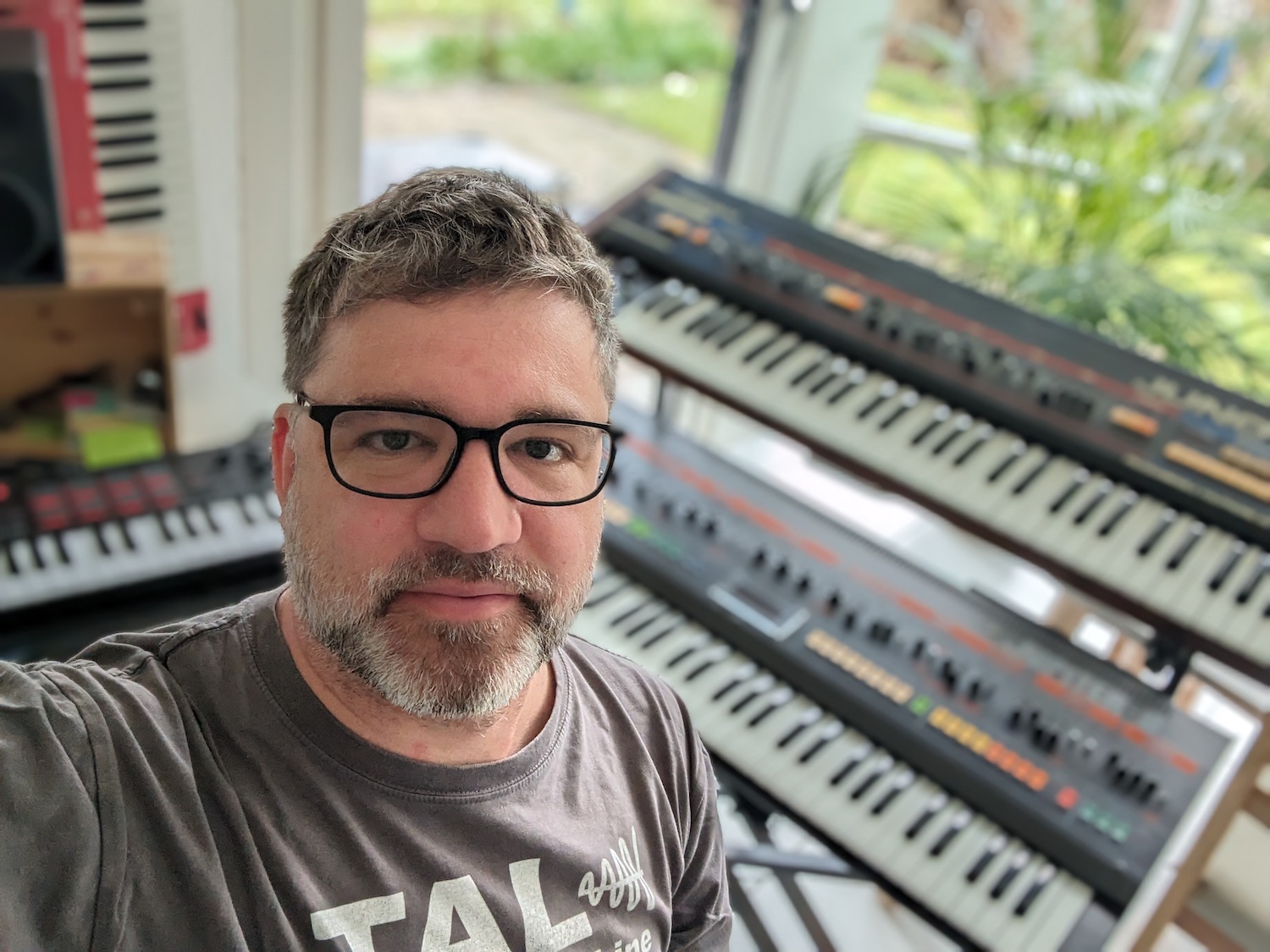
The Juno was the next step towards a more modern synthesizer. It was more affordable for musicians and less heavy than the Jupiter 8 synthesizer. The Juno series has a digitally controlled DCO with stable tuning and a completely analog signal path.
Unfortunately, things like cross-modulation were no longer possible with the Juno oscillator design. The Jupiter 8’s cross-modulation was excellent for effects but not really useful for normal sounds anyway.
A big plus of the Juno 60 is the self-oscillating filter. I like the sound of the Juno 60 filter much more than the Jupiter 8 filter, which couldn’t self-oscillate. The analog chorus was another thing that made Juno so famous. It was an easy way to make stereo sounds more interesting, and it is an important feature of the Juno series that gave the synthesizers their special character. Roland also began to add MIDI support to the Juno series, first with the MD-8 MIDI box for the Juno 60 and later with built-in MIDI support for the full-featured Juno 106
How did the unique features of the Juno-60 work for artists, and how did you seek to replicate similar qualities in your emulation?
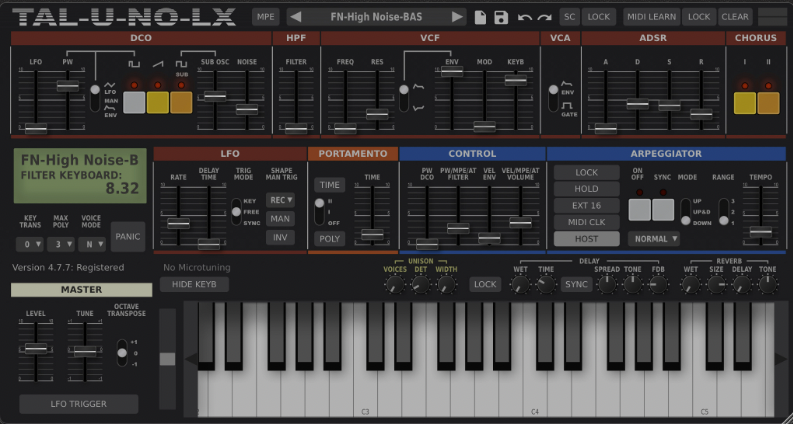
The Juno’s sound influenced much of the music of the 1980s. It’s almost impossible to make it sound bad, but it’s still possible to create a wide range of sounds, from pads and basses to snappy arpeggiator sounds. It has a rich sound with plenty of top end and a really good-sounding 24 dB low pass filter that has a lot of character.
It creates some nice overtones with a lot of resonance. The analog and somewhat noisy chorus sound creates a wide stereo sound. All in all, the Juno 60 has a very balanced sound. All components fit together perfectly. This is what I tried to capture in the plugin emulation.
The Juno series is known for its ease of use. How did this design philosophy democratize music production? Does that carry over to the plugin format?
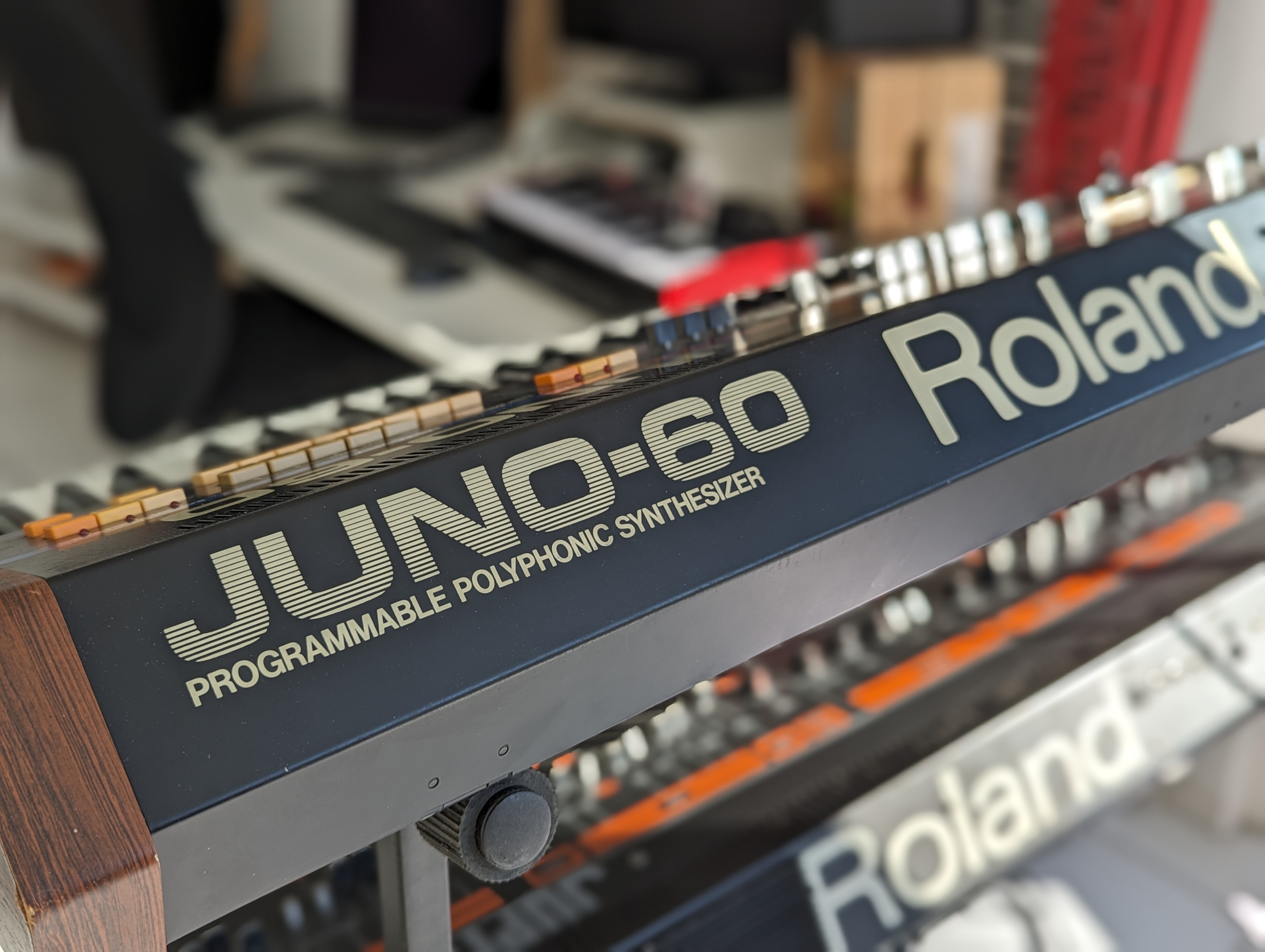
The simple design has made the synthesizer accessible to more users. It motivates musicians to create their sounds. It’s also a good synth for beginners to learn how subtractive analog synths work.
This also works quite well with plug-ins. I didn’t add many additional functions. It has one envelope, one LFO, and a DCO like the original. The few parameters can be easily mapped to a MIDI controller to have some hardware feeling when required.
Can you provide examples of iconic tracks or albums where the Juno series sound is prominently featured?
The Juno 60 was used in the 1980s in pop, house, and techno music of the 1990s and can still be found in many studios today. The best-known example is probably “Take On Me” by A-ha.
The Juno 60 gives this song that unique 80s vibe.
Finally, looking back, what do you believe is the most significant contribution of the Juno series to the music industry and synthesizer technology?
For me, this synthesizer strongly influenced the sound of the 80s. It is the sound of the 80s. It sounds so good that it is still used in production today. The 6-voice polyphony and the arpeggiator opened the synthesizer to various sounds. It still has one of the best-sounding filters.
The clocked DCO was probably the greatest invention of this synthesizer. MIDI support also opened up many new possibilities and workflows.

Will Vance is a professional music producer who has been involved in the industry for the better part of a decade and has been the managing editor at Magnetic Magazine since mid-2022. In that time period, he has published thousands of articles on music production, industry think pieces and educational articles about the music industry. Over the last decade as a professional music producer, Will Vance has also ran multiple successful and highly respected record labels in the industry, including Where The Heart Is Records as well as having launched a new label with a focus on community through Magnetic Magazine. When not running these labels or producing his own music, Vance is likely writing for other top industry sites like Waves or the Hyperbits Masterclass or working on his upcoming book on mindfulness in music production. On the rare chance he's not thinking about music production, he's probably running a game of Dungeons and Dragons with his friends which he has been the dungeon master for for many years.