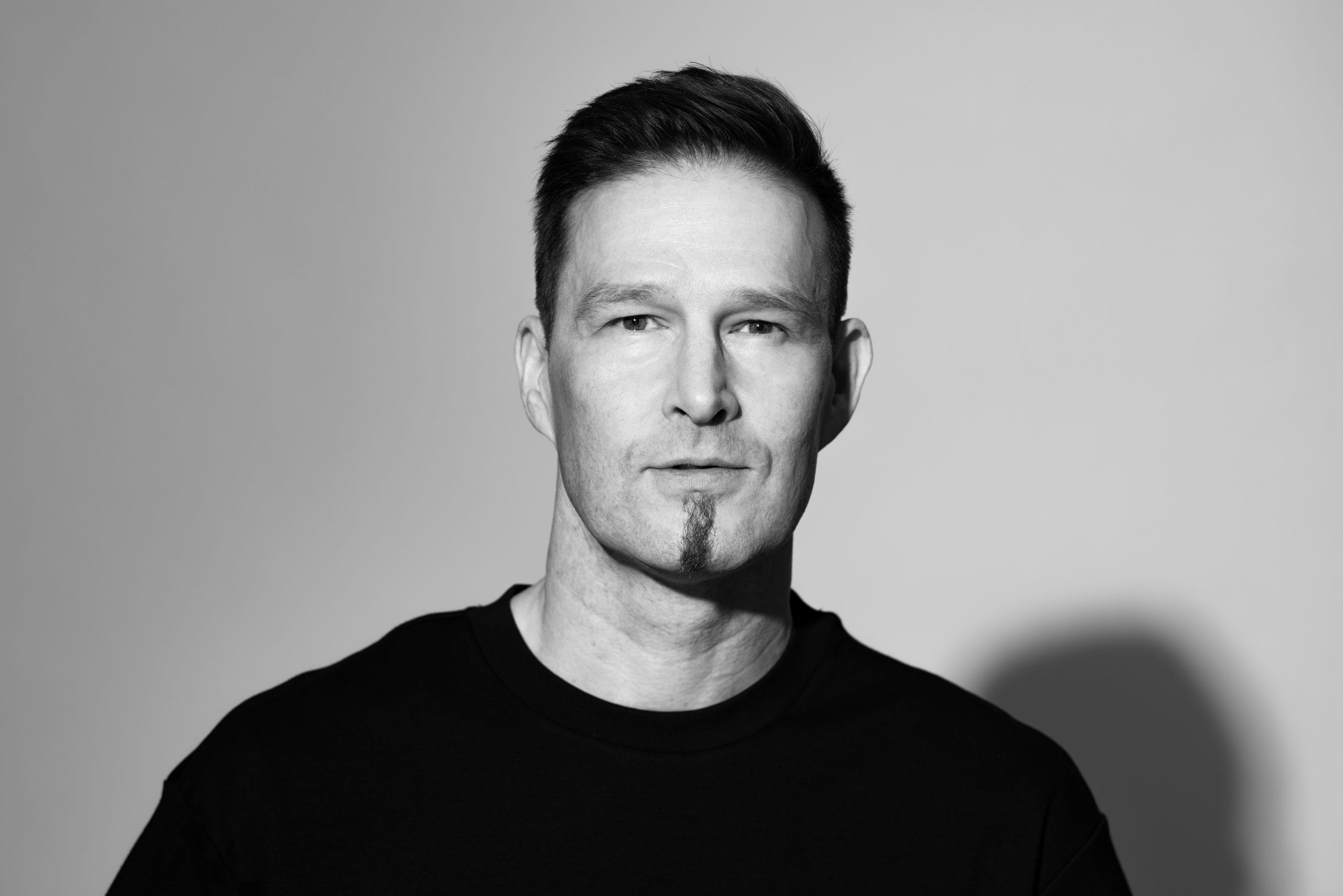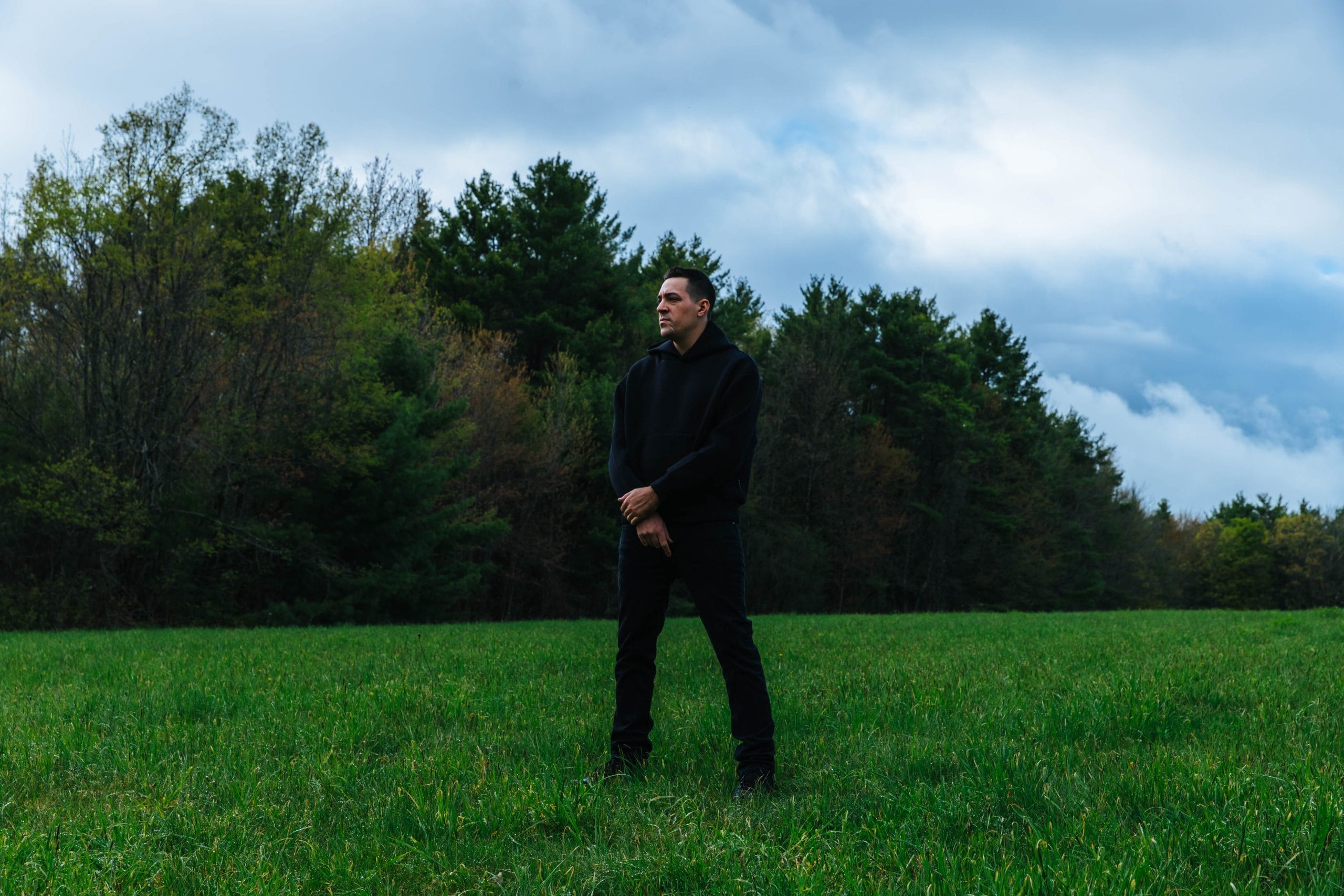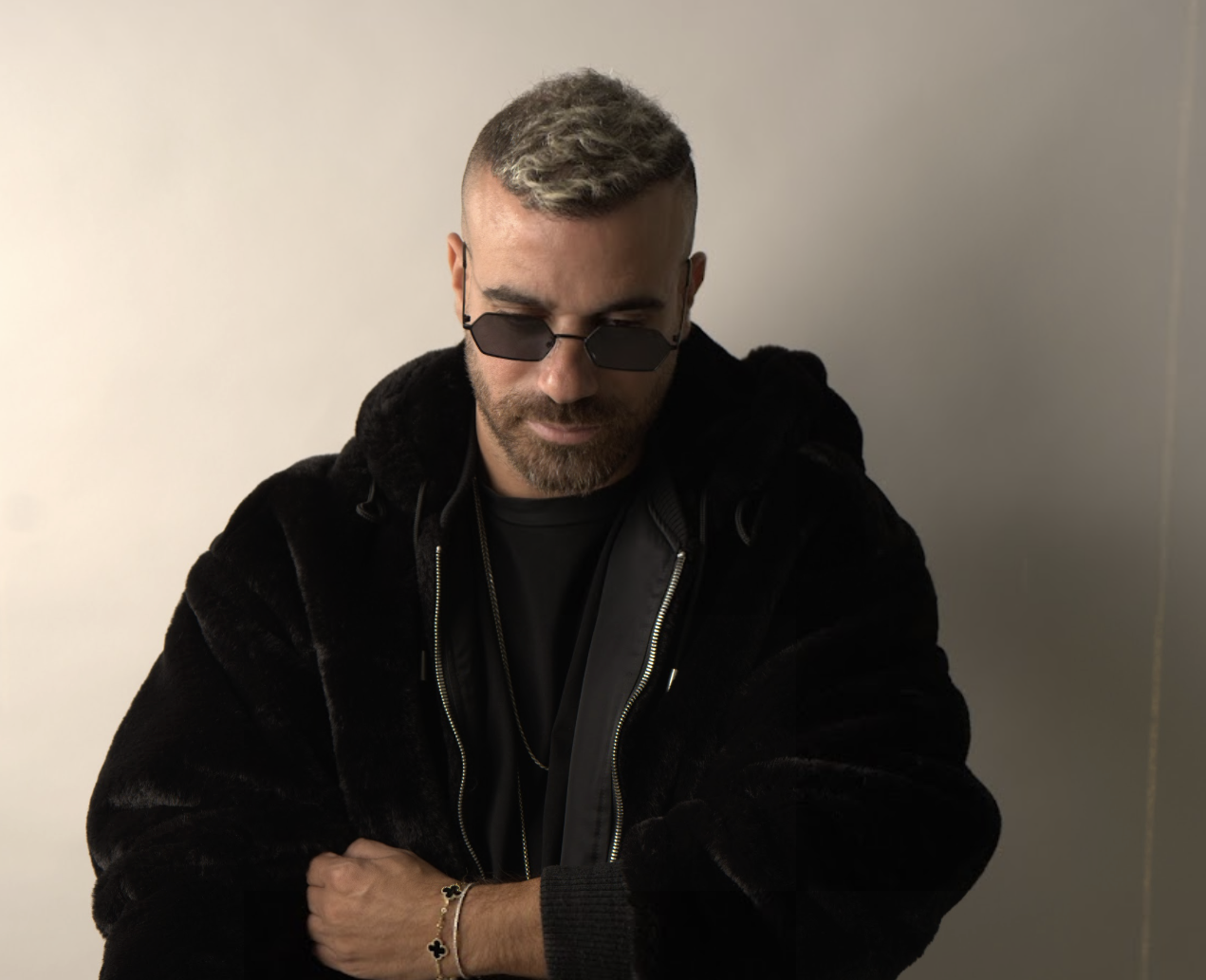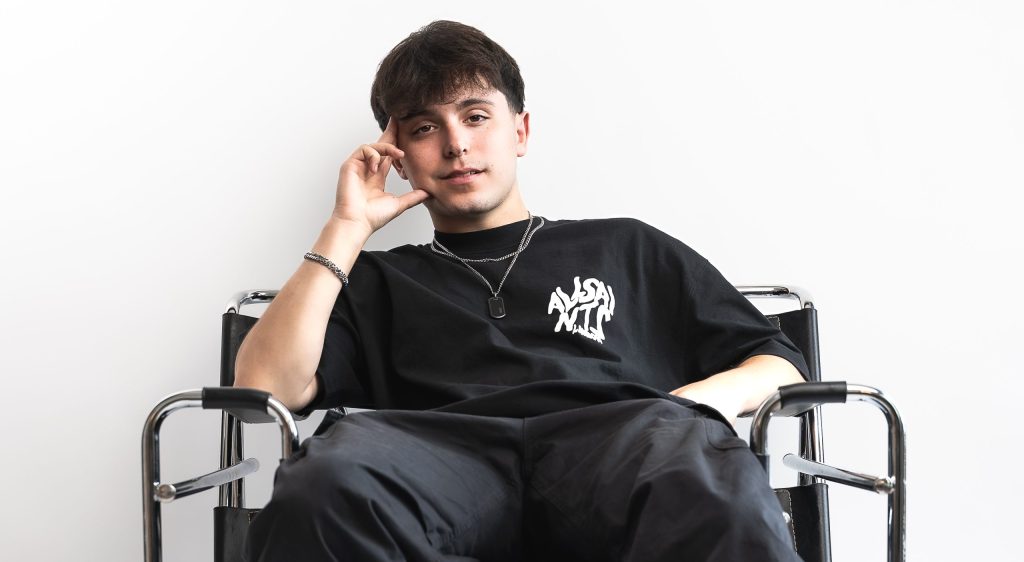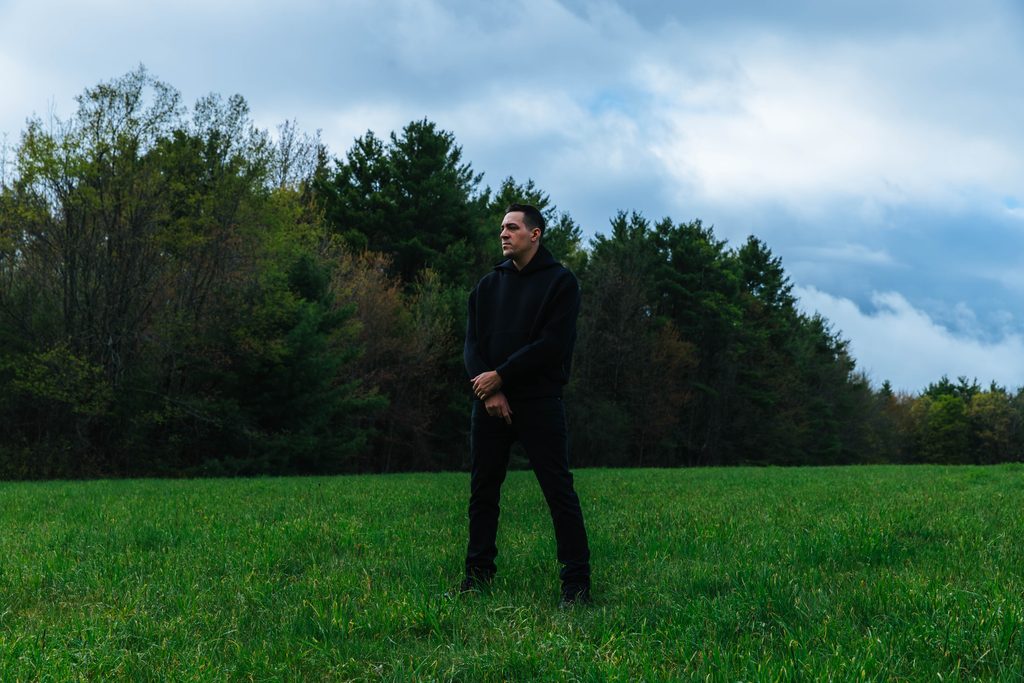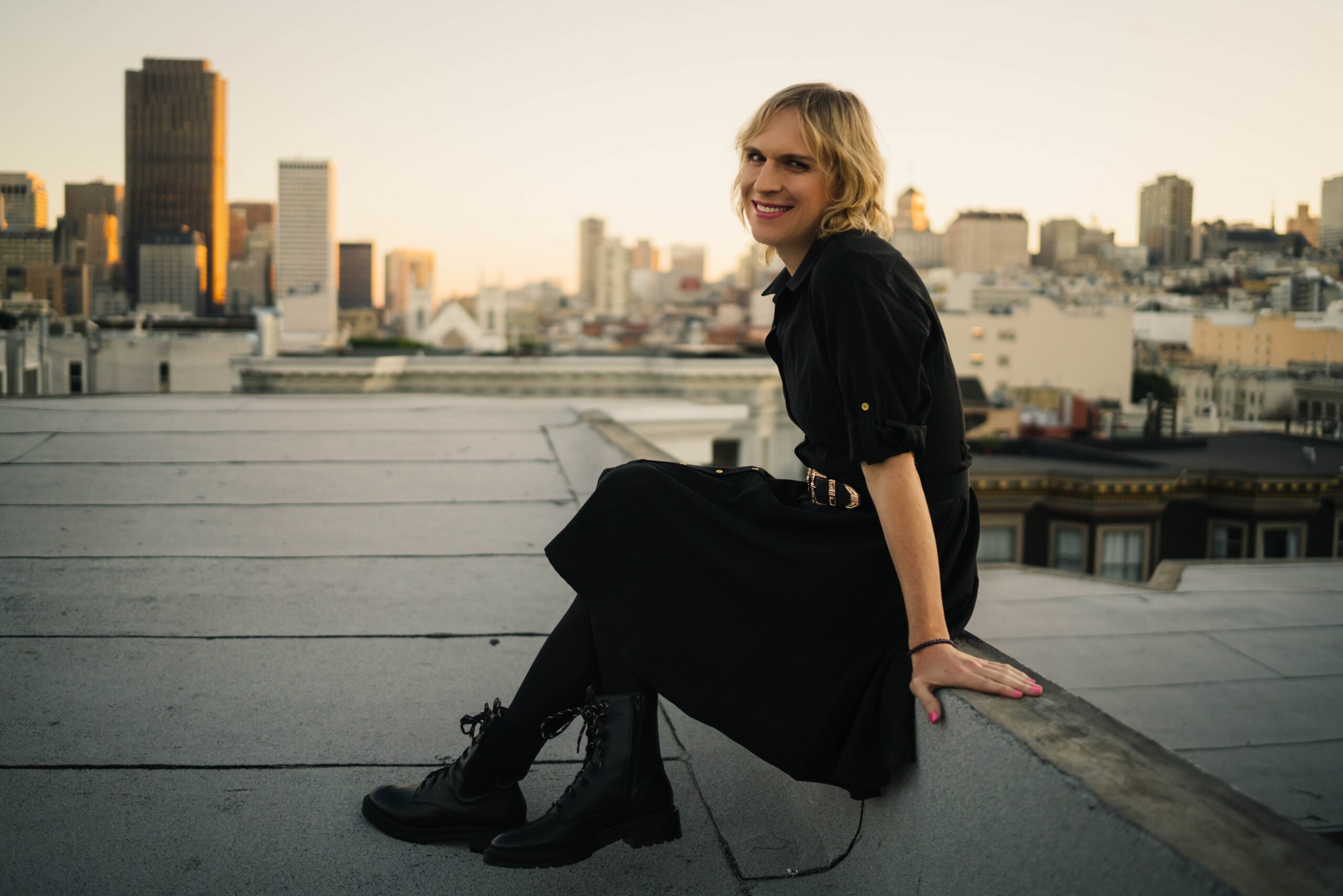
In 2020, Mz Worthy embraced her transgender identity, having suppressed gender dysphoria for years. She likens her self-discovery to solving a puzzle and has welcomed her audience to witness her journey of self-exploration. This newfound liberation has enriched her music and mixing style, infusing them with unprecedented expressiveness.
Mz Worthy’s production prowess pays homage to classic House music while venturing into the exhilarating realms of bass-heavy beats. A pivotal figure in the rise of Dirtybird’s renowned San Francisco events, alongside Claude VonStroke and the Martin brothers, her discography includes releases on Dirtybird, as well as on labels such as Insomniac, Club Sweat, and Slothacid.
In the following interview we talk about her newfound responsibility of representing trans artists in house music, her evolving production style and the launch of her new label Love & Forgive.
Welcome to Magnetic Magazine – thanks for talking to us. Let’s dive in…
What were some of your early experiences with dance music, and what made you want to pursue it as a career?
After relocating to NYC around 1997, I discovered dance music, which became a transformative experience for me. Witnessing performances by influential artists such as Sasha and Digweed, LTJ Bukem, and Roni Size had a profound impact on my musical journey. My passion for music had always been a part of me, and the electrifying energy of the dance music scene solidified my desire to pursue a career in the music industry. It wasn’t until my move to San Francisco in 2022 that I truly immersed myself in the captivating world of house music, igniting my passion for production and performance. This newfound love for house music inspired me to embark on a serious journey into music production.
House music has historically been a space for challenging and redefining societal norms, including those around gender. In your experience, how has the house music scene evolved in terms of addressing and challenging traditional gender roles?
The house music scene has long been a beacon of inclusivity, providing a welcoming environment where I found solace even during times of self-concealment. Within this community, I discovered a profound sense of acceptance and authenticity that was unparalleled elsewhere. The evolution of this space has been remarkable, particularly in terms of the overwhelming support I received upon coming out. The outpouring of love and acceptance from everyone truly exemplifies the open-hearted and beautiful nature of those drawn to house music. In this realm, we are liberated by the music, embracing the freedom to express our true selves without reservation.
How do you navigate the responsibility of representing trans artists in a genre where gender representation has been skewed?
I believe that the most authentic way for me to represent trans artists is by simply being myself. Embracing visibility and proudly owning my identity holds immense significance. As a part of a predominantly male-dominated industry, my presence and openness serve as a testament to the inclusive and safe nature of this space. I aspire to be a beacon of hope for those who are navigating their own paths, demonstrating that embracing one’s authentic self is not only possible but also empowering.
What steps do you believe need to be taken to improve visibility and opportunities for trans and non-binary artists in house music?
I firmly believe that conducting interviews with artists like myself through esteemed publications such as yours holds significant importance. Increased visibility is paramount, and I am heartened by the growing presence of gender-diverse artists in the music industry. It is crucial that we receive unwavering support from the entire community, particularly from those involved in booking shows, managing music labels, and the press. This collective support is instrumental in fostering an inclusive and thriving environment for all artists.
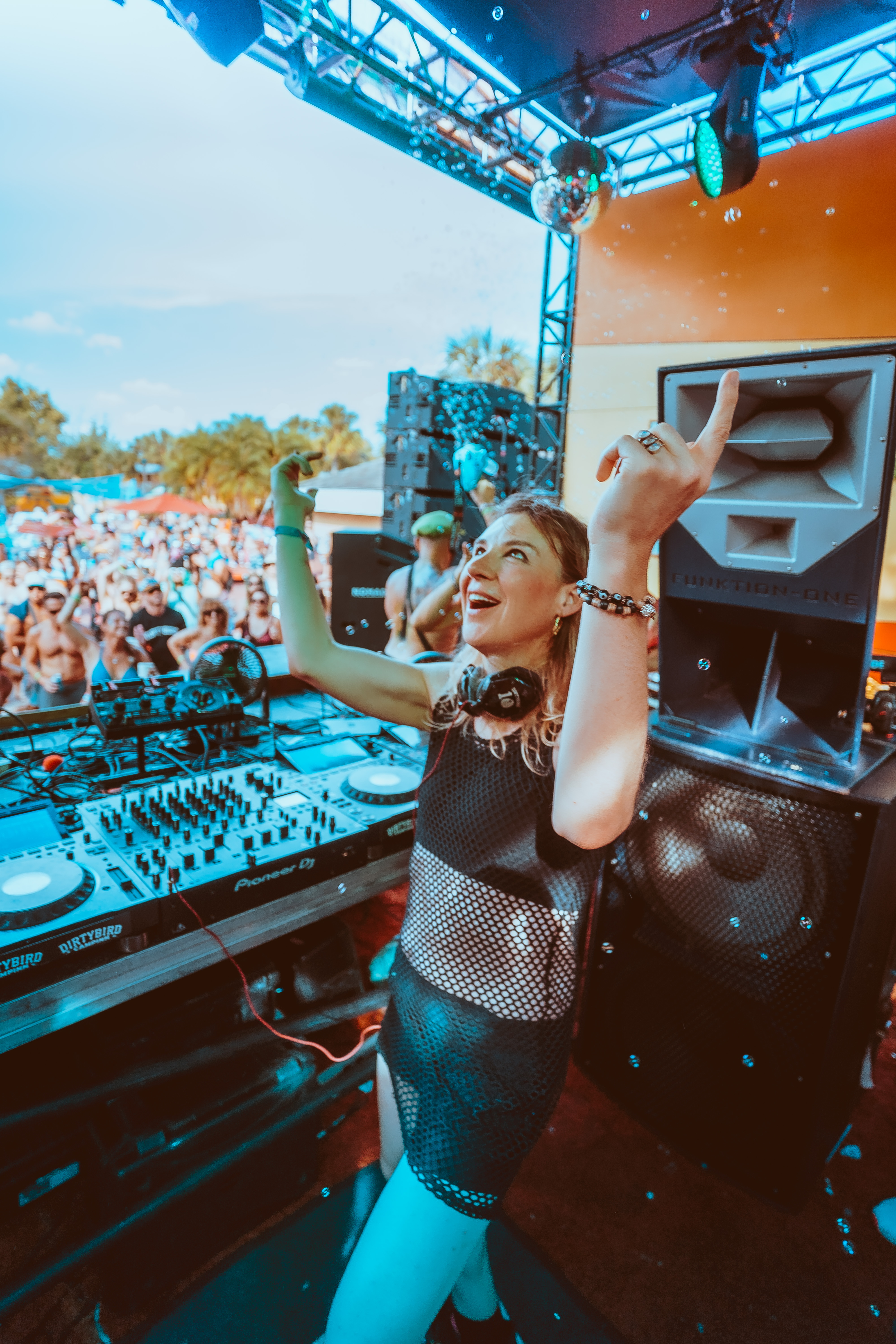
How do you think your gender identity has influenced your creative expression and the way you approach producing house music? Are there aspects of your music that you feel specifically challenge or converse with traditional gender roles within the genre?
Embracing my true identity has been a profound catalyst for unlocking a new level of creativity and freedom in both my music production and performances. Previously, I felt constrained by the pressure to adhere to a specific style of house music, which somewhat restricted my artistic expression. However, since coming out, I have revelled in the liberty to explore and integrate a broader spectrum of house music sounds that I had previously hesitated to incorporate, fearing potential judgment.The most challenging aspect of this journey has been navigating the choices for what I wear when I play out. I have found it hard to know what I feel comfortable in or how dressed up I should be.
Do you find it frustrating that your gender is often the focus of interviews like this? Or do you think that it’s a necessary part of moving the conversation forward?
Navigating these questions can be quite challenging, especially as I am still acclimating to my new role. There is a lingering apprehension of inadvertently misspeaking. However, I recognize the importance of addressing these inquiries at this juncture. Presently, there is a pervasive undercurrent of animosity towards the trans community, often stemming from a lack of personal encounters with trans individuals. I recently came across a startling statistic indicating that more people believe they have encountered a ghost than have actually met a trans person. Therefore, I am committed to fostering openness in the hope that it will facilitate a deeper understanding of the trans experience. It is my fervent belief that through increased transparency, we can dispel the unfounded fears and misconceptions surrounding the trans community, demonstrating that we are far from being as intimidating as a ghost.
Tell us about the inspiration and creation of your new track You Can’t Label Me. Is it fair to say this is a big of a departure from a lot of your previous music, in terms of sound and style?
This represents a slight departure from my previous work, although I don’t view it as a significant divergence from the musical path I have traversed over the years. My ongoing artistic endeavour has been centered on infusing my music with heightened emotion and expressiveness. During this particular creative phase, my aim was to craft a composition that exuded uplifting qualities, a song that resonated with me on a deeply personal level. Following the initial conceptualization of the song, I found myself repeatedly immersing in it during contemplative walks. It was during these moments that the vocal line “No No No … You Can’t Label Me” began to crystallize within my mind, evolving into a potent and recurring mantra. Recognizing that I lacked the vocal capacity to do it justice, I sought the collaboration of Dominique Gomez, whose exceptional contribution played an integral role in realizing this vision. The resulting synergy brought forth a song that I have grown to cherish deeply. This is the essence of what I set out to create.
Do you enjoy the challenge of working with singers? Is this something we can expect more of?
Collaborating with vocalists brings me immense joy, and I am delighted to have recently finalized several songs featuring singers, including another track with Dominique Gomez. The process of working alongside vocalists is immensely enjoyable for me. Witnessing how my music resonates with them and their performances adds a whole new dimension to the music-making experience, consistently elevating the emotional depth and impact of the final composition.
What else do you have in the pipeline we should be looking out for, from you and the new label?
I am thrilled about the prospect of utilizing this new platform to share my music with the world. While I haven’t yet determined which song will be the next release on the label, I am eagerly sifting through my repertoire and envision unveiling another release in May. There is a possibility that it might feature one of the songs with a vocalist. At this juncture, I have intentionally refrained from imposing any rigid guidelines on the label. My primary objective is to foster an environment of creativity and enjoyment, while consistently delivering music of the highest quality.
Mz Worthy – You Can’t Label Me feat. Dominique Gomez is out now on Love & Forgive