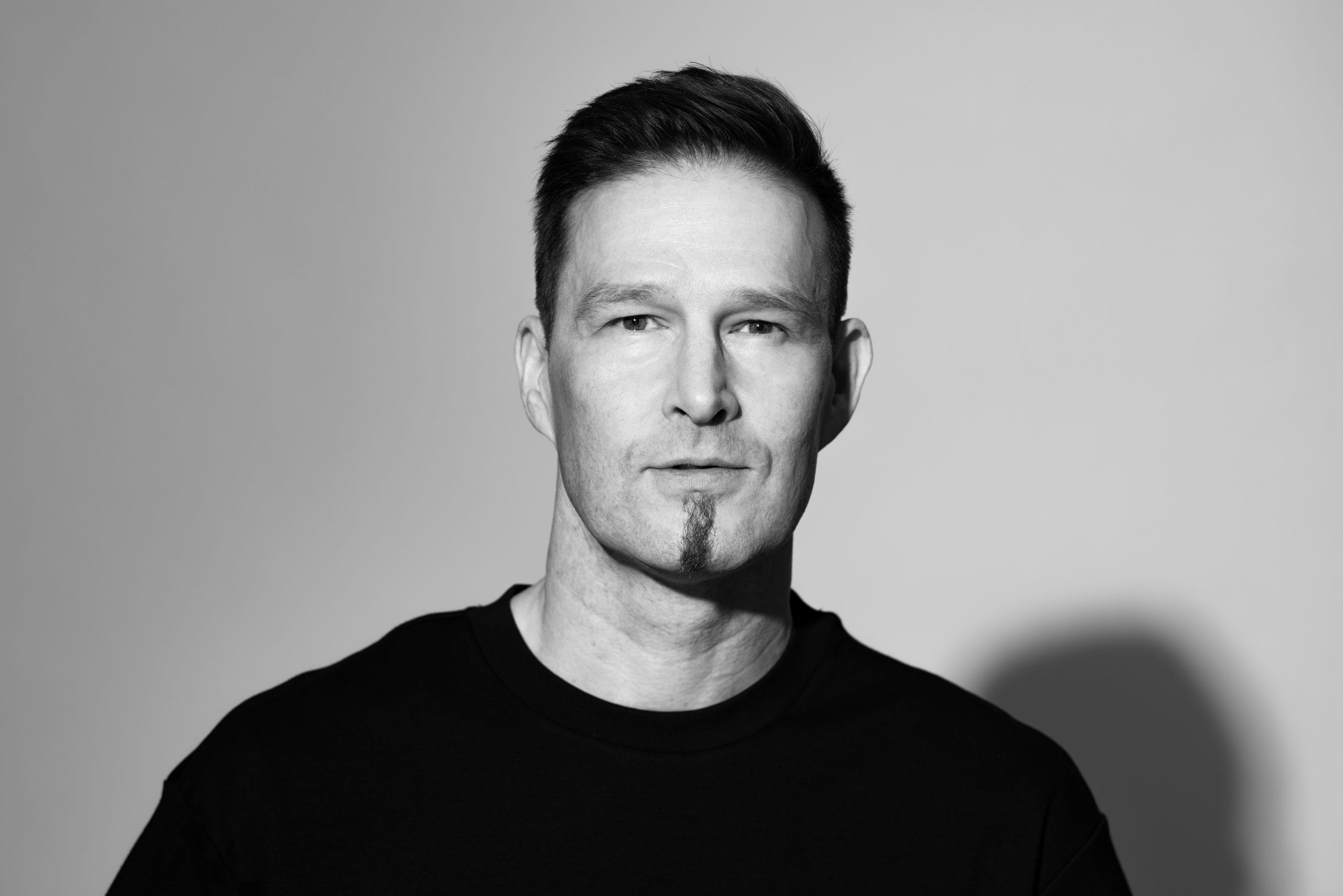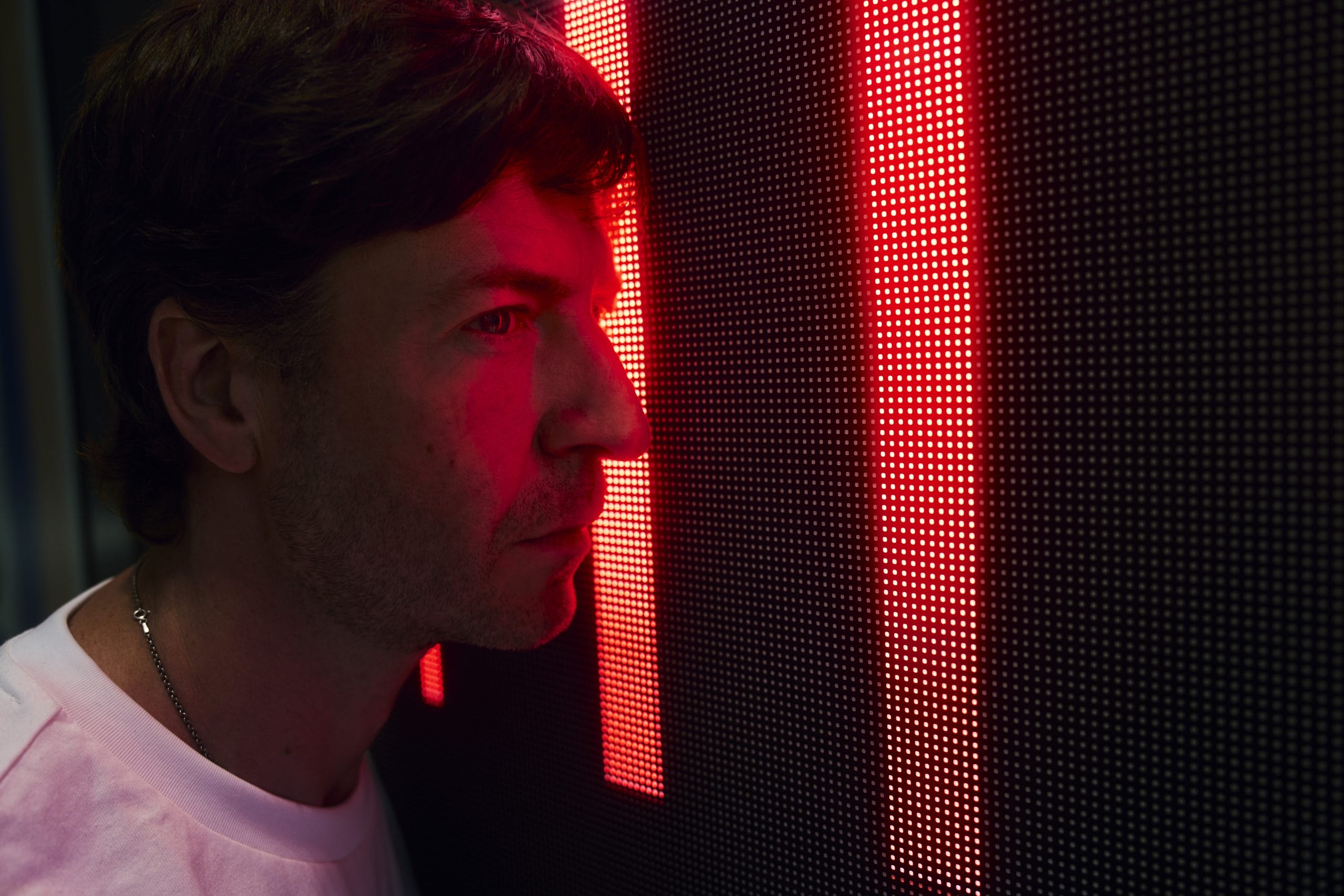
In 2020, as the world took a collective breath, Los Angeles-based artist Eliminate embraced the digital realm, captivating audiences with his playful manipulation of peculiar samples, turning them into viral beats that took everyone by surprise.
Now boasting a thriving YouTube channel with over 230,000 subscribers and a TikTok page followed by 390,000 fans, Eliminate has become a leading figure in music production is known for his infectious and comedic personality. His entertaining and informative sound design tutorials have also made him one of the top music production streamers on Twitch.
Marking a historic moment for his career, Eliminate just released his highly anticipated debut album, Get Off The Internet. He pioneers a genre-defying exploration throughout it, infusing elements from dubstep to hyperpop. Breaking free from electronic music norms, the album is both a musical spectacle and a rallying call for listeners and artists to push boundaries through experimentation.
In this unique feature, Eliminate shares his top 10 tips on sound experimentation in production, offering a glimpse into the creative process that shaped this groundbreaking album. From embracing accidents in the journey of sound design to the importance of resampling and the art of twisting knobs, Eliminate has provided tons of valuable insight for aspiring producers.
Check out Eliminate’s Top 10 Tips For Experimentation And Growth In Production below:
Make A Discovery
Sound design can be like a science experiment. The whole point of an experiment is to discover something you didn’t know before. When experimenting with sound, do not always have a specific preconceived outcome in mind. Instead, embrace the fact that you are likely to land on a completely different result that might end up being even better than what you had originally aimed for.
This is often something you discover by accident, whether that be the sound itself or the method used to obtain it. Doing this over and over again while changing things along the way will lead to an endless road of creation.
Sometimes I will land on a sound and forget how I even got there because I just kept changing it, so saving multiple versions of your project files is also a good idea to keep in mind. This way, you can revisit the steps you did to create a sound. If you really want to, you can screen-record all your sessions. However, in that case, I would recommend getting an external hard drive with multiple terabytes of storage space.

Get In The Zone, Not The Comfort Zone
If you want to branch out and create something new to you, whether that be confined strictly to sound design or just a completely new style of music itself, you are very unlikely to do so by practicing the same techniques and using the same tools over and over again.
Try a new plugin, try several, even if the UI looks daunting and confusing, learn a little about what it does and then just start playing around with it. Or don’t! Sometimes I will just go in completely blind with zero idea of what a plugin does. This method isn’t necessarily conventional, but you can still learn just through trial and error and experimentation.
Most plugin offer free trial periods where you can explore its full functionality before deciding if it will provide any actual use or utility to you.
Close The Book, Expand The Library
The book in this case being the book of samples you have been using in every song for the past several months or even years. Do a deep dive into sample hunting, check forums and social media, and look up a producer you like to see if they offer any of their own sample packs (more often than not they do, in which case you can also support them at the same time).
I make sure to do this every few months at least. Building your sample library over time will ensure you always have an expansive directory of options to use when writing and experimenting, rather than keeping yourself confined.
A lot of times, ear fatigue is developed simply because you’ve used the same kick or snare sample in so many songs. You have heard it yourself so many times that it becomes boring to you, which ultimately makes you believe the entirety of what you are creating is boring. Having new samples to use consistently keeps things new and exciting.
Twist The Knob
Just start twisting knobs. Although looking up detailed explanations of how a plugin works or what a certain macros and functions do is encouraged and beneficial, it is not totally necessary in my opinion. I often will just put a plugin on something and start moving knobs to see how it affects a specific sample or sound.
If you move something and notice a cool, exciting change, automate it, and then start twisting another one. Before you know it, you have six automation clips all changing different aspects of a sound and have created something that is completely new and different from what you started with.
If I am going in for a long session, sometimes I will just hit record and start adding plugin to a sound playing on a loop. The more I add, the more knobs I turn, the more I automate, the more the sound continues to evolve. By the end, I have a 20 or 30 minute audio file to comb through and pick out my favorite parts.
Resample, Then Resample Again:
I cannot stress how much my sound design capabilities expanded once I started resample to audio. For years, I only worked in MIDI, using synths like Serum and Massive to both start and finish a sound. Nowadays, I simply use them as jumping off points.
For example, I will use Serum to craft a base sound, whether it be from scratch or a preset. I mess around with it in the plugin for a while, maybe make a pattern or place a macro somewhere that’s controlling something specific. Then, once I have something that I like, I will bounce it to audio.
I did not touch Edison in FL Studio for nearly 10 years, now I use it in every session. Once I have the audio, I will begin placing additional effect plugins onto that piece of audio, then perhaps if I get somewhere with that, I will resample it again. You can do this endlessly, but obviously the goal is to stop once you have something that you like, and the result is often way more complex than anything you could do in MIDI alone. The best part is that because it is in audio it ends up being much less CPU intensive.
Know Your DAW
Speaking of CPU, knowing how your DAW operates should always prioritize anything else. For example, if you decide to jump head first into music production and sound design, I would not recommend going straight into a long list of plugins or production techniques without first learning the workstation that you are using them in.
I say this as someone who only just this past year learned about the F12 command in FL Studio. It is a hotkey that instantly closes all plugin windows, drastically lowering the CPU intensity of the project file and allowing you to play it with significantly less lag. I went over 10 years without knowing that, a simple command that I could have learned just by reading through the list of hotkeys on image-lines website.
I no longer dread the thought of finishing a song with a hefty project file, because I can press one button and close all these hidden windows taking up space that I did not even realize were there in the first place.
Challenge Yourself
Literally, set up a challenge. Find a random noise from a video on the internet and try to make a song using it. Set up a 30-minute timer and try to make an entire song in that timespan. Throw 10 genres you have never made into a random generator online and attempt to make whichever one it lands on.
You can do this alone, or try to find peers and other producers to participate with you. I started doing this by livestreaming the challenges on Twitch, usually in the form of a sample flip. I will pick a random noise I find then give myself and everyone in the chat two hours to make something from scratch out of it.
The results are either amazing or just really funny, sometimes both. Either way, by doing so repeatedly, you start to develop new ways to manipulate audio because you are essentially forced to. It is a great exercise that will always exist in some form or another.
Watch Music Production Content
I started my YouTube channel in March 2020, just as the pandemic began. Prior to starting that channel, I had barely watched any music production content aside from maybe a basic tutorial where I was just trying to learn one specific thing.
Around that time, I started watching Kenny Beats’ Twitch streams, which is where I got the idea to start doing my version of a beat battle (Audio Combat). It is essentially the same concept, prior to that I did not know there was much else out there in the form of music production online, although admittedly I had never really looked.
Since then, I have found tons of content creators in the space that make great videos outside the realm of just “here is a tutorial on EQing” or something along those lines. People like Simon Servida (I watched his Soulja Boy Speedrun video and ended up going on a year-long tangent competing with him for the best time), Ramzoid, Cxdy, and Bishu are a few that come to mind.
People often tell me that by watching my videos they get inspired to try new things in the realm of music production, which I think is amazing. There is value aside from pure entertainment in the realm of music production on YouTube and Twitch. In addition to that, it is a great way to just see how other people work, and maybe find a new plugin that piques your interest because you saw a video of them using it.
Make A Sample Pack For Yourself
The thought of making a sample pack usually comes with the idea that you will sell and distribute it to the public in some form or another. However, this does not need to be the case. I have made a handful of sample packs for producers to use, but I will also make sample packs in the same manner that only I have access to.
For example, I will sit down in the DAW with no intention of working on a song or anything, instead I will just hit record and start creating noise. Do this for an hour or so and start compiling one-shots, loops, anything at all really. Consolidate them into a folder in the same manner as a sample pack and just keep it for yourself. If you do this every so often, eventually you just have a folder of sounds for you, and only you, to use.
I regularly find myself working on a song and finding sounds I made months prior to use in the project. Sometimes you will forget that you even made them or what they sound like, which can be an extremely refreshing thing to have happen if you become stuck on a song.
Get Off The Internet
I am going to use the last tip to plug my album while also dropping extremely valuable knowledge, although it may come as obvious to some. Never compare yourself to others, find joy in seeing like-minded people succeed, and do not force your creativity. Sitting in front of a screen for an entire day listening to computer noises can either be the most exciting, productive, and beneficial outlet of creative expression, or it can be a soul shattering experience.
If you find yourself feeling the latter, just stand up and walk away for a while. And I do not mean stand up, walk away, and pull out your phone to post a tweet about how hard being a musician is, I mean go take your frustrations out on a Dark Souls boss or something. Go step outside into the realm of fresh air, breathe it in, realize it is going to be just fine.
Music is not a competition, even in an endless sea of producers, you yourself still provide value. If not to anyone else, then to yourself. I saw a tweet a while back that said, “music is just squiggly air.” Not only is it an absolute banger tweet and something I think about often, but it carries what I interpreted as a valuable message.
Yes music is art, it is a creative expression, it conveys so many human emotions, but it is also fun. Music is supposed to be fun.
Check out Eliminate’s debut album, Get Off The Internet, below:
CONNECT WITH ELIMINATE: SPOTIFY | INSTAGRAM | YOUTUBE | TIKTOK | TWITCH | SOUNDCLOUD |

Magnetic byline note: This byline is used for staff produced updates and short announcements, often based on press materials and official release information. Editorial responsibility: David Ireland (Editor in Chief) and Will Vance (Managing Editor). About: https://magneticmag.com/about/ Masthead: https://magneticmag.com/masthead/ Contact: https://magneticmag.com/contact/