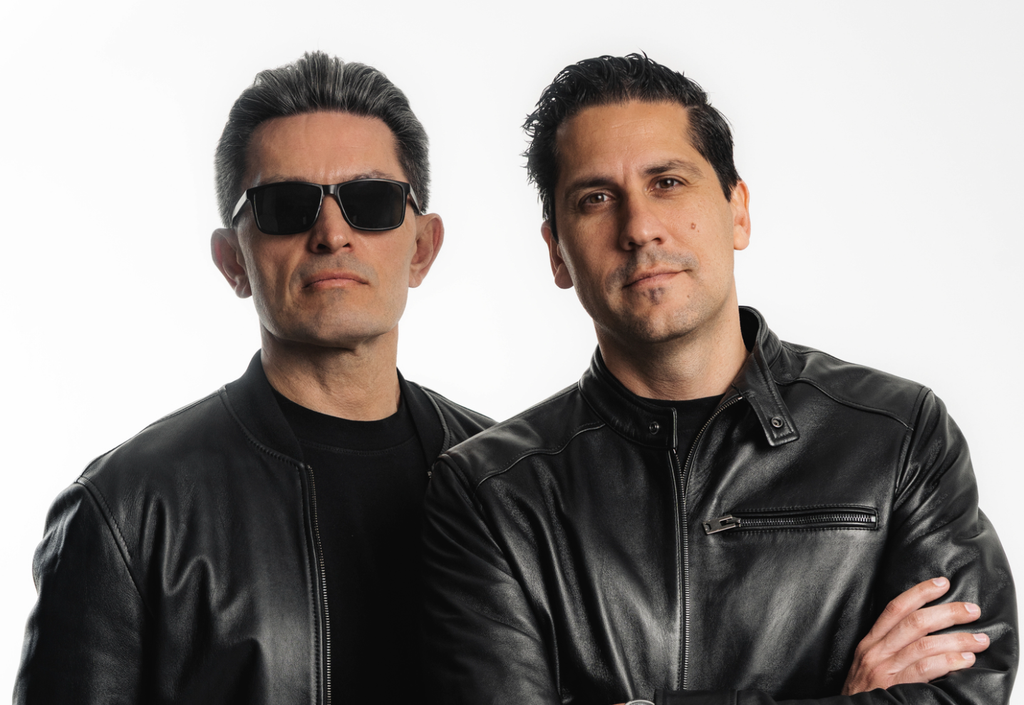
Italian music producer Artic White continues to make waves in the melodic house scene, with his latest release, “Foglie,” on David Hohme’s Where The Heart Is Records. Following the success of his earlier releases, Artic White delivers another emotionally charged track, combining lush piano melodies with a distinctive warmth and clarity that sets his work apart. With the track already gaining momentum, Artic White has also shared insights into his production process, offering valuable tips on how he creates his signature sound.
In his production breakdown, Artic White emphasizes the importance of background textures, synth design, and subtle techniques like using bus sends and saturation. These elements come together to create the immersive and organic feel that defines his sound. His approach to sound design focuses on getting each element to stand out in the production phase, ensuring that everything is ready to go before the mixdown.
His advice is particularly valuable for producers looking to elevate their own productions and build a similar attention to detail.
As “Foglie” showcases the piano-driven atmospheres and warmth that Artic White is known for, his tips serve as a window into the techniques that make tracks like this come to life. Whether it’s crafting ambient textures or ensuring powerful drums through compression, his strategies reflect the meticulous care he puts into each track. For aspiring producers and fans alike, this combination of new music and production advice provides a deeper understanding of what drives his creative process.
The importance of Ambient Textures in a track:

One of the most critical elements in my productions is the background texture. It might seem like an insignificant part of the track, but for me, it’s the number one priority. I typically create a soft string bed, accompanied by a subtle pad, playing the same note for the entire track. By placing these textures in a warm reverb context, they become less harsh and stay gently in the background.
This forms the foundation of an organic production. It’s this ambient layer that allows me to build piano melodies on top, creating a soothing atmosphere from the very beginning. This is how every Artic White track starts! You can find these techniques and more in my upcoming sample pack, Feathers, in collaboration with Zenisher.
The Synth Design:
I often don’t mix my own tracks because I believe producers need to rest their ears after completing a track to avoid becoming too attached to their own work. Fresh ears are crucial for the final product. If you choose this collaborative approach, I recommend making the mixing engineer’s job as easy as possible.
This means designing each synth or instrument to sound as good as it can during the production process, rather than relying on the mixing engineer to fix things. I’ve made the mistake in the past of thinking, “This sounds rough now, but it will sound amazing after the mixdown and master.
I realized that’s not the best approach—aim to get the sound right during production and don’t “fix it in the mix or master.”
Using BUS Sends

When working with vocals and synths, using bus sends is an essential technique. I avoid applying modulation effects (reverb, delay, chorus, saturation) directly to the sound itself. Instead, I send the audio to a bus where I apply these effects. This preserves the integrity and dynamics of the original sound while allowing you to manipulate the parallel send separately (e.g., adjusting EQ or compression) without affecting the main sound.
SATURATION IS THE KEY!
This might not be groundbreaking, but I want to emphasize that saturation is crucial! It’s a powerful tool for adding harmonics, especially when you want to enhance a basic sine sub and fill out the low-mid range. A common technique I use is to send a ‘dead’ bassline to a bus and apply 100% saturation (using plugins like Saturation or Decapitator).
This adds warmth and richness to the bass and has been a core part of my production process in recent years.
DRUMS COMP

In organic house, drums are probably the most important element. Using glue compression plugins helps make your drums sound more compact and powerful. I typically send all percussive sounds—claps, shakers, and more—to a mix bus and apply a bus compressor to glue them together.
I often use the SSL Native Bus Compressor 2 with its oversampling feature. Depending on how much transient difference exists between the kick and the other drums, I may or may not include the kick in the group. For example, if I need to add more attack to the entire drum bus, but the kick is already punchy, I leave it out of the bus to avoid over-compressing it.

Will Vance is a professional music producer who has been involved in the industry for the better part of a decade and has been the managing editor at Magnetic Magazine since mid-2022. In that time period, he has published thousands of articles on music production, industry think pieces and educational articles about the music industry. Over the last decade as a professional music producer, Will Vance has also ran multiple successful and highly respected record labels in the industry, including Where The Heart Is Records as well as having launched a new label with a focus on community through Magnetic Magazine. When not running these labels or producing his own music, Vance is likely writing for other top industry sites like Waves or the Hyperbits Masterclass or working on his upcoming book on mindfulness in music production. On the rare chance he's not thinking about music production, he's probably running a game of Dungeons and Dragons with his friends which he has been the dungeon master for for many years.