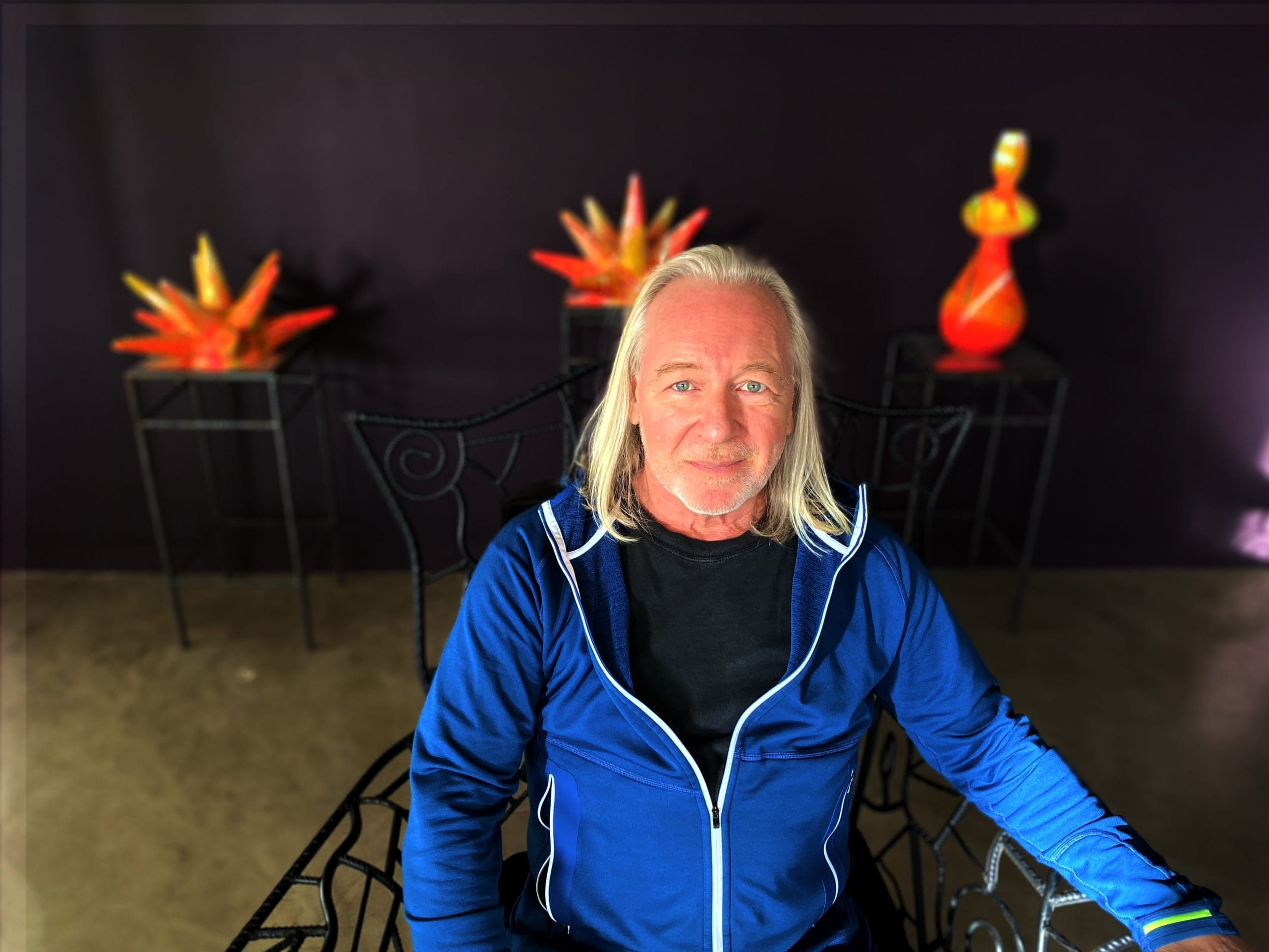
Deep Forest returns in 2026 with Soul, a new album from Eric Mouquet arriving in spring through YEAAA / Believe, followed by a European tour across the UK, Poland, Czech Republic, Germany, the Netherlands, Italy, France, and Spain.
The project carries a long history behind it, with a Grammy Award, over 10 million albums sold, and over 120 million streams, yet this next chapter feels focused on the present tense of performance, recording, and how a long-running electronic project keeps moving with purpose.
The new Live Machine Solo format brings that idea directly to the stage. Electronic textures, vocal samples, and live instruments are built and reshaped in real time, giving Mouquet a flexible setup that can move from festival settings to smaller rooms without losing the human timing behind the performance. With dates already confirmed at Maui Festival, Cinetol, Colors Hoxton, Night & Day Cafe, Sala Vol, and several other venues, the 2026 run gives Deep Forest another chance to connect decades of recorded history with a live format built around immediacy.
In our conversation below, Mouquet speaks about the parts of the artist lifestyle that take the most mental energy, from the quiet period after finishing a production to the pressure of staying visible online. He also gets into the daily habits that help him work, the physical demands of touring, and the way his relationship with creative pressure has changed over time. For an artist returning with a new album and tour after such a long career arc, those answers give a useful look at how longevity is maintained through routine, curiosity, and restraint.
Interview With Deep Forest
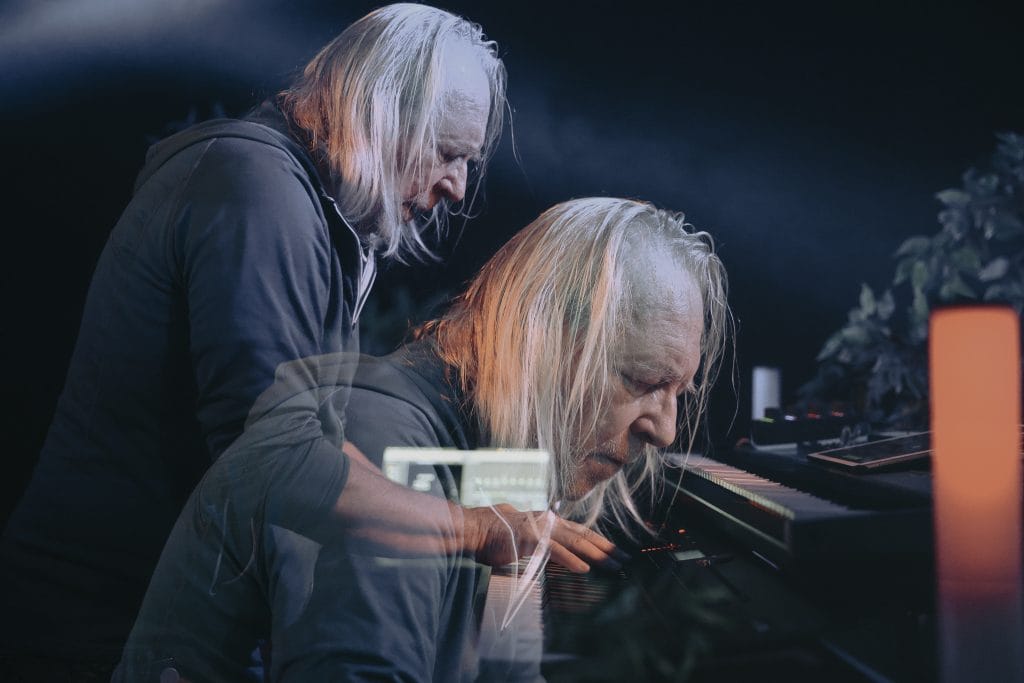
What parts of the artist lifestyle take the biggest strain on your mental bandwidth?
The most delicate period for me is always the one that follows the end of a production. After hours, days, and sometimes months of intense work, there is a kind of emptiness. I often feel like I have no inspiration left, as if everything has already been given.
Then, after a few weeks, something starts moving again. The desire to create comes back, often with force, and new ideas begin to appear almost naturally.
That in-between phase is fragile. It is a transition period, a bit uncomfortable, and probably necessary. Over time, I have learned to accept it. I use it to do other things outside music, let the mind breathe, and in the end, that is often what allows new creative energy to return.
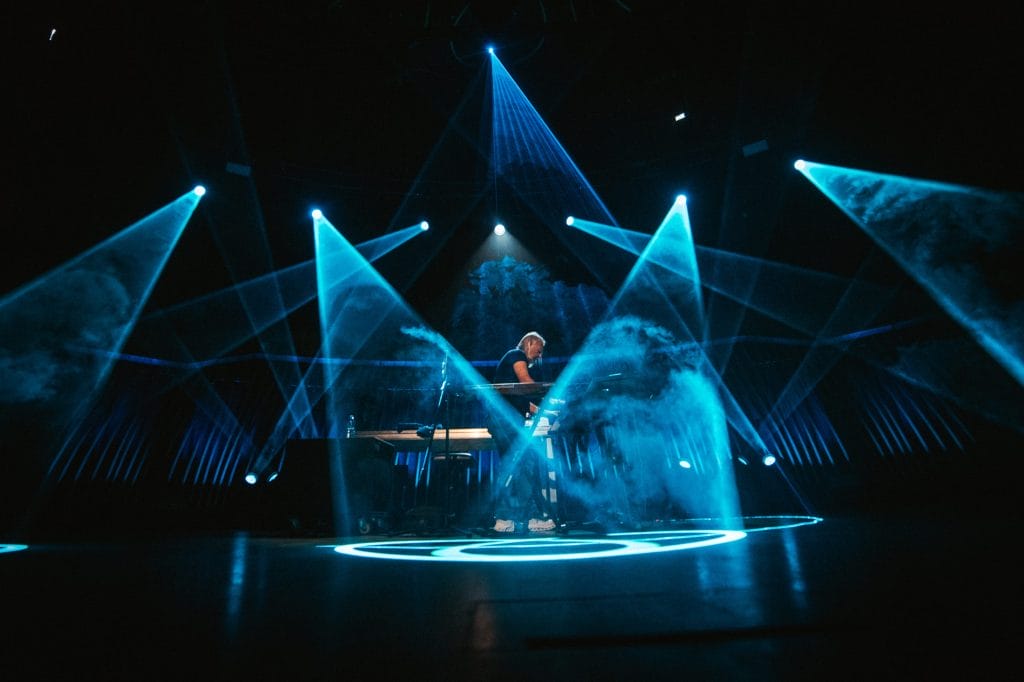
How do you manage the constant pressure to stay present online and creative in your actual work?
I try to keep things simple. I do not aim to produce overly polished or calculated content. On social media, I prefer spontaneous moments, often short videos recorded on my phone.
The idea is to avoid adding pressure around communication. If it becomes too structured or too planned, it starts interfering with the creative work. I prefer to keep a natural, almost documentary approach that reflects everyday life without distorting it. It allows me to stay present while still protecting the music.
Are there mental habits or boundaries you have developed that help you navigate the chaos?
Yes, over time I have developed simple and essential habits. I wake up very early and spend most of my workday in the morning before 10 AM. It is a moment when everything is still quiet, when the mind is clear and available, without interference.
Then I let things rest. I step back and move away from what I have done, which allows me to return later with a more objective perspective. I work again in the afternoon with fresh ears. I often feel like I am living two days in one, which is very valuable in a creative process. This rhythm helps me maintain mental clarity.
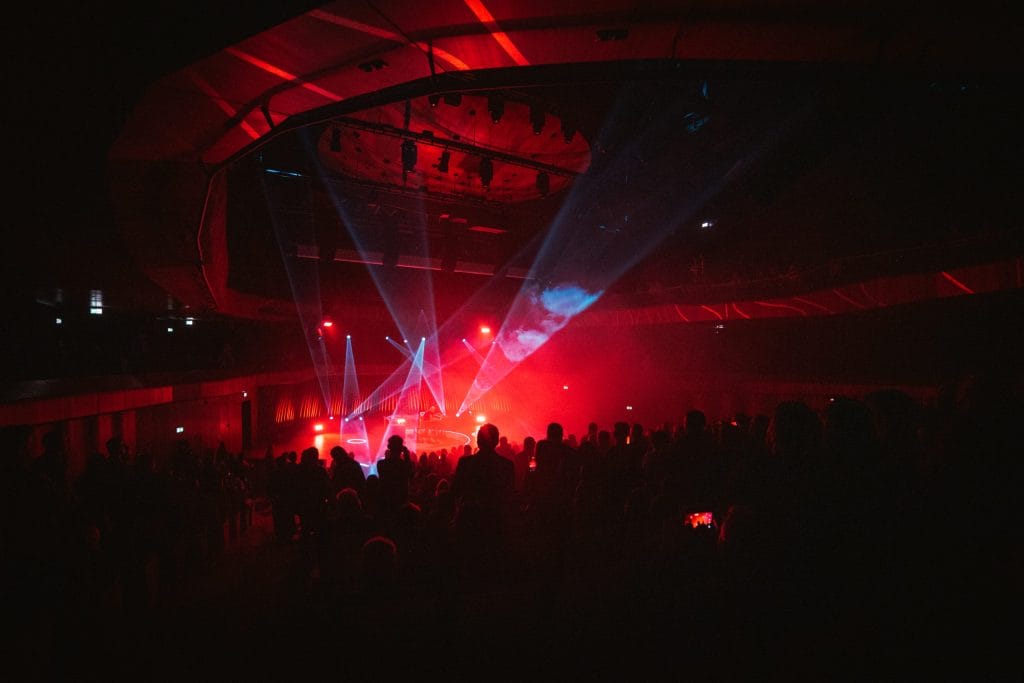
Do you feel like the emotional energy of touring and performing gets overlooked?
I am always very happy to go on tour. It almost feels like a vacation for me. I especially enjoy those moments in the afternoon when I discover the venues while they are still empty.
Over time, I have realized that places that seem quite ordinary during the day can become very powerful memories once shared with the audience. There is a transformation, an energy that completely changes the perception of the place. Moving from large festival stages to very small clubs always brings beautiful surprises. Intensity is tied to connection, timing, and what happens between the stage and the audience.
Has your relationship to hustle culture changed since you first started?
Yes, my relationship to this “always more” culture has changed a lot over time. Today, I work regularly with a flexible rhythm and a lot of perspective.
Having my studio at home gives me real freedom. I do not work in long continuous periods. I work in short blocks between half an hour and two hours, then I stop, do something else, and come back later with a different perspective.
I build music in small touches over time. There is continuity without pressure or rush. It is a bit like a boat crossing the ocean. It does not move very fast, yet it never stops.

What does burnout look like for you as an artist, and how do you avoid it?
I have not really experienced burnout in the mental sense. I have felt physical fatigue at times, especially when doing several concerts in a row, yet real creative exhaustion has not been part of my experience.
I think it is largely due to curiosity. I always want to discover, explore, and listen. That curiosity keeps a certain forward motion, even during more intense periods. Over time, I have learned to respect a certain rhythm and avoid forcing things. That probably helps me avoid reaching a point where creation becomes a constraint instead of a pleasure.
What helps you stay mentally grounded when you are mid-tour, mid-promo, or stretched too thin?
I always try to keep perspective. In those intense periods, I try above all to simplify: do one thing at a time, stay focused on what is in front of me, and avoid scattering my attention. I also try to avoid stressing about things I cannot control. There is always an element of unpredictability, especially on tour or during promotion, and you have to accept it instead of fighting it.
In the end, staying grounded is mostly about perspective: keeping some distance, moving step by step, and staying connected to the reason for the work.

Will Vance is a professional music producer who has been involved in the industry for the better part of a decade and has been the managing editor at Magnetic Magazine since mid-2022. In that time period, he has published thousands of articles on music production, industry think pieces and educational articles about the music industry. Over the last decade as a professional music producer, Will Vance has also ran multiple successful and highly respected record labels in the industry, including Where The Heart Is Records as well as having launched a new label with a focus on community through Magnetic Magazine. When not running these labels or producing his own music, Vance is likely writing for other top industry sites like Waves or the Hyperbits Masterclass or working on his upcoming book on mindfulness in music production. On the rare chance he's not thinking about music production, he's probably running a game of Dungeons and Dragons with his friends which he has been the dungeon master for for many years.





![How It Was Made: Lang Father i(Junkyard Dog) [Welofi]](https://magneticmag.com/wp-content/uploads/2026/10/Press-Pic_2-1024x576.jpg)