In an era where artificial intelligence (AI) is revolutionizing industries, its impact on the music production world is particularly intriguing. The question, “How AI Will Affect the Music Production World,” opens Pandora’s box of possibilities, challenges, and innovations. Understanding the intricate dance between AI and human creativity becomes crucial as we stand at the cusp of this technological evolution. This is especially pertinent in light of the new software introduced in music production, as outlined in a recent press release.
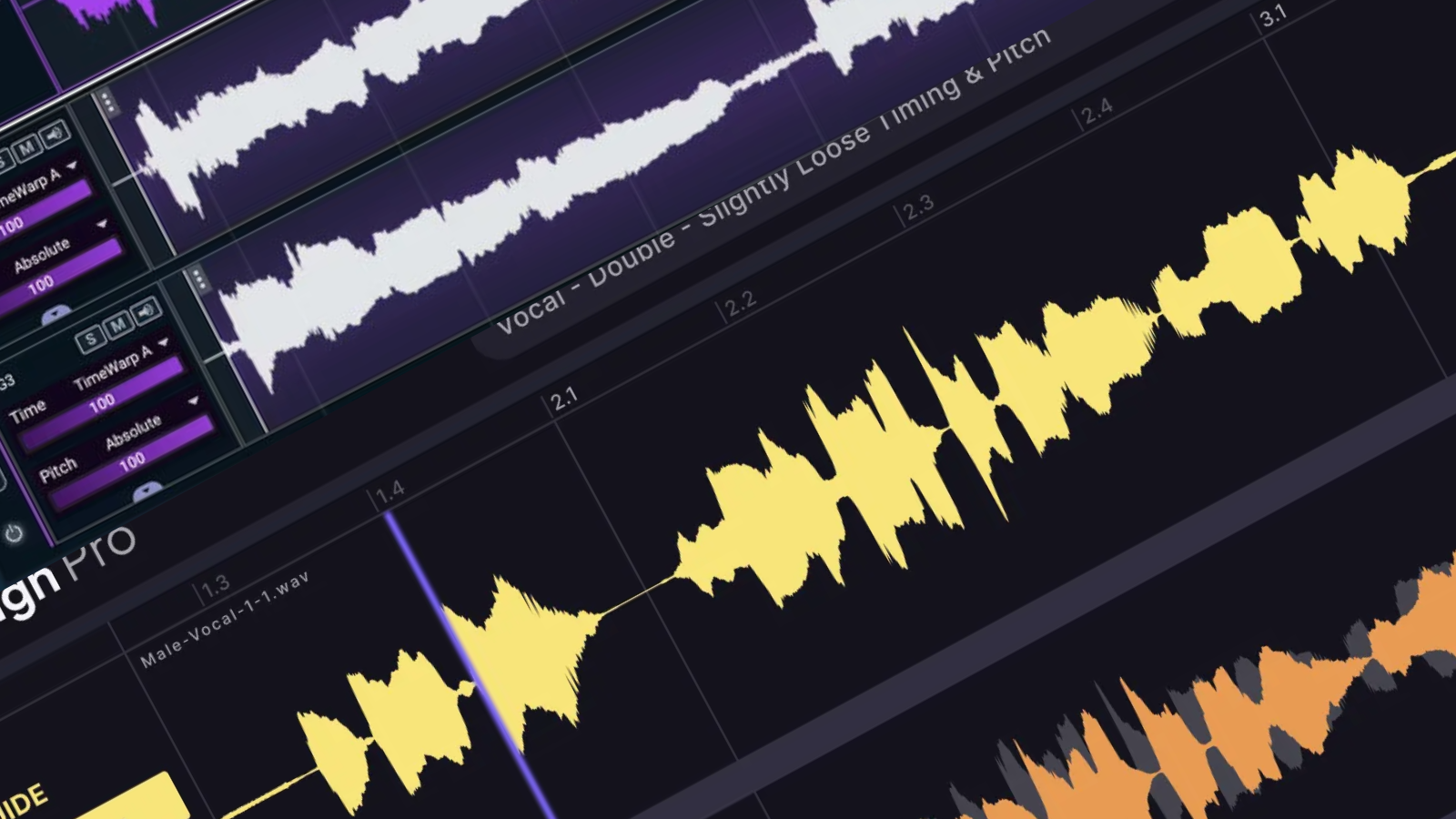
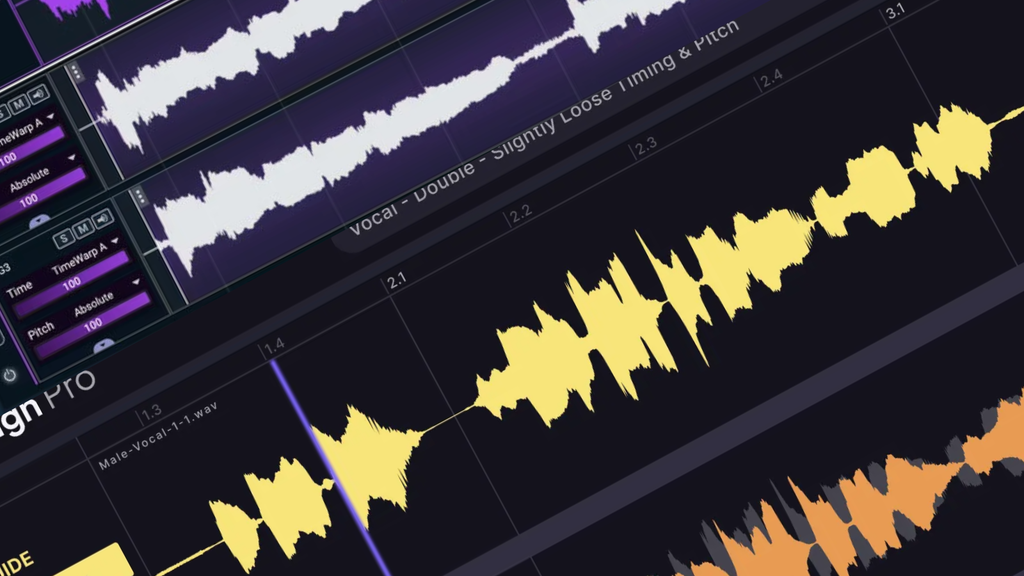
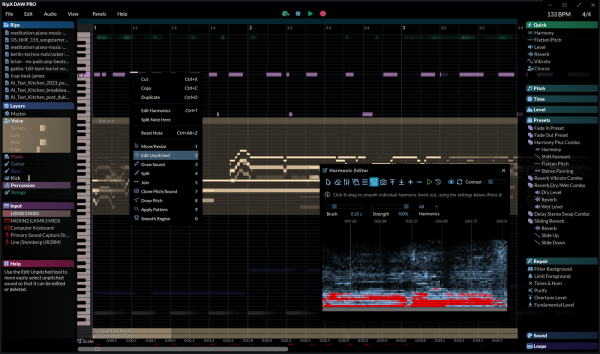
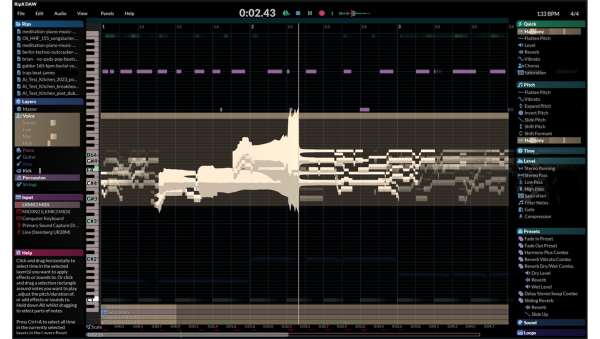
Enter the world of RipX DAW PRO, a groundbreaking tool designed to redefine music production. As an advanced version of the RipX AI DAW, RipX DAW PRO incorporates the award-winning Audioshop tools and Harmonic Editor, offering unparalleled audio editing precision. It embodies the promise of AI in music production, blending traditional methods with futuristic AI capabilities. This software is not just a tool; it’s a harbinger of a new era in music creation, where AI’s role is not just supplementary but central to the creative process.
Learn More About RipX And All Their Different AI-Driven Production Tools Here
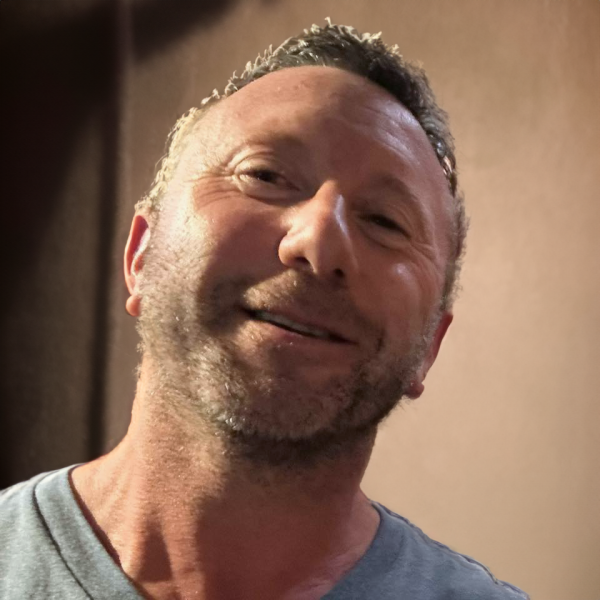
The interview with Martin Dawe, Hit’n’Mix CEO and creator of RipX DAW, delves deeper into this topic, shedding light on how AI is set to transform music production, the balance of traditional musicianship with technological advances, and the legal and collaborative nuances in this new AI-augmented landscape.
Find out more about RipX DAW over on Hit’n’Mix’s website
How do you foresee AI shaping the creative process of music production?
AI will be invaluable to anyone who wants to make music and knows what they like but lacks the time or skillsets to achieve their creative ambitions due to circumstances beyond their control. Entering a text description and being presented with various creative musical suggestions can be a nice way to kick-start a project.
For those already with a seat at the mixing desk, AI can speed up music production by reducing trial and error. Having original musical ideas automatically presented to you is a great source of inspiration and a great cure for writer’s block, especially if you have a deadline!
What implications does AI music production have for the role of traditional musicianship skills?
People will always enjoy playing musical instruments and I don’t see the pleasure of creating amazing sounds and the social appeal of playing to an audience at a party or an arena ever going away – after all who doesn’t love seeing their favourite artist with all the theatrics of a big stage production.
Synths, DAWs, and VST instruments were perhaps a more significant threat when introduced. Still, live performance with all its humanity, emotion and impressive technical skills remains as essential today as it was 60 years ago.
Snag Premium House Music Samples Without Breaking The Bank With Our Massive Curated List Of Warm, Punchy Sounds From Across The Internet. Click Here To Get 4k+ Free Sounds and Samples
How could AI enhance the music personalization experience for listeners?
Interesting question – In 1999, visionary artist David Bowie predicted a deeper relationship between the artist and listener. In an interview with the BBC, he prophesied that “the actual context and the state of content is going to be so different to anything that we can really envisage at the moment, where the interplay between the user and the provider will be so in simpatico it’s going to crush our ideas of what mediums are all about”.
I was unaware of this clip when I started experimenting with the Rip Audio format back in 2009 – Rip Audio is what our RipX products are based on and allows unique and powerful in-the-mix editing of audio. I was thinking, this could change everything – you might one day be able to listen to your favourite songs remixed in whatever style you like… And perhaps you could even say how you want to feel, and the music is adapted automatically! Of course, some artists might not like their work meddled with in this way, but with a premium subscription and higher artist rates, who knows…
What safeguards should be in place to prevent AI from making music production too formulaic? Should any be placed at all?
Some might say music production is already quite formulaic, especially when compared to the last century. Record company bosses of course work out what will bring in the most revenue and then instruct accordingly. Musical styles often become dated quite quickly, and teenage kids might want to listen to something different to their parents. But then somebody comes along with a new idea that creates an emotional reaction in the masses and that stays for a while. It is important to remember that AI is only based on what humans have already created. AI does not have access to the almost infinite complexity of human emotions – and certainly not any ethereal processes that might exist for ‘higher creativity’.
Therefore, it all comes back to this: AI is a great tool to assist with creativity, but would I feel comfortable having my emotions stirred by a track created using little or no human input? No.
Are you ready to elevate your sound even further? Dive into our comprehensive guide on the 25 must-have VST plugins for music producers, regardless of genre you’re making.
How do you see AI affecting the collaboration process between artists and producers?
I believe it could improve the flow of communication: The artist might be able to present something closer to their vision, that the producer can flesh out without losing the original sentiment.
And on the flip side, producers could use AI to quickly create examples of ideas for the artist to give feedback on.
What are the legal implications of copyright and ownership regarding AI-generated music?
There appear to be two sides to this, but I am not a legal expert, so please do not rely on this information!
- Copyrighting AI-Generated Music: Raw AI-generated work is not copyrightable or attributable to a person. However, if you extract the parts you need, make your own edits and adjustments, record new parts (everything you will probably need to do anyway to make a worthwhile finished track), as far as I am aware, that additional work may be attributable to you.
- Copyright Infringement of AI-Generated Music: Some of the music used to train some AI generator algorithms may be copyrighted, owned, or attributed to real human artists, and this could cause copyright infringement in tracks generated. Therefore, if you plan on releasing work, it’s important to make thorough checks that the music will not cause you any problems – something that’s advisable with any music, AI or otherwise. Some AI services such as Stable Audio, appear to license the training music, with revenue shares going to rights-holders.
Finally, how can the music industry foster an environment where AI and human creativity work hand in hand to produce innovative music?
I think it’s essential to look past the scary stories, such as cloned artists’ voices being used to create illegal tracks. I’m sure this is just a passing phase, and it all feels a bit gimmicky. AI can complement existing tools and skill sets and even inspire new ones such as AI DAWs, and is just another step in hundreds of years of music evolution.
At the end of the day, listeners want to listen to human performances because they convey real emotions and activities, and if you embrace AI as a tool, it is likely to give you a creative advantage and allow you to be part of original music production for the next generation.

Will Vance is a professional music producer who has been involved in the industry for the better part of a decade and has been the managing editor at Magnetic Magazine since mid-2022. In that time period, he has published thousands of articles on music production, industry think pieces and educational articles about the music industry. Over the last decade as a professional music producer, Will Vance has also ran multiple successful and highly respected record labels in the industry, including Where The Heart Is Records as well as having launched a new label with a focus on community through Magnetic Magazine. When not running these labels or producing his own music, Vance is likely writing for other top industry sites like Waves or the Hyperbits Masterclass or working on his upcoming book on mindfulness in music production. On the rare chance he's not thinking about music production, he's probably running a game of Dungeons and Dragons with his friends which he has been the dungeon master for for many years.