Once upon a time, the rhythmic click of a needle on vinyl and the deft hands of DJ working turntables were the heartbeats of the club scene. The blend of old-school artistry and technique brought to life music that resonated with the soul. But times have changed, and the digital revolution has ushered in an era where turntables meet technology, blending the nostalgia of vinyl with the endless possibilities of digital DJing.
In exploring the future of digital DJing, we’ve contacted experts from the innovative brand Hercules. Virginie Belliveau, Product Marketing Manager; Jean Lacôte, Product Development Director; and François Garet, Producer, sat with us to shed light on this fascinating transformation.
From the rise of accessible DJ controllers to the integration of AI and machine learning, they provide insights into the evolution of the DJ’s role, the challenges and opportunities of digital technology, and the innovative trends shaping the industry. Join us as we spin the virtual turntables and navigate the new landscape of digital DJing, where old school meets new tech, and creativity knows no bounds.
How do you see the role of the DJ evolving in the digital age?

Virginie Belliveau: We are decades ahead of the OG vinyl days. The role of the DJ has undergone significant transformation since then, and it continues to evolve as new technology and cultural shifts shape the landscape of the music industry.
With an overwhelming amount of music available online, DJs have become curators and tastemakers. They are not just playing popular tracks but actively seeking out unique and niche sounds to differentiate themselves and offer fresh experiences to their audiences. Instead of being limited to the few record shops in their city, DJs now have unlimited amounts of music at their fingertips, on all sorts of platforms, at all times… which can get overwhelming—speaking from experience as a DJ myself.
DJs must also navigate the realm of personal branding and marketing. Any emerging and independent artist can be their publicist now, thanks to how accessible marketing tools are. There’s no longer the need to invest thousands on a billboard or get into the hottest paper magazine. Online presence plays a significant role in establishing a DJ’s identity and reaching a broader audience. It’s easier than ever to share your work, announce a gig or release music: on Instagram, TikTok, YouTube, Twitch, Twitter, etc. You’re not just a disc jockey anymore, but you’re a social media guru, content creator, PR specialist, accountant, administrator, and the list goes on!
Embracing technology, honing curation skills, and building a solid online presence are essential for DJs to thrive in this rapidly evolving landscape. Connecting with global audiences through digital platforms offers unprecedented possibilities for creativity, exposure, and career growth.
In your opinion, what are the biggest challenges and opportunities that digital technology presents for DJs?
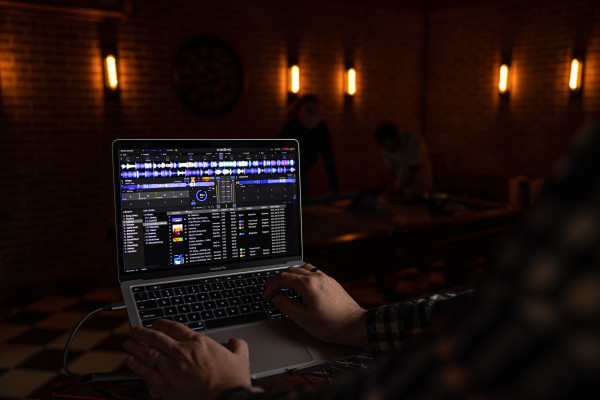
Jean Lacôte: Digital technology has always brought major opportunities for both established and starter DJs.
At Hercules, our objective has always been to make Djing more accessible, and we truly believe that digital technology can be a crucial lever.
Twenty years ago, in 2003, Hercules released the Hercules DJ CONSOLE. This was the first all-in-one controller with 2 decks + 1 mixer with built-in audio interface. This was a massive opportunity for DJs who could easily mix MP3 music stored on their computers.
Nowadays, digital technology is bringing:
- More creativity to the DJs, thanks to new STEMs features, next music recommendations, and automatic tone synchronization.
- More portable and affordable DJ Controllers that allow starter DJs to learn and perform quickly in front of an audience.
- Easy access to all kind of video tutorials and music streaming contents enables DJs to experiment easily and find their own DJing style.
- More immersion and authentic feeling thanks, for example, to motorized DJ controllers allowing the DJs to reproduce the same gesture and the same performance as on traditional turntables.
Having said that, digital technology must be well mastered to:
- Avoid standardization: Automatic music recommendations can lead to standardized DJ sets. DJs can be tempted to trust more software and algorithm than their personal feeling.
- Remain independent of those technologies. Indeed, DJs must also learn how to DJs on analogic devices, and beat match manually by ear to fully master their art.
Can you speak on how digital platforms have changed how DJs discover and share music?
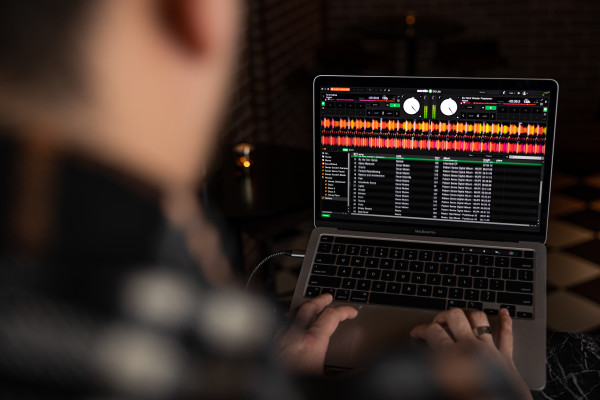
Virginie Belliveau: There are a lot of ways that digital platforms revolutionized how DJs approach their craft. A few that come to mind are the emergence of vast music catalogs, such as streaming services. Think Beatport, Beatsource, TIDAL, etc. With a few clicks, DJs can surf through different genres and eras; even during a set if they’re plugging their decks into a laptop and have a stable Internet connection.
Another exciting evolution is how easy it is to discover new music from emerging and independent artists through social media. Artists like PinkPantheress, for example, have benefited from countless reshares and overall virality on TikTok. Next thing you know, you hear her music being played and remixed at clubs worldwide.
What impact do you think AI and machine learning will have on the future of DJing?
Virginie Belliveau: Many digital platforms use AI algorithms to analyze a DJ’s listening habits and preferences. Based on this data, the platform provides personalized recommendations for new music that aligns with the DJ’s taste. This helps DJs discover relevant tracks more efficiently.
It’s impossible to answer this question without mentioning stems. Serato, the software of choice for millions of DJs, came out with their native Stems technology last year and shook the industry entirely. The options are endless: DJs can now create acapella, remixes, and mashup tracks in real-time by separating audio tracks, isolating bass, melody, drums, or vocals at the touch of a button.
We’ve also noticed a trend with AI-generated music, which has probably already made its way onto dance floors worldwide. If that tickles your fancy, you can now get Drake to sing a Madonna song. DJs might blend human-created tracks with AI-generated ones, creating unique and experimental sounds.
One thing’s for sure; it’s essential to note that while AI and machine learning offer exciting possibilities, they won’t replace the human touch in DJing. DJs will remain the creative minds behind the decks, infusing their personalities, emotions, and artistic intuition into their performances. Integrating AI in DJing is more likely to enhance creativity, efficiency, and audience engagement rather than replacing the human element entirely.
How do you think digital technology affects the educational aspect of aspiring DJs?
François Garet: Digital technology has a huge impact on how aspiring DJs start to DJ and progress.
It gives the aspiring DJs the opportunity to :
- Select the right music at the right time. For instance, DJUCED Intelligent Music Assistant is an Artificial Intelligence proposing the next music that matches the ongoing DJ set. Intelligent Music Assistant is acting like the “Selector” in the 70s who proposed the following vinyl discs to the DJs.
- Mix anywhere, from school to the club, thanks to affordable and transportable DJ equipment. This gives a great opportunity to start/perform quickly in front of your friends or family.
- Go quickly to the next level. We are always impressed by the skills of some starter DJs who learn quickly and can upgrade to a higher-end controller in a couple of months.
- Learn the right DJ gestures while keeping the embedded light guides on the controller, such as Hercules Beatmatch guides.
What trends in digital DJing that you find particularly exciting or innovative?
Jean Lacôte: There are many trends that we are following very closely:
- Stems: this incredible tool enables DJs to create mashups on the fly.
- AI that can precisely analyze the music to suggest hot cues, next music, identify intros/outros, and much more.
- Cloud computing gives great flexibility to DJs who now only need its cloud access to perform in front of an audience with pre-prepared songs.
- Embedded processors in motorized DJ Controllers that allow very accurate precision. This allows for combining cost-efficiency, transportability, and performance in a DJ controller.

Will Vance is a professional music producer who has been involved in the industry for the better part of a decade and has been the managing editor at Magnetic Magazine since mid-2022. In that time period, he has published thousands of articles on music production, industry think pieces and educational articles about the music industry. Over the last decade as a professional music producer, Will Vance has also ran multiple successful and highly respected record labels in the industry, including Where The Heart Is Records as well as having launched a new label with a focus on community through Magnetic Magazine. When not running these labels or producing his own music, Vance is likely writing for other top industry sites like Waves or the Hyperbits Masterclass or working on his upcoming book on mindfulness in music production. On the rare chance he's not thinking about music production, he's probably running a game of Dungeons and Dragons with his friends which he has been the dungeon master for for many years.