Maintaining motivation can be tough, especially when inspiring kids to learn piano. I recall loathing my early piano lessons, being forced to play unfamiliar tunes by composers from centuries past. It was only when I picked up the guitar and started playing songs by bands like the Red Hot Chili Peppers and John Mayer that I truly fell in love with music.
As a now-professional music producer, I see the impact of choosing relatable music during those critical initial learning years. Disney, a brand beloved across generations, is an ideal choice. Its timeless characters like Ariel and Belle resonate with young learners experiencing these characters for the first time and their parents who fondly recall the original movies.
Disney songs, often easy to play and fun to sing along with, hold more relevance for us than archaic compositions from centuries ago, making them the perfect foundation for learning piano. Now, let’s explore the top ten easiest Disney songs to learn on the piano. But before we dive in, consider checking out Pianonote, a streamlined platform designed to teach you piano fundamentals at your own pace, preparing you to master these Disney tunes in mere days instead of weeks or months.

“Do You Want to Build a Snowman?” from “Frozen”
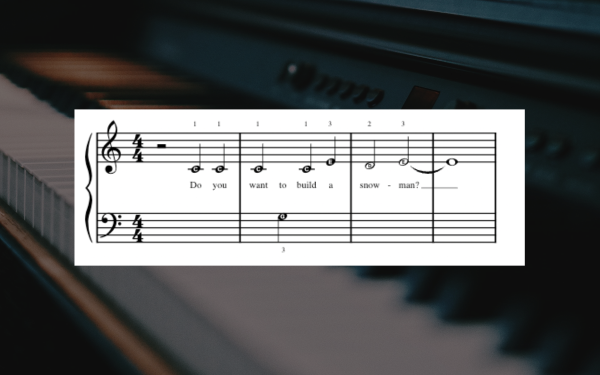
This song is particularly friendly for beginners due to its use of a major scale, often the one that most beginning pianists are comfortable with. The simplicity in the chord structure, mostly centering around the primary triads, make this song easier to learn. The right-hand melody primarily consists of steps and small leaps, mirroring the speech-like quality of the song, which helps novice players to internalize the tune faster.
Furthermore, this song has a repetitive rhythmic structure which means once you master one section, you can apply the same skills to other parts of the song. The repetitiveness also extends to the melody, where phrases often repeat with slight variations. This allows the beginner pianist to focus less on learning new notes and more on refining their touch, dynamics, and expression.
Snag The Sheet Music Here
“A Whole New World” from “Aladdin”
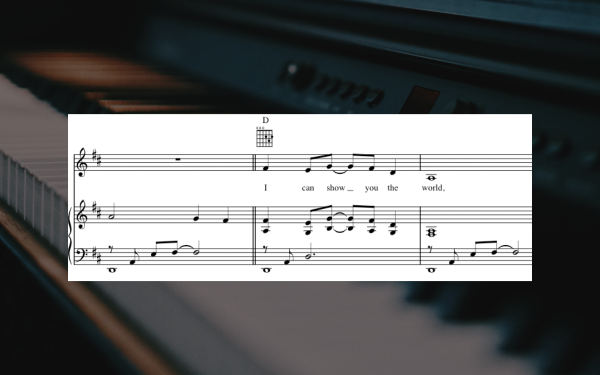
Set in the key of D Major, this song only introduces two sharps (F# and C#), making reading and playing the right notes easier for beginners. The song also uses common chord progressions, including the I-IV-V progression. This provides a straightforward pattern for the left-hand accompaniment, allowing beginners to predict chord changes and focus more on their right-hand melody.
The song’s melody follows a predictable and stepwise pattern, contributing to its ease of learning. Plus, it mirrors the natural rhythms of the lyrics, which can help beginners to grasp the rhythm. “A Whole New World” also allows beginners to practice dynamic changes, with the soaring chorus offering the chance to play loudly and expressively and the softer verses allowing for quieter, more reflective playing. This helps novice players to develop their expressive skills without being overwhelmed by technical challenges.
Snag The Sheet Music Here
“Hakuna Matata” from “The Lion King”
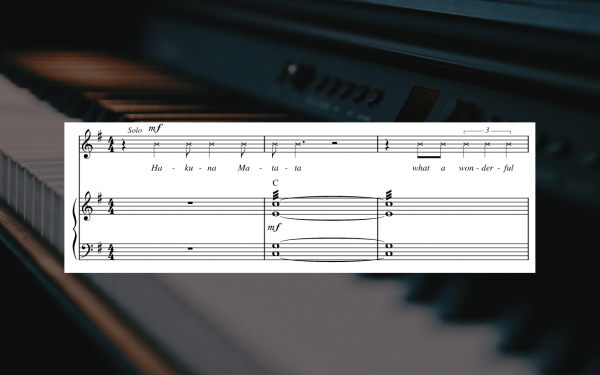
Its upbeat and rhythmic quality helps to engage and keep the interest of the beginner pianist. The melody is primarily constructed of small intervals and stepwise motion, which makes it less challenging for the fingers.
“Hakuna Matata” also features a simple, repetitive harmonic structure using basic chords. This repetition allows for quicker memorization and ease of playing. Moreover, the song’s fun nature allows the beginner to explore different rhythmic patterns and syncopation, which can be engaging and educational without being too overwhelming.
Snag The Sheet Music Here
“Part of Your World” from “The Little Mermaid”
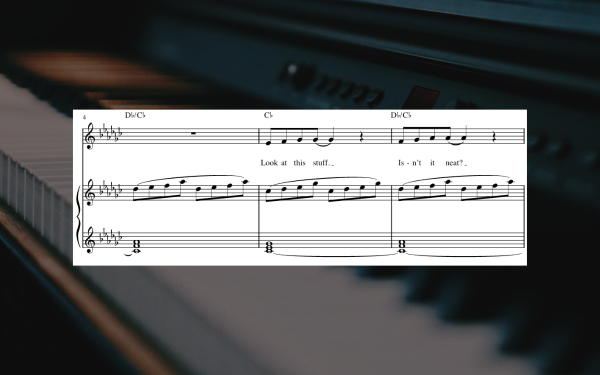
The chord progressions are quite straightforward, revolving around the primary chords, often the first set of chords beginners learn.
Furthermore, the tempo of this song is moderately slow, allowing beginner pianists more time to think and place their fingers correctly. The expressive nature of the melody also gives beginners a great opportunity to experiment with dynamics and phrasing, enhancing their musical expression without the need to tackle too many technical difficulties.
Snag The Sheet Music Here
“When You Wish Upon a Star” from “Pinocchio”
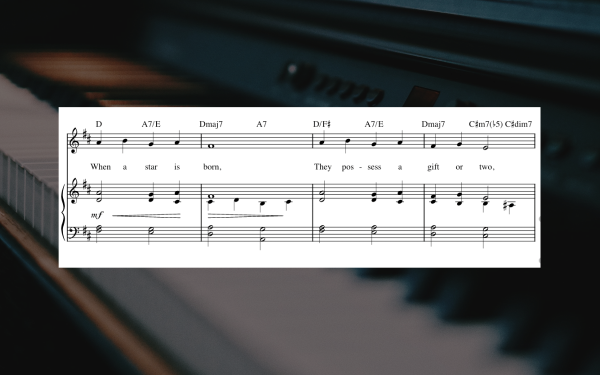
The song’s melodic line is smooth and moves moderately, allowing beginners ample time to move their fingers between notes.
The harmonic structure in this song is also relatively simple, using common chord progressions. The melody has elegance and tenderness, allowing beginners to work on their touch and expression. Its timeless nature makes it an appealing piece to learn and play for family and friends.
Snag The Sheet Music Here
“Can You Feel the Love Tonight” from “The Lion King”
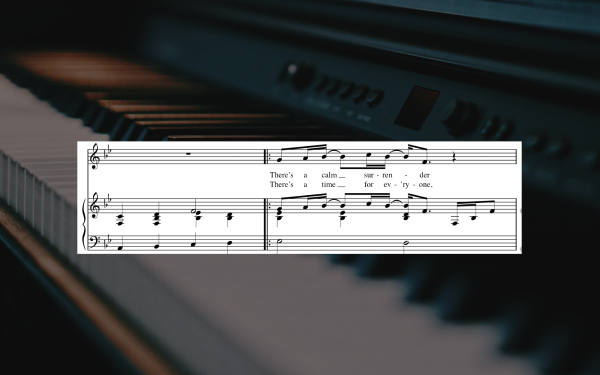
It features a flowing, lyrical melody with a mix of held notes and stepwise motion. This balance enables beginners to focus on finger strength and control. The chord progression is relatively simple, utilizing mainly primary chords.
Moreover, the song has varied dynamics and a broad, expressive range. This allows beginners to experiment with different tonal colors and expressions, which is crucial for developing musicality without being excessively demanding in terms of technique.
Snag The Sheet Music Here
“Under the Sea” from “The Little Mermaid”
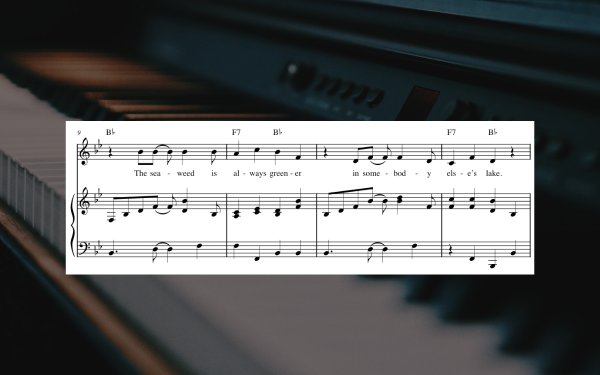
The chords are mostly primary triads and diades, making the left-hand accompaniment easy for beginners to master. The upbeat tempo allows beginners to practice playing faster, but the rhythm is consistent and easy to follow.
The melody is catchy and repetitive, which aids in quick memorization. The lively character of the song also encourages beginners to experiment with different articulations and dynamics, adding to the fun of playing this piece while still focusing on developing a sense of rhythm and coordination.
Snag The Sheet Music Here
“Bare Necessities” from “The Jungle Book”
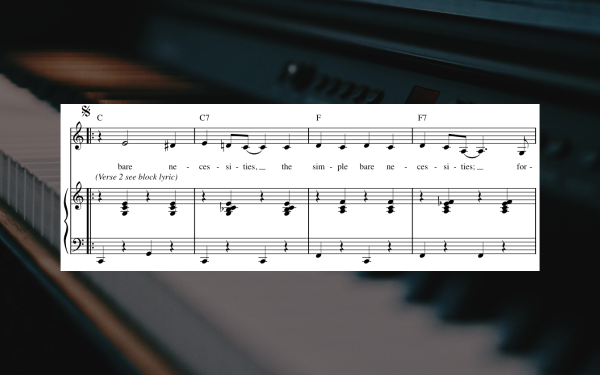
In the key of C Major, this song has a swing rhythm that’s both engaging and challenging in the right amounts for a beginner. The melody is catchy, with steps and small leaps that are easy on the fingers.
The chords in this song are relatively simple, and the laid-back tempo allows for easy chord changes. The swing rhythm also provides a beautiful introduction to different jazz elements for beginners, enabling them to develop a sense of timing and syncopation without too much technical difficulty. The syncopated melody can be a great exercise for developing rhythmic skills.
Snag The Sheet Music Here
“You’ve Got a Friend in Me” from “Toy Story”
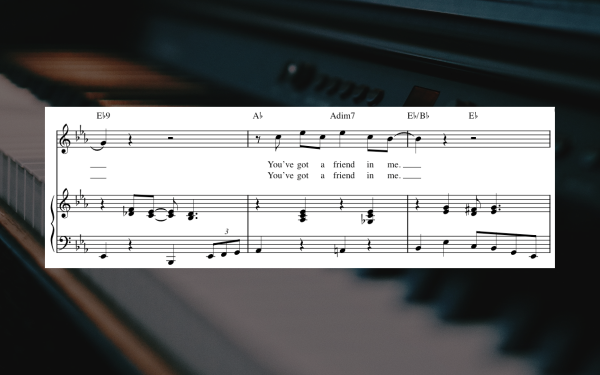
The melody moves in a stepwise manner, making it less daunting to learn and remember. The harmonic structure is primarily built on familiar chords, reducing the complexity for the left-hand accompaniment.
Another strength of this piece is its slow to moderate tempo and catchy, repetitive tune that aids in memorization. Moreover, it has a fun, jazzy vibe, and the simple syncopations present in the melody can be excellent for beginners to develop a good sense of rhythm and timing. It is an appealing choice to learn, bringing a taste of swing music within the reach of the novice player.
Snag The Sheet Music Here
“Beauty and the Beast” from “Beauty and the Beast”
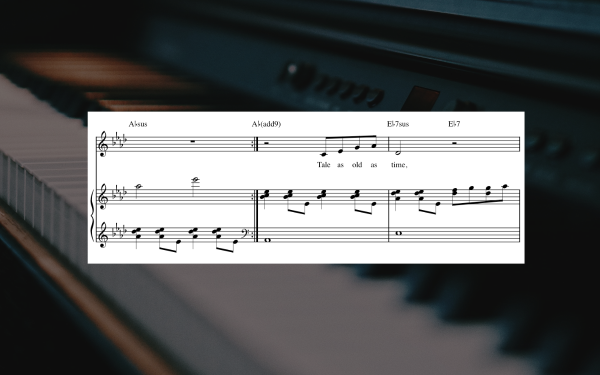
This song includes a straightforward chord progression, predominantly featuring primary chords. The melody closely follows the lyric pattern and moves in small, manageable steps, which makes it less challenging for beginners to play.
Snag The Sheet Music Here

Will Vance is a professional music producer who has been involved in the industry for the better part of a decade and has been the managing editor at Magnetic Magazine since mid-2022. In that time period, he has published thousands of articles on music production, industry think pieces and educational articles about the music industry. Over the last decade as a professional music producer, Will Vance has also ran multiple successful and highly respected record labels in the industry, including Where The Heart Is Records as well as having launched a new label with a focus on community through Magnetic Magazine. When not running these labels or producing his own music, Vance is likely writing for other top industry sites like Waves or the Hyperbits Masterclass or working on his upcoming book on mindfulness in music production. On the rare chance he's not thinking about music production, he's probably running a game of Dungeons and Dragons with his friends which he has been the dungeon master for for many years.