“TIKINI” gives Tavo Man a clear lane to connect Garifuna language, Afrobeat, dancehall, and contemporary club production in one record. The track is rooted in cultural meaning, but the production keeps it direct, rhythmic, and ready for movement.
That balance is the real hook here, because the song works as a cultural statement and a physical record at the same time.
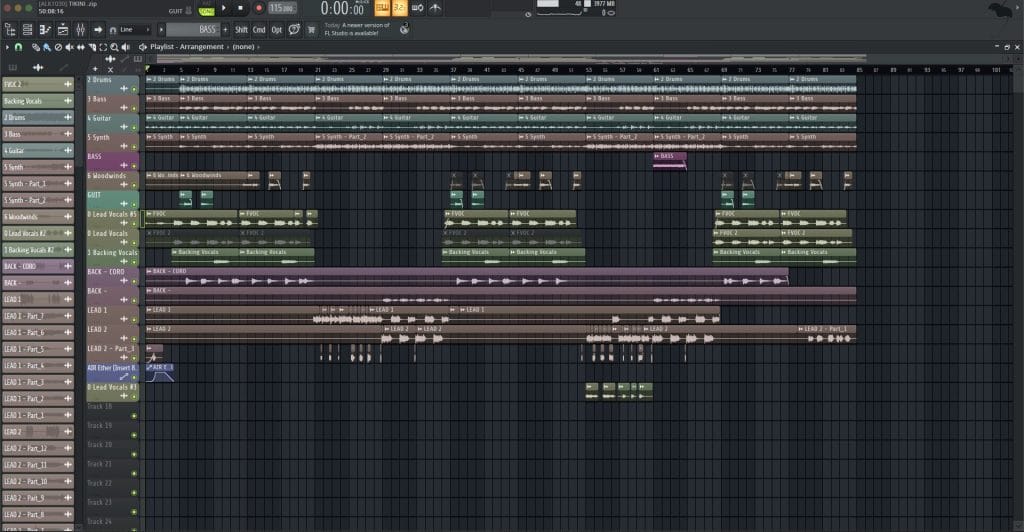
Tavo Man’s wider work has always moved between music, identity, and visual art, and that comes through in the way “Tikini” is built. The vocal sits at the center, with the rhythm and bass supporting the sensual, hypnotic feel of the track. The production choices are polished without stripping away the warmth and character that make the song feel personal.
For this How It Was Made feature, Tavo Man breaks down the exact tools behind the track, from Fairchild-style vocal compression to MASCHINE, BATTERY, Serum, HEAT UP 3, reverb chains, delays, and his hybrid Cubase and FL Studio workflow. The result is a practical look at how he shaped the drums, vocals, low end, and atmosphere behind “Tikini,” while keeping the focus on groove, clarity, and feel.
Main Plugin: Fairchild 670 Compressor
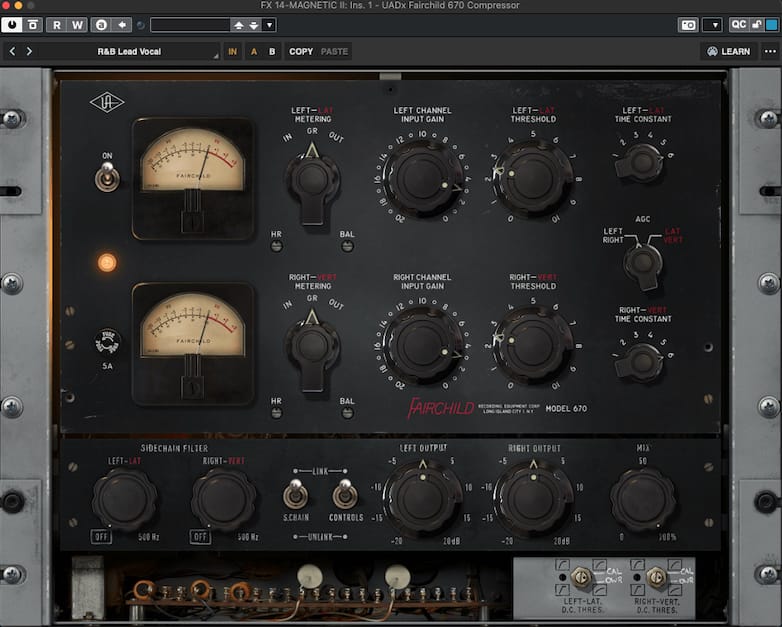
The Fairchild 670 Compressor is a classic tube-based compressor known for its warm, smooth, and musical character. It doesn’t just control dynamics—it adds a rich harmonic color that enhances the tone of whatever you run through it. This plugin is especially loved for vocals because it brings a natural compression that feels transparent yet full of life. Its unique response and vintage vibe make it perfect for achieving a timeless, high-end sound.
One of the strongest elements in my track “Tikini” is the vocal production—the color, the sensuality, and the smoothness were not accidental. I used the Fairchild 670 on a vocal bus as a parallel compressor to shape the main vocals. With a subtle EQ touch and careful gain reduction, I was able to enhance the warmth without over-compressing. I didn’t rely heavily on presets; instead, I fine-tuned the settings to keep the vocals dynamic but controlled. The result was a sweet, pleasing sound that sits perfectly in the mix and doesn’t fatigue the listener.
For producers working in similar genres, I highly recommend using the Fairchild 670 as a parallel compressor on vocals rather than directly inserting it aggressively. Keep the settings subtle—this plugin shines when it’s barely noticeable but still adding character. One trick I’ve learned is to blend it slowly into your mix until the vocals feel fuller and more intimate. It’s perfect for achieving that smooth, sensual vocal tone without losing clarity or emotion.
MASCHINE / BATTERY (Native Instruments)
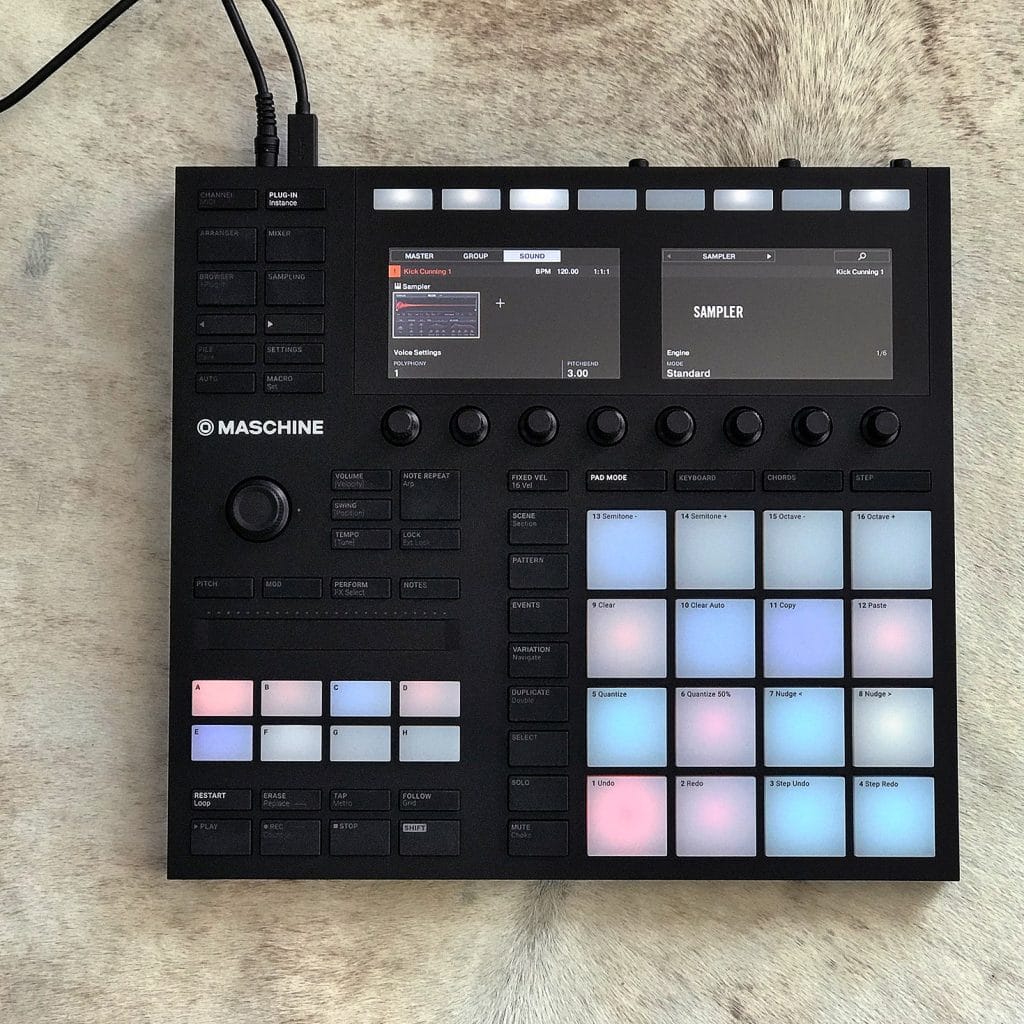
MASCHINE and BATTERY by Native Instruments are powerful drum production tools designed for creating dynamic and expressive rhythms. BATTERY is especially known for its advanced sample layering, precise control over velocity, and detailed shaping options like envelopes and filters. MASCHINE, on the other hand, combines sequencing and performance, making it easy to build grooves in a very musical and hands-on way. Together, they offer a flexible workflow that’s perfect for modern beat production.
For the instrumental base of “Tikini,” I used MASCHINE and BATTERY to build the core Afrobeat rhythm. These libraries have been with me throughout my career, so I know how to get the exact groove and bounce I’m looking for. I selected percussive kits with organic textures and layered them to create a rich rhythmic foundation. I also adjusted velocity and swing to give the drums a more human feel, and added light processing like EQ and saturation to enhance the groove. The goal was to create a rhythm that feels alive, natural, and deeply connected to the Afrobeat style.
For producers working in Afrobeat or similar genres, MASCHINE and BATTERY are great tools for building authentic grooves. One key tip is to focus on groove and swing rather than perfection—slight imperfections make the rhythm feel more human. Try layering different percussion sounds and playing with velocity to create movement. Over time, I’ve learned that less is more—if the groove feels right, you don’t need to overcomplicate it.
LX480 Reverb / RAUM / Replika / EchoBoy / AIR Ether
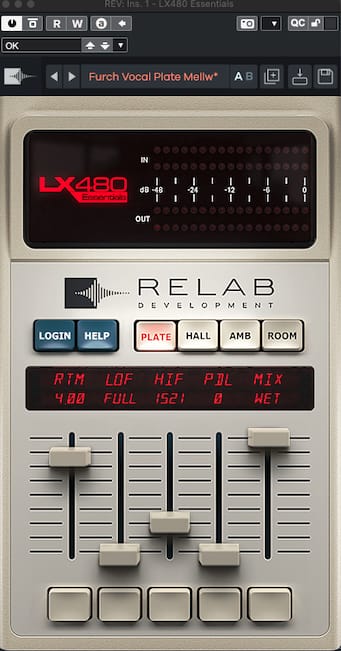
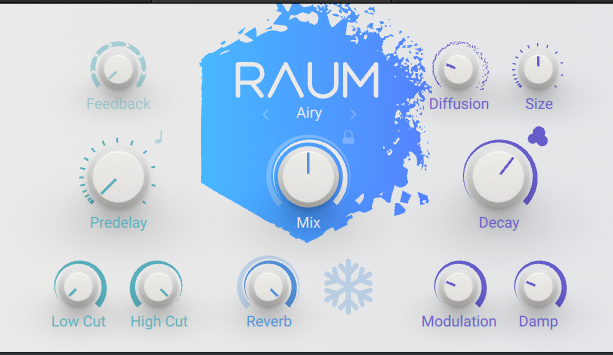
The LX480 Reverb is a high-quality emulation of a classic digital reverb unit, known for its lush, spacious, and smooth tails. RAUM by Native Instruments offers a more modern and creative approach to reverb, with versatile algorithms that can go from subtle ambience to deep atmospheric textures. Replika is a delay plugin that adds depth and rhythmic space, while EchoBoy by Soundtoys is widely respected for its warm, analog-style delay character. AIR Ether, on the other hand, is perfect for adding high-frequency air and sparkle, especially useful for enhancing textures and vocal details.
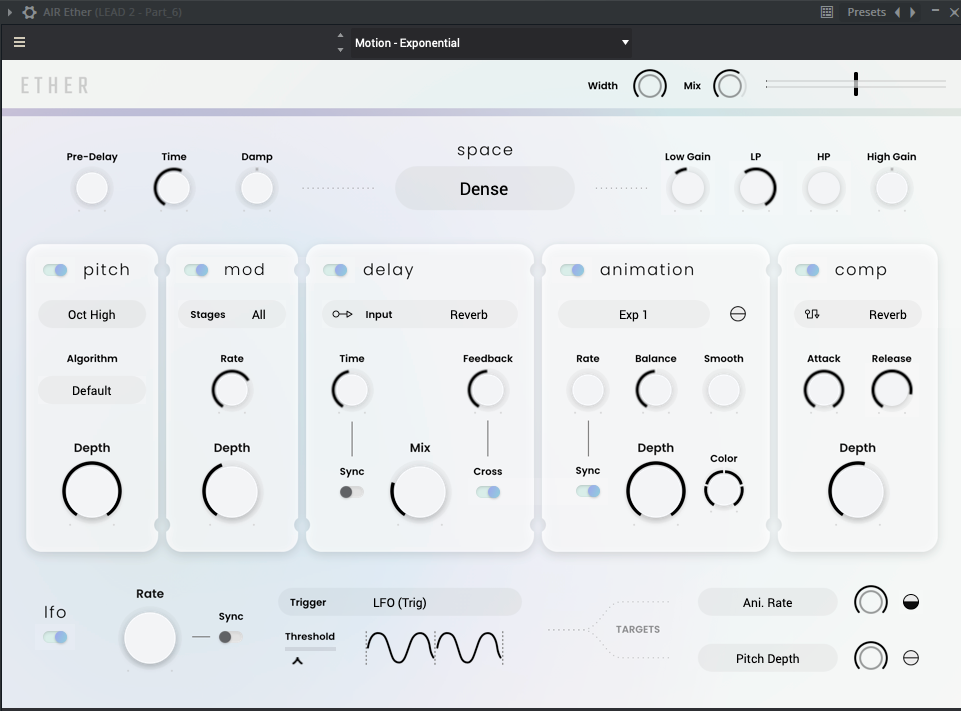
To create depth in “Tikini,” I used the LX480 mainly on instruments like guitars to give them space and a smooth ambient feel. For vocals, I combined LX480 with RAUM and Replika to achieve a deeper, more immersive tone, especially on background vocals and effects supporting the verses.
I used EchoBoy for a subtle delay, carefully timed to blend naturally without overpowering the vocals. Additionally, I applied AIR Ether lightly on vocal chops, particularly during the transition into the second verse, to add brightness and a unique texture. The combination of these plugins helped me build a rich and dimensional sound without losing clarity.
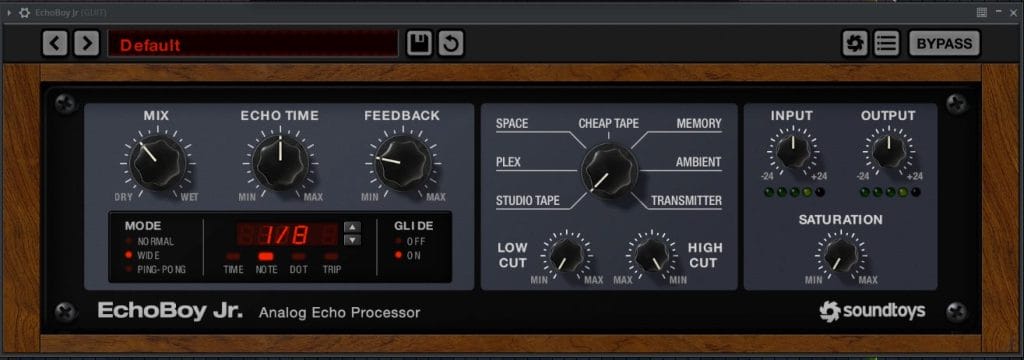
For producers working in similar genres, layering reverbs and delays is key to achieving depth and emotion in your mix. Try using one main reverb for space and another for character, especially when working with vocals. Subtle delays like EchoBoy can add movement without cluttering the mix if used carefully. One trick I’ve learned is to treat background vocals and effects differently from lead vocals, giving them more space and texture to create contrast and atmosphere.
HEAT UP 3 / SERUM
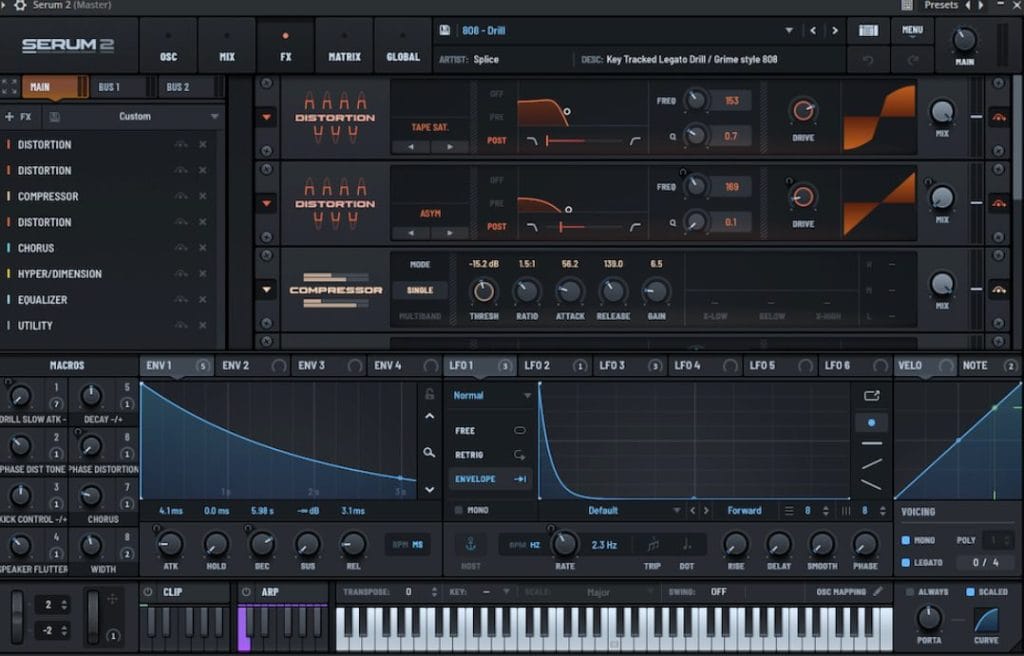
HEAT UP 3 and SERUM are powerful virtual instruments widely used in modern music production. HEAT UP 3 is known for its high-quality preset libraries, especially for urban and Afro-inspired sounds, offering ready-to-use instruments with a polished sound. SERUM, on the other hand, is a highly flexible wavetable synthesizer that allows deep sound design and precise control over every element of a sound. Together, they provide both speed and creativity, making them ideal for building strong musical foundations.
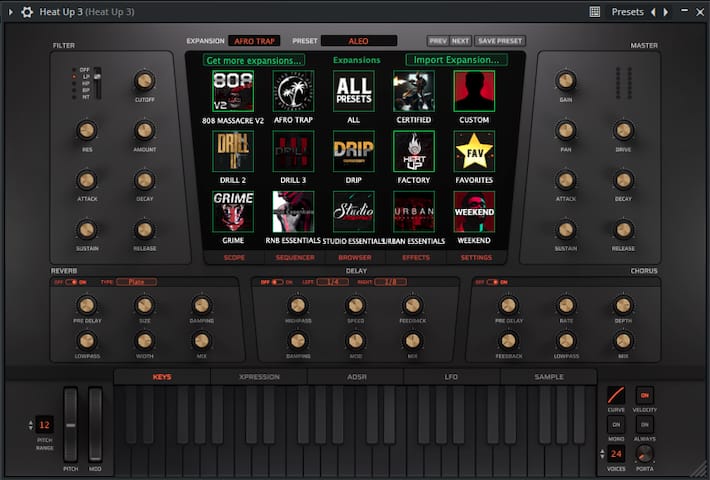
In “Tikini,” I used HEAT UP 3 and SERUM to create a simple but energetic rhythmic base. I started with an 808 sub that carries a long, smooth tail, giving weight to the groove. Then I layered an electric guitar-style bass to add character and groove on top of the low end. I also incorporated plucks and pads to fill the space, keeping them subtle so they wouldn’t overpower the rhythm. Additionally, I added a light touch of acoustic guitar to bring warmth and a more organic feel. Most of the sounds were slightly processed with EQ and gentle saturation to keep everything balanced and cohesive.
For producers working in Afrobeat or similar styles, HEAT UP 3 is great for quickly finding the right vibe, while SERUM is perfect if you want to design unique sounds. One important lesson I’ve learned is to keep the arrangement simple but effective—focus on groove and energy rather than over-layering. Using a long 808 combined with a melodic bass can create a strong and catchy foundation. Also, subtle elements like plucks, pads, or acoustic textures can make a big difference in adding emotion without overcrowding the mix.
This project was brought to life using a hybrid workflow between Cubase and FL Studio, combining the strengths of both platforms for vocals, rhythm, and final mix. Every tool and plugin played a role in shaping the sound and emotion behind “Tikini.” Big respect to the technology and inspiration that allow us to create without limits.
Quick Fire Hot Takes
Hot Take #1
The music industry is evolving faster than ever, and there are more tools available today than at any point in history. Instead of resisting change, artists who adapt will always stay ahead.
Hot Take #2
Modern production tools are cutting down studio time and making high-quality sound more accessible than ever. It’s not about having more plugins, it’s about knowing how to use them with intention.
Hot Take #3
AI is not replacing creativity—it’s expanding it into something bigger. If you know how to use it right, it becomes just another powerful tool in your creative library.
Hot Take #4
Trends come and go, but authenticity always stands out. The real advantage today is combining innovation with a unique identity, not just following what’s popular.

Will Vance is a professional music producer who has been involved in the industry for the better part of a decade and has been the managing editor at Magnetic Magazine since mid-2022. In that time period, he has published thousands of articles on music production, industry think pieces and educational articles about the music industry. Over the last decade as a professional music producer, Will Vance has also ran multiple successful and highly respected record labels in the industry, including Where The Heart Is Records as well as having launched a new label with a focus on community through Magnetic Magazine. When not running these labels or producing his own music, Vance is likely writing for other top industry sites like Waves or the Hyperbits Masterclass or working on his upcoming book on mindfulness in music production. On the rare chance he's not thinking about music production, he's probably running a game of Dungeons and Dragons with his friends which he has been the dungeon master for for many years.