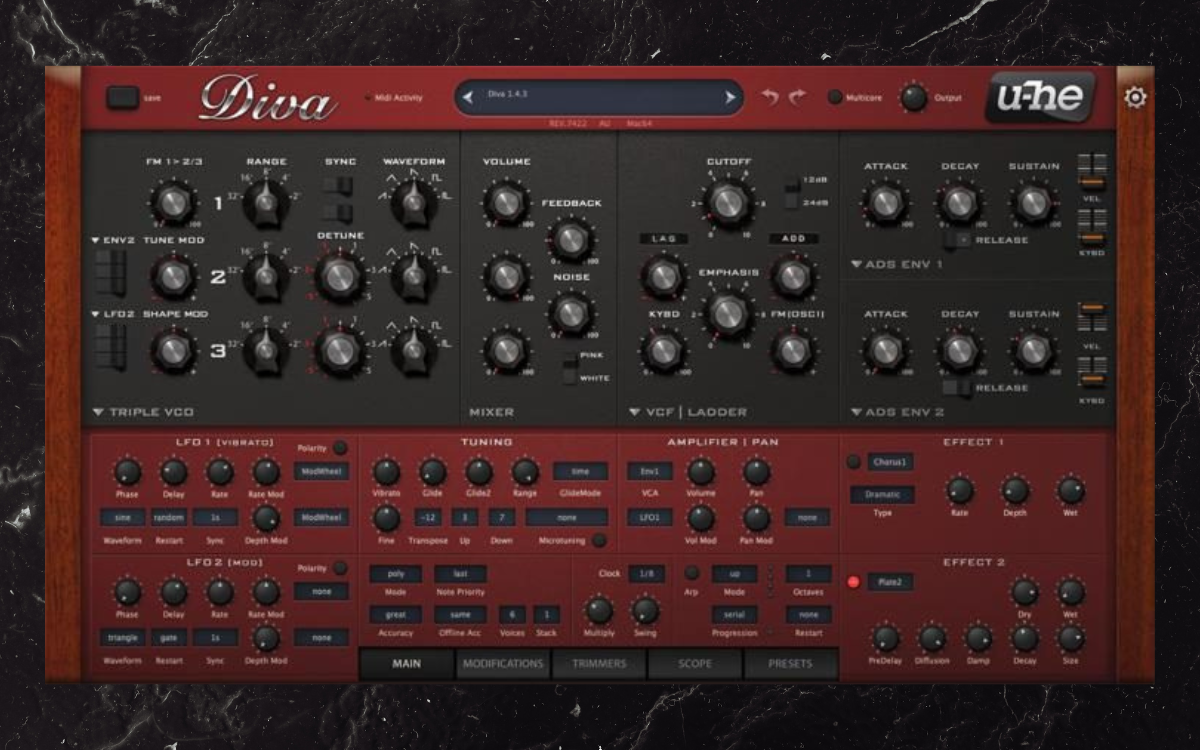
u-He Diva stands out among VSTs for its uncanny emulation of high-end hardware synthesizers and unique module mixing inspired by iconic synths. It’s the only soft synth allowing users to combine elements like a Moog oscillator, Juno filters, and distinct ADSR envelopes within one instrument.
However, the breadth of options can be daunting, and the synth’s under-the-hood workings may remain elusive to many. Though convenient, relying solely on presets may prevent producers from harnessing Diva’s transformative sound-shaping parameters.
To tap into Diva’s potential, we advocate a deeper understanding of the synthesis process starting at its source: the oscillators. Let’s demystify Diva by examining its five various oscillators, providing a solid foundation for your sound design ventures in music production.
Overview of u-he Synth Diva’s Oscillator Modules
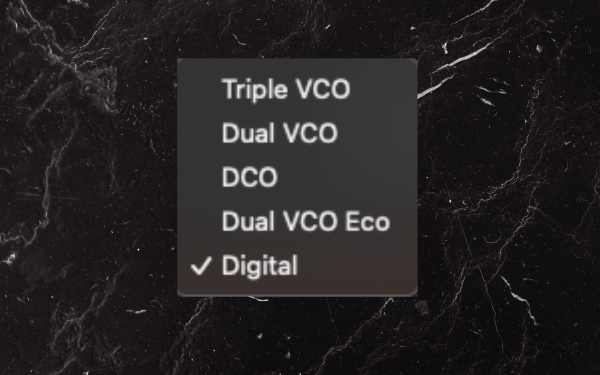
The Oscillator Modules of u-he’s Synth Diva serve as the cornerstone of its synthesis engine, laying the groundwork for the rich and nuanced sonic textures that this virtual analog synthesizer can produce. These modules are the source of Diva’s raw sound, and their varied configurations offer a vast spectrum of timbral possibilities that cater to all musical genres and sound design needs.
Each module within Diva has been carefully designed and modeled after the iconic oscillators of revered vintage hardware synthesizers, namely the Triple VCO, Dual VCO, and DCO. From the Triple VCO’s ability to generate warm and fat tones reminiscent of vintage Moogs to the precise tuning stability of the DCO inspired by Roland Juno’s lineage, each module carries its unique flavor and character.
Diva offers unparalleled flexibility by allowing it to select and combine these diverse modules within its system, making it a potent tool for those seeking to craft unique and sophisticated sounds.
Triple VCO
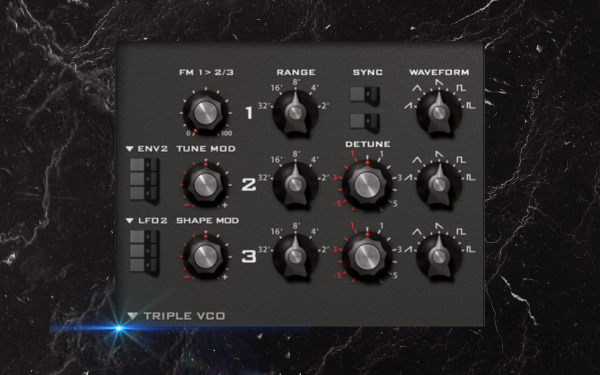
The Triple VCO, or Voltage Controlled Oscillator, in u-he’s Synth Diva, is a homage to the oscillators in classic analog synthesizers such as the Roland Jupiter series and the Moog Minimoog. These revered synthesizers are renowned for their warm and rich sounds, often described as the “classic” analog synth tone.
In Diva, the Triple VCO is characterized by three independent oscillators, each capable of generating the fundamental waveforms: saw, square, and triangle. This allows for extensive waveform mixing possibilities, giving the Triple VCO its signature fat and harmonically complex tones. It’s beneficial for crafting strong leads, thick bass lines, and rich, detuned pads.
Dual VCO
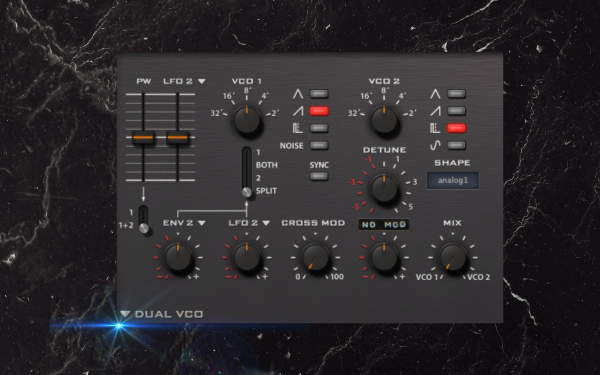
The Dual VCO module within u-he’s Synth Diva takes inspiration from the oscillators of the Roland Jupiter 6 and Roland Juno series synthesizers. These units are renowned for their reliable tuning and unique pulse width modulation capabilities, which have been emulated in the Dual VCO.
Diva’s Dual VCO module consists of two oscillators, each capable of generating a variety of waveforms, including sawtooth, square, and a unique, modifiable pulse wave. These oscillators can function independently or in a master/slave configuration, enabling synchronization and detuning for thick, chorused sounds. Whether you’re after crystalline bells or fat, buzzing leads, the Dual VCO is a versatile tool in sound design.
DCO
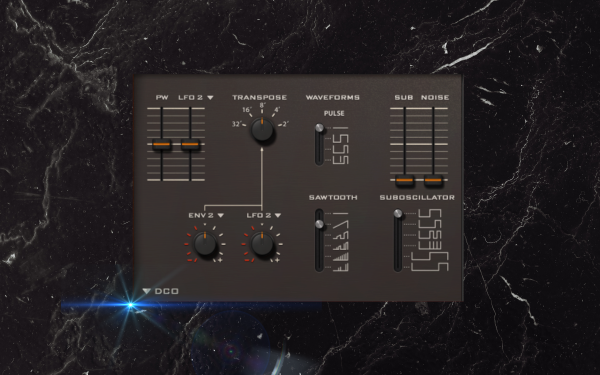
The DCO (Digitally Controlled Oscillator) in u-he’s Synth Diva is modeled after the oscillators found in synthesizers like the Roland Juno-106 and Roland Alpha Juno. Unlike their voltage-controlled counterparts, these oscillators use digital circuitry to control the pitch, resulting in superior tuning stability without sacrificing the rich, analog sound.
Diva’s DCO includes two waveforms per oscillator: a pulse wave with adjustable width and a sawtooth wave. Furthermore, it features a unique sub-oscillator and a noise generator, adding even more layering possibilities. Its precise tuning control makes it the go-to module for punchy, tight basses, leads, and lush pads that require a stable tuning foundation. Its analog character with digital precision gives it a unique place in the Diva oscillator lineup.
Dual VCO Eco
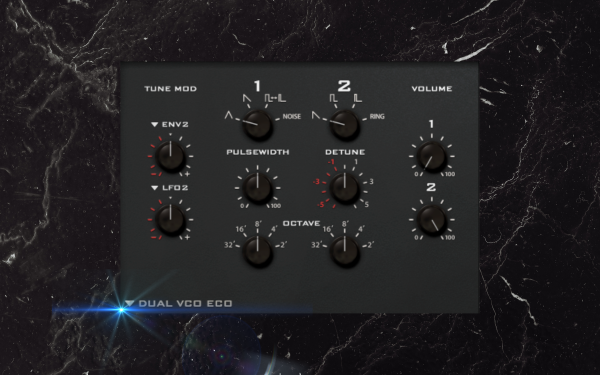
The Dual VCO Eco, featured in u-he’s Synth Diva, is a more CPU-friendly version of the standard Dual VCO. It retains most sonic characteristics, making the Dual VCO a versatile tool for crafting sounds while requiring less computational power. Modeled after vintage synthesizers like the Roland Jupiter 6 and Juno series, the Dual VCO Eco continues the tradition of providing a rich palette of sounds, from buzzy leads to resonant pads.
In Diva’s Dual VCO Eco module, you’ll find two oscillators capable of generating saw, pulse, and triangle waveforms. Each oscillator can function independently, or they can interact with each other in various ways, including sync and cross-modulation. Despite its more economical CPU usage, the Dual VCO Eco doesn’t compromise on the key features needed for creative sound design.
Digital Oscillator
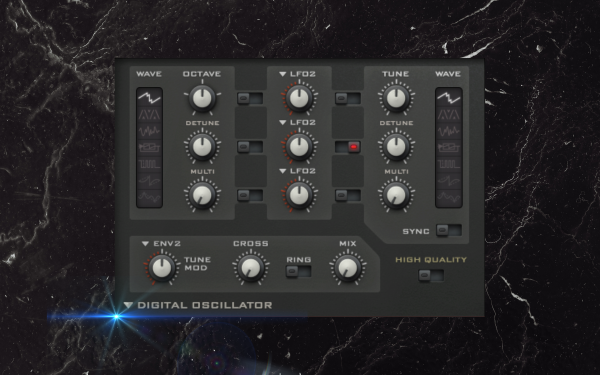
Diva’s Digital Oscillator represents a departure from the analog modeling of its other oscillator modules. Instead, it provides a variety of digital waveforms that offer unique timbral possibilities not available in the VCO modules. These waveforms range from the conventional—like sine, saw, triangle, and square—to more complex and harmonically rich waveforms.
The Digital Oscillator provides an excellent tool for crafting sounds with a more modern character or after a more unusual or unconventional timbre. Another standout feature of this oscillator is the ‘Shape’ control, which drastically alters the harmonic content of the chosen waveform, offering yet another dimension of sonic manipulation. Diva’s Digital Oscillator has you covered whether you’re crafting punchy digital basses, shimmering pads, or metallic percussive sounds.
Getting A Pro-Quality Sound From Diva’s Oscillators
#1 – Adjusting the Pulse Width Starting Point
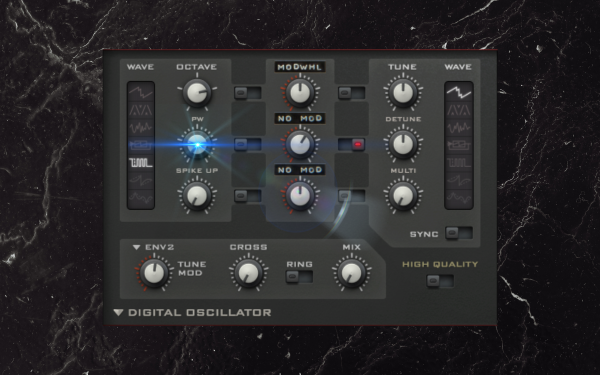
Diva’s oscillators ‘ pulse width and phase adjustments offer unique sound sculpting tools. Tweaking pulse width on square waves in the Triple VCO, Dual VCO, and Dual VCO Eco modules can generate evolving, thick sounds.
Meanwhile, the phase reset switch in the Triple VCO and Dual VCO modules influences the sound’s attack phase, which is valuable for shaping percussive or other attack-focused tones.
#2 – Use the Oscillator’s FM Capabilities
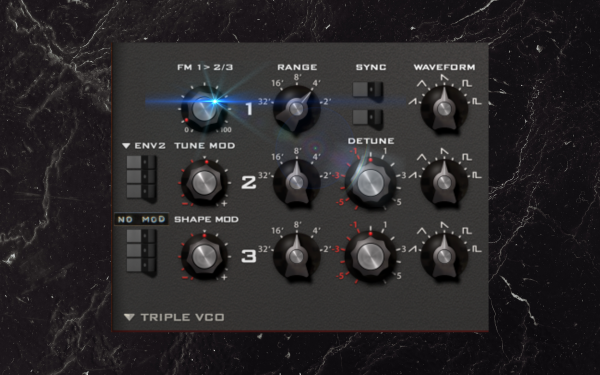
Frequency modulation can lead to a huge variety of tones, from subtle changes in timbre to aggressive, complex sounds. Experiment with the “FM” knob in the Oscillator section.
Just be careful, as too much use of this parameter can quickly turn a melodic sound into something unusable. That’s not necessarily bad if you’re looking to create cosmos-ripping FX and transitional noises, but can make a delicate pluck or stab feel off-kilter fairly quickly when used too heavy-handedly.
#3 – Leverage the Power of Noise
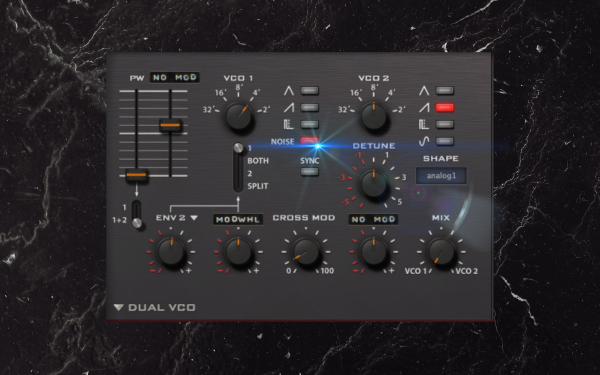
Noise can add character to your sound. It can create wind sounds, add an analog feel, or even create percussive sounds. It can potentially be the secret sauce of sound design, and luckily enough, Diva offers a handful of different points to introduce noise to a signal.
The Dual VCO oscillator helps generate noise, as do a couple of the other modules on the synth. Remember, VSTs give you the option to automate tons of parameters throughout the single project, so you can have the noise turned off in the intro and then turn it on during the breakdown for a grittier and more texturally-dense sound to fill up the sparser sections of the arrangement.
#4 – Utilize the Sub-Oscillator in DCO
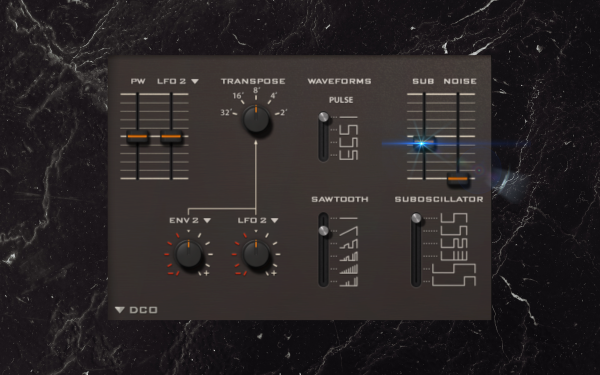
Don’t forget to use the Sub-Oscillator in the DCO module to add depth and body to your sound. It can be a fantastic way to help warm up a sound and round out its bottom end. Because often, a lead synth or supporting element sounds a bit too thin no matter what you do to it, and adding a touch of the sub can help fill out the end of the spectrum that the conventional oscillators can’t do.
Feel free to add more than you need here, as you can always round off any excess sub and bass with a channel EQ!
#5 – Layer Different Oscillators
Don’t limit yourself to one oscillator type for a sound. Try layering different oscillator types to create complex and unique timbres.
Oftentimes the best sounds come from the interaction of multiple different oscillator types, blending and modulating together to achieve a sound that is far greater than the sum of its parts.
Different oscillator shapes really can get wild when you start having them retrigger and sync, as their different shapes and speeds are forced to restart and react to each other on every note instead of being able to play out naturally. It’s crazy how much clicking a single button or parameter can alter a sound!
#6 – Exploit the Digital Oscillator’s Flexibility
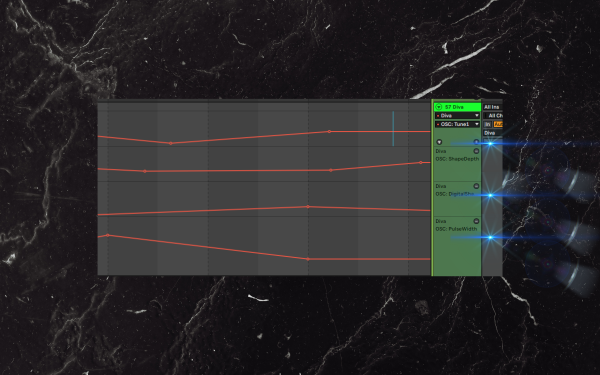
The Digital Oscillator in Diva is a versatile tool capable of producing various waveforms, many of which are unavailable in analog-modeled oscillators. Be sure to explore these for more modern or unconventional timbres!
I’ve said it before in this article. Still, the benefit of having a VST is that you can simultaneously modulate and automate dozens of parameters. Having that many changeable parameters on a single oscillator can lead to insanely creative results!
#7 – Combine Digital and Analog Oscillators
One of the unique features of Diva is the ability to combine digital and analog-modeled oscillators in a single patch. This allows you to craft sounds with the warmth of analog oscillators and the unique timbral possibilities of the digital oscillator.
I’ve always found that digital oscillators create a far brighter and often more brittle sound than their analog counterparts. And even though many producers reach for Diva for its impeccable ability to recreate the warmth and irregularity of analog hardware in a digital environment, sometimes you want that imperfect warmth that analog brings. Blending the two oscillators in a single sound can once again help you achieve a sound greater than the sum of its parts.
#8 – Oscillator Sync
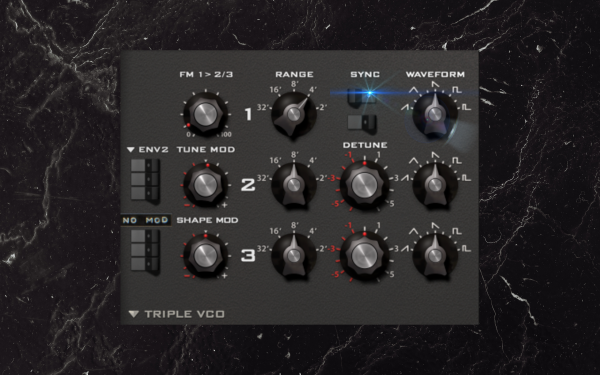
Oscillator sync in synthesis involves aligning one oscillator (the “slave”) to another (the “master”). As the master oscillator completes its waveform cycle, it forces the slave oscillator to reset its cycle, regardless of its progress. This process creates a complex waveform, as it compresses or stretches the slave oscillator’s waveform into the period of the master oscillator’s waveform. The result is a rich, unique tone full of additional harmonics.
Despite the varying harmonic content, the sound’s pitch aligns with the master oscillator, allowing dramatic timbral shifts without altering perceived pitch—a valuable tool for expressive sound design.
#9 – Digital Oscillator Morphing
The Digital Oscillator in Diva boasts a unique shape control, enabling real-time waveform morphing for dynamic sonic results. Adjusting or modulating this parameter evolves the timbre of the sound, creating complex spectral textures. Experimentation with this control can lead to striking, evolving soundscapes, an invaluable asset for various musical contexts.
#10 – Use Ring Modulation For Thicker Sounds
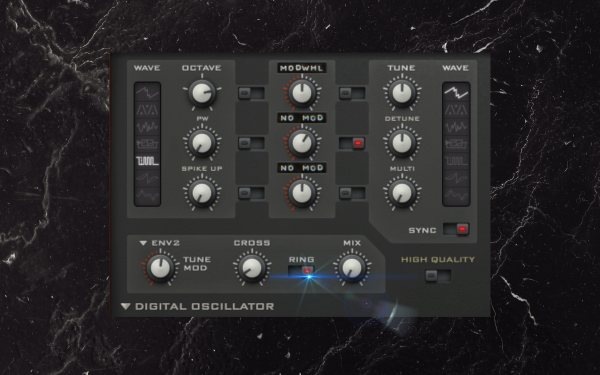
Ring Modulation is a powerful synthesis method that multiplies two signals, resulting in a new, complex waveform with added frequencies – the sum and difference of the original signals’ frequencies. In music production, it can create distinctive metallic or bell-like timbres, contributing unique elements to a track. Subtle application of ring modulation can also introduce dynamic movement and richness to otherwise simple sounds, enhancing their presence in a mix.
In u-he’s Diva, the Triple VCO module incorporates a dedicated ring modulation section, providing an opportunity for sophisticated sound design. Caution is advised, though, as ring modulation can rapidly generate harsh sounds, but with careful use, it can significantly diversify your sonic palette.

Will Vance is a professional music producer who has been involved in the industry for the better part of a decade and has been the managing editor at Magnetic Magazine since mid-2022. In that time period, he has published thousands of articles on music production, industry think pieces and educational articles about the music industry. Over the last decade as a professional music producer, Will Vance has also ran multiple successful and highly respected record labels in the industry, including Where The Heart Is Records as well as having launched a new label with a focus on community through Magnetic Magazine. When not running these labels or producing his own music, Vance is likely writing for other top industry sites like Waves or the Hyperbits Masterclass or working on his upcoming book on mindfulness in music production. On the rare chance he's not thinking about music production, he's probably running a game of Dungeons and Dragons with his friends which he has been the dungeon master for for many years.