
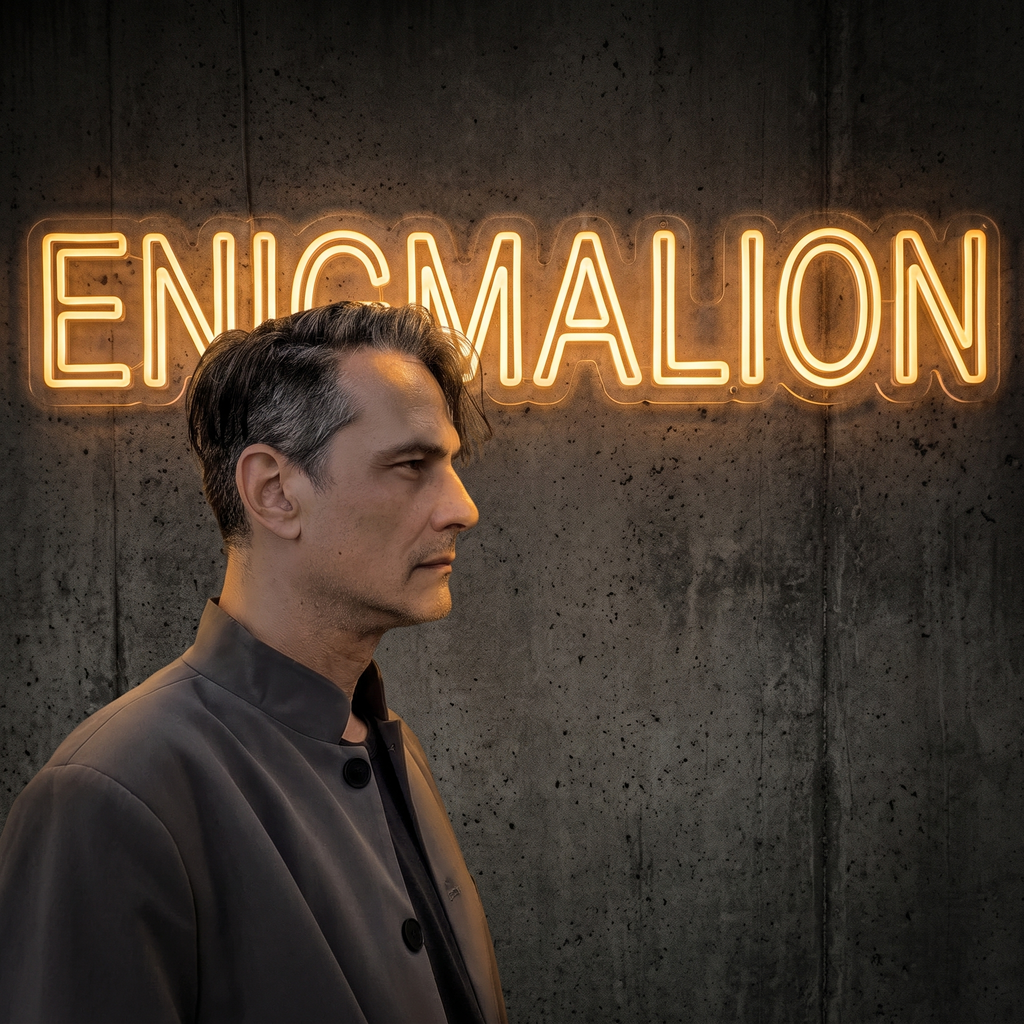
Some records sound like they were built in a studio with the blinds closed. Enigmalion does not.
That’s what I like about Enigmalion, and he’s got some music that’s dropping in just a few days (the 21st, to be exact), and I wanted to share some early thoughts on the collection of tracks.
It does not treat New York like branding, just as much as it does not go for the obvious city postcard stuff. Instead, Paul-Alexandre Meurens lets the city show up in smaller, better ways: Bed-Stuy, Bushwick, Roosevelt Island, the High Line, the East River, Delancey Essex, post-club cab rides, weird moonlight, half-finished melodies, and little fragments that probably felt disposable until they kept coming back.
The music is all about “Ambient Breakbeats from New York City,” which is a fair starting point, but it undersells how odd and personal the record is.
Meurens says a lot of these pieces began as tracks for live performance, theaters, art spaces, public spaces, or quick sketches made on the move. That origin does a lot of work. The album is polished, but it doesn’t feel overplanned; it still has that slightly crooked quality you get when music starts from a real place instead of a preset folder.
The Track Notes Are Weird in the Right Way
“Before Sunrise” is 4, 5, 6 in the morning, leaving the club, in a cab, on the bridge, with the music still ringing in your system while the sky starts changing color. That is one of the most specific emotional pockets a city can give you. You are exhausted, but still charged. The night is technically over, but the music has not left yet.
“Corner Street” is Bed-Stuy and Bushwick, cars passing, people moving, music hanging in the air. “Frosty Moon” is the November full moon over the High Line, with jazz still whistling somewhere around the night. “A Glimpse” is the East River, with the water moving in two directions and reflections breaking apart.
Then the record starts showing its sense of humor. “The Perfect Fit” is described as love and sex, followed by “watch your bass.” “Suspension Blues” lets the word suspension mean a car, a school punishment, or a chord. “Ambience de Ouf” is a house party going off, then immediately gets into a joke about uppercase letters in Verlan.
That kind of detail is exactly why the record works.
It is serious about the music, but not so serious that it becomes stiff. Meurens seems willing to let beauty, absurdity, horn lines, club residue, blues, and inside jokes sit next to each other.
That is closer to how cities actually feel anyway. One minute it is poetic. The next minute it is ridiculous.
It Has a Theater Brain
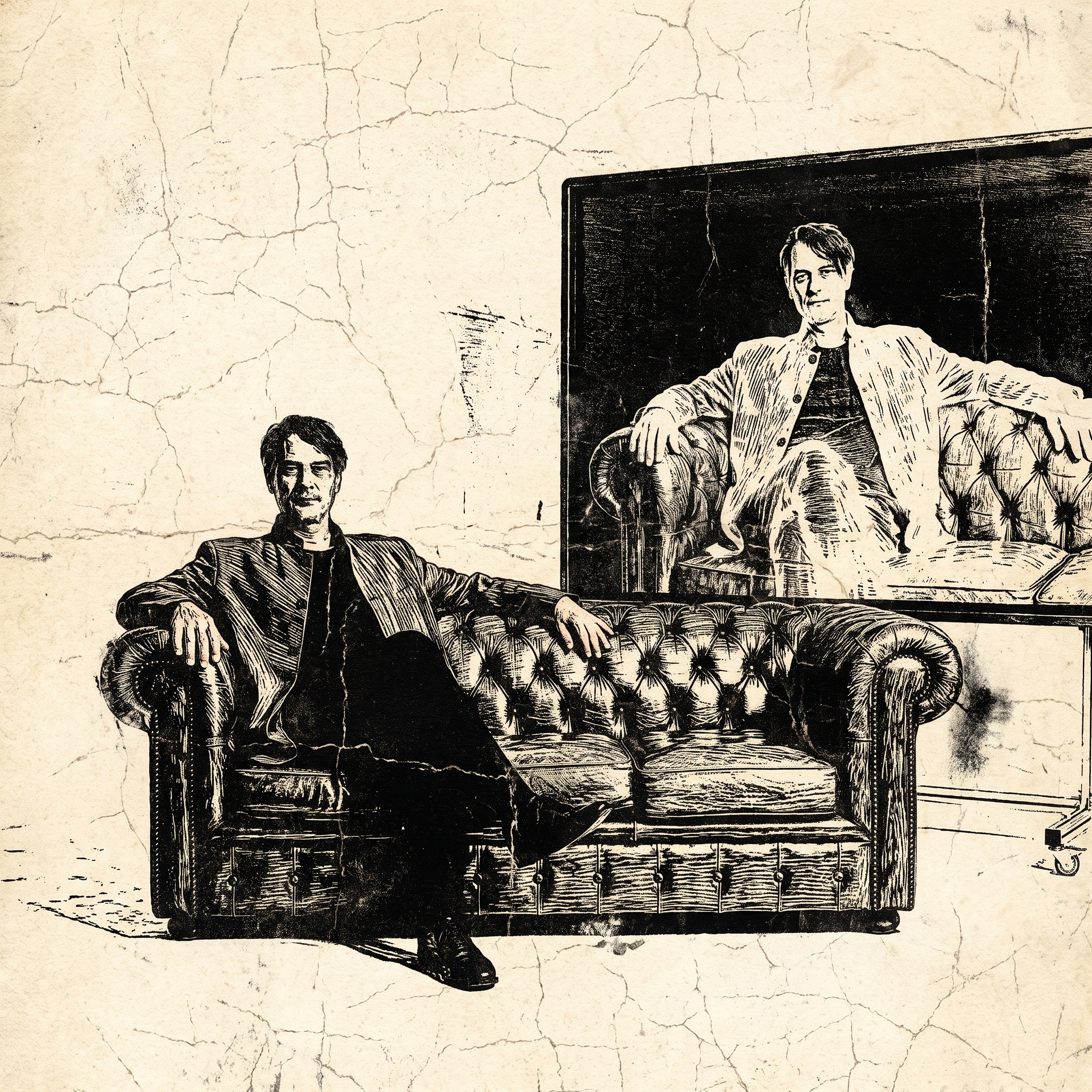
The cover art helps explain the record.
Enigmalion has a theatrical mind, but it is not precious about it. The record wants drama, but not melodrama. It wants surreal detail, but not the kind of weirdness that keeps listeners at a distance. The pink bubblegum on the cover is almost a mission statement: yes, there is an inner stage, but do not bow too hard on your way in.
Meurens also handles his own visuals, using photography, 3D, Nano Banana AI, Krita, and GIMP. That makes the project feel more complete. Enigmalion is not just a name slapped onto a group of tracks. It is a visual identity, a solo or band format, and a way for Meurens to gather different sides of his work under one sign.
The name itself pulls from Pygmalion, Evangelion, and enigma: the mystery comes to life. That could sound overcooked if the music didn’t have enough looseness. But because the album has humor, movement, and street-level detail, the concept never gets too heavy.
A lot of experimental music gets boring when it insists on being respected every second. Enigmalion is more fun because it leaves some room to breathe.
This Is a Reintroduction
That feels important. This is not just Meurens releasing another batch of material. It sounds like someone with a long creative history is creating a new container for all the pieces that didn’t fit cleanly elsewhere.
He has worked with artists including Jane Ira Bloom, Page Hamilton, M’Lumbo, Ludwig Persik, Tower+Star, Ted Milton’s Back to Normal, Tim Dahl, and Sean Noonan. He has played art spaces, public parks, Webster Hall, Knitting Factory, Joe’s Pub, the Brooklyn Museum, and plenty of other rooms where music has to communicate without leaning on one format.
Enigmalion seems built from that kind of life. It can be solo. It can be a band. It can work in New York with local players and in Europe with different musicians. It can live as an album, a performance idea, or something that gets licensed into a visual piece.
That flexibility is part of the appeal. The music already feels like it wants staging. It has images inside it. It feels ready for galleries, theaters, fashion rooms, late-night films, installation work, and the kind of live show where the lighting should not be too clean.
Enigmalion Works Because It Feels Inhabited
The best thing about Enigmalion is that it feels inhabited.
That sounds simple, but it is not. Plenty of records have good sounds. Plenty have a tasteful mix of jazz, electronics, ambient detail, and visual branding. Fewer feel like they could only have been made by the person who made them.
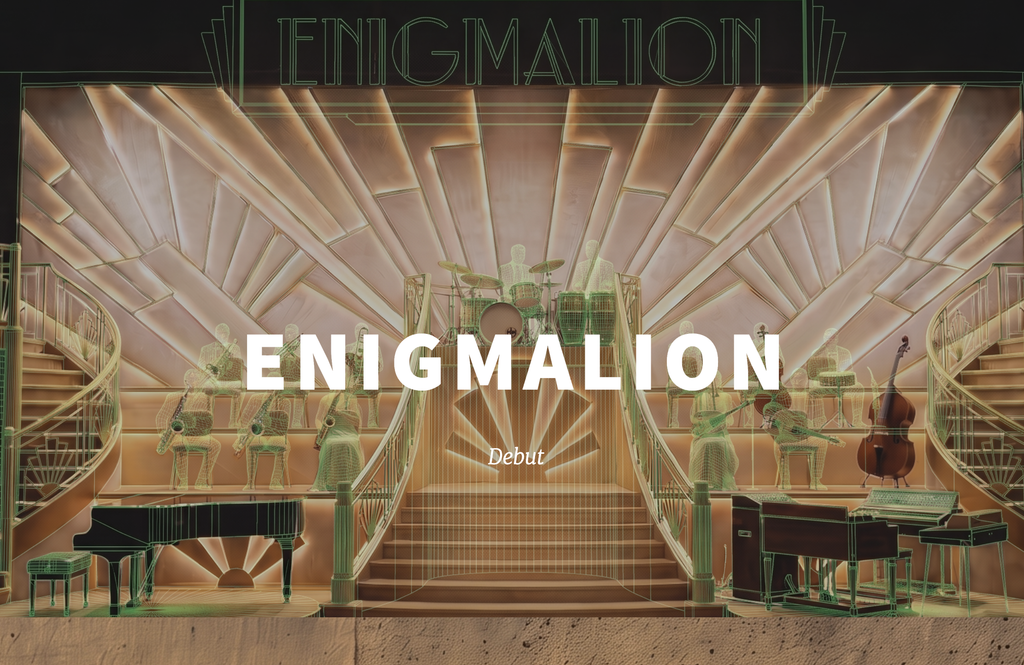
Enigmalion has that quality. You can hear the player, the walker, the visual artist, the New York jazz lifer, the Belgian outsider-insider, the person leaving the club before sunrise, the person noticing a subway mosaic, the person still amused by wordplay and bubblegum in the middle of an art-deco theater fantasy.
That specificity gives the record its charm. It does not sound optimized for a market. It sounds like it was collected from years of odd little instincts that finally had somewhere to go.

Magnetic byline note: This byline is used for staff produced updates and short announcements, often based on press materials and official release information. Editorial responsibility: David Ireland (Editor in Chief) and Will Vance (Managing Editor). About: https://magneticmag.com/about/ Masthead: https://magneticmag.com/masthead/ Contact: https://magneticmag.com/contact/