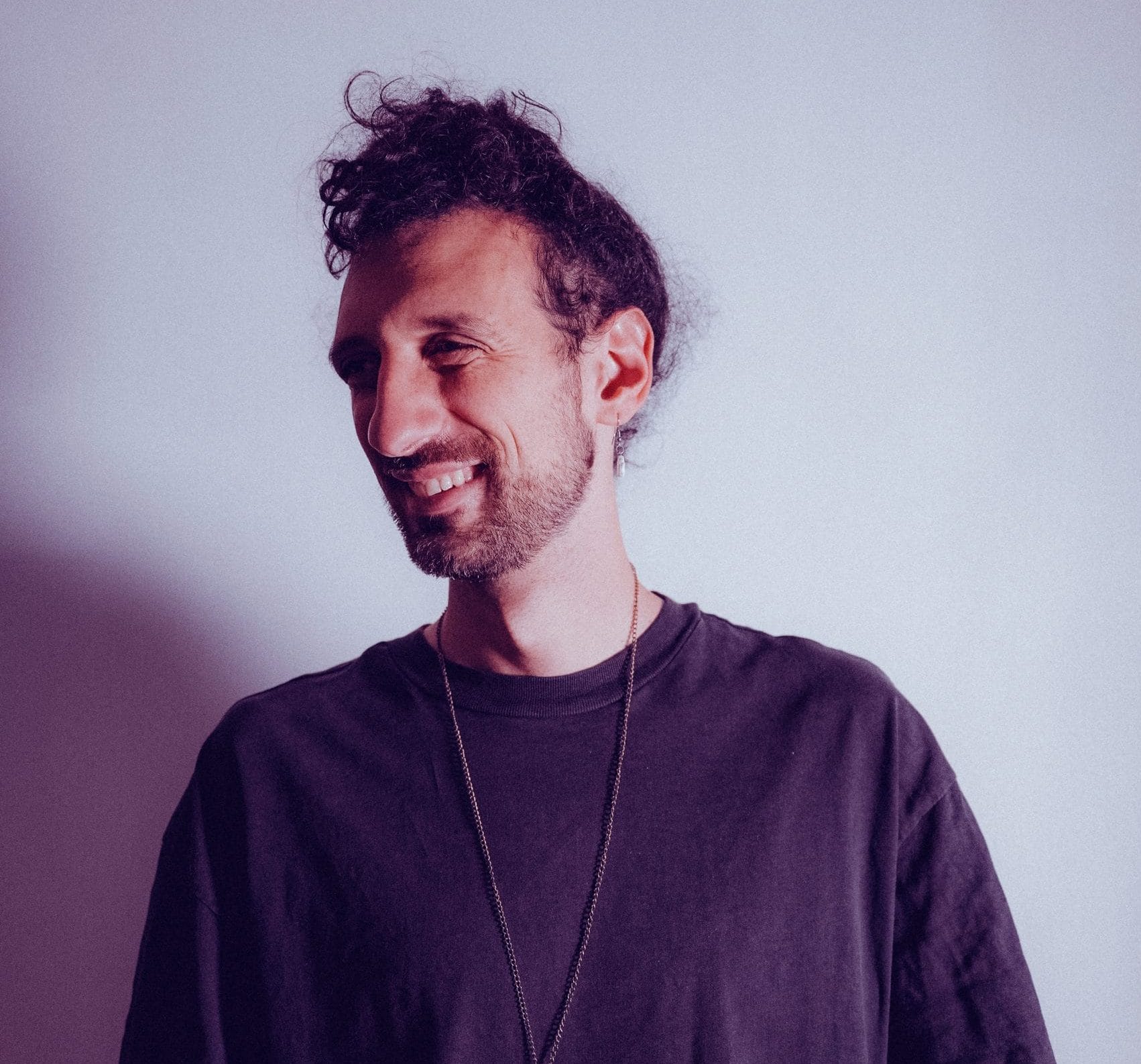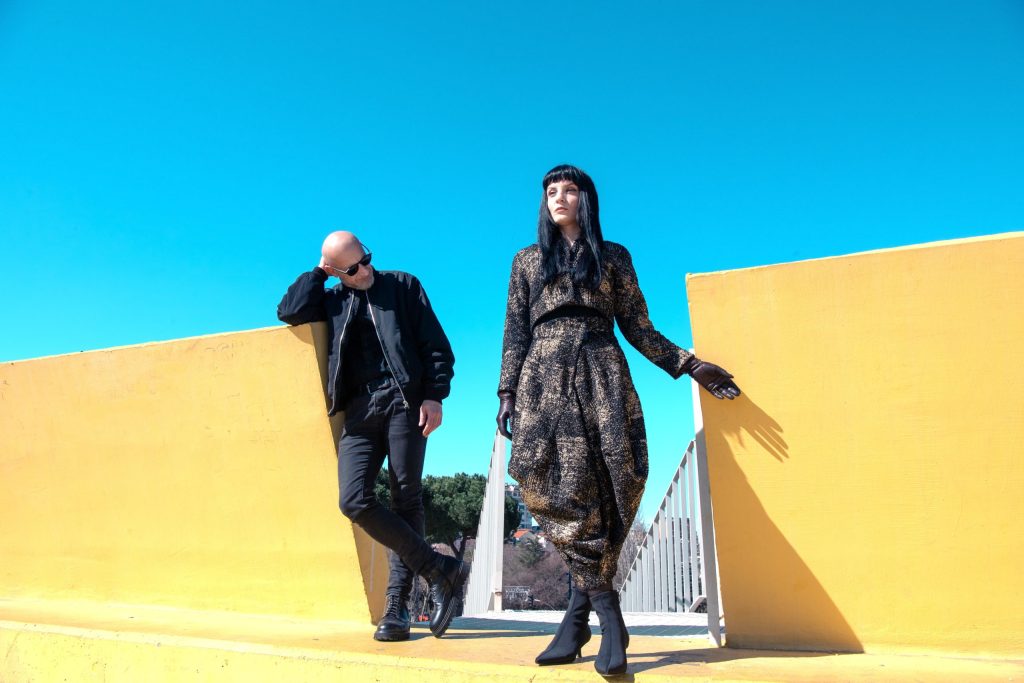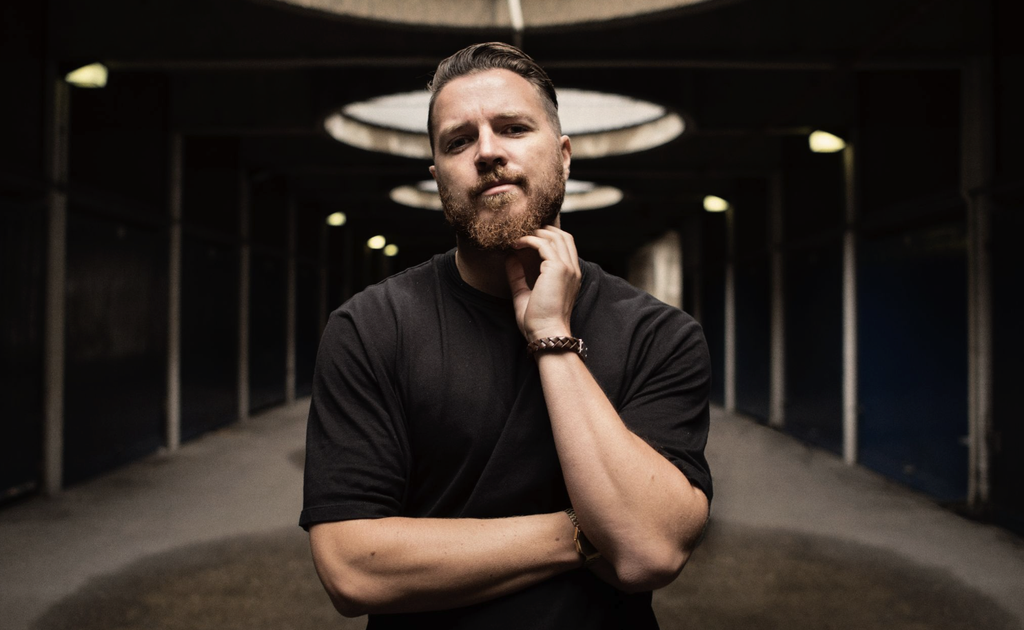
Lisa McGlynn’s “Alien” is built from fragments that do not fully explain themselves. The Scottish singer, songwriter, and electronic producer draws on alternative electronic music, post-punk, industrial club pressure, dance production, and atmospheric vocal writing, but the track’s deeper pull comes from how much it leaves just out of reach.
A whispered Spanish line, a Morse-code-inspired ending, and a darker remix on the way all point toward a project interested in communication, distortion, and the feeling of trying to translate something that may not want to be translated.
That ambiguity comes from a real shift in McGlynn’s creative life. After performing with the alternative band Aperture, including appearances at Glasgow’s King Tut’s, she returned to music as a solo artist and began writing and producing her own material in Ableton. That move changed her relationship to songwriting. She was no longer only thinking as a vocalist at the front of a band. She could build beats, work with samples, shape synths, record field audio, and design the world around the voice herself.
“Alien,” released back on August 31, is a clear marker of that hybrid identity.
Spain and the Spanish language have long influenced McGlynn, and her time studying the language and making field recordings in Spanish streets and everyday environments has begun to enter the music directly. Our discussion follows that path from band vocalist to solo producer, exploring mentorship, rawness, collaboration, darker reinterpretation, and why the track should leave listeners with a question rather than a fixed answer.
Interview With Lisa McGlynn

After performing with Aperture, what eventually brought you back to music as a solo artist?
After performing with Aperture, I realised that music and singing were really what I wanted to do. I knew I wanted to keep creating, so I learned Ableton and started teaching myself electronic production. That gave me the confidence and independence to take the step into becoming a solo artist. It felt like a natural progression — I could take everything I’d learned from being in a band but start building a sound and identity that were completely my own.
Which part of your experience as a band vocalist did you want to retain when you began releasing music under your own name?
Definitely the energy of working with other people. Even though I’m now a solo artist, I do a lot of collaborations because I really enjoy that creative exchange and what another person can unexpectedly bring to a track.
I’ve also kept the rawness of my rock background. I love electronic and dance music, but I don’t want what I make to become too polished or lose that human edge. I loved performing with a band too, so I’m developing more of a hybrid live set-up using electronic equipment alongside live vocals. For me, that feels like the way forward — somewhere between the energy of a band and the freedom of electronic music.
Callum Asa has become an important mentor for your songwriting. What does he notice in your music that you can struggle to identify yourself?
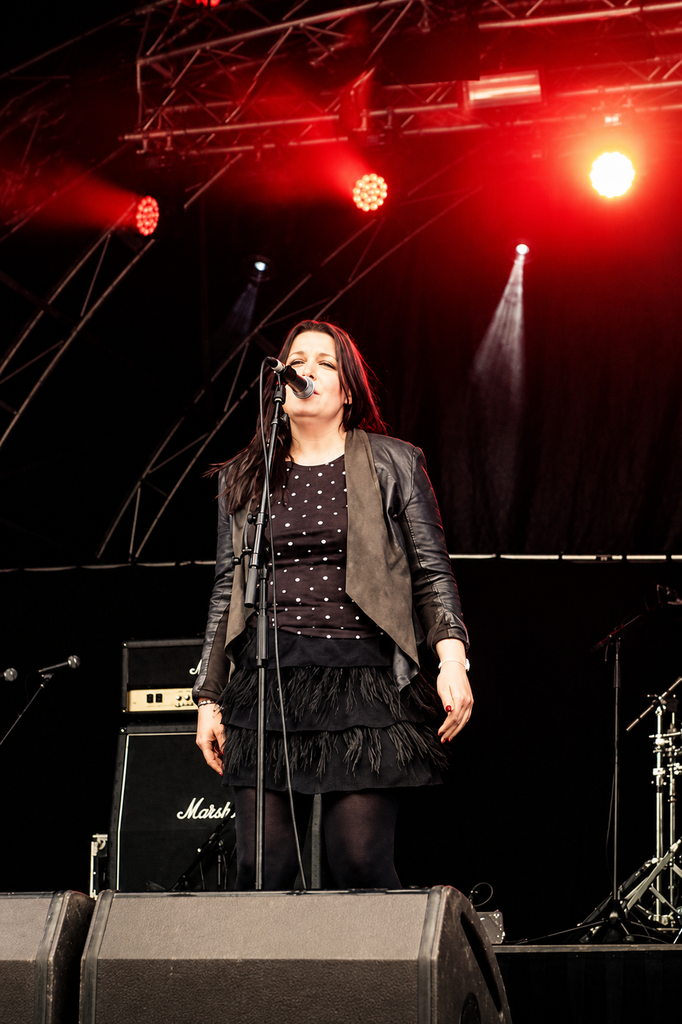
Callum has been a really important musical mentor, particularly in teaching me to think about mood, texture and the atmosphere surrounding a song. He’s also helped me understand structure in electronic music.
I come from a rock-band background, so instinctively I can approach electronic music almost like a rock songwriter. Electronic music can be more structured in a different way — you’re thinking about eight-bar sections, builds, drops and the subtle changes that need to happen at particular points to keep the listener engaged. In some ways it’s quite economical: even a very small change can completely alter the energy of a section. Callum is very good at identifying where those changes need to happen while still allowing the track to retain its mood and personality.

A darker remix is scheduled to follow the original. What does that version reveal that you intentionally held back from the first release?
Yes, there’s a darker remix coming. It pushes Alien further into that world, with more distorted vocals, analogue noise and a rougher, more unsettling electronic atmosphere. It’s inspired partly by an electronic musician friend of mine who’s now based in Berlin, but who I originally met in Scotland.
I love the fact that the same song can have another life when somebody else interprets it and brings their own influences and sonic world into it.
How much do you want listeners to decode, and how much uncertainty should remain after the track ends?
I’d like Alien to remain open to interpretation. There are things there for people to decode if they want to — the Spanish whisper, the Morse code and some of the imagery — but I don’t want to give everything a fixed meaning.
In a strange way, the track itself is the alien. It arrives, has this slightly confrontational swagger, makes its presence felt and then disappears. But the subject matter could also be the alien, or the listener might hear something completely different in it. I like that ambiguity. I’d rather someone leave the track with a question than have me explain exactly what they’re supposed to take from it.

Magnetic byline note: This byline is used for staff produced updates and short announcements, often based on press materials and official release information. Editorial responsibility: David Ireland (Editor in Chief) and Will Vance (Managing Editor). About: https://magneticmag.com/about/ Masthead: https://magneticmag.com/masthead/ Contact: https://magneticmag.com/contact/