
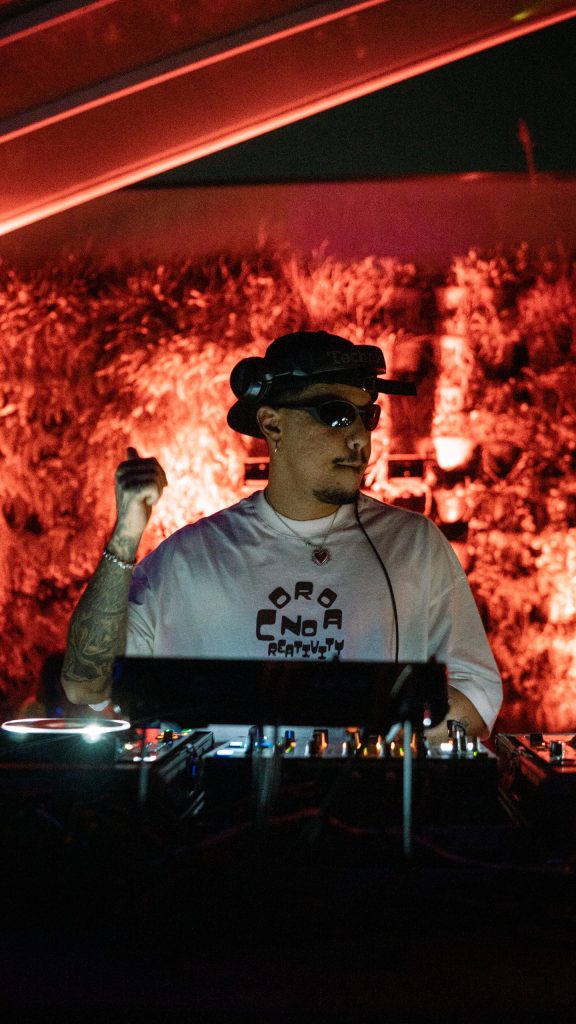
Balanka (@balankamusic) steps onto Hot Creations with a new two-track EP, marking his first release on Jamie Jones’ long-running label and another clear step in a busy run for the Brazilian DJ and producer.
The release follows his recent appearance on OMRI.’s Collecting Dots Records and keeps the focus on the direct, groove-led club records that have been shaping his catalog over the last year. Across the project, Balanka works with sharp synths, risqué vocal touches, analog textures, and tight movement, keeping each part aimed at DJs who need records that can sit cleanly inside a set.
For Balanka, the release is also tied to a longer personal connection with Hot Creations. He describes the project as part of his search for the perfect groove, with the title track centered around bassline pressure and raw analog synths, while the B-side moves further into texture and hypnosis.
Tracks like “Real Smooth” have helped build wider attention around his name, while support from Marco Carola and Michael Bibi has put his records in front of international crowds. His Hot Creations debut continues that momentum without pushing away from the controlled, functional style that has made his recent output so effective.
In the interview below, Balanka talks about the history behind the genres he plays and how learning the social context of electronic music has helped him connect more clearly with his own work. His answers point to a practical idea in modern DJ culture: respecting the past does not mean copying it.
For Balanka, the better tribute is to understand where the music came from, then make and play records that carry his own identity with honesty.
Interview With Balanka

When did you first start digging into the history of the genres you play?
I actually started producing music before I really understood genres or where different sounds came from.
Curiosity led me to explore the history behind them: the social context, the people who created them, and what they were trying to express.
The more I learned, the closer I felt to my own art, because understanding where the music came from helped me better understand what I wanted to contribute to it.
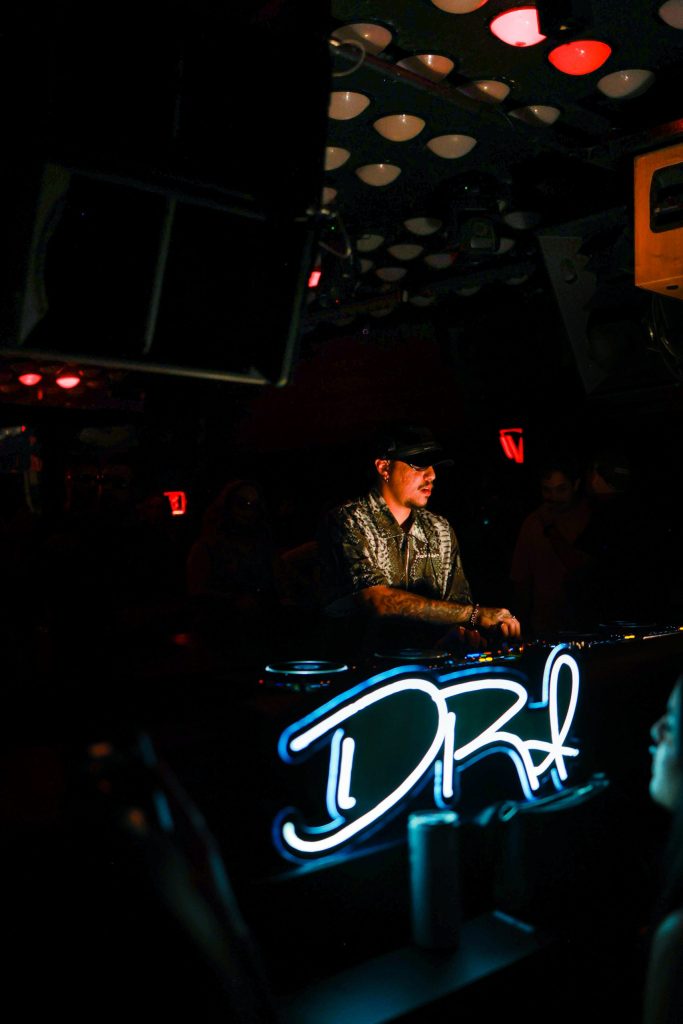
How do you balance honoring the tradition and history of the music on your USBs while still pushing your own sound forward?
For me, respecting the history of the music on my USBs does not mean recreating the past. It means understanding where those records came from and why they mattered.
Every era is shaped by different cultural, social, and political moments, and I see art as an expression of the subconscious constantly absorbing the world around us.
So I think the best way to honor the artists who came before us is to play and create music that pushes new ideas, new sonics, and new directions, because that is what has always kept electronic music evolving.
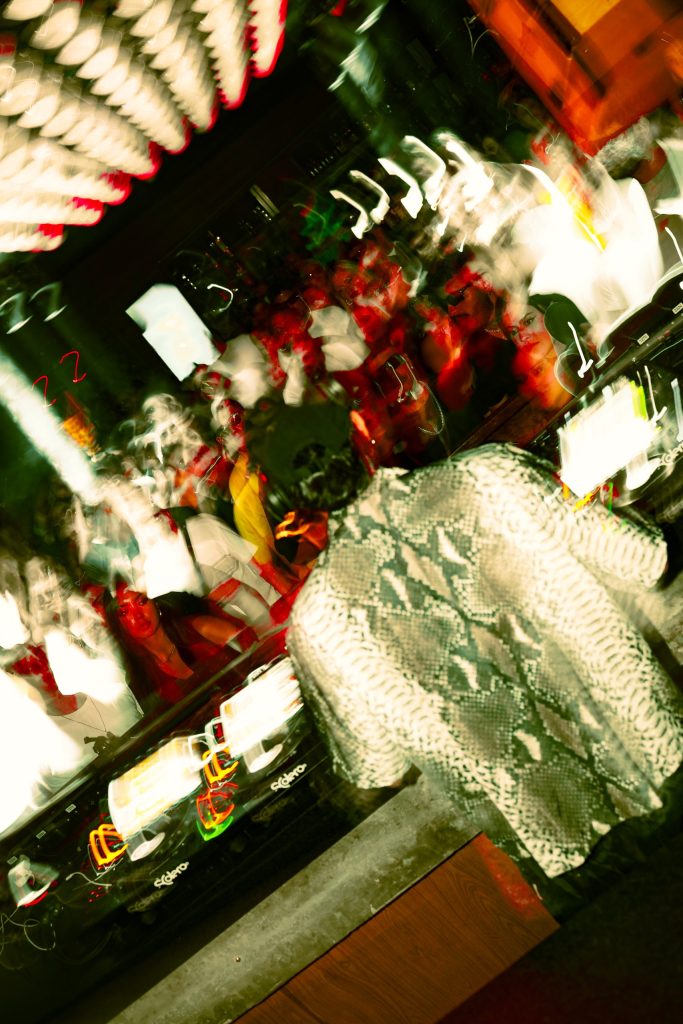
Are there moments where you have been involved with something that felt bigger than music and felt like you were pushing the culture of club music forward in a positive direction?
Getting support from artists I have looked up to, especially hearing my music played on big stages around the world, definitely felt bigger than a personal achievement.
It reminded me that underground music can keep evolving when new voices contribute something genuine. If my tracks inspire another producer to take risks instead of chasing trends, that is something I am proud of.
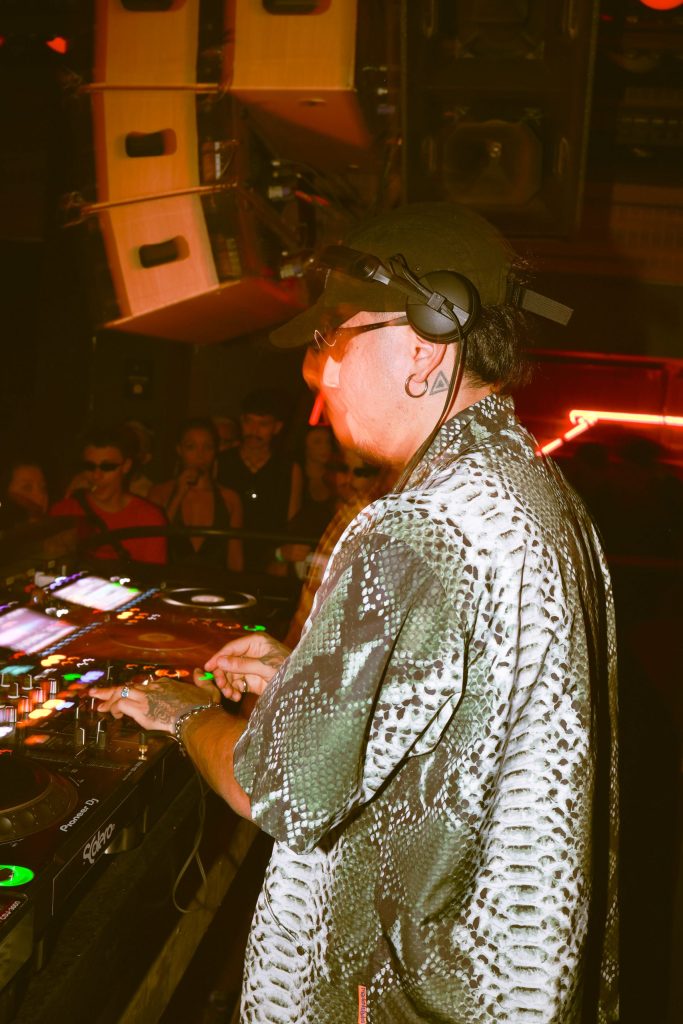
What role do you think DJs should play in preserving the cultural memory of what came before?
I think every DJ has a different role to play depending on their personality and the cultural moment they are part of.
Some preserve the past by keeping timeless records alive, while others help write the next chapter by creating and championing new music. I naturally lean toward the latter.
Trends have their place in strengthening scenes and opening doors, but what really keeps club culture alive is everyone contributing in their own authentic way.
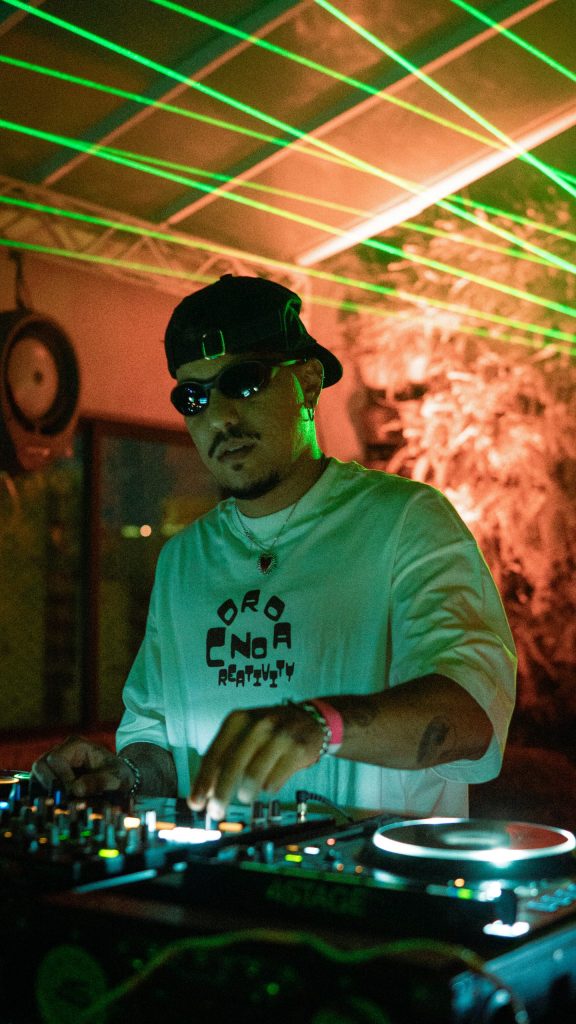
Do you feel like enough people in the scene are doing the work to understand where the music on their sticks comes from?
I think we consume music in a much more passive way now.
A lot of people hear a track they love but never really look into who made it or the cultural world it came from. While I think it is amazing that making music has become so accessible, it also means there is so much content that originality can sometimes get lost.
But I do not see that as a bad thing. Art always adapts, and I believe people naturally connect with music that feels honest and truly original.

Will Vance is a professional music producer who has been involved in the industry for the better part of a decade and has been the managing editor at Magnetic Magazine since mid-2022. In that time period, he has published thousands of articles on music production, industry think pieces and educational articles about the music industry. Over the last decade as a professional music producer, Will Vance has also ran multiple successful and highly respected record labels in the industry, including Where The Heart Is Records as well as having launched a new label with a focus on community through Magnetic Magazine. When not running these labels or producing his own music, Vance is likely writing for other top industry sites like Waves or the Hyperbits Masterclass or working on his upcoming book on mindfulness in music production. On the rare chance he's not thinking about music production, he's probably running a game of Dungeons and Dragons with his friends which he has been the dungeon master for for many years.







![How It Was Made: Lang Father i(Junkyard Dog) [Welofi]](https://magneticmag.com/wp-content/uploads/2026/10/Press-Pic_2-1024x576.jpg)