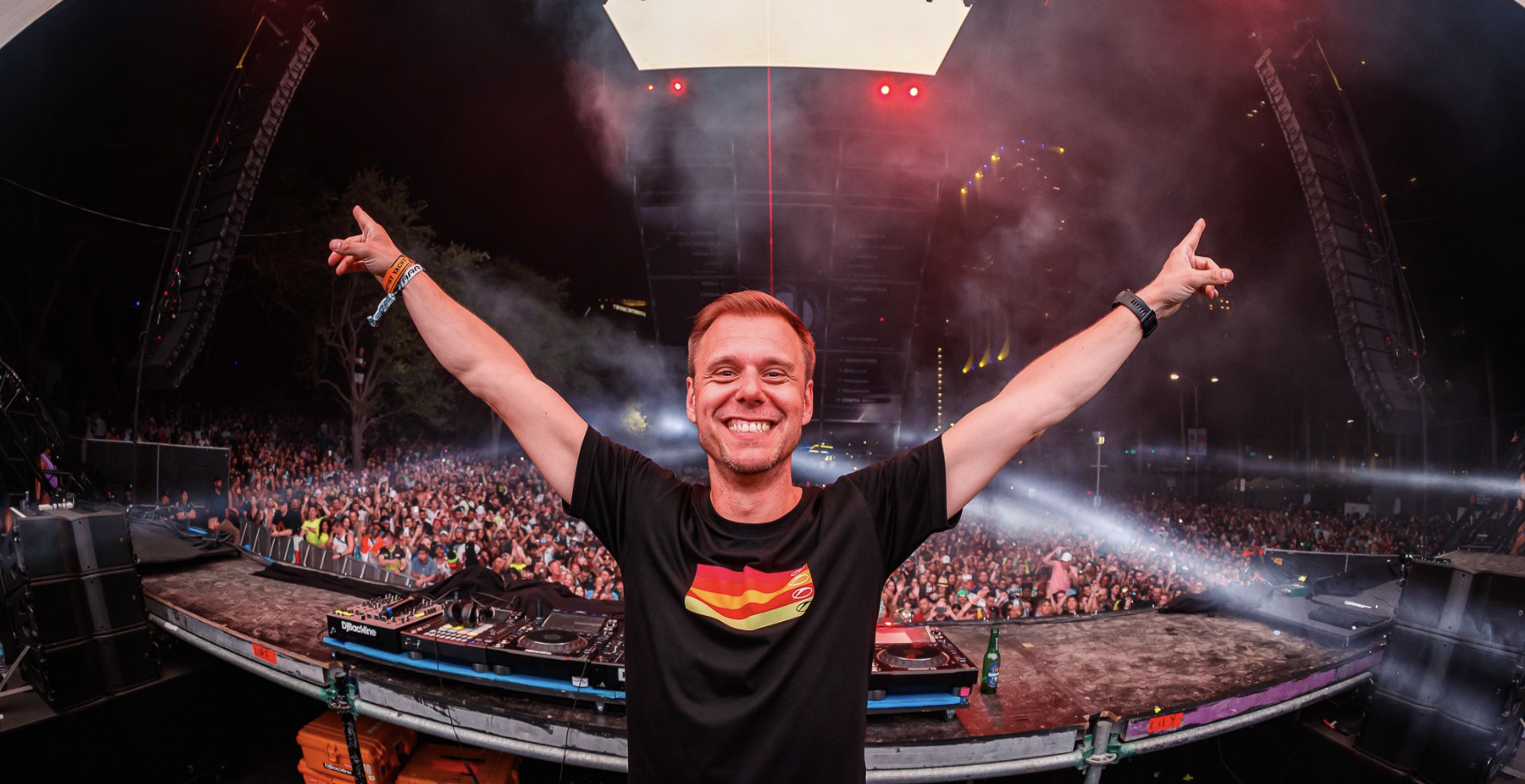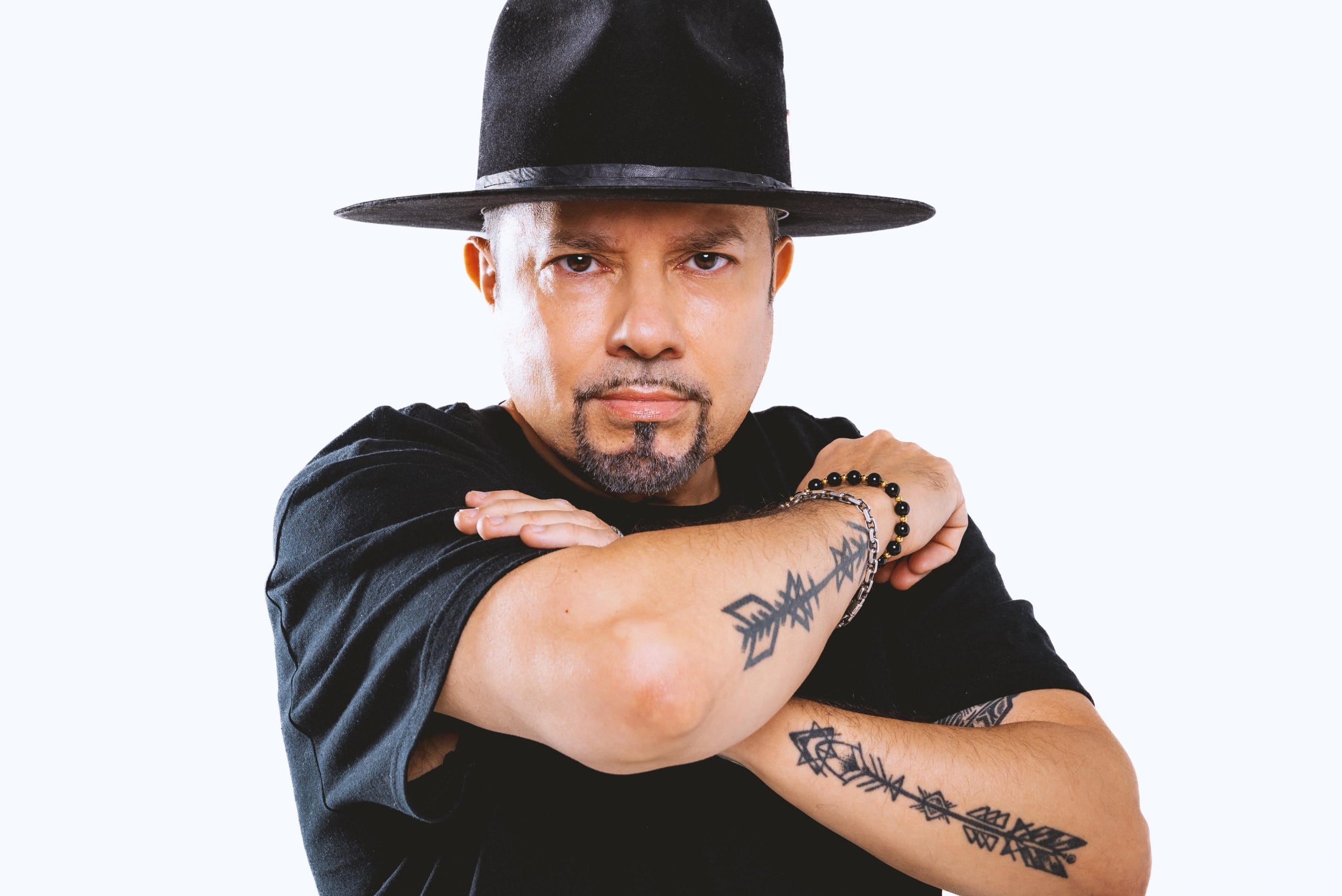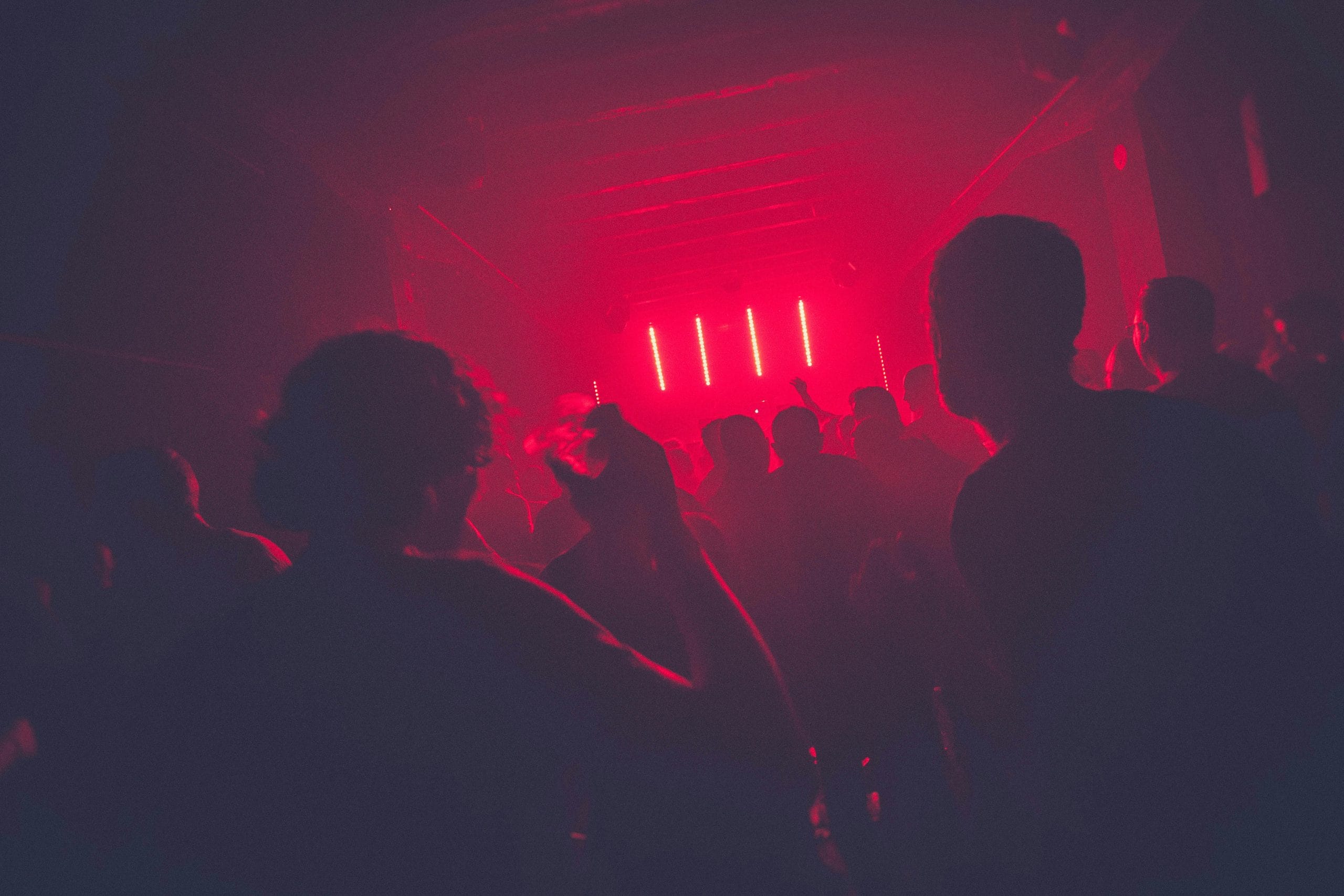
For many people, raving is perceived as an expression of nightlife, indulgence, style, and music-driven escape. While it is not entirely true, it fails to capture why the rave phenomenon continues to thrive in our culture. What makes rave more significant in our society is that it has always involved something beyond pleasure. Rave creates a new space, a place where regular norms are temporarily suspended, time feels altered, and strangers move in sync. That’s also why rave is not just a party but a ritual space with transformative, healing, and spiritual aspects.
The Connection Between Rave Culture and the Psychic World
This is also where astrology, zodiac, and psychic platforms enter the conversation in a more meaningful way. Their connection to rave culture is not about proving supernatural belief or turning nightlife into formal spirituality.
In essence, both places offer a similar experience. Rave culture makes people feel euphoric, whether from emotions, excitement, yearning, or simply because it is important to be out at night. Spiritual platforms allow individuals to sense their experiences, which explains why this topic is usually associated with exploring the spirituality underlying rave culture and its revival.
People often turn to online psychic platforms after that. Someone might ask Nebula about a dream that stuck with them after a long night out or about a sudden need to change course and talk to a registered psychic in a one-on-one chat. These kinds of sites fit well with rave culture because it’s more than just music. It also means figuring out where to go, how to express yourself, and which habits help you define your priorities in daily life. Asking Nebula after a rave can help you think about what happened if you feel open, unsettled, inspired, or ready for a change.
Understanding The Spiritual Roots of Rave Culture
The “hidden” spiritual roots of rave culture are not hidden because they were absent. They were hidden because mainstream culture often chose to see only the surface. Earlier accounts reduced rave to pleasure and disappearance, overlooking the meaningful spiritual experiences participants reported. In fact, raves can be understood as environments in which altered states and even “spiritual healing” can occur through a mix of physical intensity and symbolic meaning.
That helps explain why rave has so often felt ceremonial to the people inside it. The music is repetitive and immersive. The crowd stops acting like an audience and starts behaving like a shared organism. That’s why the rave culture has explicitly used language like trance, ritual, and spiritual dimensions to describe these experiences.
Why the Revival Feels So Strong Right Now
The current revival looks real, but it is not a simple return to 1990s rave culture. It is better understood as a revival of rave’s function. Here are some reasons why a revival is surely on the way.
1. People are hungry for ritual in a secular, overstimulated world
Our lives are more interconnected than ever before, yet spiritually impoverished. We have too much information but remain spiritually starved. Rave has what other institutions lack: ritual without rigid structure. It gives repetition, surrender, intensity, and shared emotion without requiring formal belief. Astrology and psychic platforms fit into the same pattern, which is why their rise sits so naturally beside rave’s return. Both offer structure for feeling in a world that often gives people endless content but very little meaning.
2. Digital fatigue is pushing people back toward embodied experience
The phone-free club trend is especially revealing here. That suggests that one major driver of the revival is exhaustion with performing the self online all the time. Rave becomes attractive again when it feels like one of the few places where people can stop documenting life and actually enter it.
3. The meaning of nightlife is changing
The revival is also connected to changing attitudes about alcohol and socializing. Gallup found in 2025 that just 54% of U.S. adults say they drink alcohol, a record low, and that a majority now see moderate drinking as unhealthy. It means that nightlife is becoming more fluid. There is now more room for dance-centered spaces that are not built entirely around alcohol, which helps explain the traction of sober and coffee-rave formats.
Conclusion
Well, yes, the rave culture is certainly making a comeback. But this is not all about nostalgia; it is about a return to the old concept of the dance floor as a ritual, a refuge, a catharsis, and a source of meaning. The spirituality of raves was never disconnected from the music itself; it was embedded in the trance of repetition, the excitement of shared rhythm, the establishment of alternative safe havens, and the attempt to transform physical experiences. The recent surge in the appeal of astrology, zodiac, and psychic sites is a natural continuation of the same idea, and together, they help people look for ways to feel interpreted and connected.

Magnetic byline note: This byline is used for staff produced updates and short announcements, often based on press materials and official release information. Editorial responsibility: David Ireland (Editor in Chief) and Will Vance (Managing Editor). About: https://magneticmag.com/about/ Masthead: https://magneticmag.com/masthead/ Contact: https://magneticmag.com/contact/