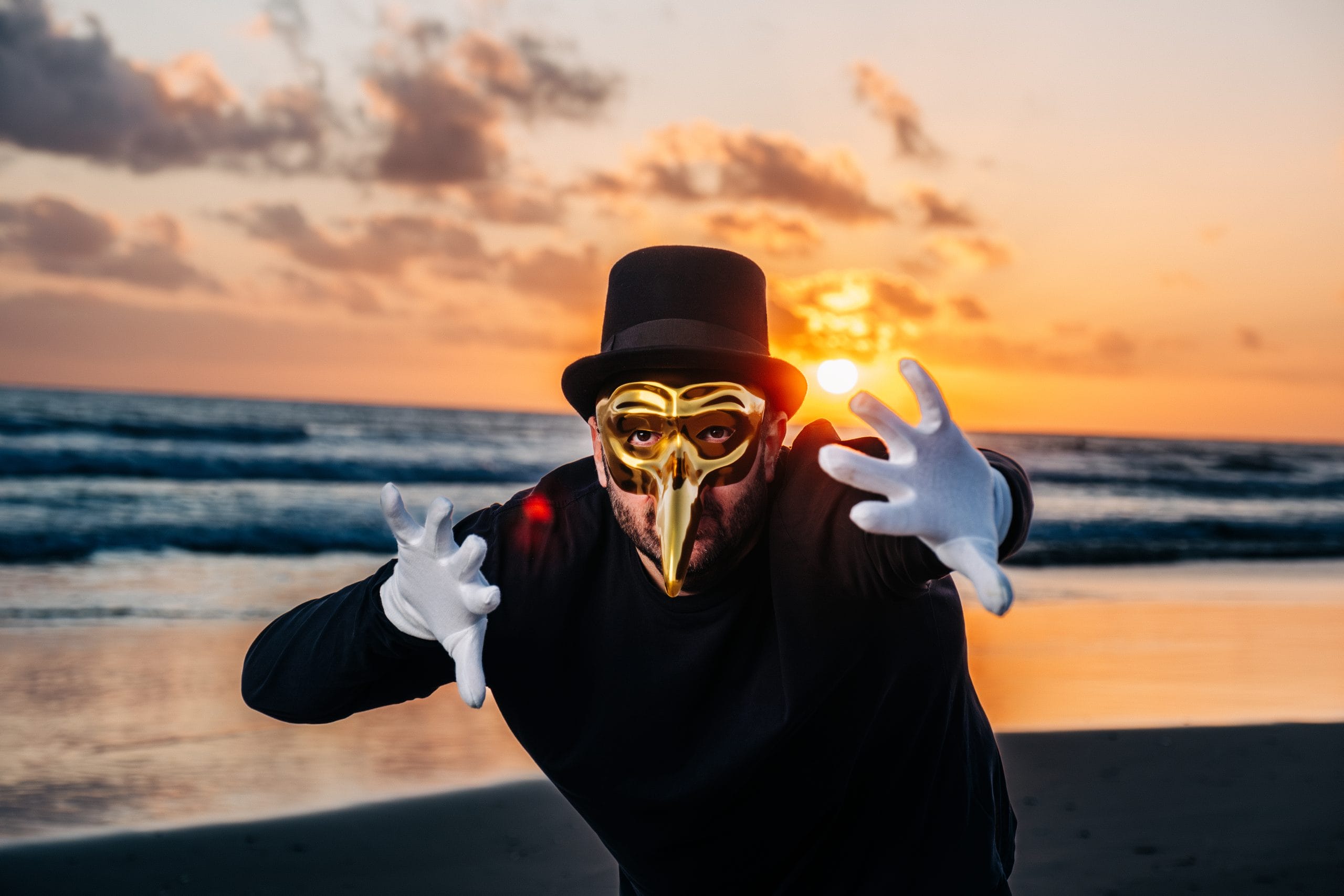
Ron Morven’s “Paper Sun” arrives May 8 with a clear focus on movement, melody, and cinematic detail.
Based professionally in Los Angeles, Morven is Italian and divides his time between the United States and Italy, where his family lives. That transatlantic context also runs through his wider creative life, which includes his work as a songwriter, producer, DJ, and novelist published under his personal name.
The single sits between house, electronic pop, and dance music, with a summer-leaning feel built around rhythm, motion, and visual identity. Morven describes this direction as Transatlantic Narrative House, or TNH: melodic electronic music shaped by a European emotional sense, an international visual scale, and a clearer writing layer across the music and imagery.
With “Paper Sun,” that idea comes through in the way the record moves between euphoria, pressure, light, overload, speed, and release, aiming itself toward dance radio, playlists, and crossover electronic audiences.
That perspective carries into the interview below. Morven talks about contributing to dance music culture beyond the set, how artists can strengthen local scenes through consistency, and why identity, visuals, pacing, and continuity deserve the same level of attention as the music itself.
Interview With Ron Morven
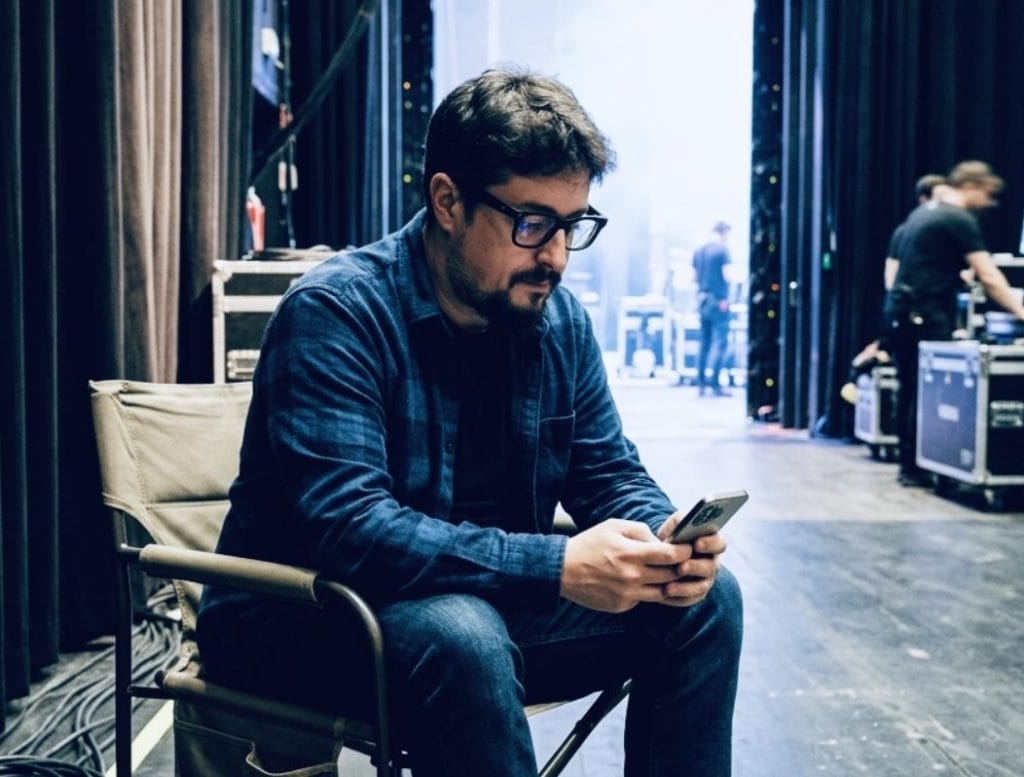
When you think about contributing to dance music culture, what does that look like beyond the set itself?
For me, contributing to dance music culture means creating something that doesn’t disappear when the night ends. A DJ set lives in the moment, but culture is what remains when people go home. I come from a writing background, so I don’t approach tracks as isolated singles — I see them as fragments of a larger narrative world, where each release connects to the next.
Even with recent work like Paper Sun, the focus wasn’t just the track itself, but the atmosphere, the visual identity, and the emotional continuity around it. I’m less interested in chasing the “perfect drop” and more interested in building a space people can step into. I think dance music becomes culture the moment it stops trying to impress and starts trying to stay with you.
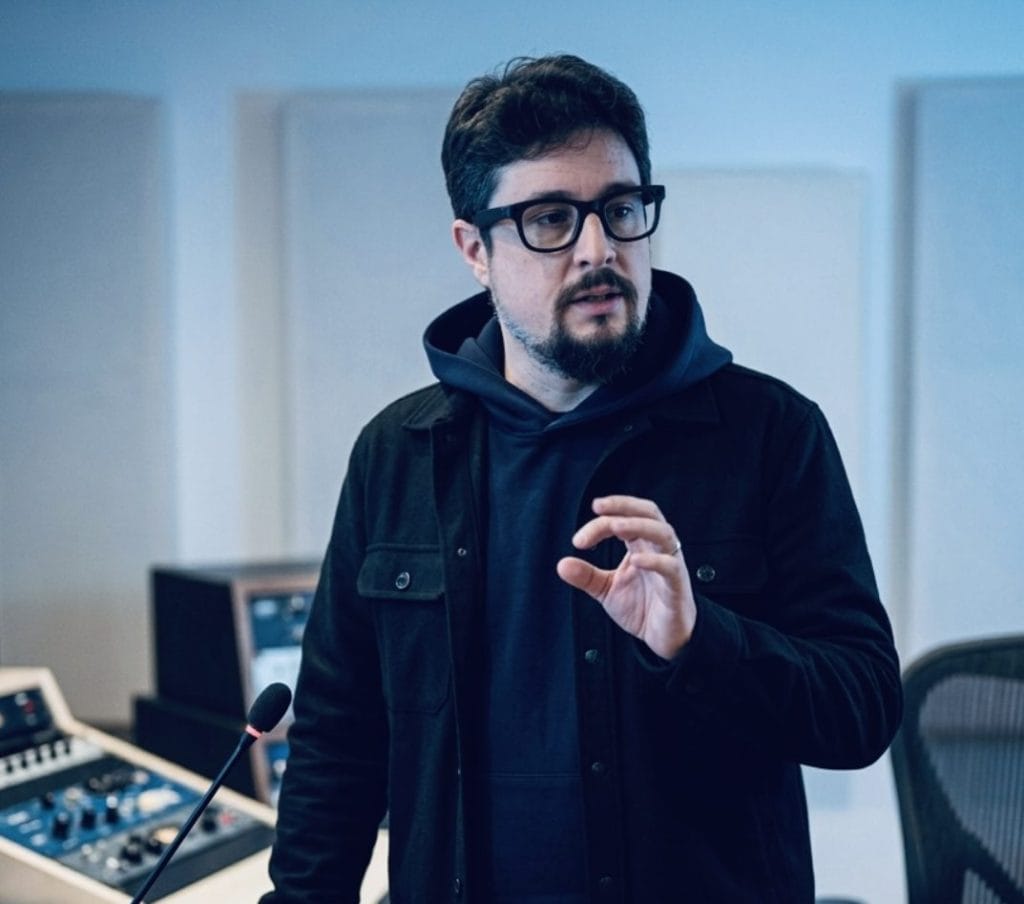
How have you seen artists quietly strengthen the fabric of their local scenes? What are they doing differently than the average artists?
The artists who truly strengthen a scene are rarely the most visible ones.
They’re the ones who stay present — supporting other releases, showing up to events, building relationships, and treating the scene as an ecosystem rather than a personal platform. I’ve always seen a music scene as a shared narrative, where identity is built collectively over time.
That applies anywhere — a scene becomes strong when people stop thinking only in terms of individual opportunities and start investing in continuity. The difference is simple: most artists chase visibility, while a few focus on building context. Scenes don’t grow because of hype — they grow because someone keeps showing up when there’s nothing to gain.
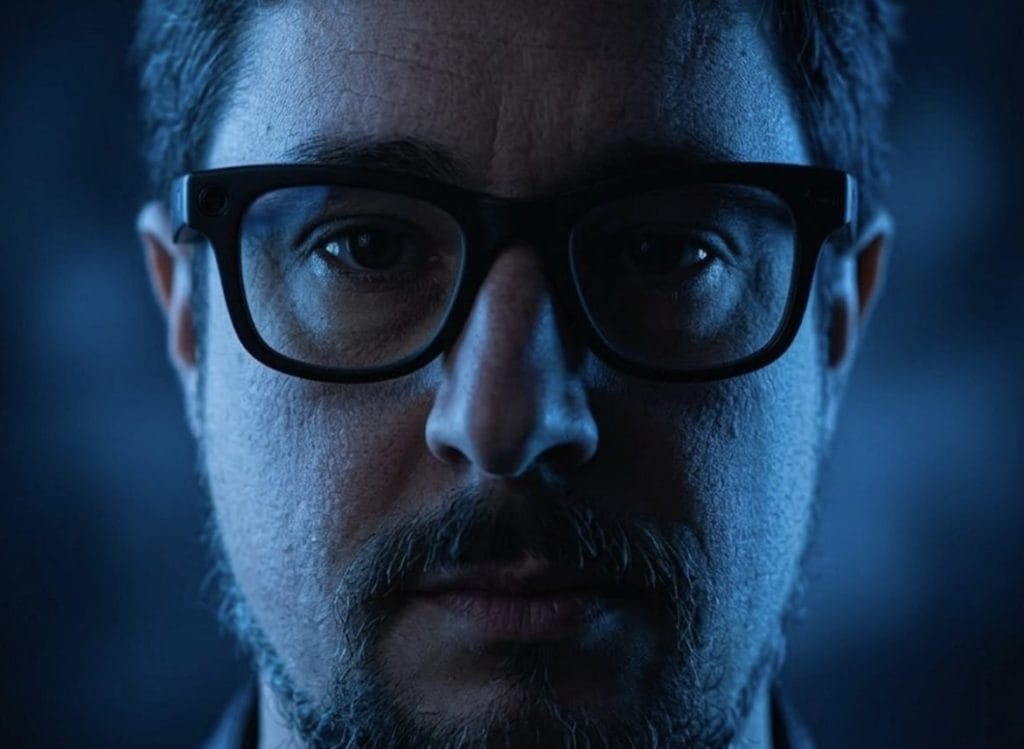
In your view, what areas outside of performance deserve more attention from artists?
I think artists should spend more time thinking about identity, not just output.
Music today doesn’t exist in isolation — it lives across visuals, language, perception, and timing.
My background in writing naturally pushes me to think in terms of narrative, so I approach releases more like chapters than standalone drops. That means every element — artwork, communication, pacing — has to align with a bigger direction. Even the gaps between releases are part of the storytelling. If everything you do looks and sounds disconnected, people won’t remember your music — they’ll just scroll past it.
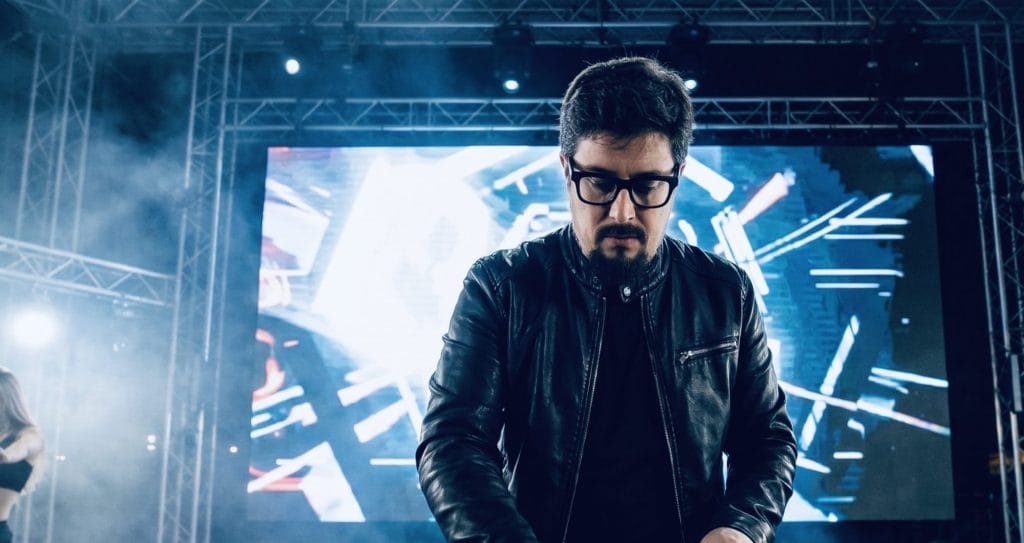
If someone described you as someone who created space within the scene, how would you interpret that?
I would interpret that as building an alternative within the space. Dance music often leans on intensity and immediacy, but I’ve always been drawn to its more cinematic side — the idea that a track can feel like a place or a memory unfolding. That’s something I try to carry across both music and visuals, creating continuity rather than just moments.
My goal is not to fit into an existing format, but to develop something that feels recognizable over time. Creating space, to me, means giving people something they don’t immediately consume — but slowly return to.

Will Vance is a professional music producer who has been involved in the industry for the better part of a decade and has been the managing editor at Magnetic Magazine since mid-2022. In that time period, he has published thousands of articles on music production, industry think pieces and educational articles about the music industry. Over the last decade as a professional music producer, Will Vance has also ran multiple successful and highly respected record labels in the industry, including Where The Heart Is Records as well as having launched a new label with a focus on community through Magnetic Magazine. When not running these labels or producing his own music, Vance is likely writing for other top industry sites like Waves or the Hyperbits Masterclass or working on his upcoming book on mindfulness in music production. On the rare chance he's not thinking about music production, he's probably running a game of Dungeons and Dragons with his friends which he has been the dungeon master for for many years.