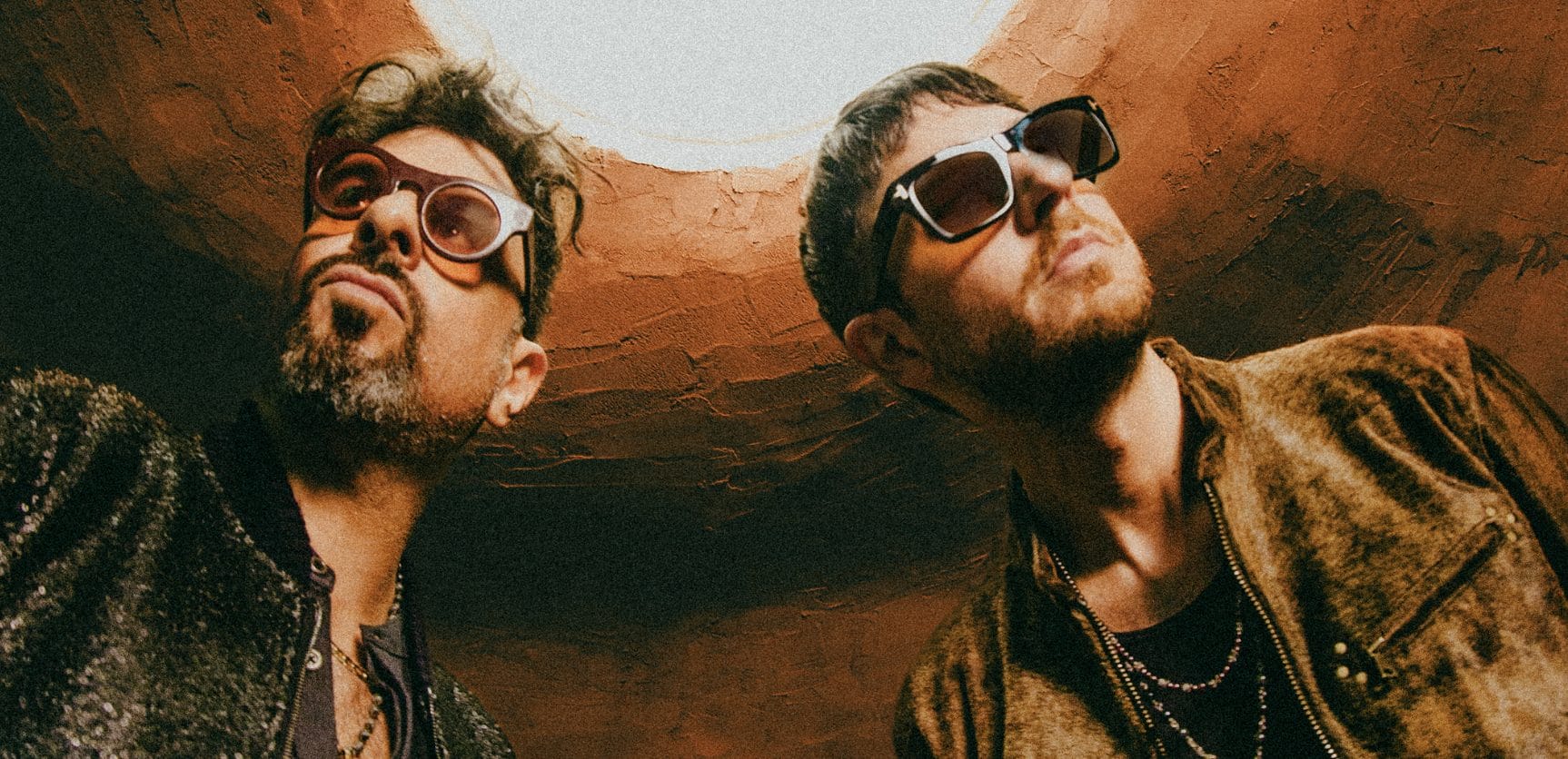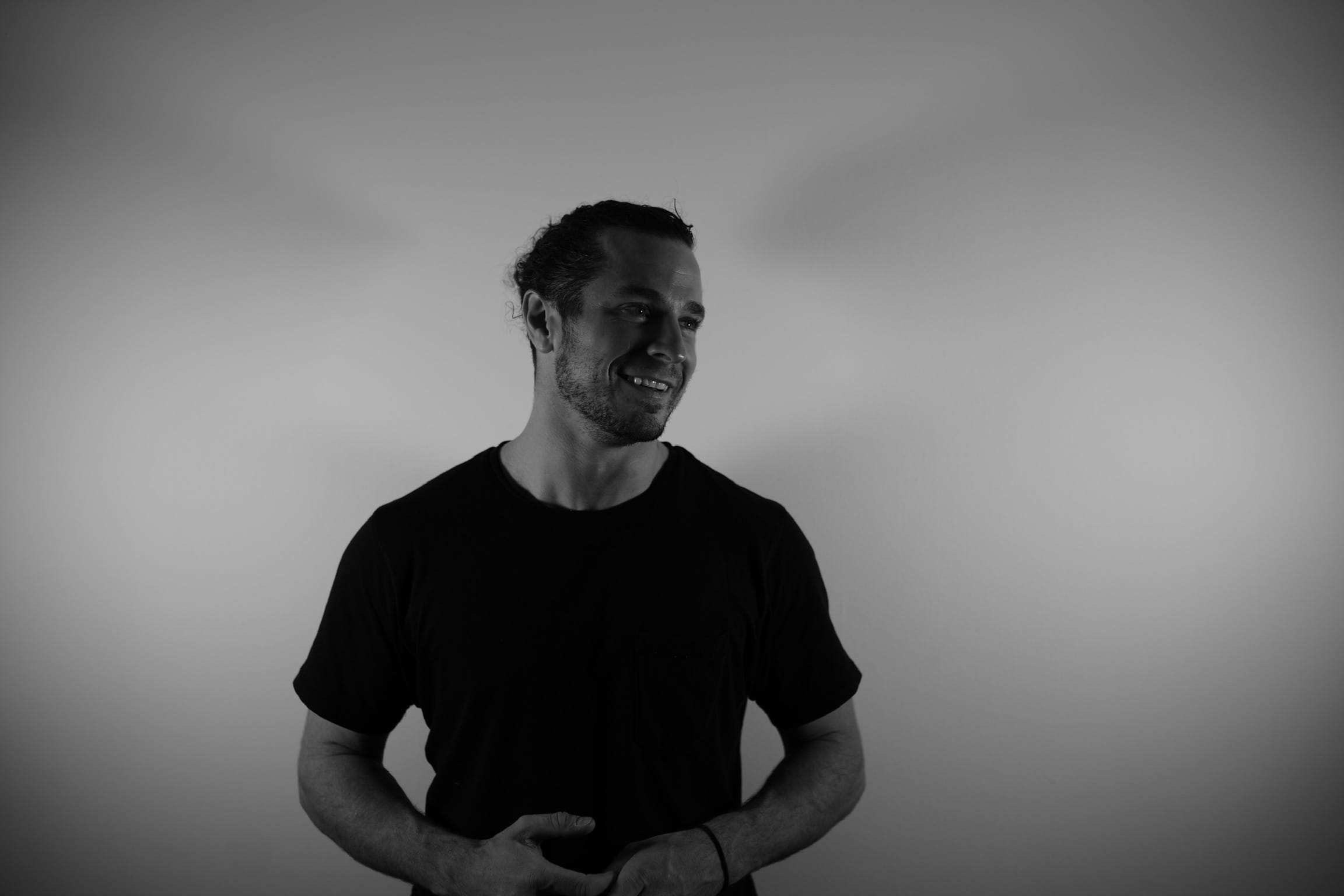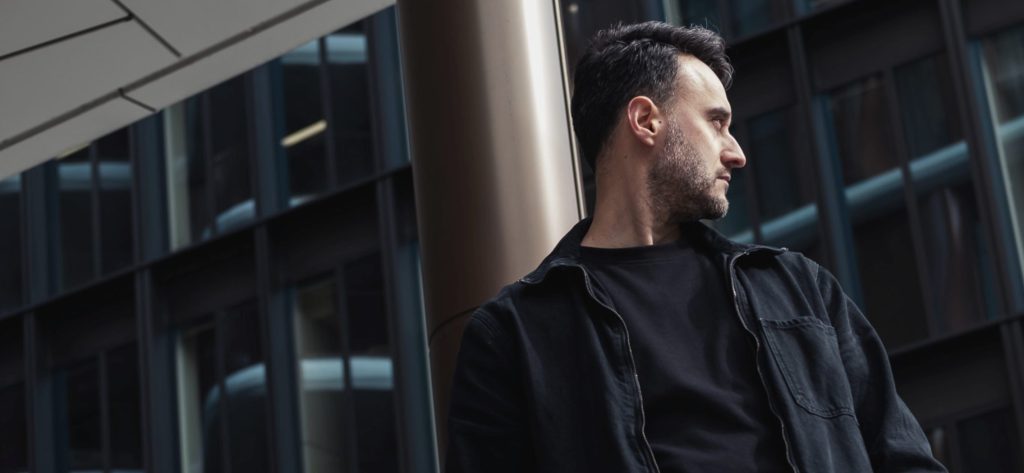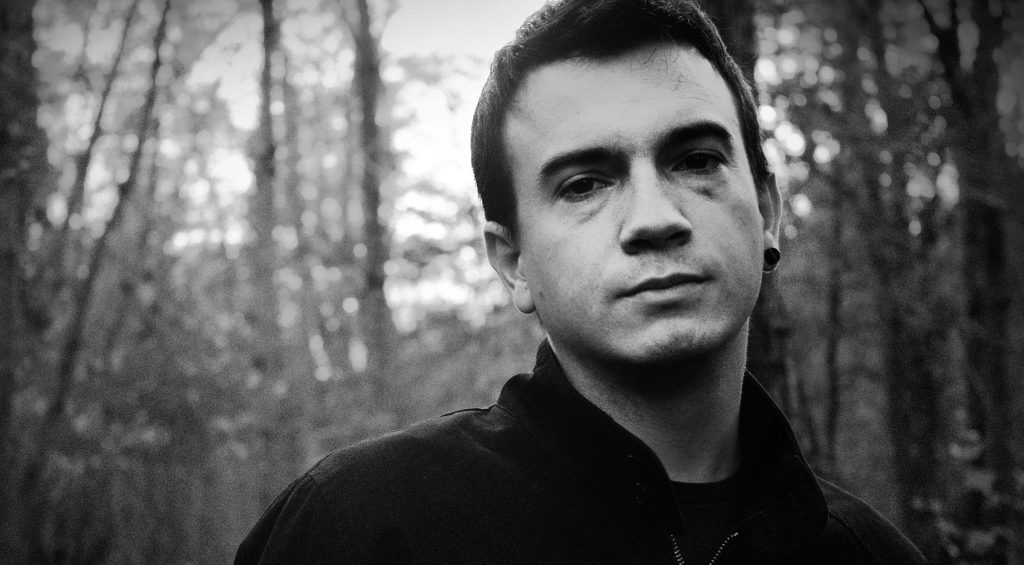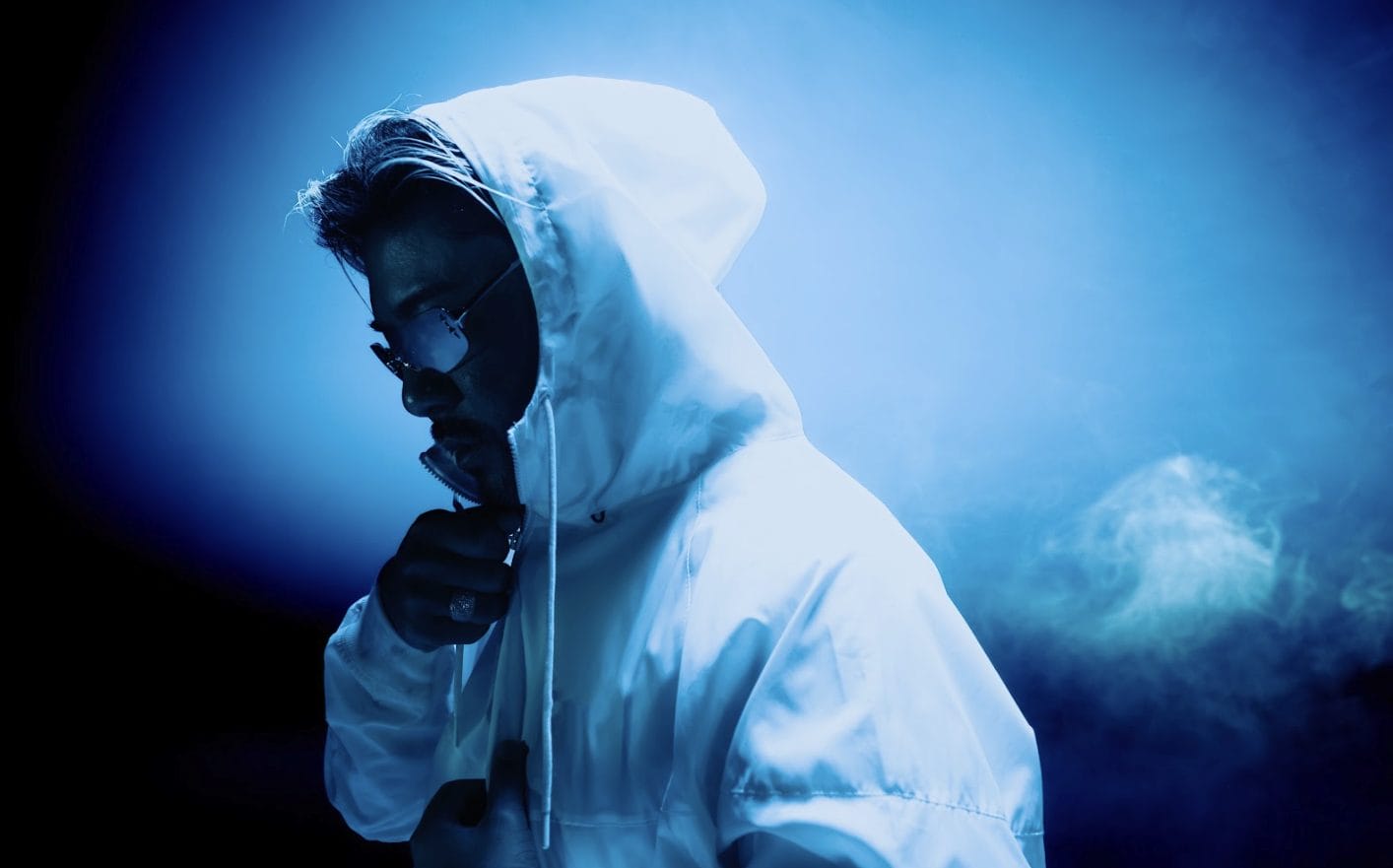
Wax Motif (@waxmotif) enters this next stretch of 2026 with a clear headline moment already in place, as “Bad & U Know It” with Ty Dolla $ign (@tydollasign) arrives as the first single from his forthcoming album House of Wax II. The record puts a spotlight on one of the defining traits of his career: his ability to move between house, hip-hop, and R&B without losing clarity in his own sound. That has been part of his appeal for years, but this release sharpens it further, especially with Ty, a long-time creative counterpart, involved; his presence immediately broadens the record’s reach.
It also frames Wax Motif as an artist stepping into a broader phase of authorship, with House of Wax II showing up as a more complete statement built around songwriting, collaboration, and cross-genre control.
The current release run provides additional context for how he talks about soft skills and career durability. He points to discipline, sleep, energy management, patience, humility, and resilience as the less visible traits that ultimately shape performance and longevity. Those answers land harder when set against the scale of what he is carrying right now, between touring, major collaborations, and the expectations that come with a new album cycle. Instead of feeding distraction, he talks about blocking out noise, staying rooted in his own taste, and keeping perspective in a scene that constantly pushes comparison and reaction.
That mindset fits an artist who is operating at a high level across multiple lanes while still trying to protect the core of what got him there in the first place.
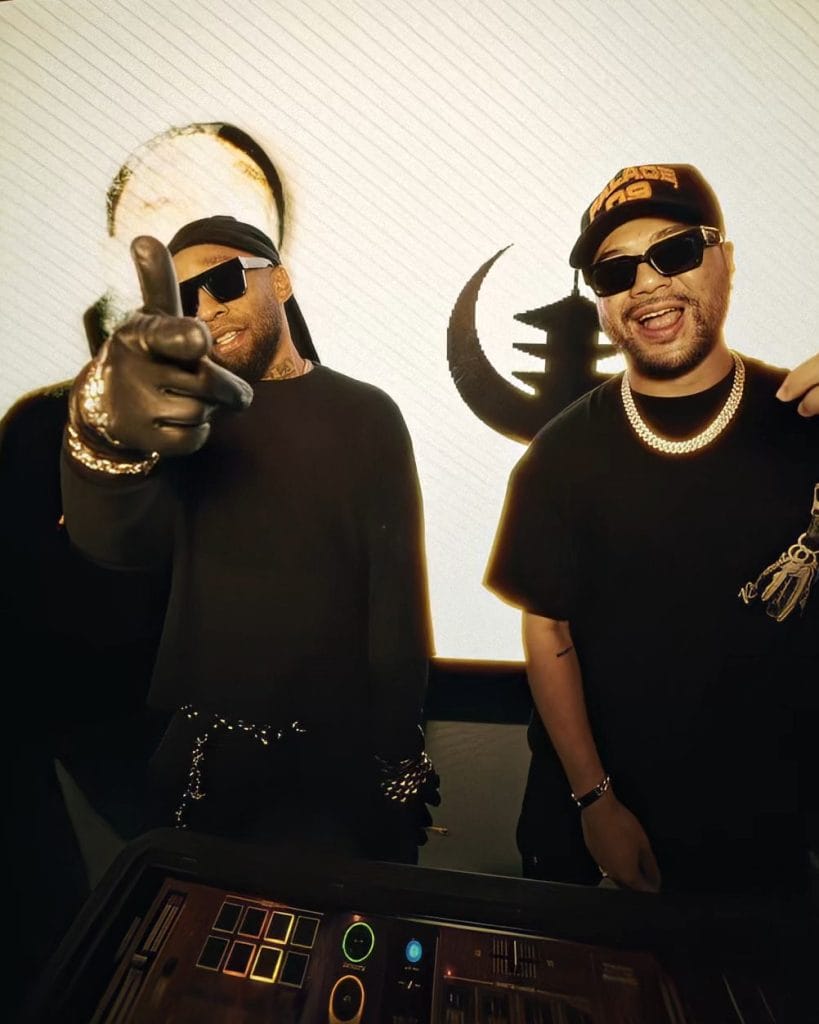
The larger picture around Wax Motif now includes global touring, major festival dates, production credits across dance and hip-hop, and a release pipeline that keeps expanding his audience. “Bad & U Know It” gives that profile a fresh focal point, and it also underlines how naturally he can bring a club record into conversation with a wider pop and R&B audience. In that sense, the current chapter is not only about visibility. It is also about sustaining quality, relationships, and direction while the scale keeps increasing.
That is where the softer skills he describes stop sounding secondary and start reading like part of the actual engine behind the career
Interview With Wax Motif
What soft skills have ended up mattering way more than you expected when you first started DJing?
Honestly, discipline when it comes to taking care of yourself matters way more than I expected. Getting enough sleep, managing your energy, and staying consistent, even when you’re traveling all the time. When you’re touring a lot, the lifestyle can get chaotic fast.
You can power through it for a while, but eventually it catches up with you. You start losing that excitement to go to shows or be in front of crowds. I learned that being disciplined off the decks is what allows you to actually show up and perform at a high level on them. It’s not the most glamorous part of DJing, but it’s probably one of the most important.
How do you personally build resilience in a scene where burnout, rejection, and comparison are so common?
A big part of it is learning how to block out the noise.
There’s always something happening, someone blowing up, trends shifting, opinions online, and if you’re constantly looking sideways, it’ll mess with your head. I try to stay focused on my own lane and what I actually enjoy doing, while still being aware of what’s happening around me. It’s also about having perspective. This is a long game, and not everything needs a reaction.
What helps you stay confident in your taste, even when what you love isn’t what’s trending?
I think it comes down to really trusting what you love, first and foremost.
For me, it’s about staying rooted in my sound, but still being open to evolving it. You can adapt to what’s happening around you without losing your identity, it’s more about how you present it than changing it completely. As long as it still feels honest to you, people can feel that. Not everyone’s going to come along for that evolution, some people want you to stay exactly the same, but that’s part of being an artist.
You have to push through that. That’s what builds a real connection over time, not jumping into whatever’s popular in the moment.
How has your definition of “taste” evolved over time?
I think my taste has naturally evolved with whatever’s going on in my life.
The music I’m drawn to usually reflects where I’m at, whether that’s what I’m listening to day-to-day, what I’m playing out, or even what I’m experiencing outside of music. Early on, I think taste was about trying to define a sound or fit into a lane. Over time, it’s become about instinct and feeling, what I think connects, what lasts, and what actually represents me. It’s less about what’s “cool” and more about what feels right in the moment.
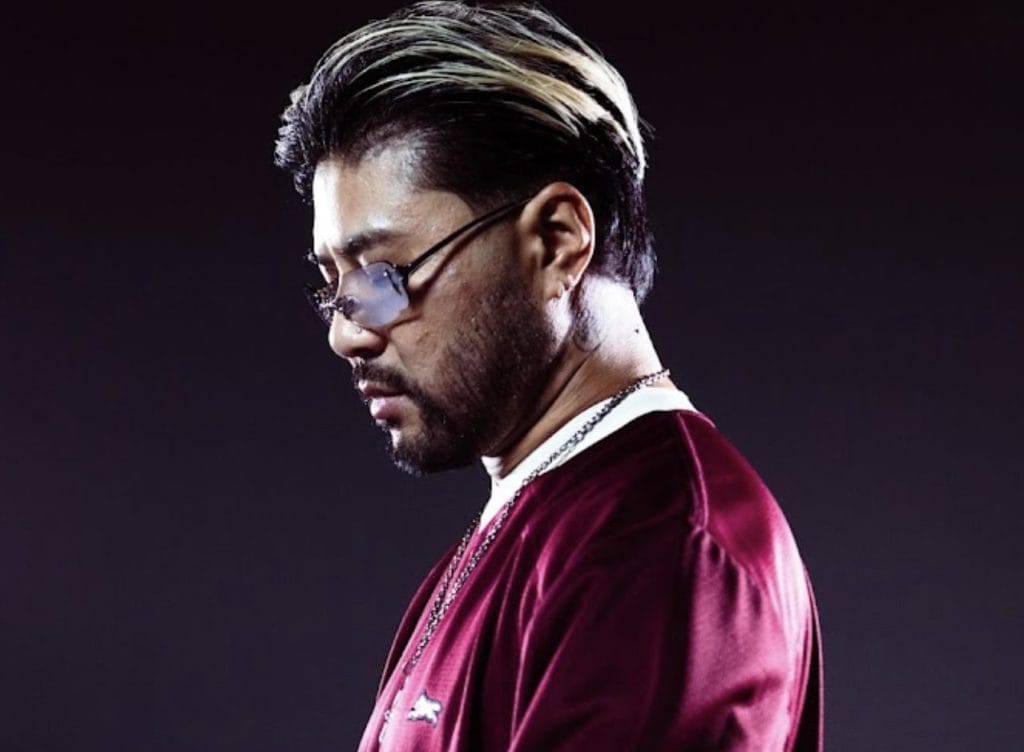
What role do humility and listening play in your relationships with promoters, peers, or local scenes?
I think they play a huge role. Every scene is different, and you have to come in with respect for what’s already been built there and the ecosystem around it. Listening is a big part of that, understanding the culture of a scene, what people respond to, where you fit into it, and being aware of the people you’re working with.
Humility goes a long way too. No matter where you’re at in your career, people remember how you treat them. Being easy to work with and open to others creates way more long-term opportunities than showing up and doing your set.
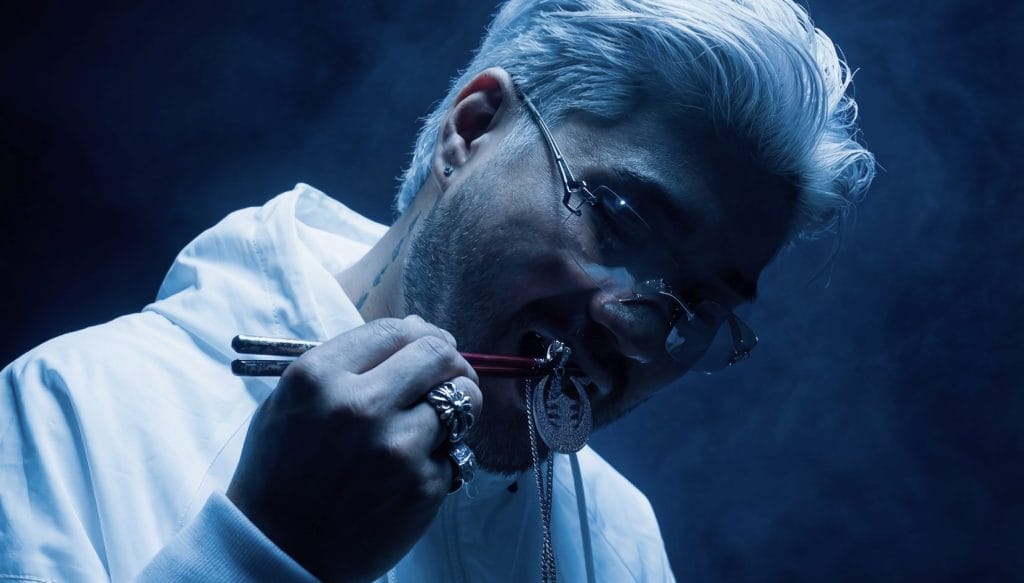
Is there a soft skill you think doesn’t get enough credit in today’s DJ culture?
Honestly, patience. Everything moves so fast now, socials, trends, releases, that there’s this pressure to constantly be doing something or chasing the next moment. But a lot of the real growth comes from taking your time, developing your sound, and letting things build naturally.
Not everything needs to happen overnight. Resilience is a big part of that too. There are always ups and downs, and not everything is going to land the way you expect. Being able to stay steady through that and keep going is what really separates people long-term. The people who last are usually the ones who can stay consistent and trust the process, even when things aren’t moving as quickly as they’d like.

Will Vance is a professional music producer who has been involved in the industry for the better part of a decade and has been the managing editor at Magnetic Magazine since mid-2022. In that time period, he has published thousands of articles on music production, industry think pieces and educational articles about the music industry. Over the last decade as a professional music producer, Will Vance has also ran multiple successful and highly respected record labels in the industry, including Where The Heart Is Records as well as having launched a new label with a focus on community through Magnetic Magazine. When not running these labels or producing his own music, Vance is likely writing for other top industry sites like Waves or the Hyperbits Masterclass or working on his upcoming book on mindfulness in music production. On the rare chance he's not thinking about music production, he's probably running a game of Dungeons and Dragons with his friends which he has been the dungeon master for for many years.