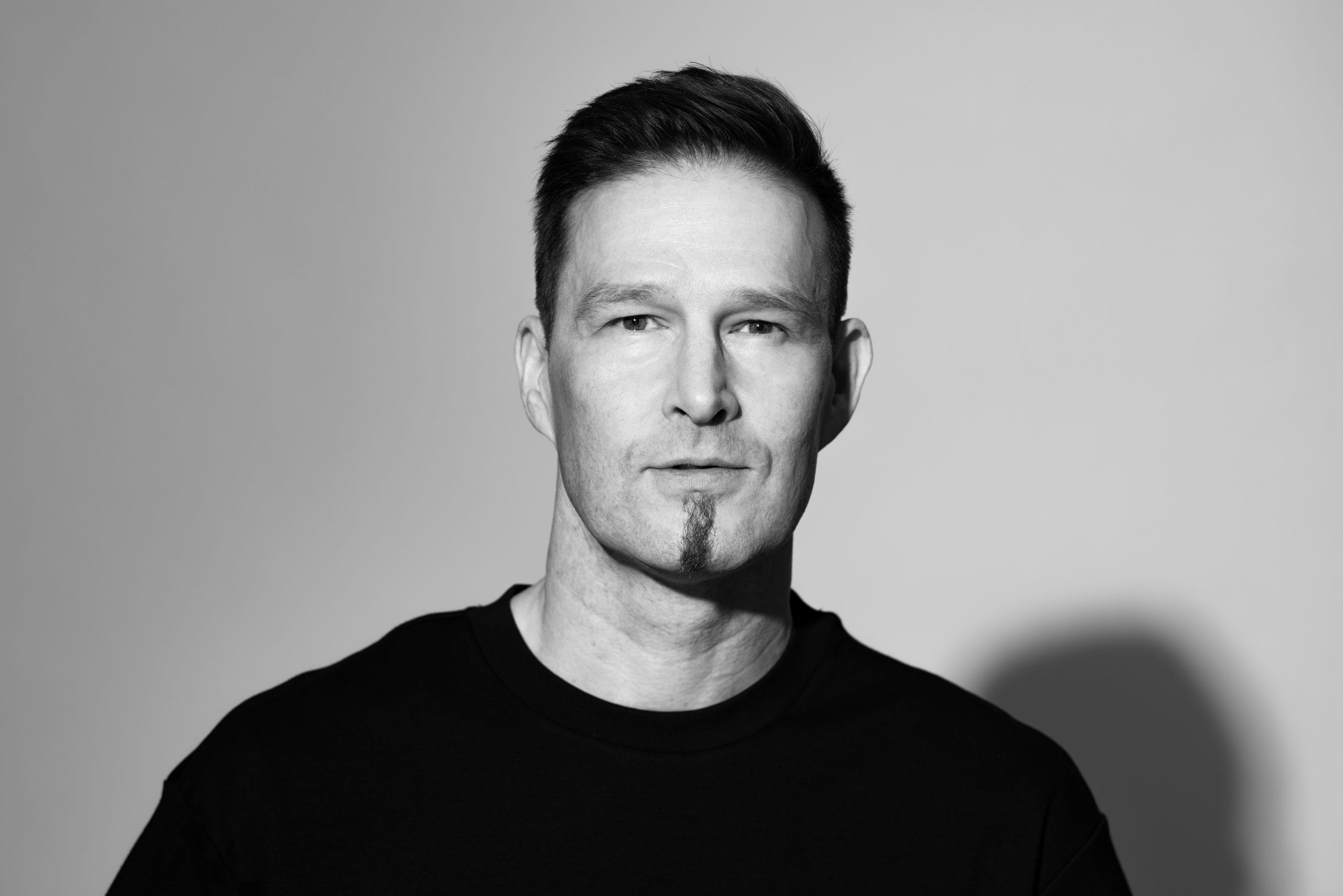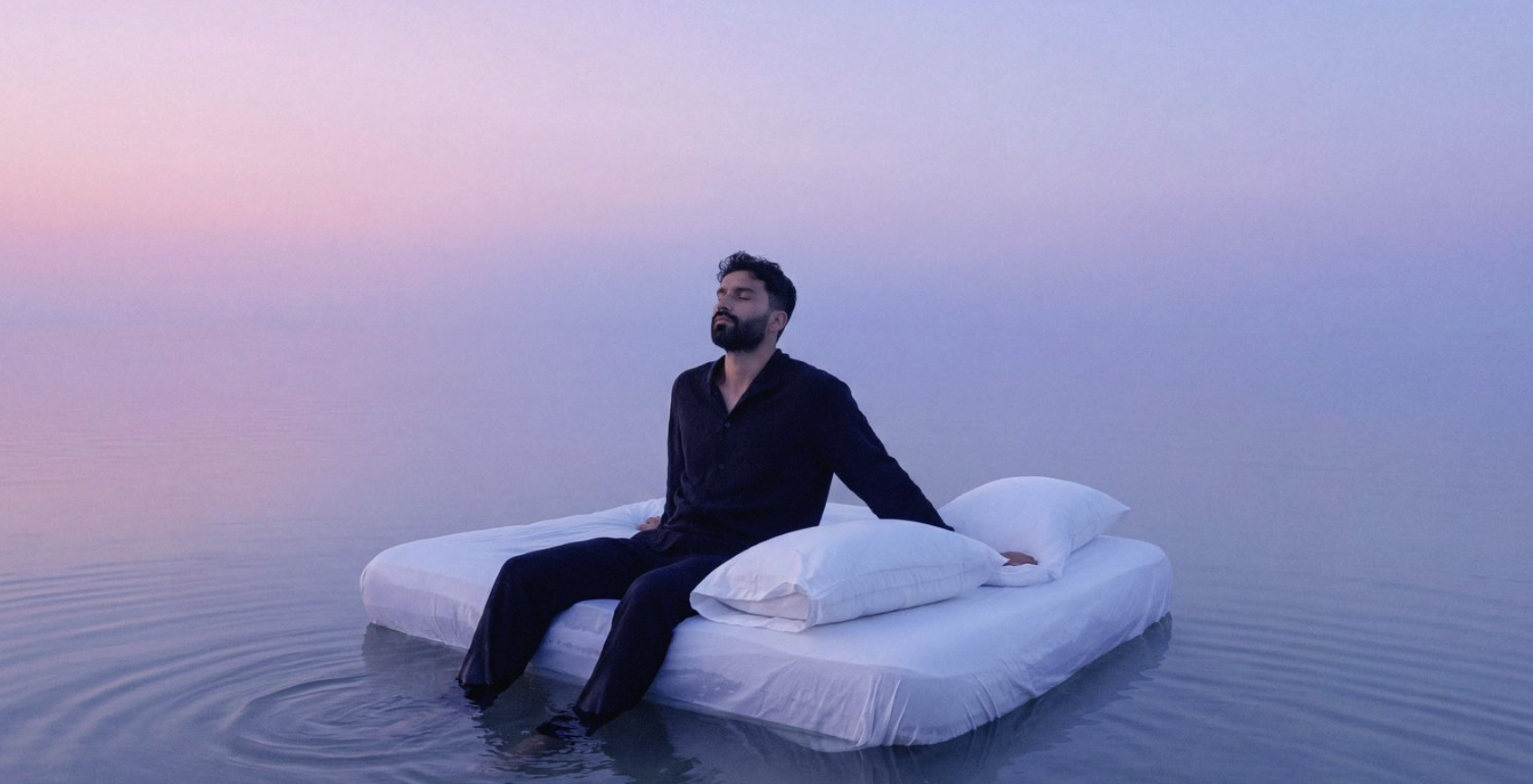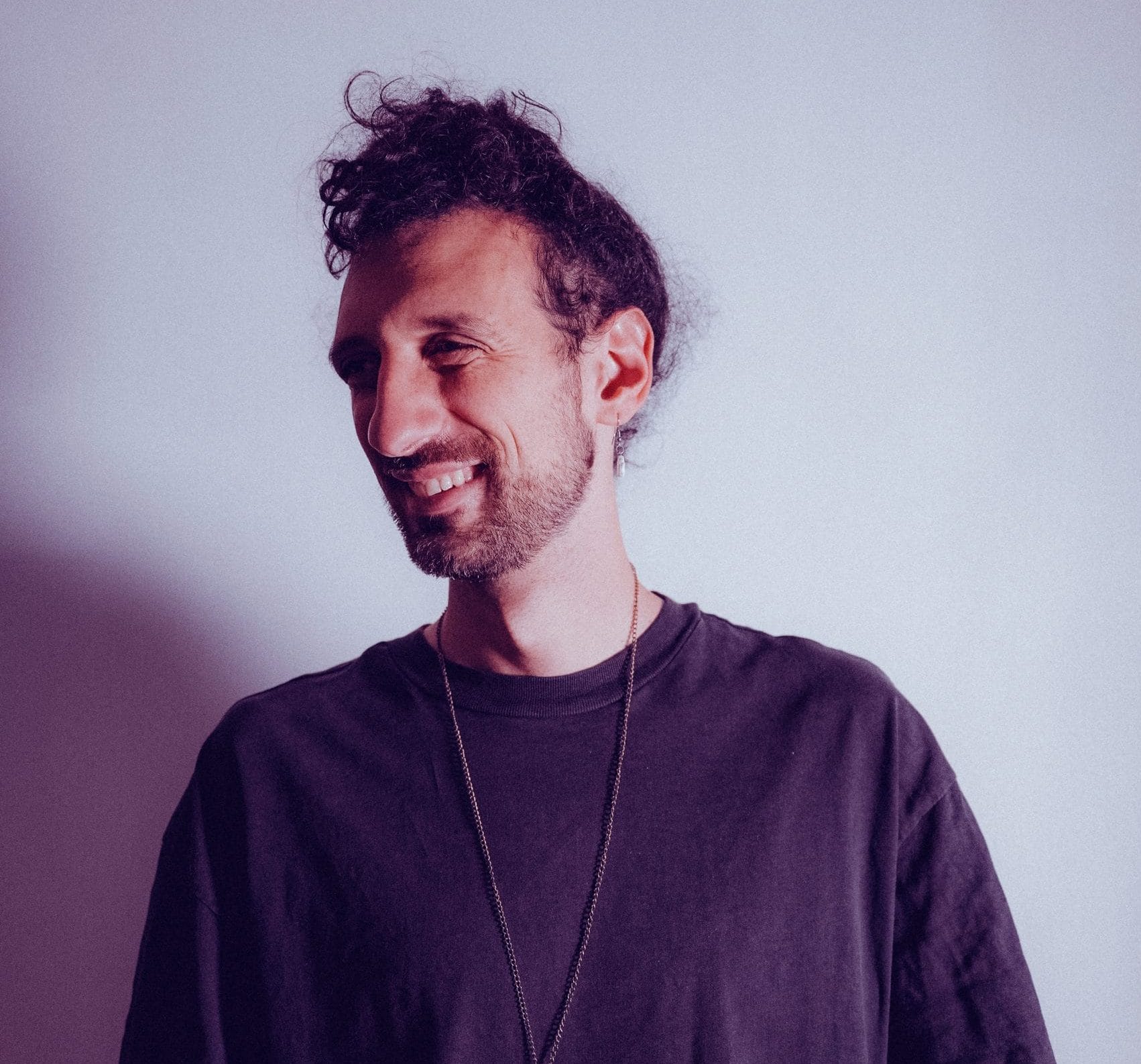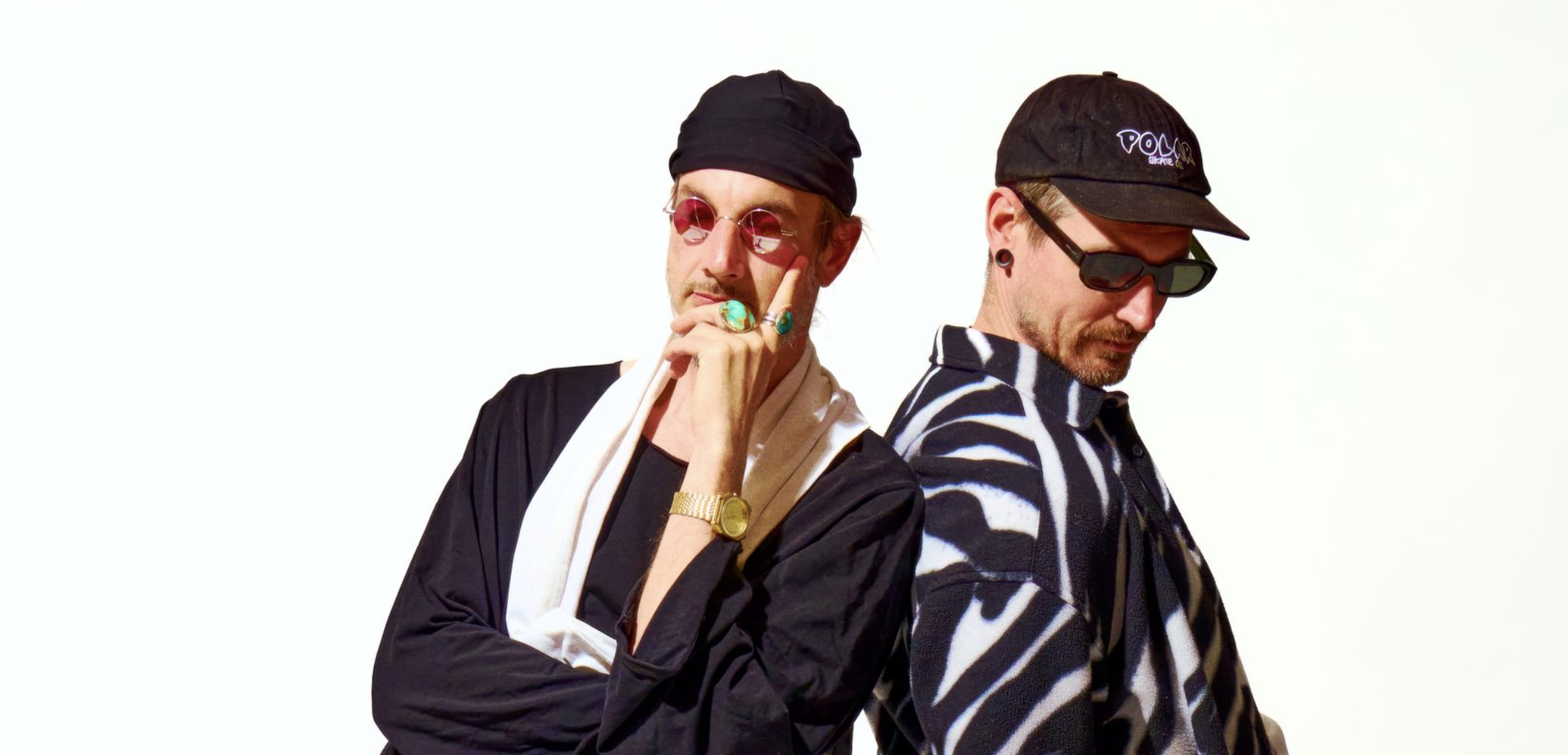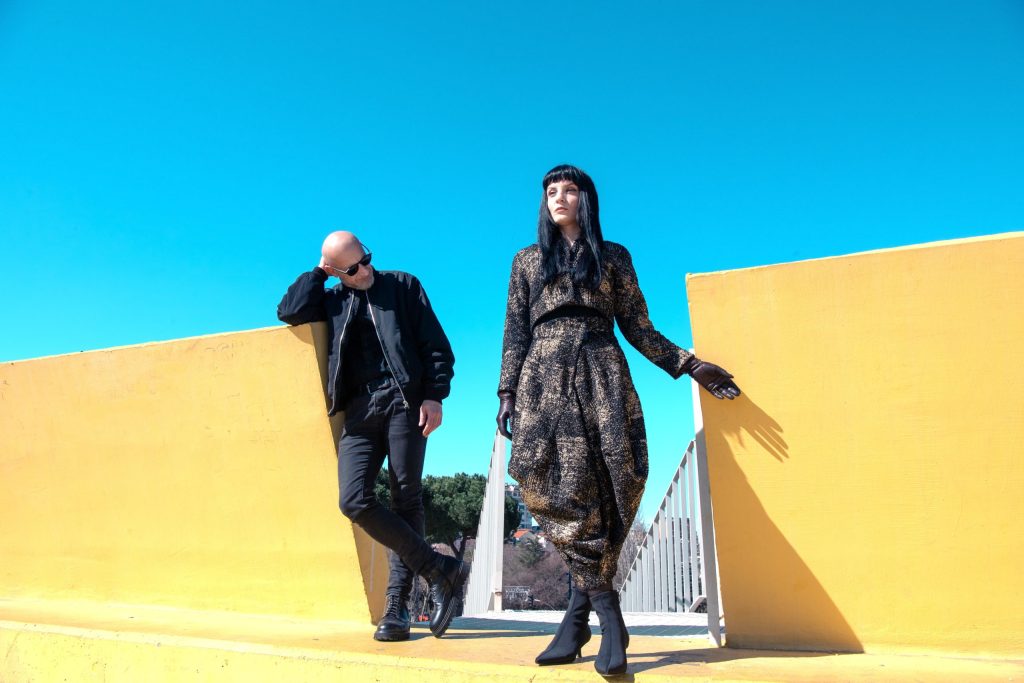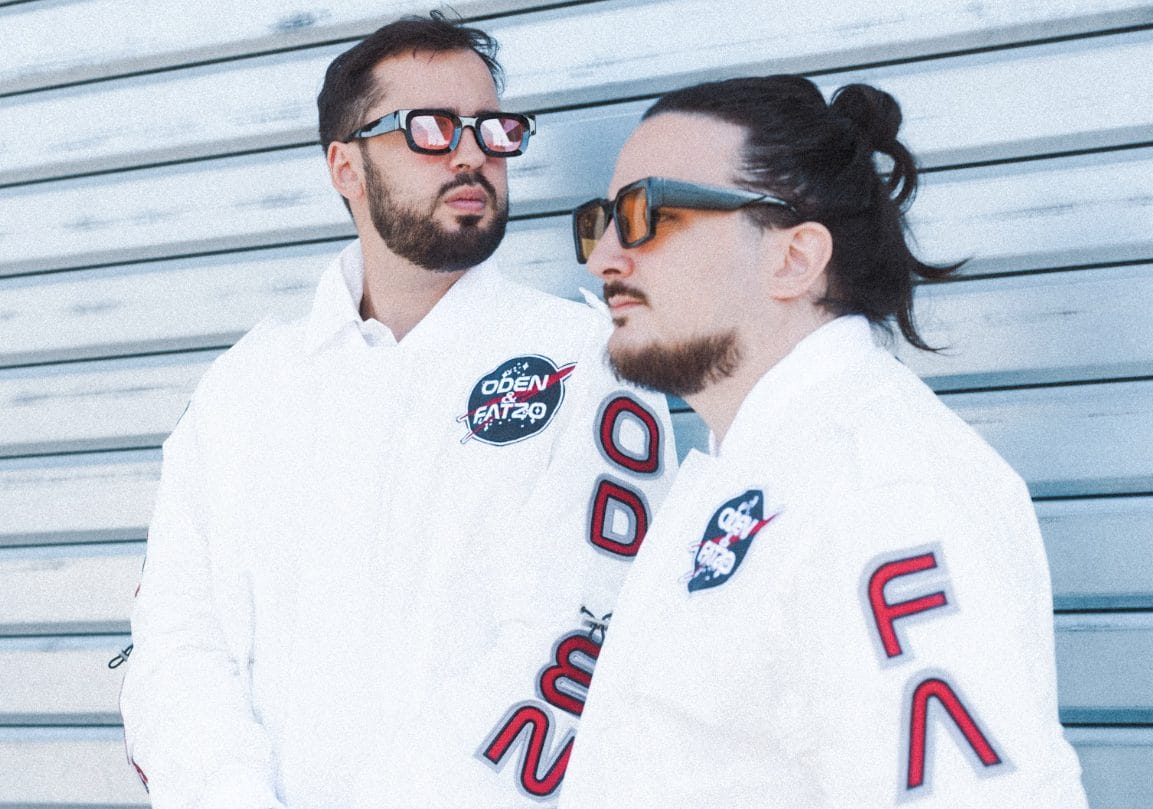
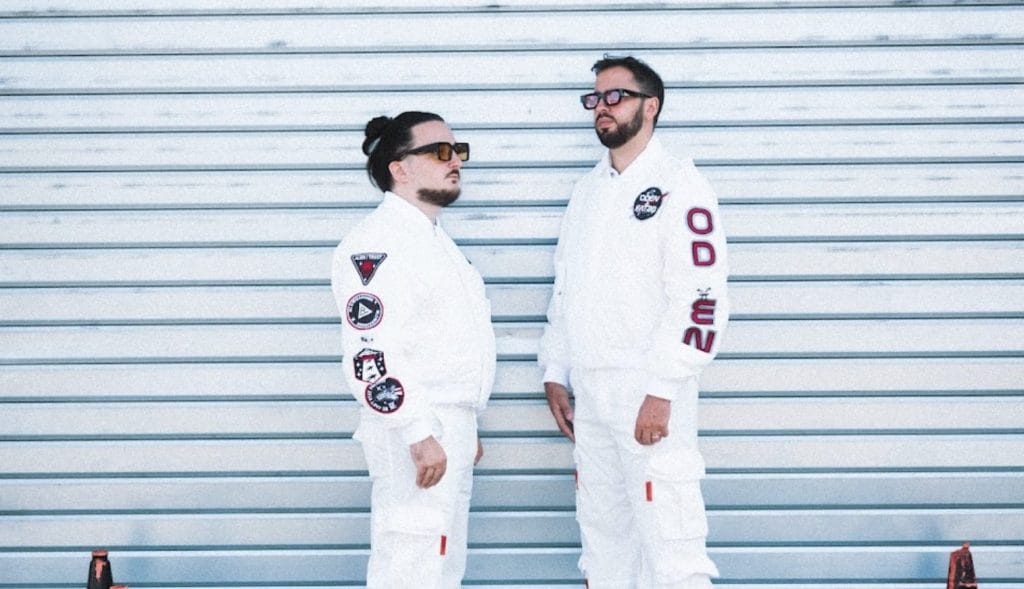
Oden & Fatzo (@oden.music + @fatzo_music) have built their identity on movement, tension, and a willingness to let different strains of house music sit in the same set without flattening them into one predictable lane. That approach has been central to their rise, and it continues to shape the way they think about live performance, where preparation and improvisation can shift depending on the room, the time of day, and the people in front of them. Because they perform live and lean heavily on their own catalog, their sets have never been boxed in by one fixed genre.
Instead, they treat style as a framework they can stretch, bend, and rework in service of story, pacing, and feeling. That same approach feeds into their current run, with new material arriving ahead of a debut album later in 2026.
Catch Them Live Tomorrow (APRIL 18th, 2026) Night In Brighton
That wider range shows up clearly in how they describe their process. They speak about pulling from minimal, house, hip-hop, pop, breakbeat, funk, live instrumentation, and vocal-led writing, then finding ways to make those pieces sit together through intention and timing. Their new single “My Temptations” with LA vocalist and songwriter Barney Bones reflects that outlook well, bringing together a French touch bass attitude, a looser rhythmic feel, and Barney’s half-rapped, half-sung delivery.
They are also clear about the risks of genre-free club culture when it loses intention, especially in an era where tracks can be reduced to one short, highly marketable moment. For them, the point is to keep contrast alive without losing shape, and to let different moods coexist without sanding down what gives each one its character.
What keeps it cohesive is their emphasis on intensity, transition, and surprise. They do not treat a set like a straight line. They talk about breaking up darker stretches with something emotional or pop-leaning, then pulling things back into rougher or more minimal territory when the flow needs it. That instinct has been with them since the start, from their early atonal minimal work through to the wider palette they use now, and it helps explain why their project still feels open-ended even as it has become more recognizable.
With the debut album on the horizon and more releases on the way, Oden & Fatzo continue to push their live and studio identity through contrast, curiosity, and a clear trust in where a set can go when they leave enough room for surprise.
Interview With Oden & Fatzo
Do you still think in terms of genre when you build a set or live mix?
We don’t really have one fixed way of building a live set. Sometimes it’s very prepared, sometimes it becomes more improvised, and it always depends on the room, the crowd, the time of day, and the energy in front of us.
Because we perform live and mostly play our own music, genre has always been more of a tool than a rule for us. When we used to DJ and wanted a certain kind of record in the set, the only option was often to go back to the studio and make our own version of that feeling, which taught us a lot and naturally pushed us to explore different corners of house music.
So yes, we think about context, some stages need more four-to-the-floor, some moments need more BPM, some need something rougher, but we don’t start with one fixed genre in mind. There’s a real beauty in contrast: a very pop-leaning song can work right next to something darker and more minimal if the transition tells a story. That element of surprise has been part of Oden & Fatzo since the beginning, and it’s also a big part of what shaped the new releases and the upcoming album.
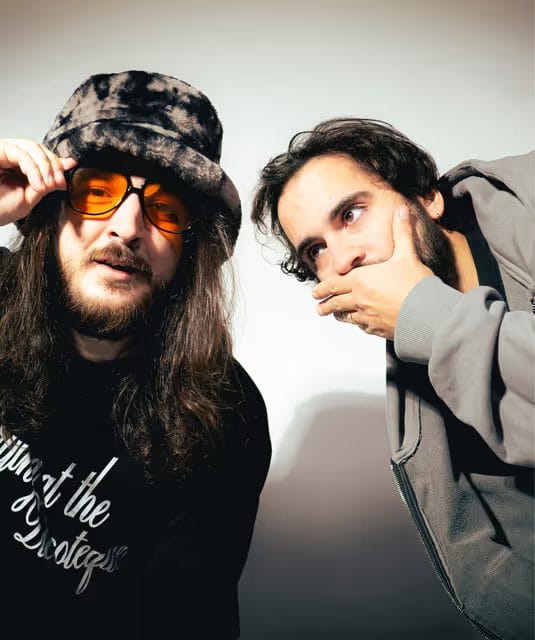
Have you noticed more DJs blending styles and moods in ways that didn’t feel possible ten years ago?
We have noticed it, but it’s hard to answer without sounding like the old guys complaining in the corner. When we started out in Paris around ten years ago, it felt like there was a real freedom in digging for strange, abstract records that didn’t necessarily tick any obvious boxes. Sometimes you would hear something and think, “What is this?” but if you stayed open, it could take the party somewhere completely unexpected.
Maybe playing bigger stages and festivals changes that a little, because there is often more pressure to keep the peak-time momentum going. But at the same time, there are still a lot of artists blending influences in exciting ways, hip-hop with minimal, trance with house, pop vocals with underground drums, and that’s something we’ve always loved.
For us, the studio is like a giant sandbox: what happens if we take this vocal feeling, this pad, this drum groove, this bass idea, and put them together? That’s definitely part of “My Temptations” with Barney Bones: the bass has a French touch attitude, the beat is more laid-back, and Barney brings this Californian half-rapped, half-sung energy into our world. That kind of collision is still one of the most exciting parts of making and playing music for us.

Is there a downside to post-genre clubbing, like a loss of specificity or identity in sound?
There can definitely be a downside if “post-genre” just becomes an excuse to lose intention. In techno, for example, people talk about the “TikTokisation” of music, tracks built almost entirely around the four seconds before the drop and the drop itself, with everything else treated as secondary. That very mercantile way of thinking about music doesn’t really attract us.
At the same time, sticking too strictly to one genre can also become dangerous, or at least boring. Maybe it’s because we both have restless minds, but we need to be surprised regularly to stay excited, and I think you can hear that in our music and in our sets. For us, identity is not about following one narrow roadmap, that’s actually quite a reductive view of what an artist can be.
The real challenge is making different worlds coexist without losing what makes each of them special. That’s difficult, but it’s also what makes it exciting. A good set should take you through different moments, not feel like a highway of drops and kicks.
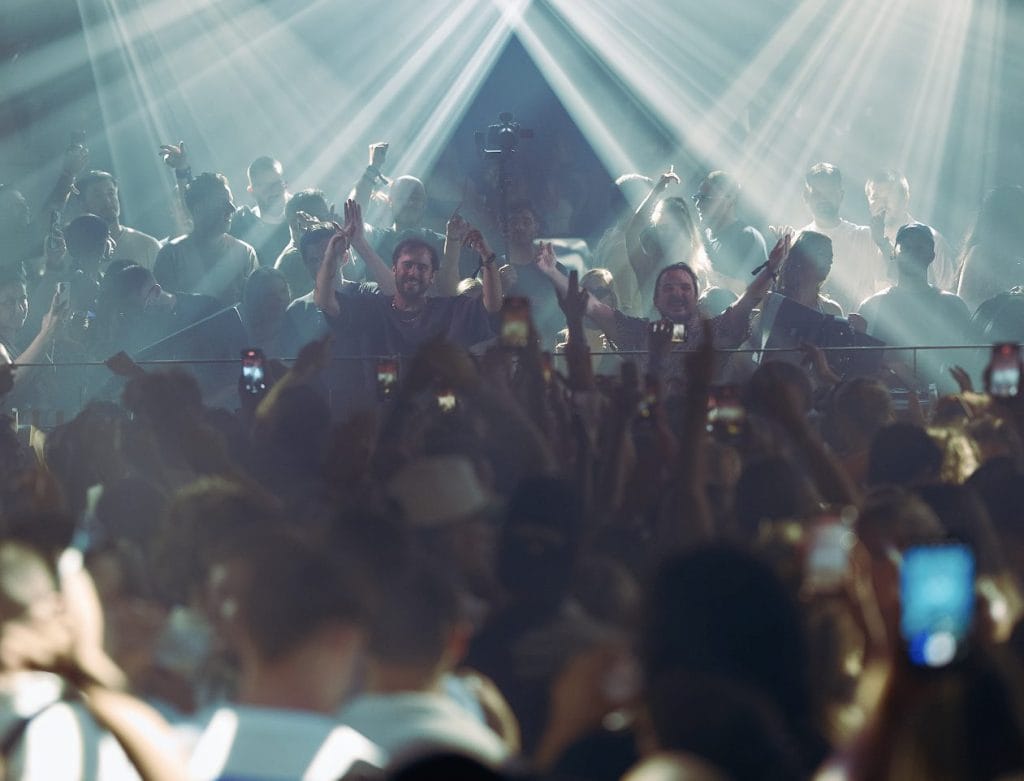
What’s one unexpected combination of styles that’s worked surprisingly well in your sets?
One combination that has worked really well for us is minimal house with hip-hop vocals, especially 90s rap. We come from a minimal background, swingy drums, micro-sampling, very short fragments, lots of tiny rhythmic details, and we’ve always loved that very percussive, almost jazz-like way of building tracks. It doesn’t always naturally invite big sung vocals, but rap flows can sit beautifully inside that kind of syncopated rhythm.
That’s something we started exploring on tracks like “La Vie Rêvée”, and it still feels very natural to us: hip-hop attitude with minimal or house foundations. Even “Lauren” had that unexpected contrast in a different way, a dreamy, almost pop emotion sitting on a very classic 909 house groove. That kind of collision is often where the most interesting things happen for us.
Do you think crowds care about genre anymore? Or are they responding to something else entirely?
It’s hard to talk about “the crowd” as one single thing, because it changes so much depending on age, city, country, scene, and even very local movements. On bigger mainstream stages, the audience is probably less interested in very niche details, so the energy sometimes needs to be more immediate and more readable. And of course, if people come to a specific event, there are certain expectations you have to respect.
But we also love festivals or alternative stages where anything can happen, and where people are open to being surprised. Personally, that’s what excites us: discovering new things, feeling like we’re close to the edge of what electronic music can be. That’s something we believe in and try to defend in our own music and live shows. And as long as it connects with people and allows us to keep creating, that’s already a beautiful thing.
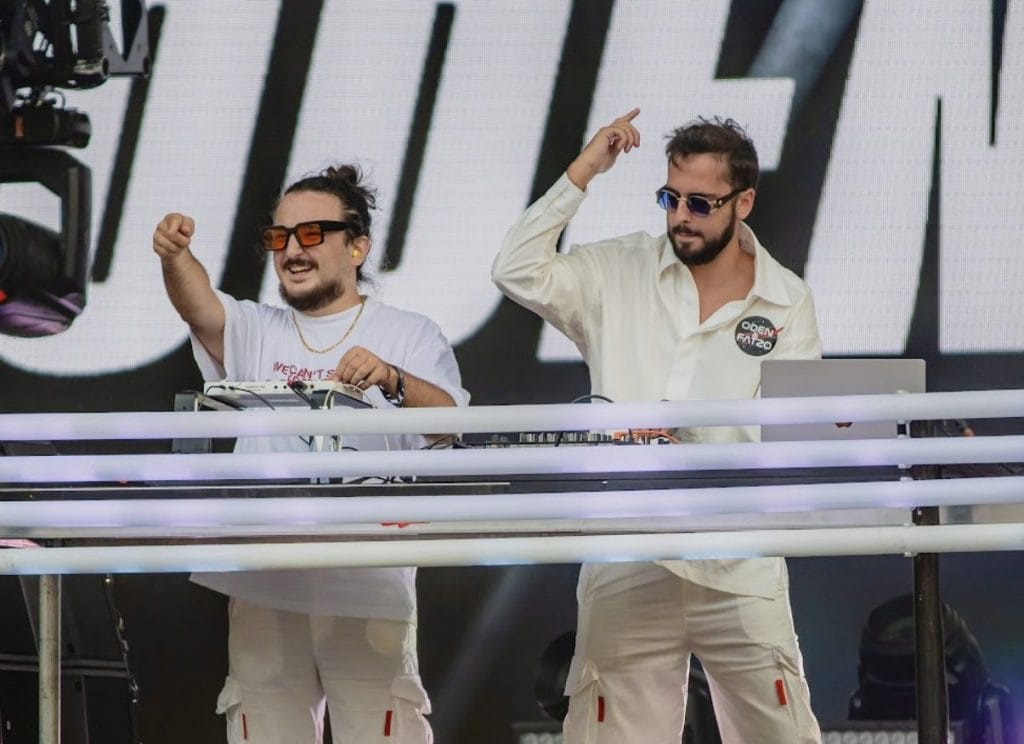
How do you make sure your sets still feel cohesive when you’re moving across sounds and eras?
There’s that famous idea that if you take music from 20 years ago and make it feel current, that’s often what people want to hear. We don’t know if it’s always true, but it says something interesting about how eras keep coming back and blending into each other. A lot of artists naturally draw from the music that shaped them when they were younger, and then reprocess it through the tools, taste, and energy of today.
For us, cohesion doesn’t mean everything has to sound the same. An Oden & Fatzo set is more like a trip through the different experiments and strange ideas we’ve been working on, especially with the new releases and the album. The important thing is the intensity curve: when to go harder, when to relax, when to create contrast, and when to surprise people.
If we play too many darker tracks in a row, we might need to break it with something more pop or emotional. If it gets too obvious or too clean, we might go back into something more minimal or raw. We get bored quite quickly when everything tells the same story, so we like to break the pattern, but in a way that still feels musical and intentional.
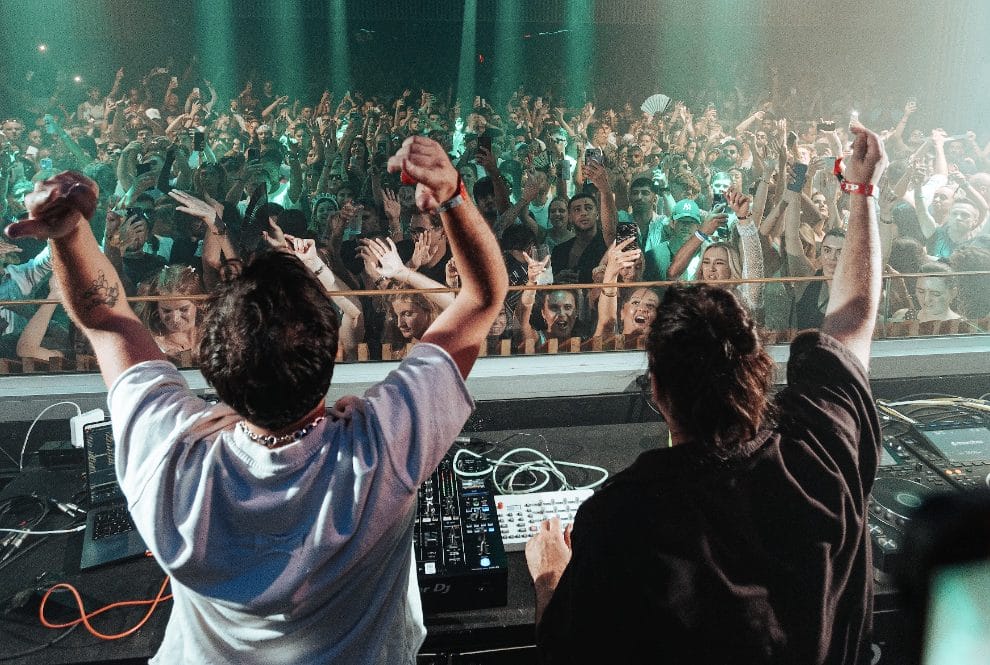
What’s a genre you never thought you’d create in, but now it feels at home in your rotation?
We started by making very atonal minimal music, which not many people know, maybe that’s a little exclusive for this interview. At the beginning, we didn’t really want vocals, and we were almost trying to escape traditional harmony. Then step by step, we wanted to escape four-to-the-floor as well, so we made breakbeat, then more harmonic tracks, then vocoders, then vocals, then funk, then live instruments, then rap influences.
So the honest answer is: almost every genre we touch ends up feeling at home after a while. We never really know what we’re going to create next, and we try not to put limits on that. It probably makes Oden & Fatzo a slightly more unusual, layered, and sometimes harder-to-define project at first, but when people connect with it and understand where we’re trying to go, it’s beautiful. Those are the moments we live for, and we’re very happy there are people willing to follow us there.

Will Vance is a professional music producer who has been involved in the industry for the better part of a decade and has been the managing editor at Magnetic Magazine since mid-2022. In that time period, he has published thousands of articles on music production, industry think pieces and educational articles about the music industry. Over the last decade as a professional music producer, Will Vance has also ran multiple successful and highly respected record labels in the industry, including Where The Heart Is Records as well as having launched a new label with a focus on community through Magnetic Magazine. When not running these labels or producing his own music, Vance is likely writing for other top industry sites like Waves or the Hyperbits Masterclass or working on his upcoming book on mindfulness in music production. On the rare chance he's not thinking about music production, he's probably running a game of Dungeons and Dragons with his friends which he has been the dungeon master for for many years.