Table of Contents
When any producer looks up the best vocal enhancers, they are usually trying to solve a handful of common problems at once. They want less noise, less harshness, better control over pitch, cleaner layers, and a vocal that fits the mix without hours of repair work. And yet vocals are one of the most nuanced “instruments” you can be dealing with in a track, and even if you’re dragging in Splice loops and other pre-processed ad-libs, chants, and vocalizations, you’re still likely going to run into a number of problems.
Those problems are multiplied tenfold, though, when you get into the world of recording your own vocals or the original vocals of another, and yet, especially in the age of AI, original vocals and quality original recordings can be the difference between an unsigned demo and a chart-topping hit.
That is where the category gets crowded fast, because some plugins focus on cleanup, others on tuning, and others on tone, alignment, or level control. I wanted this list to stay practical, so instead of repeating the same recommendation seven times with slightly different branding, I focused on tools that each solve a different part of the vocal chain. Some are better for noisy recordings, some are better for pitch work, and some are better for getting stacked vocals to lock together.
That distinction is what actually helps producers choose the right tool and if you are searching for the best vocal enhancers to clean up your mixes, make your vocals more interesting, and stand out from the crowd, this is exactly what we’ll be covering in this article.
You do not need seven plugins that all claim to do everything (in fact, that’s impossible; in all my fifteen years producing, I’ve never found a true Swiss Army Knife in plugin form). You need to know which one fits the problem at hand, and that’s exactly what we’ll be covering in detail here – at least one specifically handling vocal enhancing!
LANDR ReHance

LANDR ReHance is the cleanup-first entry on this list, and it is built for the moments when a vocal has the right performance but too much junk around it.
It uses an AI restoration engine to separate the part you want to keep from background hum, room reverb, room echo, technical artifacts, and bleed from other sources, but not in a cheesy way. Most companies in the game right now are using that “AI” buzzword. One of the better things about it is that it targets several common vocal problems inside one window, so you are not bouncing between separate tools for clicks, pops, plosives, and general noise reduction.
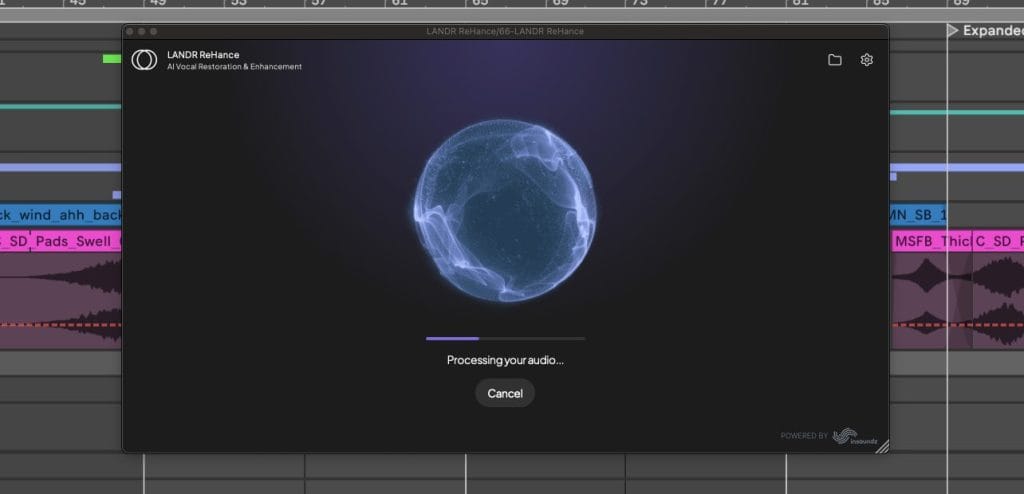
This plugin also gives you Low, Medium, and High intensity settings, which help when you need anything from light touch-up to heavier restoration on a rougher take.

I would put this near the front of the chain when a vocal was recorded in a usable but far-from-ideal room, especially if fans, reflections, or bleed are making the take harder to mix because you then have teh freedom to process the affected vocal stack to heart’s content knowing that the source sound is as perfect as it can be. It also runs as a non-destructive insert in VST3, so it fits easily into a normal DAW workflow without exporting audio out of the session, which helps a TON with workflow.
This is a good fit for producers who record at home, cut vocals quickly, or need a faster path to a cleaner starting point before EQ, compression, tuning, and space processing.
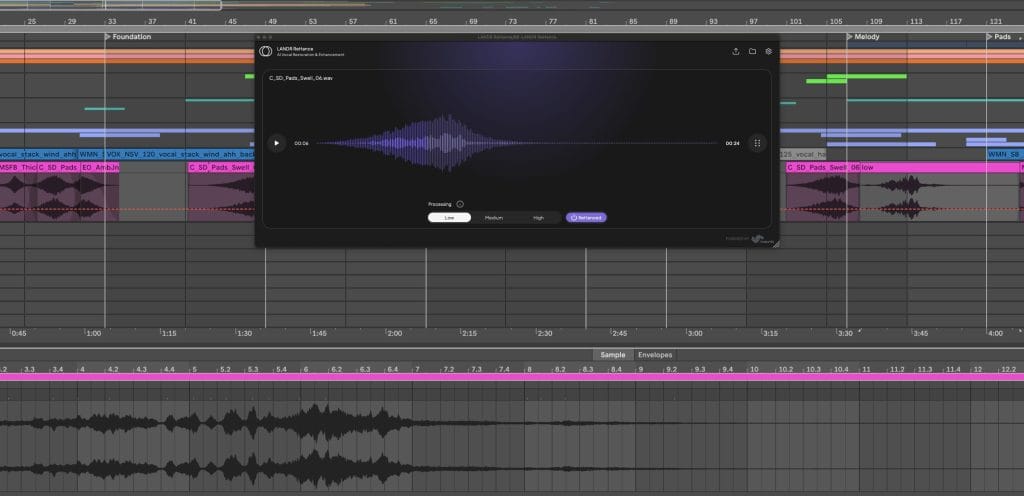
LANDR proudly boasts that the plugin is powered by InSoundz AI and designed for low-latency, high-track-count use, which I’ve found to be the case and gives it a solid reason for busy sessions rather than reading like a one-trick repair tool. It walks the walk and talks the talk!
iZotope Nectar 4 Standard
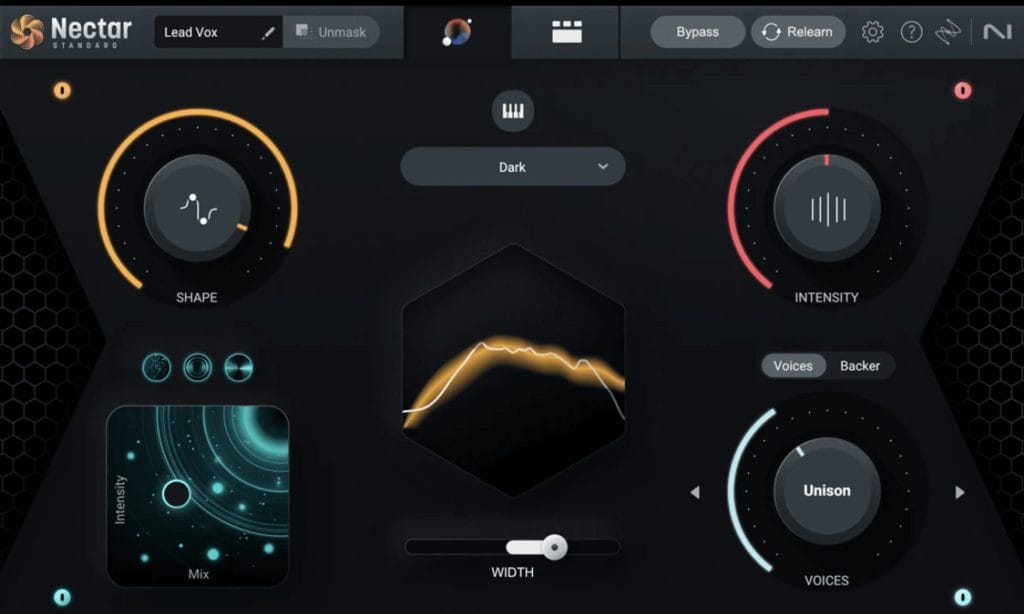
Nectar 4 Standard is the all-in-one pick here because it covers core vocal mixing tasks inside one suite instead of pushing you into five separate plugins. It aims to be an all-around Vocal Assistant, Auto-Level, pitch correction, de-essing, vocal layering through Voices, and background-vocal generation through Backer.
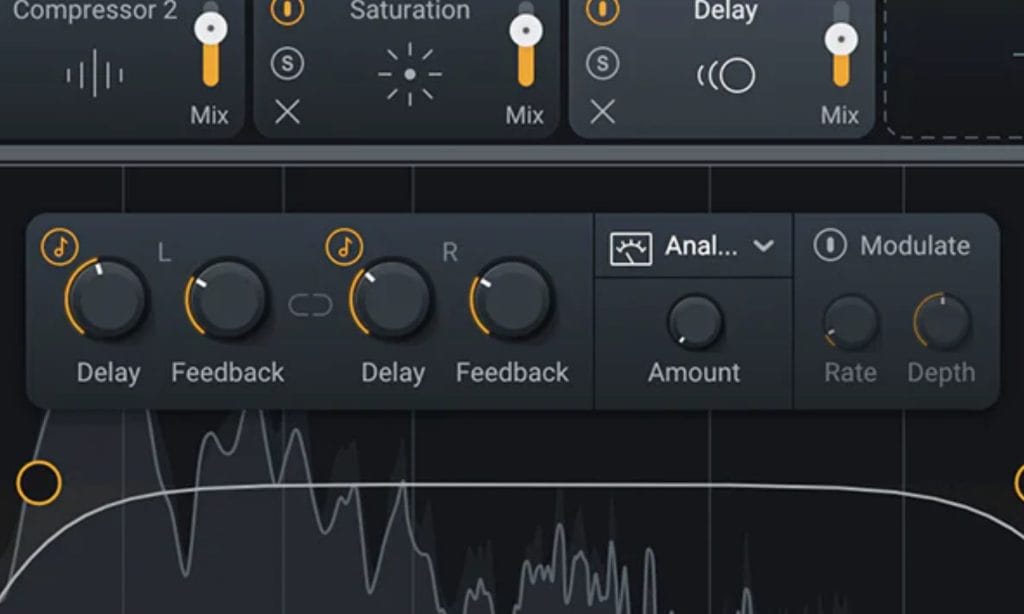
That makes it useful when the vocal needs broad help with tone, level, space, and arrangement rather than a single surgical fix. I like it for sessions where the vocal recording is workable, but the mix still feels unfinished and under-managed. It also gives you a fast route into a starting chain when you do not want to build every move from scratch.
Producers who write, record, and mix their own vocals in the same session will get a lot out of this workflow.
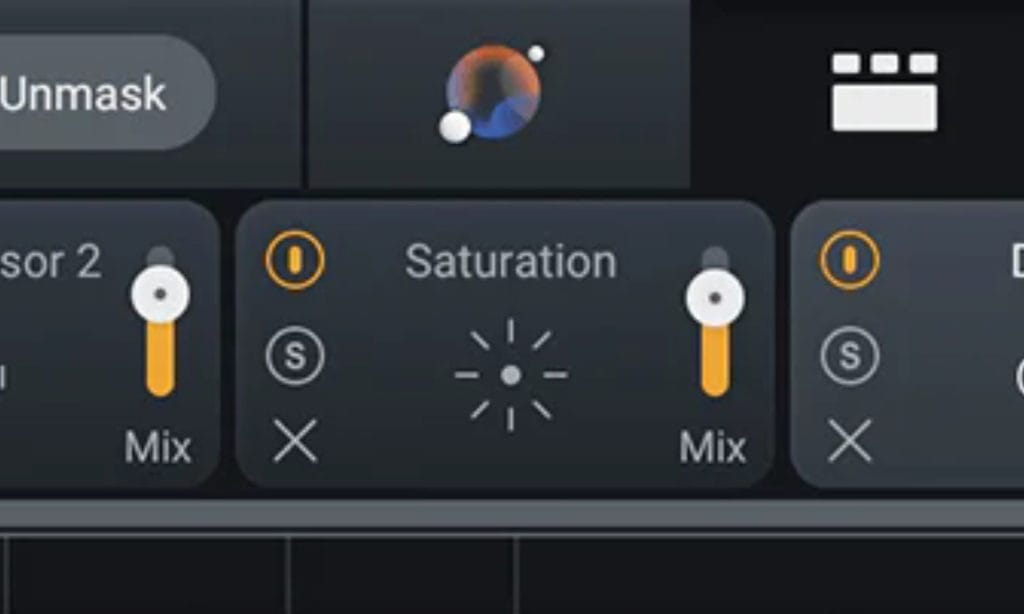
Nectar 4 is less about a single miracle process and more about covering the full vocal lane from cleanup to production polish almost like having an assembly line for vocal processing all in one place instead of having to reach for 5+ plugins to accomplish a single goal.
Synchro Arts VocAlign 6 Pro
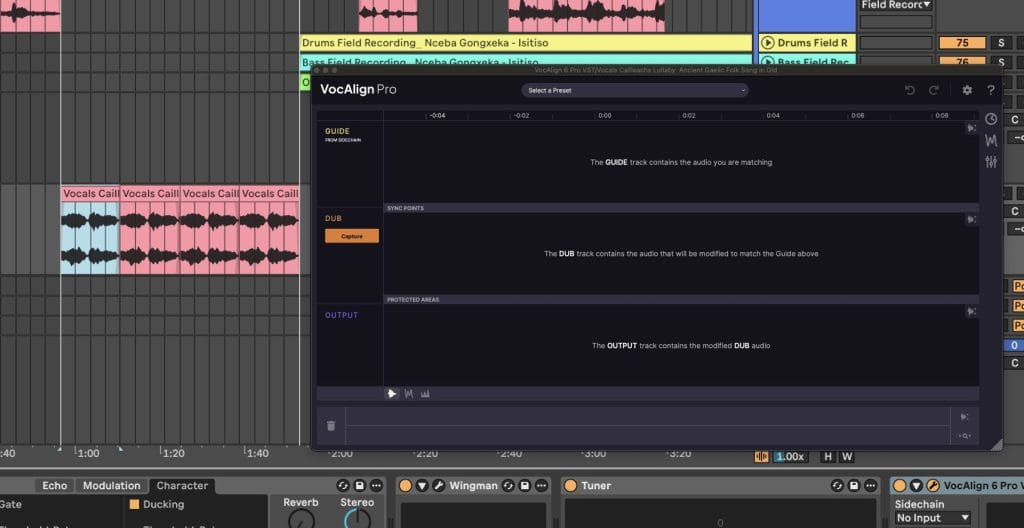
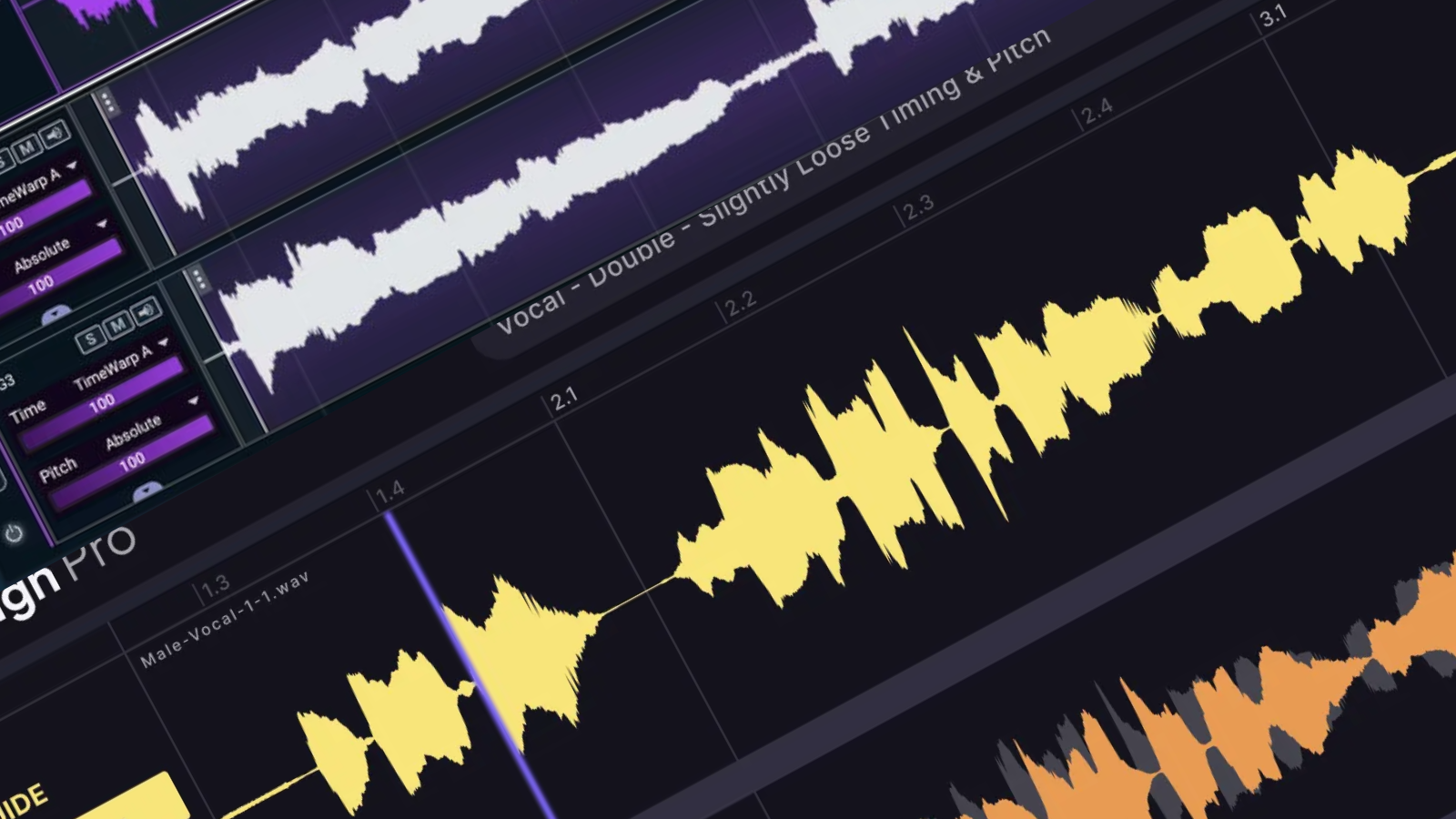
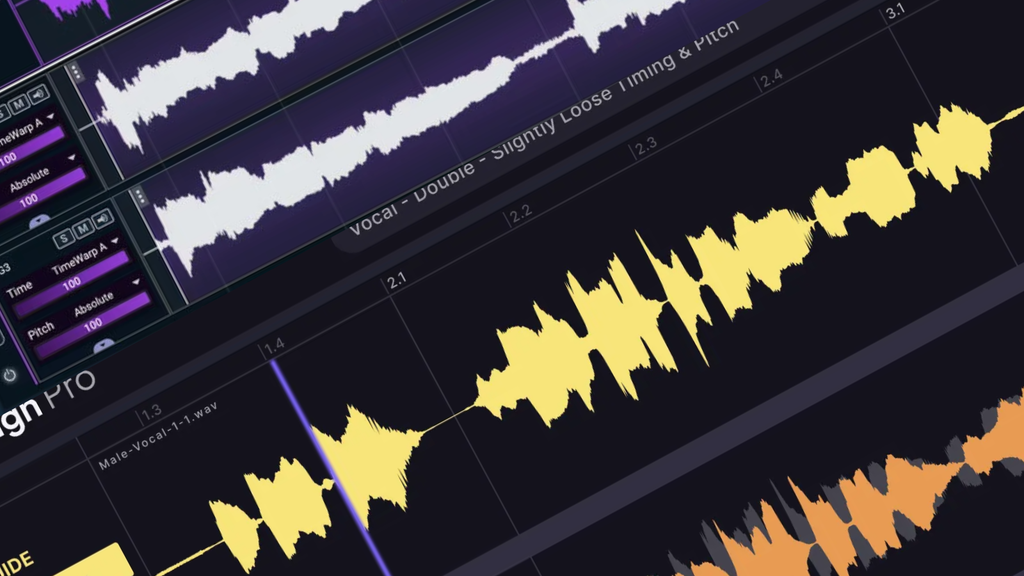
VocAlign 6 Pro addresses a problem that many newer producers underestimate: the timing and pitch relationships among doubles, harmonies, and stacked vocals, which was one of the most aggravating things about vocal timings and is something that makes this a great plugin to have, both for timing your own recordings and also just getting vocal samples from Splice better in time without having to manually adjust warp markers.
Personal anecdote, but I spent a legitimate week getting the vocals warped correctly on the record below, and they still didn’t come out perfect by a long shot, and if I had had this plugin back in 2020, I would have been a far happier producer, I’m sure.
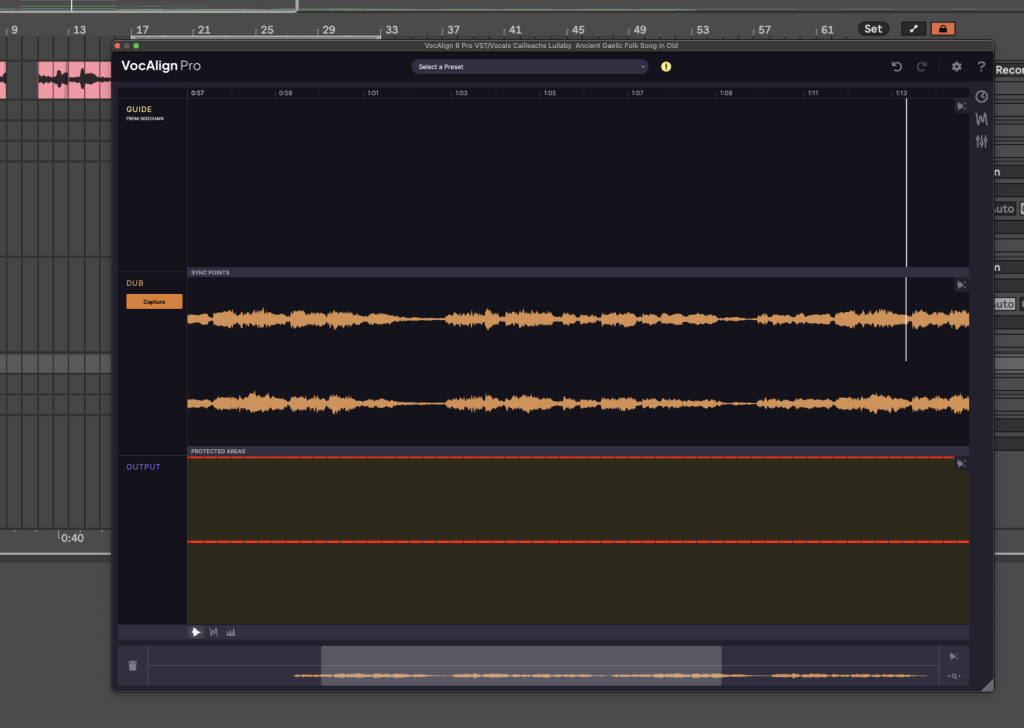
Synchro Arts says VocAlign 6 Pro can automatically match the timing and pitch of one audio signal to another, and the current release adds SmartPitch and Process, Groups. In real work, that means less time zooming in on consonants, syllable starts, and phrase tails, trying to get the layers to lock together. I would not call it a vocal cleaner in the noise-reduction sense, though it absolutely cleans up the arrangement and presentation of a vocal stack. If your chorus sounds blurry, messy, or amateur even after good tuning, misalignment is often the real culprit.
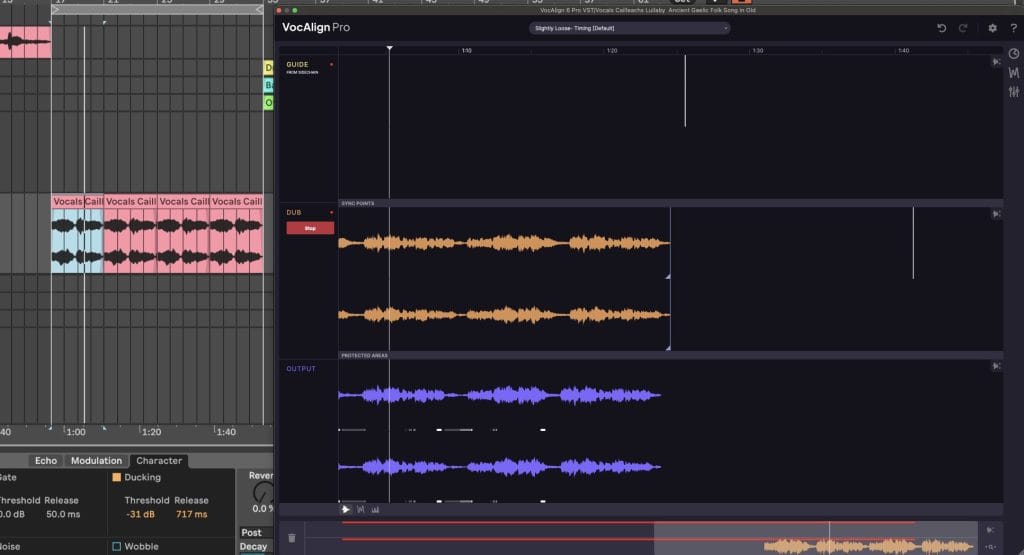
This suits producers making pop, EDM, R&B, or any style built around layered hooks and polished backing parts. It also helps engineers who receive vocal sessions from multiple collaborators and need them fast.
Sonnox Oxford SuprEsser
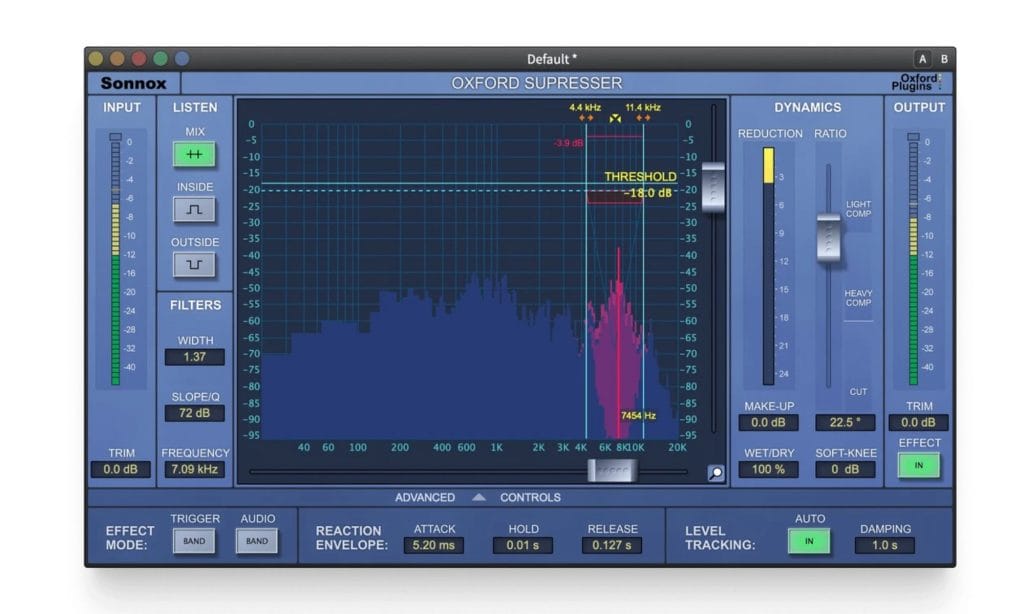
Oxford SuprEsser is here for one reason: sibilance.
A bad vocal can survive a lot, but harsh S, T, and F sounds can turn a decent mix into something tiring fast, especially after limiting and top-end lift. Sonnox describes SuprEsser with side-chain EQ, listen mode, and adjustable attack and release controls, and Plugin Boutique places it in the de-esser category.
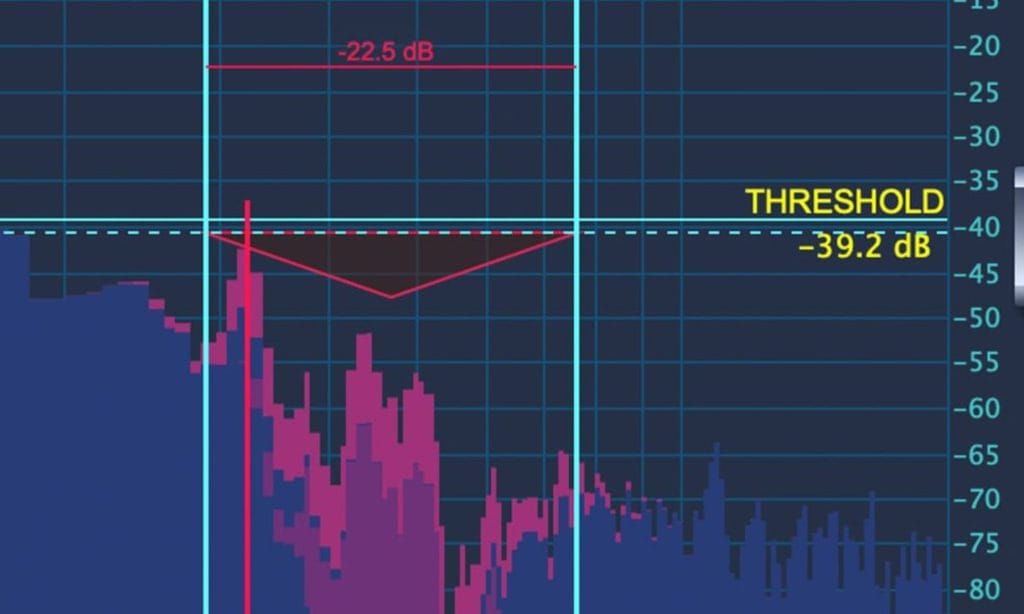
That set of controls matters because de-essing is easy to overdo when you cannot clearly hear what the processor is reacting to. I like tools like this when the vocal already has the right brightness and presence, but the consonants jump forward, which distracts from the lyric.
It suits mix engineers who want precision instead of a broad, one-knob de-esser approach.
Antares AutoTune 2026
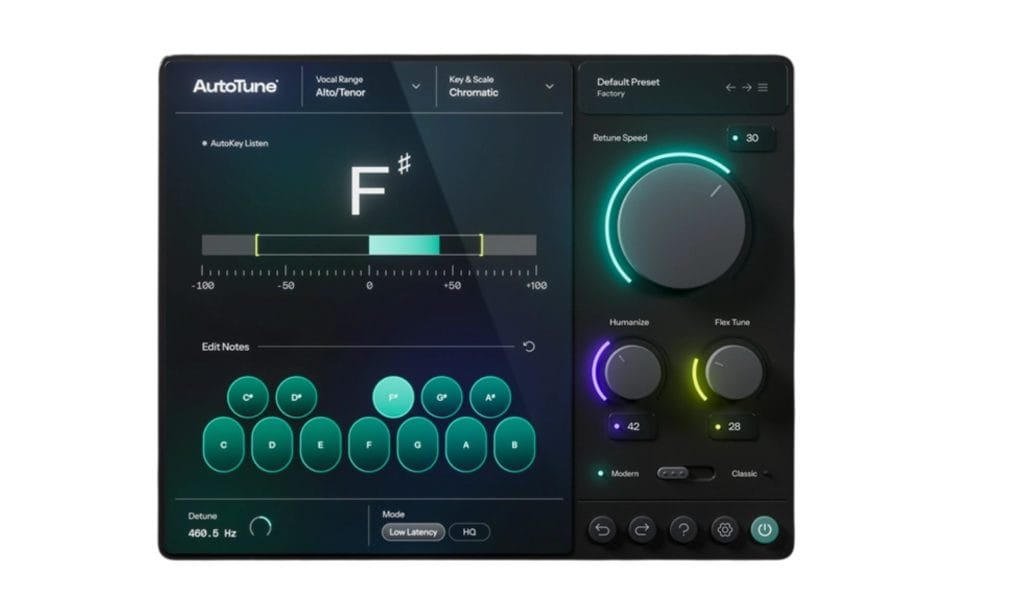
AutoTune 2026 is the pick here for producers who want fast vocal tuning with a workflow that already feels familiar inside modern sessions. I think its value starts with speed, because it lets you move from subtle pitch correction to a more obvious tuned sound without breaking momentum or turning the process into a long editing job.
That makes it useful for lead vocals that need polish, hooks that need to lock in quickly, and demo recordings that have to come together on a deadline. I also like it for tracking, because low-latency performance changes how usable a tuner feels when a singer is actually trying to perform through it in real time.
In practice, this is the tool I would reach for when the goal is a clean, contemporary vocal sound and I want to get there fast. It fits pop, rap, dance music, and melodic electronic production especially well, since those styles often ask for tuning that is controlled, intentional, and easy to dial in.
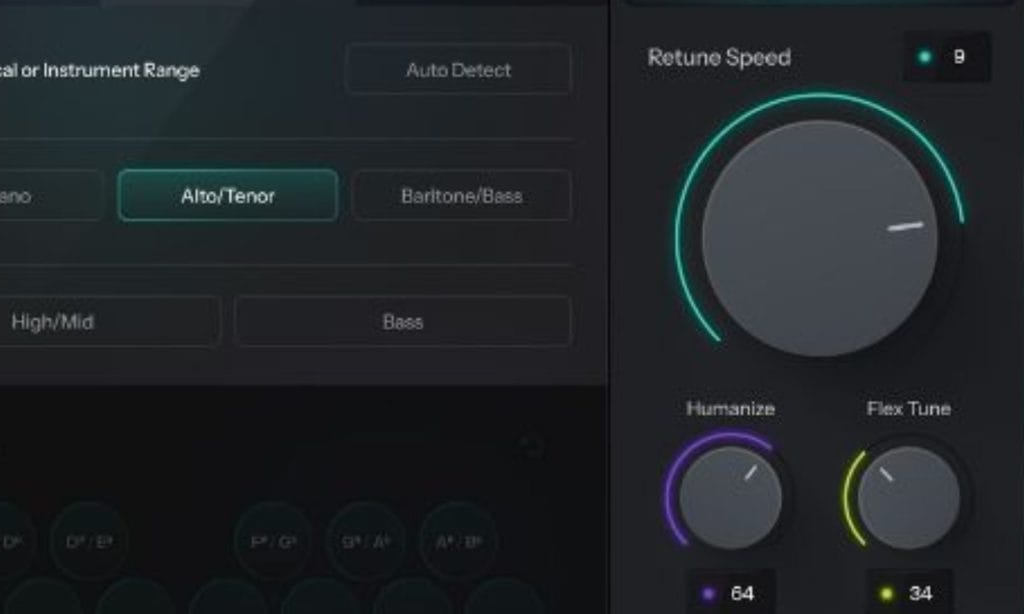
Producers recording themselves will probably get a lot out of it, since it shortens the distance between a rough take and something mix-ready. In this list, AutoTune 2026 is the recommendation for anyone who wants efficient pitch correction, a proven workflow, and enough range to go from natural cleanup to a clearly modern vocal sound.
Waves Clarity Vx
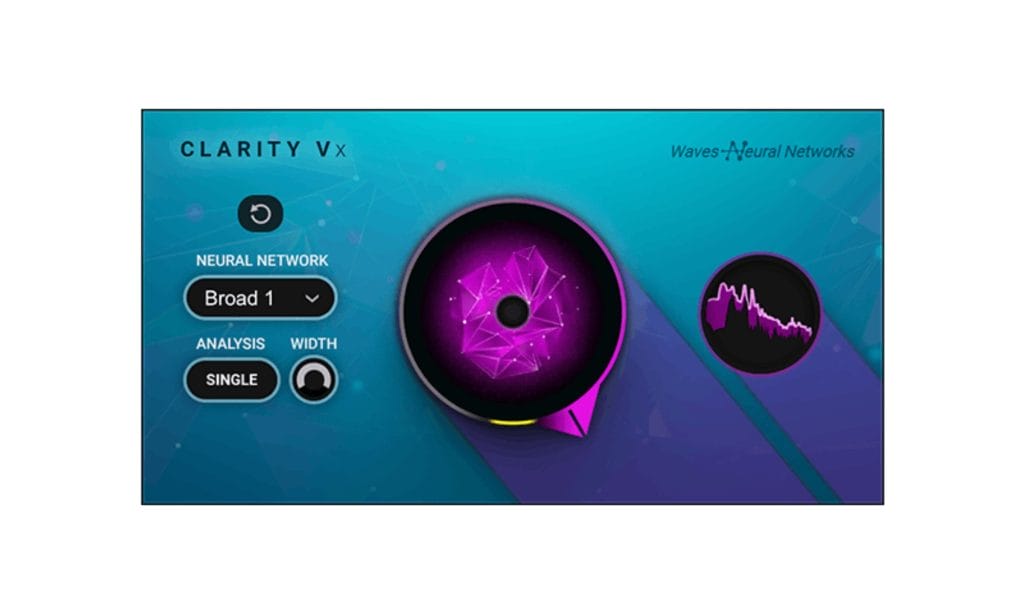
Clarity Vx is the tool I would reach for when the vocal problem arises before mixing, because background noise can ruin every move that follows. Waves describes it as real-time AI voice noise reduction, built to quickly isolate vocals from ambient noise.
That makes it a clean match for bedroom takes, untreated rooms, fan noise, computer hum, and rough vocal drafts that still deserve a shot. It is not trying to be your whole vocal chain, and that focus is exactly why it earns a place here. If your recording already has the right emotion and tone, Clarity Vx can help preserve the take rather than send you back to re-record.
This suits producers, podcasters, and writers who record in spaces that are good enough to work in, though not fully controlled. In a vocal-cleaner roundup, this is one of the clearest examples of a plugin doing one high-value job at speed.
Which one should you start with?
At the end of the day, the best vocal enhancer is the one that solves the actual problem in front of you instead of adding another layer of processing for no reason. If your room is the issue, start there. If tuning is off, fix that. If your doubles are drifting, tighten them up before you pile on EQ and compression, hoping the mix somehow pulls itself together. I have found that vocals usually come together faster when you stop looking for one plugin to handle everything and start building a chain around the weak point in the recording.
That is really the thread running through all of these tools.
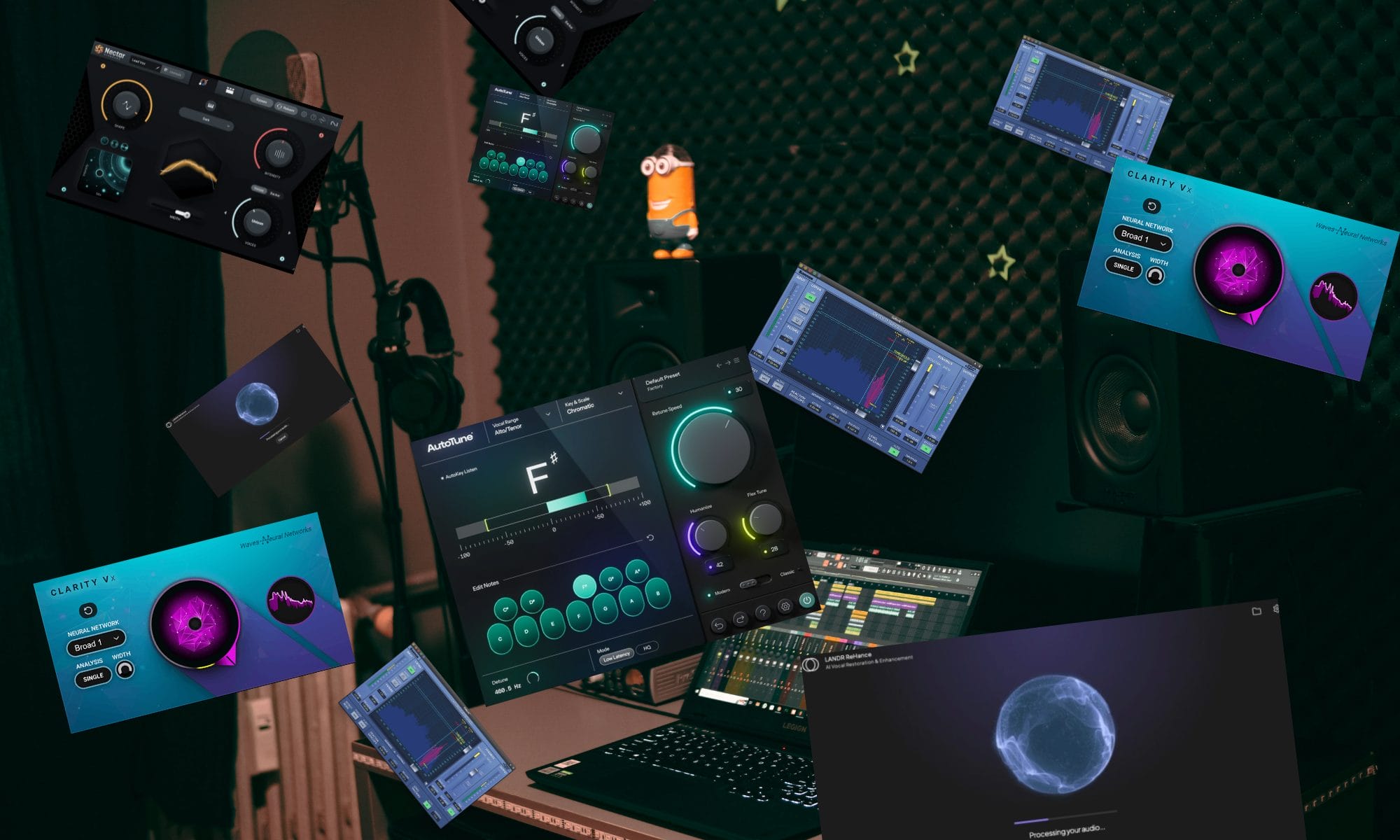
ReHance can clean up a messy take, Nectar can cover a lot of ground in one place, VocAlign and RePitch can get your vocal editing under control, SuprEsser can deal with harsh consonants, AutoTune can move fast, and Clarity Vx can rescue recordings that still have something worth keeping. None of that replaces a good performance, a decent recording setup, or careful decisions in the mix, though it can save you time and get you to a cleaner result with a lot less friction!
Use the tool that fits the job, keep your processing intentional, and your vocals will usually end up sounding more finished, more professional, and much easier to place on the record.
FAQ On The Best Vocal Enhancers for Home Studios
How do you get studio-quality vocals at home?
You start with the recording, because no plugin can fully fix a bad take captured in a bad room. I always look at mic position, room reflections, input gain, and vocal performance before I start thinking about polish, because those decisions shape the result more than people want to admit.
A simple setup with acoustic treatment, controlled monitoring, and a clean signal path will usually do far more for your vocals than piling on processing later. After that, I focus on cleanup, tuning, compression, de-essing, and EQ in a measured way so the vocal stays natural and sits where it needs to in the mix.
What is the best vocal enhancer?
The most effective vocal enhancer depends on the actual problem in front of you, because vocal tools do very different jobs. If the issue is noise or room mess, I would reach for something focused on restoration first, and if the issue is pitch, balance, or harshness, I would choose a tool built for that lane instead.
That is why I do not treat vocal enhancers as one-size-fits-all solutions: a plugin that fixes sibilance is doing a very different job from one that aligns doubles or corrects tuning.
The right call usually comes from identifying the weakest part of the vocal chain first, then picking the plugin that solves that problem cleanly.
Is TC Helicon worth it?
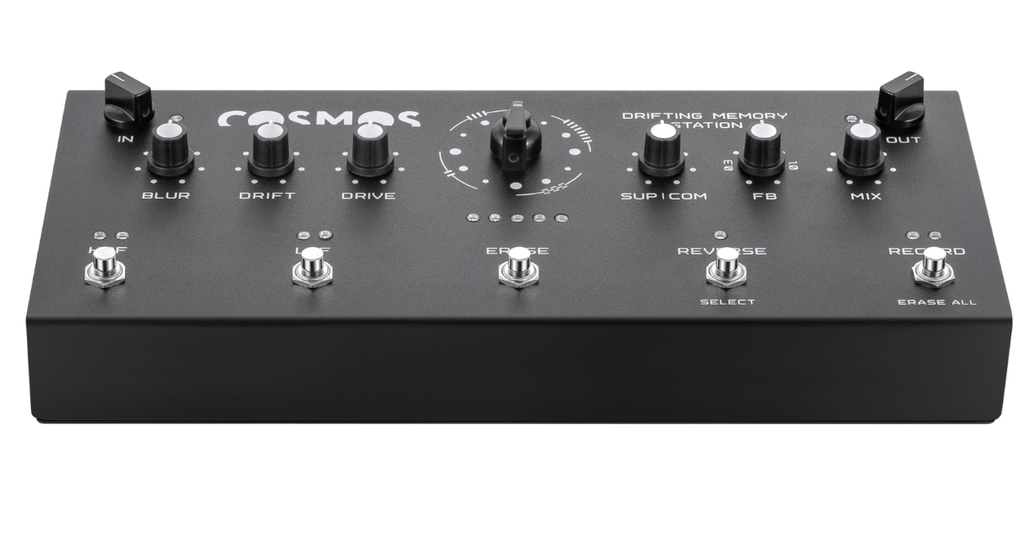
TC Helicon can be worth it if you are a singer, streamer, or live performer who needs vocal processing in real time and wants a practical hardware workflow. I would look at it less like a universal answer and more like a tool built for specific users who value fast access to vocal effects, tuning, harmonies, and performance control without living inside a DAW.
If most of your work happens in the studio and you already have a solid plugin chain, the value changes, because software may give you more detailed control for less money. If you perform live, rehearse often, or want a streamlined vocal rig that handles multiple tasks in one place, then the case for it gets much stronger, but if you’re just producing music in your home studio, it’s probably unnecessary!
What do singers use to enhance their voice?
Singers usually rely on a combination of technique, recording quality, and processing rather than one magic device. In practical terms, that means a decent microphone, a controlled room, good monitoring, and then tools like EQ, compression, de-essing, pitch correction, reverb, delay, and vocal cleanup plugins.
Some singers also use harmonizers, saturation, or doubling effects when the production calls for a larger or more polished vocal sound. I think the important point here is that the voice is usually being supported and shaped, not replaced, and the most convincing results still start with a solid performance.
How do you make your voice sound like studio quality?
You make your voice sound studio-quality by controlling the full chain from source to mix, and it’s one of the most difficult layers in a track to get right. I would start by reducing room reflections, setting the mic at a good distance, tracking at healthy levels, and giving the singer a monitoring setup that helps them perform with confidence.
Then I clean the recording, level it properly, control harsh consonants, shape the tone with EQ, and use compression to keep the vocal consistent without flattening it. Once those fundamentals are in place, small choices like tasteful ambience, subtle tuning, and good automation are usually what push the vocal from decent to release-ready.

Will Vance is a professional music producer who has been involved in the industry for the better part of a decade and has been the managing editor at Magnetic Magazine since mid-2022. In that time period, he has published thousands of articles on music production, industry think pieces and educational articles about the music industry. Over the last decade as a professional music producer, Will Vance has also ran multiple successful and highly respected record labels in the industry, including Where The Heart Is Records as well as having launched a new label with a focus on community through Magnetic Magazine. When not running these labels or producing his own music, Vance is likely writing for other top industry sites like Waves or the Hyperbits Masterclass or working on his upcoming book on mindfulness in music production. On the rare chance he's not thinking about music production, he's probably running a game of Dungeons and Dragons with his friends which he has been the dungeon master for for many years.