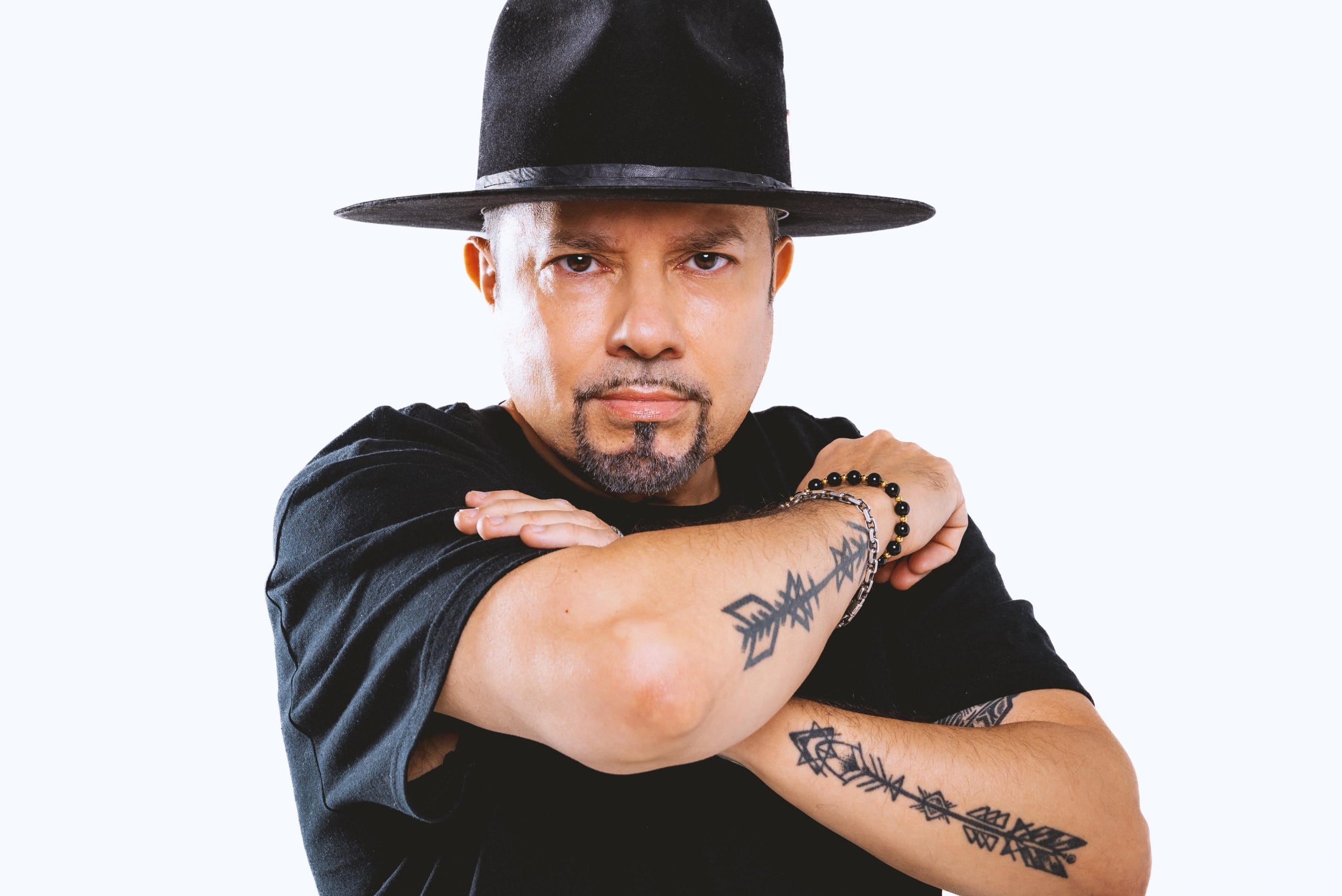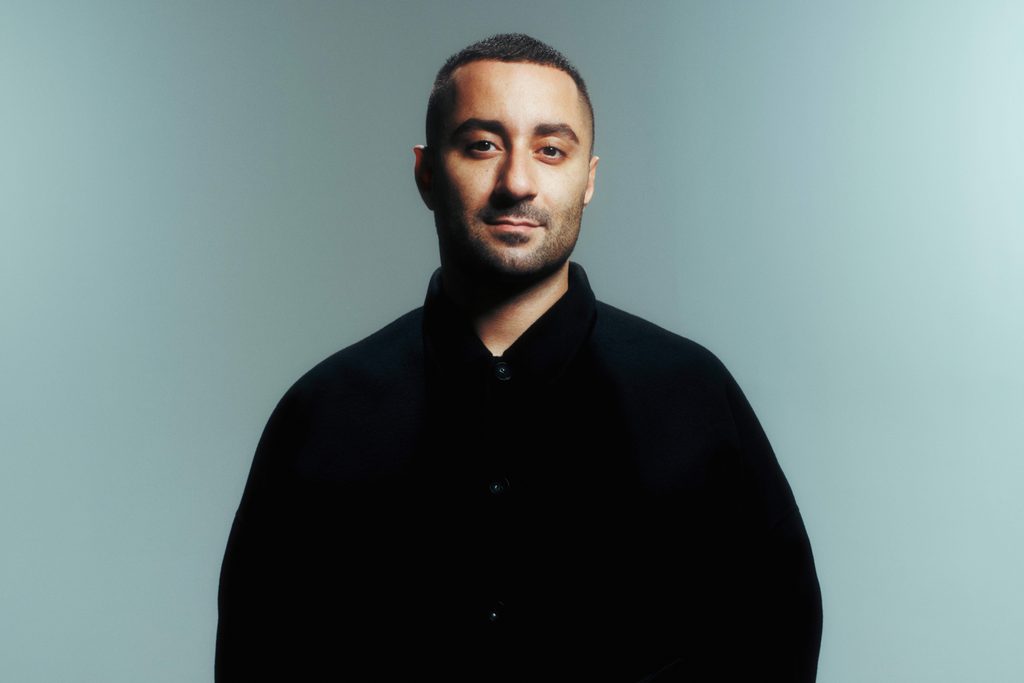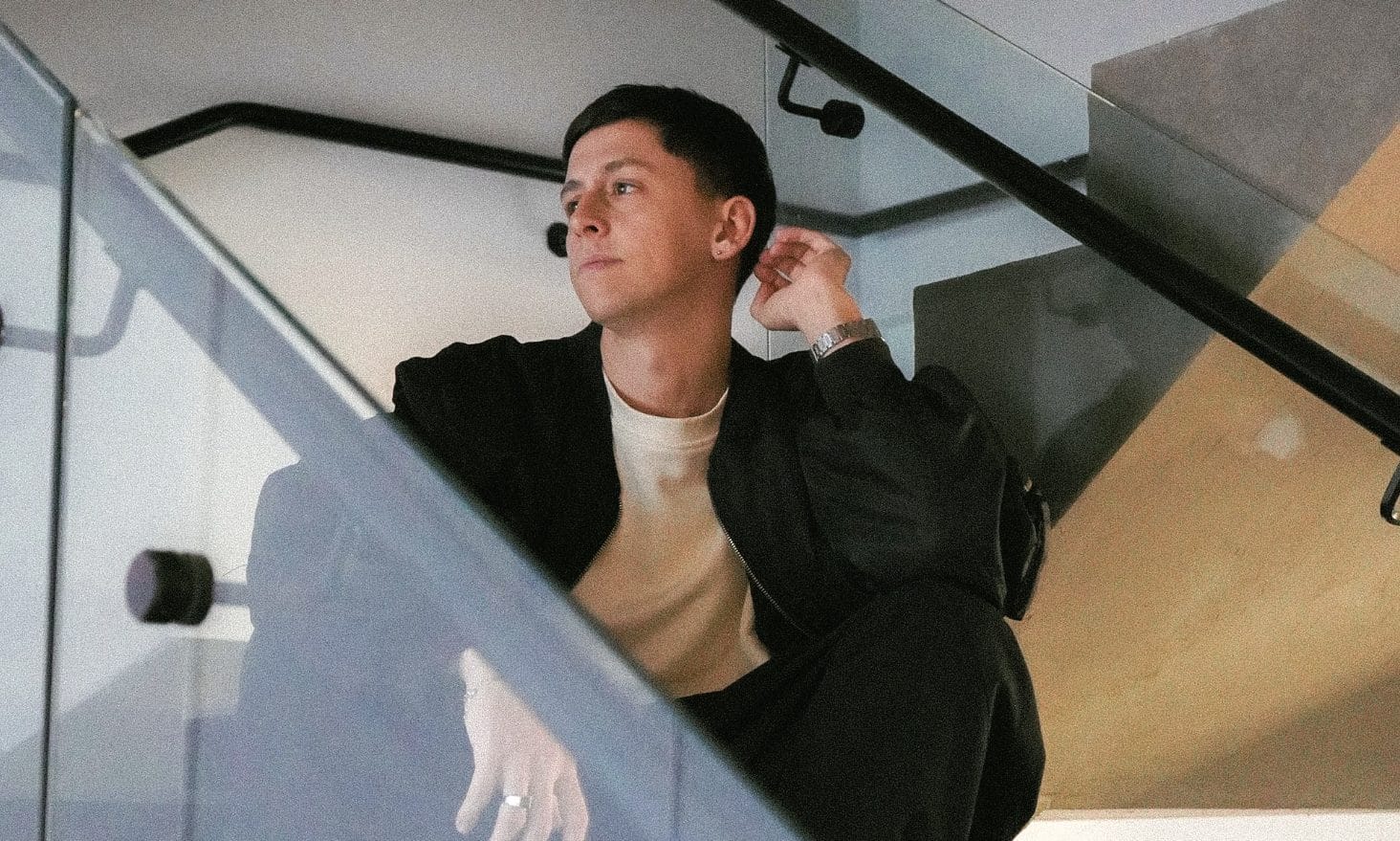
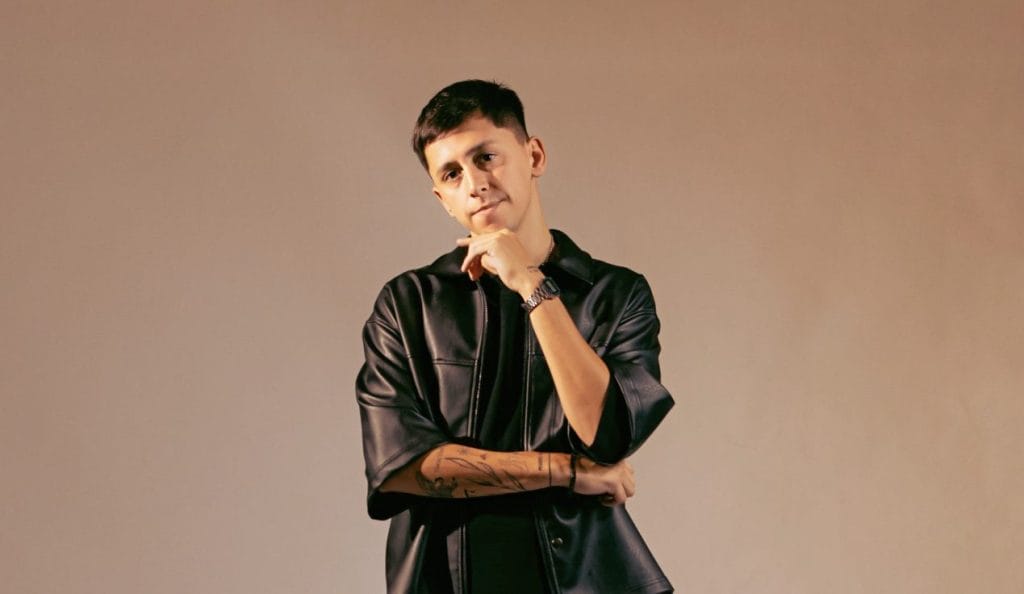
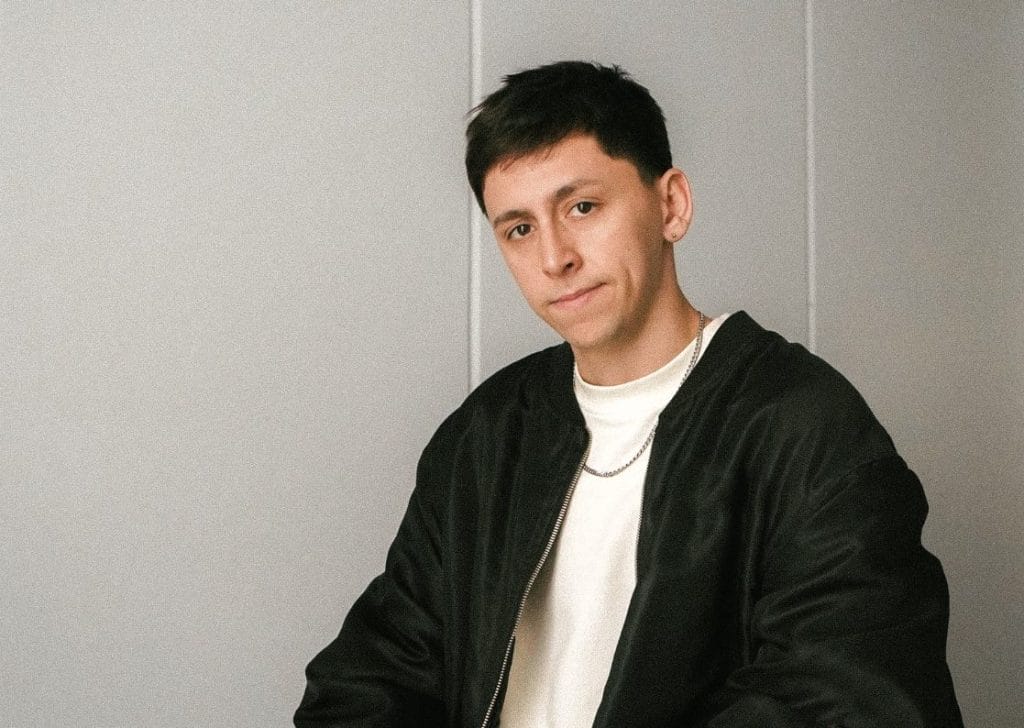
Nacho Scoppa’s (@nachoscoppa) Finger On The Trigger EP arrives on Sound D’Elite with two tracks that are built for direct club use. The Rosario-born producer keeps the focus tight here, with the title cut pushing a heavy bassline and vocal hook, while “Drip” leans into percussion, low-end control, and a steady sense of motion. It is a concise release, and that format suits the material.
Around that release, this conversation moves toward a subject that says a lot about how a DJ thinks in real time. Instead of asking broad career questions, the focus here stays on older records, set construction, crowd memory, and the decisions that happen in the middle of a room when timing is everything. That angle opens up a clearer look at how Scoppa approaches selection beyond the studio.
What comes through in his answers is a practical view of dancefloor control. He talks about placement, energy, and context with the kind of clarity that comes from experience, and he never treats older tracks like museum pieces. In his view, a record earns its place by what it does in the room, and that standard applies no matter when it came out.
Interview With Nacho Scoppa

When you play older tracks, are you thinking more about emotional weight—or musical fit in the moment?
It’s a bit of both, but in the end the musical fit usually comes first.
When you’re in the middle of a set, the energy and the flow are everything. That said, older tracks often carry a certain emotional weight for me and for the crowd as well. When the moment feels right, that emotional layer can make the track hit even harder.
Do you ever worry about leaning too much into nostalgia when you bring back older material?
Not really. I think nostalgia only becomes a problem if you rely on it too much.
For me, older tracks are just another tool in the palette. If they still work on the dancefloor and feel honest in the context of the set, then they deserve a place there.
How do you frame or recontextualize older music to make it feel relevant, not retro?
A lot of it comes down to context.
The tracks you play before and after can completely change how an older piece of music is perceived. Sometimes pairing a classic with newer sounds can give it a fresh perspective and make people hear it in a different way.
Have you ever had a moment where an old track completely changed the energy of a set in a way new stuff couldn’t?
Definitely. Some older tracks carry a kind of collective memory on the dancefloor. When the crowd recognizes it—or even just feels that familiar energy—it can create a really powerful shift in the room that’s hard to replicate with brand-new music.
What’s the difference between playing a classic and honoring a classic, in your view?
For me, honoring a classic means choosing the right moment for it.
It’s not just about playing the track because it’s famous, but about respecting its impact and giving it the space in the set where it can really shine.
Are there older tracks that still challenge you or reveal something new every time you play them?
Absolutely.
Some tracks are so well produced that you keep discovering new details over time. Sometimes it’s a small sound, a groove, or the way it interacts with the crowd that reveals something new each time.
How do you know when something from the past still has a place in your present?
If it still moves people on the dancefloor, it still has a place. Music doesn’t really have an expiration date. Sometimes a track from years ago can feel more current than something that was released last month.

Will Vance is a professional music producer who has been involved in the industry for the better part of a decade and has been the managing editor at Magnetic Magazine since mid-2022. In that time period, he has published thousands of articles on music production, industry think pieces and educational articles about the music industry. Over the last decade as a professional music producer, Will Vance has also ran multiple successful and highly respected record labels in the industry, including Where The Heart Is Records as well as having launched a new label with a focus on community through Magnetic Magazine. When not running these labels or producing his own music, Vance is likely writing for other top industry sites like Waves or the Hyperbits Masterclass or working on his upcoming book on mindfulness in music production. On the rare chance he's not thinking about music production, he's probably running a game of Dungeons and Dragons with his friends which he has been the dungeon master for for many years.