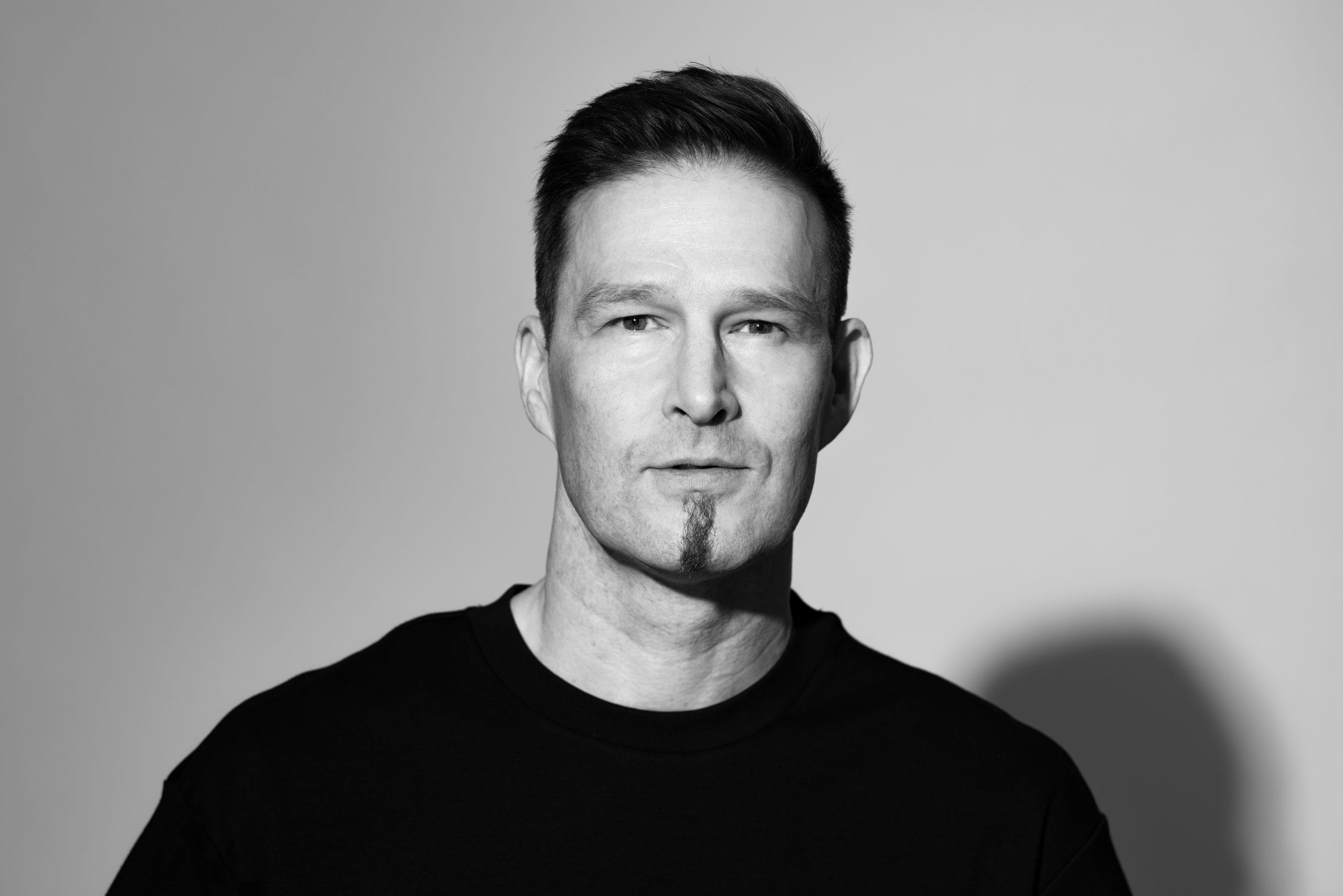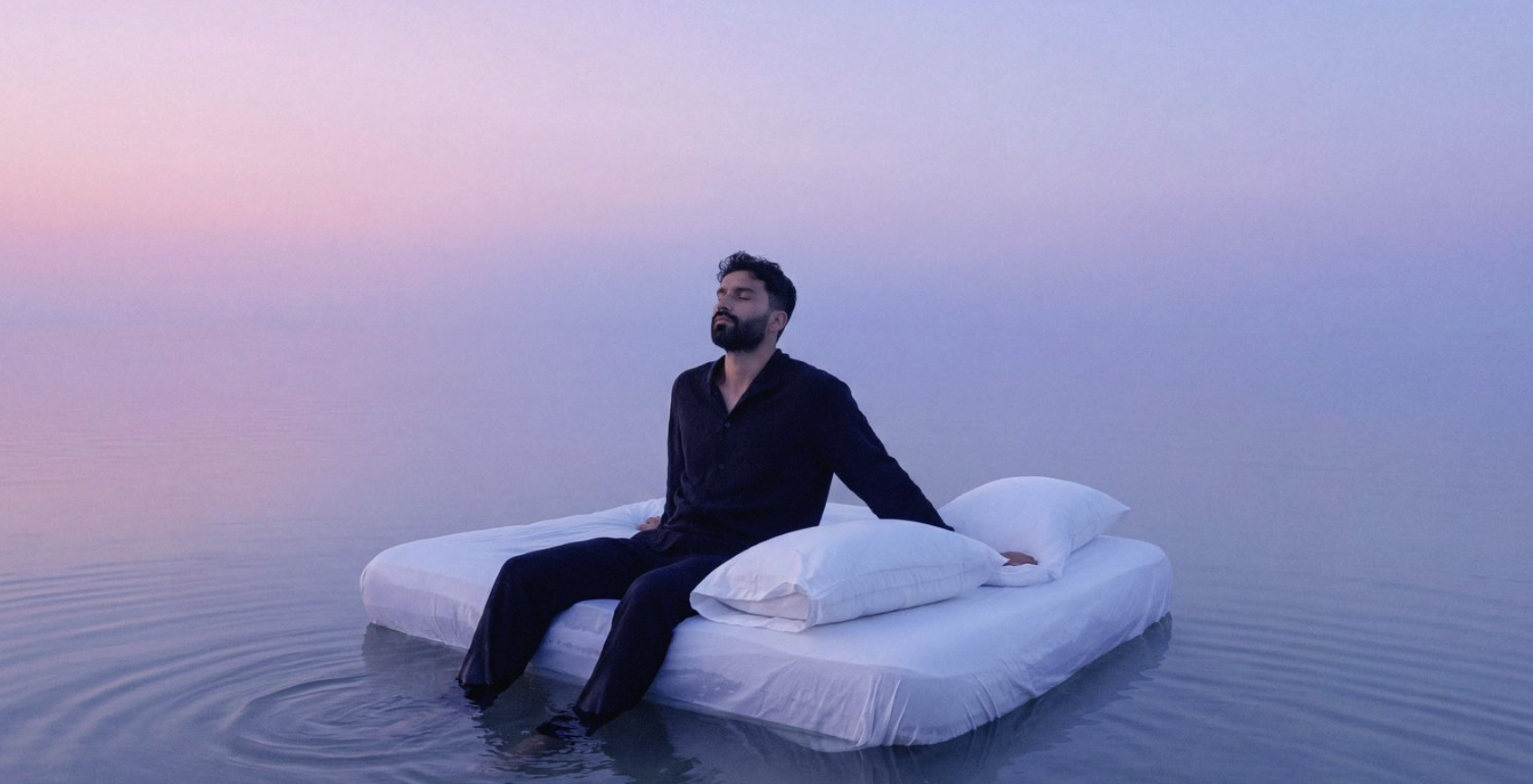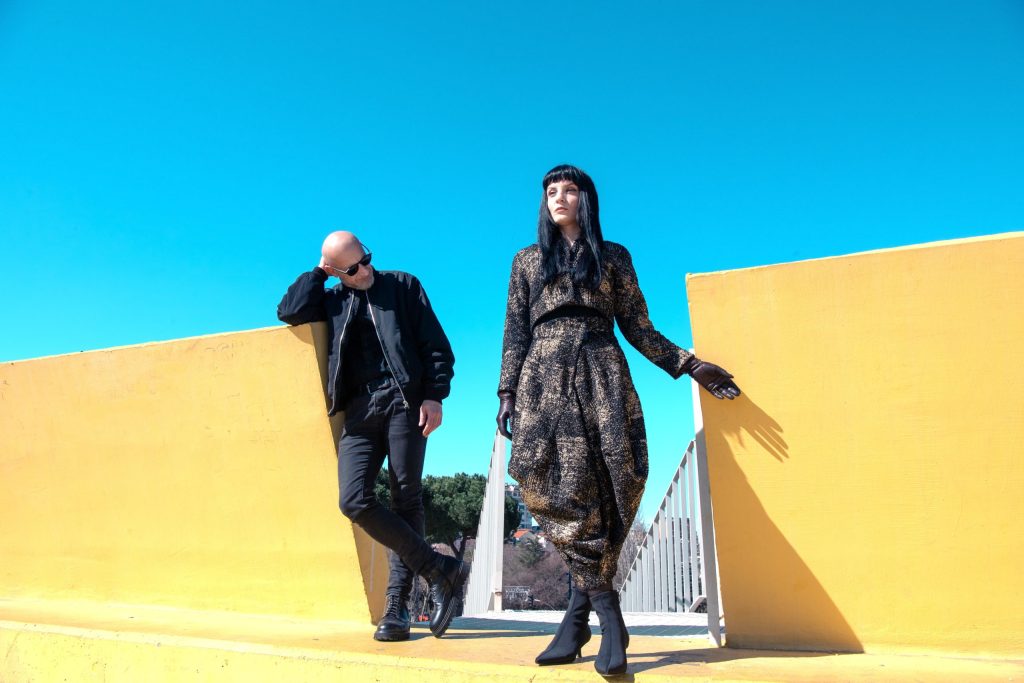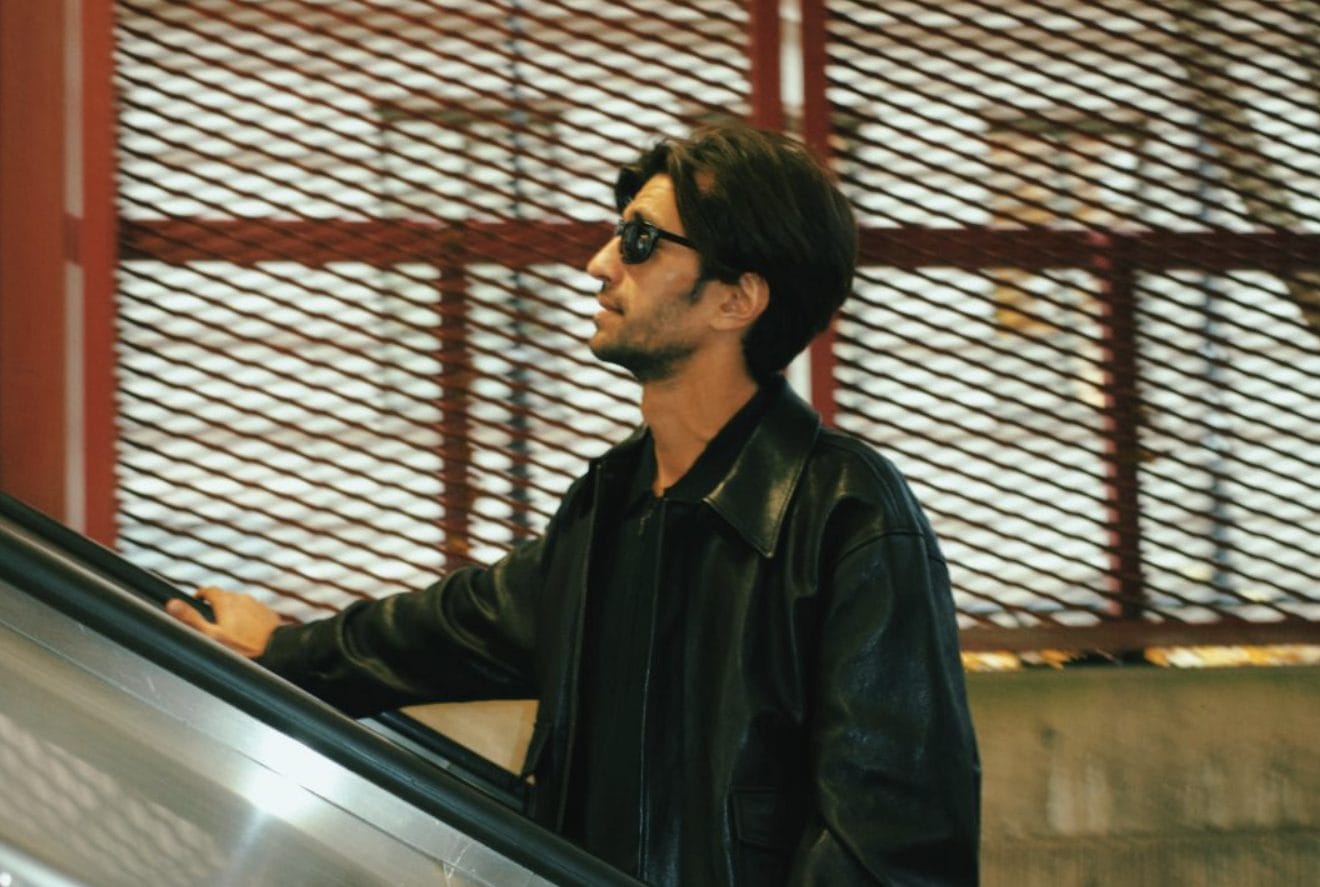
Fifteen years after his breakthrough on Eric Prydz’s Pryda Friends, Swedish producer and DJ Jeremy Olander (@jeremyolander) has been preparing to release his debut album, When The Rain Falls.
Arriving today on March 13 via his Vivrant imprint, the record reflects a long period of artistic development rather than a quick pivot into the album format.
Over the years Olander built a reputation as a producer-led artist with a distinct melodic direction, releasing on labels including Last Night On Earth, Diynamic, Drumcode, Watergate Records, and Anjunadeep while steadily expanding Vivrant into a globally recognized label and event series.
When The Rain Falls arrives after a major personal reset that included sobriety and becoming a father, and the album channels those experiences into a body of work shaped by reflection, identity, and renewal. Introduced by the lead single “Apollo,” a collaboration with Swedish duo Moontalk, the project moves toward a more cinematic and collaborative sonic space while maintaining the melodic clarity that has defined Olander’s catalog.
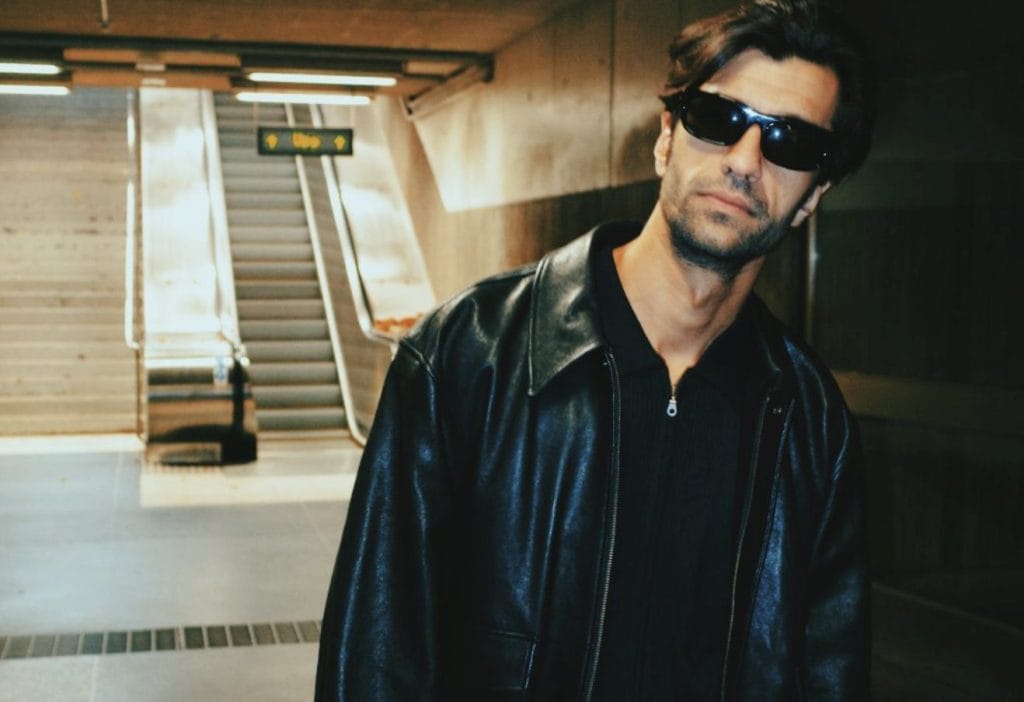
In this conversation, he reflects on exposure, creative discipline, personal boundaries, and the mindset that allowed him to arrive at his first full-length release after more than a decade in the global electronic music circuit.
Interview with Jeremy Olander
How has your relationship to “exposure” changed as your career has grown?
Early on, exposure felt like the goal — more attention meant more opportunities.
Now I see it more as a tool than a destination. Attention is endless, but your time and energy aren’t. As things grew, I became more careful about what kind of exposure I’m saying yes to, because not all visibility is helpful. I’d rather have the right people connect deeply with the work than chase constant noise and hop on trends even if they don’t represent what I’m about.
What helps you maintain clarity about who you are beyond your public presence?
Spending time away from the “industry bubble.” Family, friends, working out, and a normal day-to-day life are grounding because none of that cares about releases, Beatport charts, your fees or who met backstage. The studio is also where I feel most like myself. A very private and honest space for me.
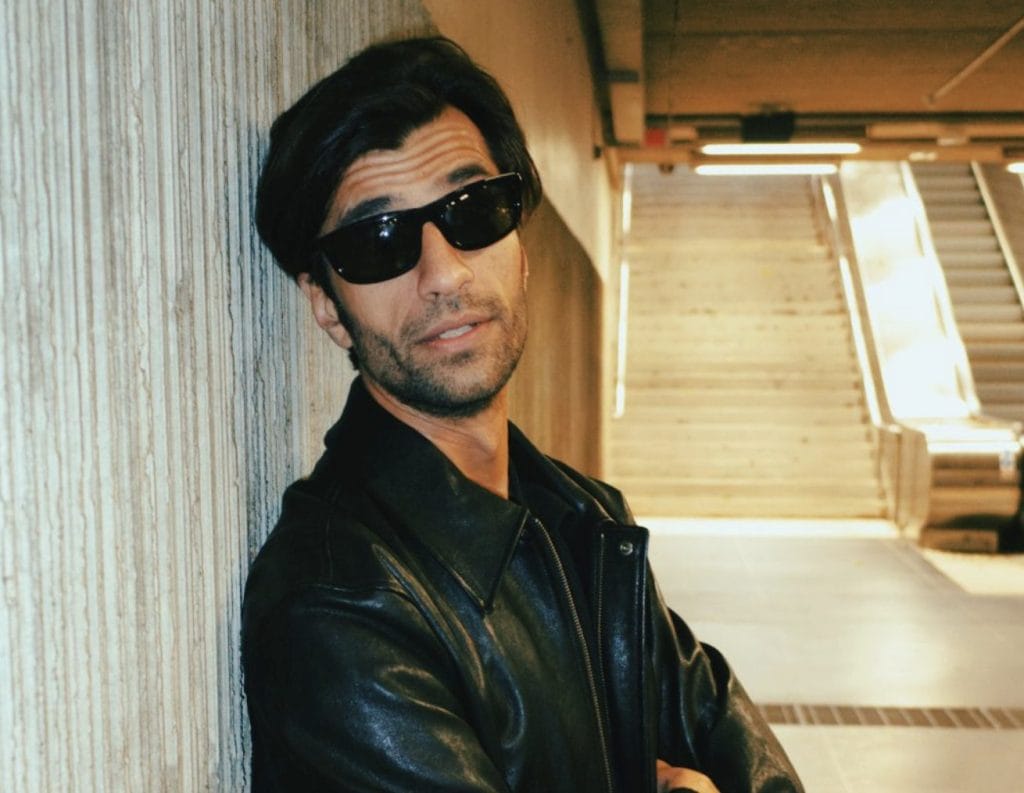
Have there been moments where refining your output strengthened your creative direction?
Absolutely. Saying no to ideas, or leaving things unfinished, is sometimes the most important part.
There were periods where I released too frequently because that’s what the pace of the scene encourages. When I started refining more — keeping only what felt essential — it made the sound clearer and the identity stronger. You start recognising what’s actually “you,” and what’s just you trying to be busy.
How do you decide when to engage online and when to step back?
I try to treat online engagement as intentional.
If I’m engaging because I have something to share — music, a tour, or more importantly a moment that feels real — then it makes sense. If I’m engaging out of anxiety, that’s usually a signal to step back. I’ve learned that being constantly present doesn’t automatically create a stronger connection. Previously I was obsessed with likes, shares.
Not anymore.

What practices help you protect your energy while staying active?
Structure helps. Protecting studio time, protecting sleep, keeping routines on the road as much as possible.
And being selective — about shows, about travel, about commitments outside of music. Not drinking anymore has of course been a major way to preserve energy too.
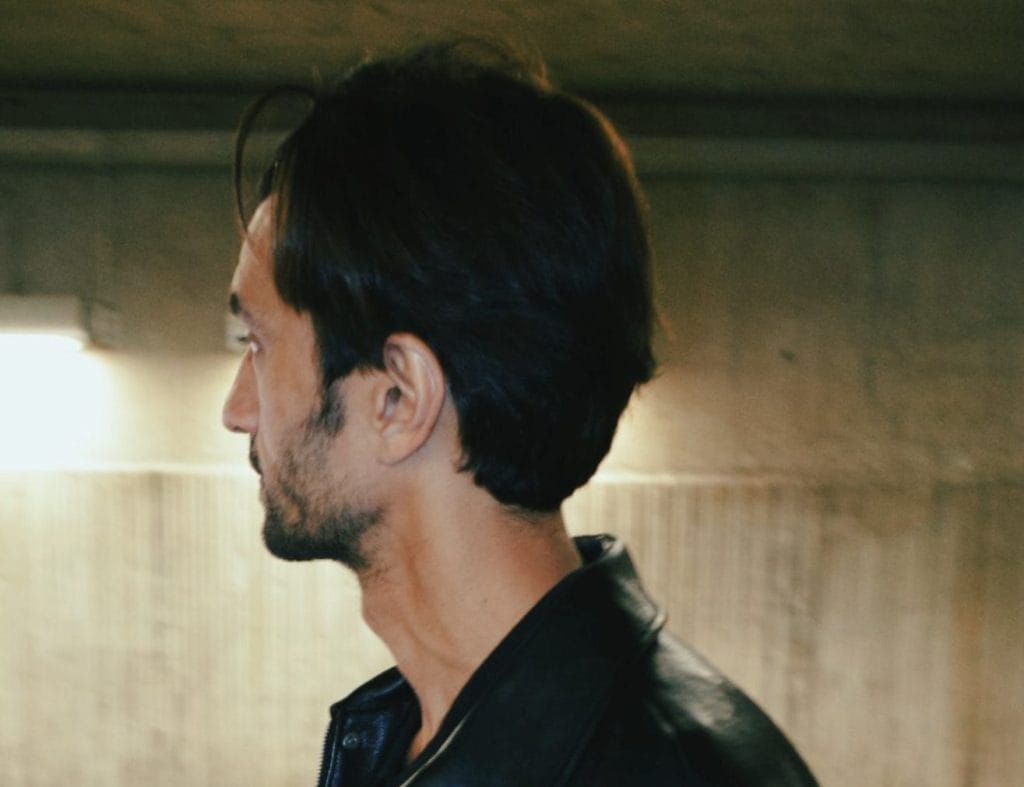
How do you think about the relationship between your public persona and your private self?
I don’t think of it as two different people.
The public version of me is a focused slice — what’s relevant to the music and the project. The private version is broader and messier, like anyone’s life. The healthiest thing for me has been accepting that you don’t need to share everything to be authentic. You can be honest without being fully exposed.
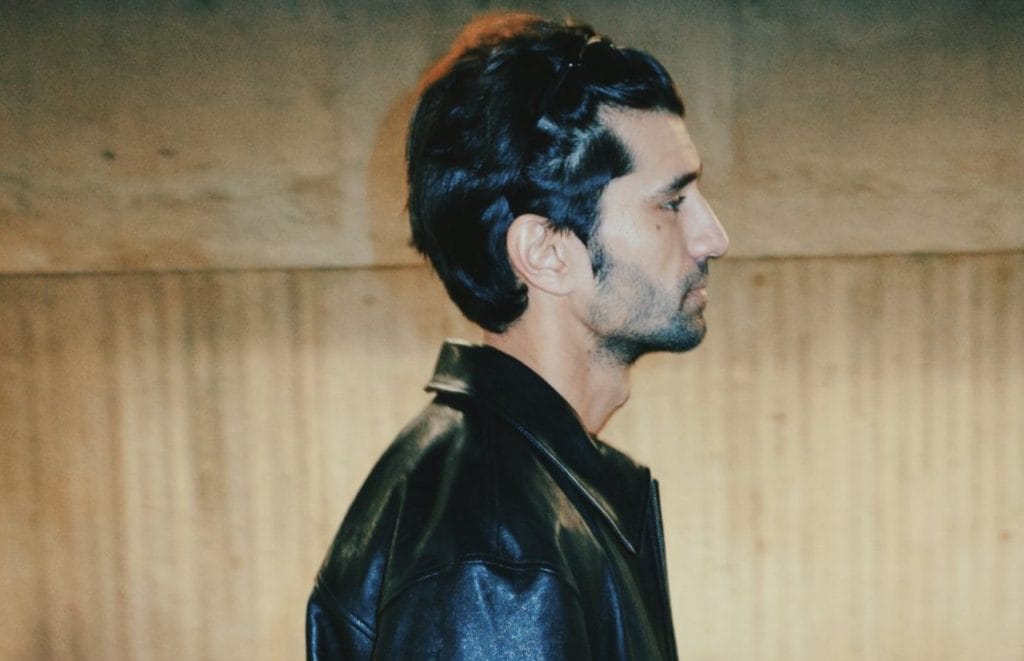
What boundaries have supported your long-term focus?
Not treating every opportunity as urgent. Protecting time between tours, keeping the studio as a place that isn’t constantly interrupted by “content” demands.
And having a clear sense of what I’m building long-term — so I can say no to things that look good in the short term but pull me away from the bigger direction.

Will Vance is a professional music producer who has been involved in the industry for the better part of a decade and has been the managing editor at Magnetic Magazine since mid-2022. In that time period, he has published thousands of articles on music production, industry think pieces and educational articles about the music industry. Over the last decade as a professional music producer, Will Vance has also ran multiple successful and highly respected record labels in the industry, including Where The Heart Is Records as well as having launched a new label with a focus on community through Magnetic Magazine. When not running these labels or producing his own music, Vance is likely writing for other top industry sites like Waves or the Hyperbits Masterclass or working on his upcoming book on mindfulness in music production. On the rare chance he's not thinking about music production, he's probably running a game of Dungeons and Dragons with his friends which he has been the dungeon master for for many years.