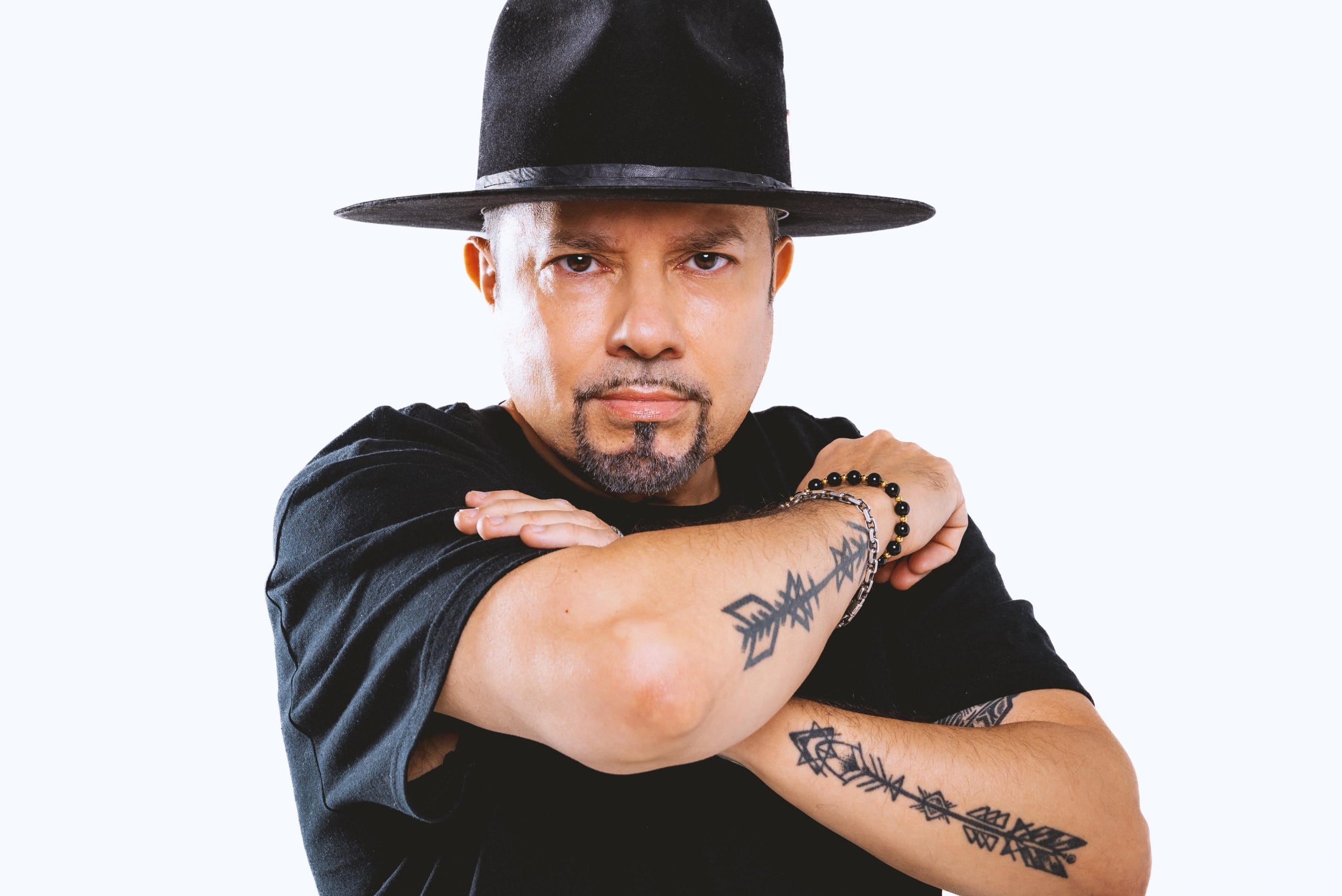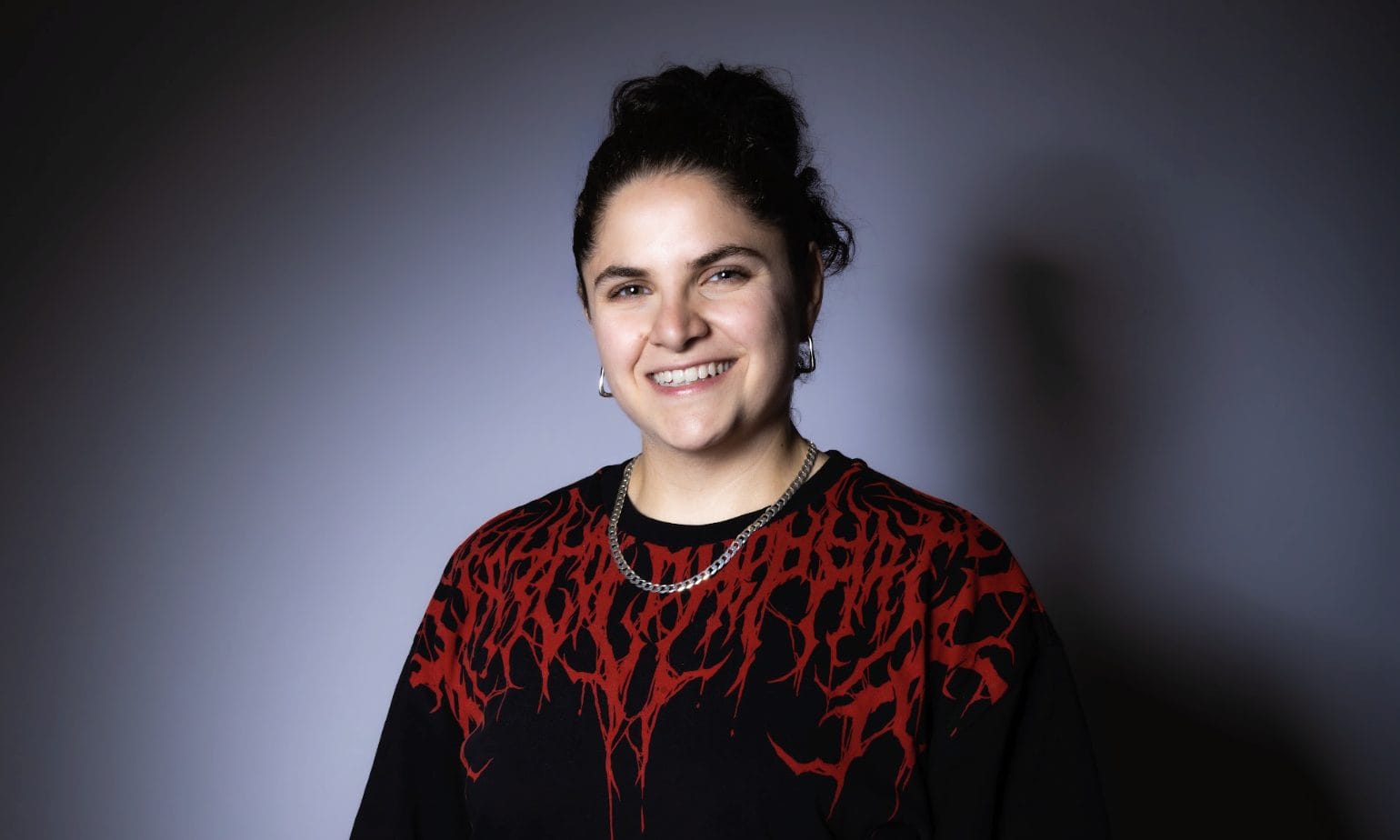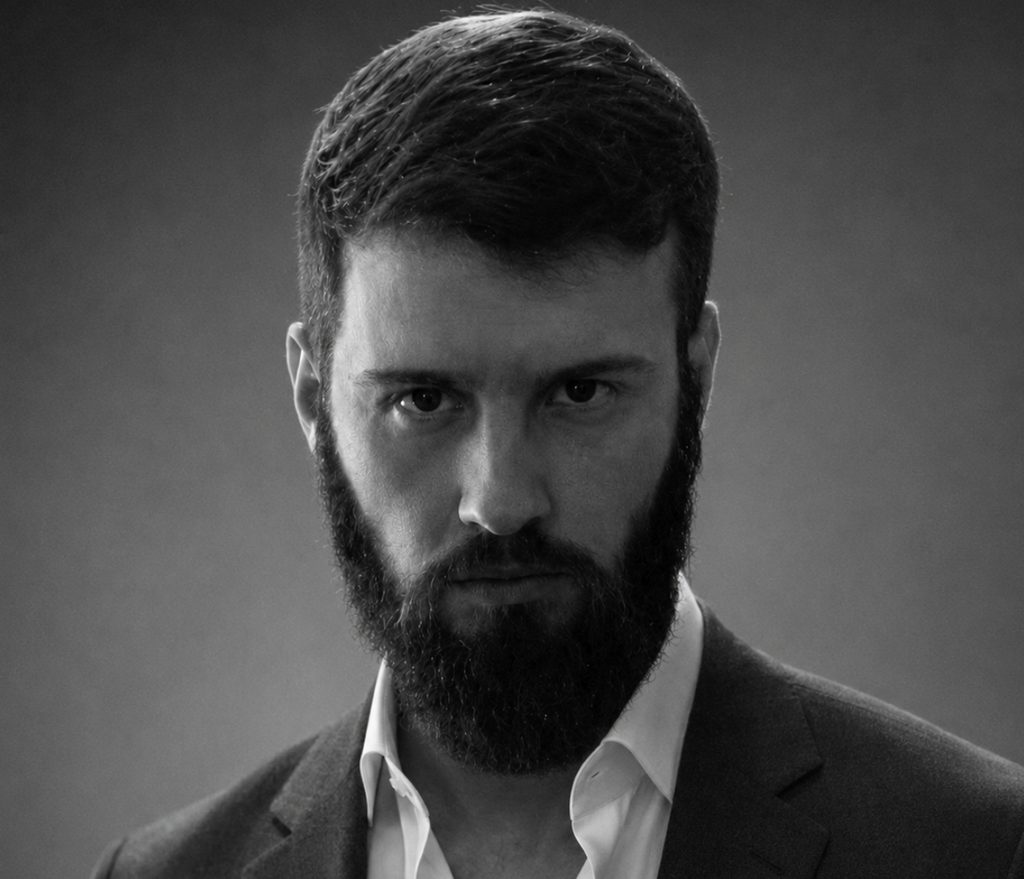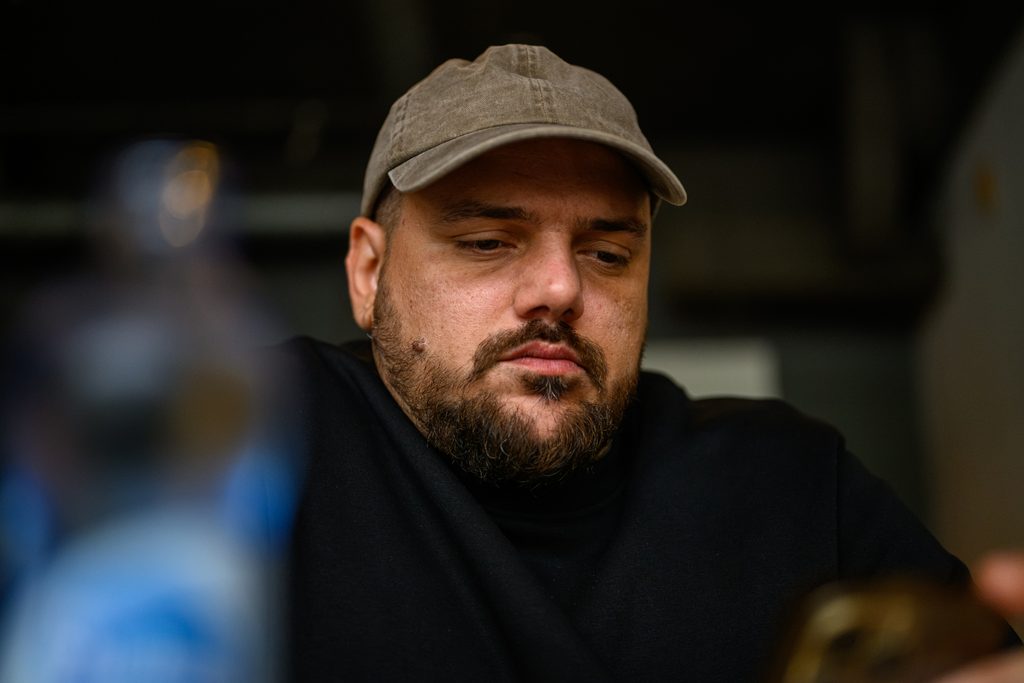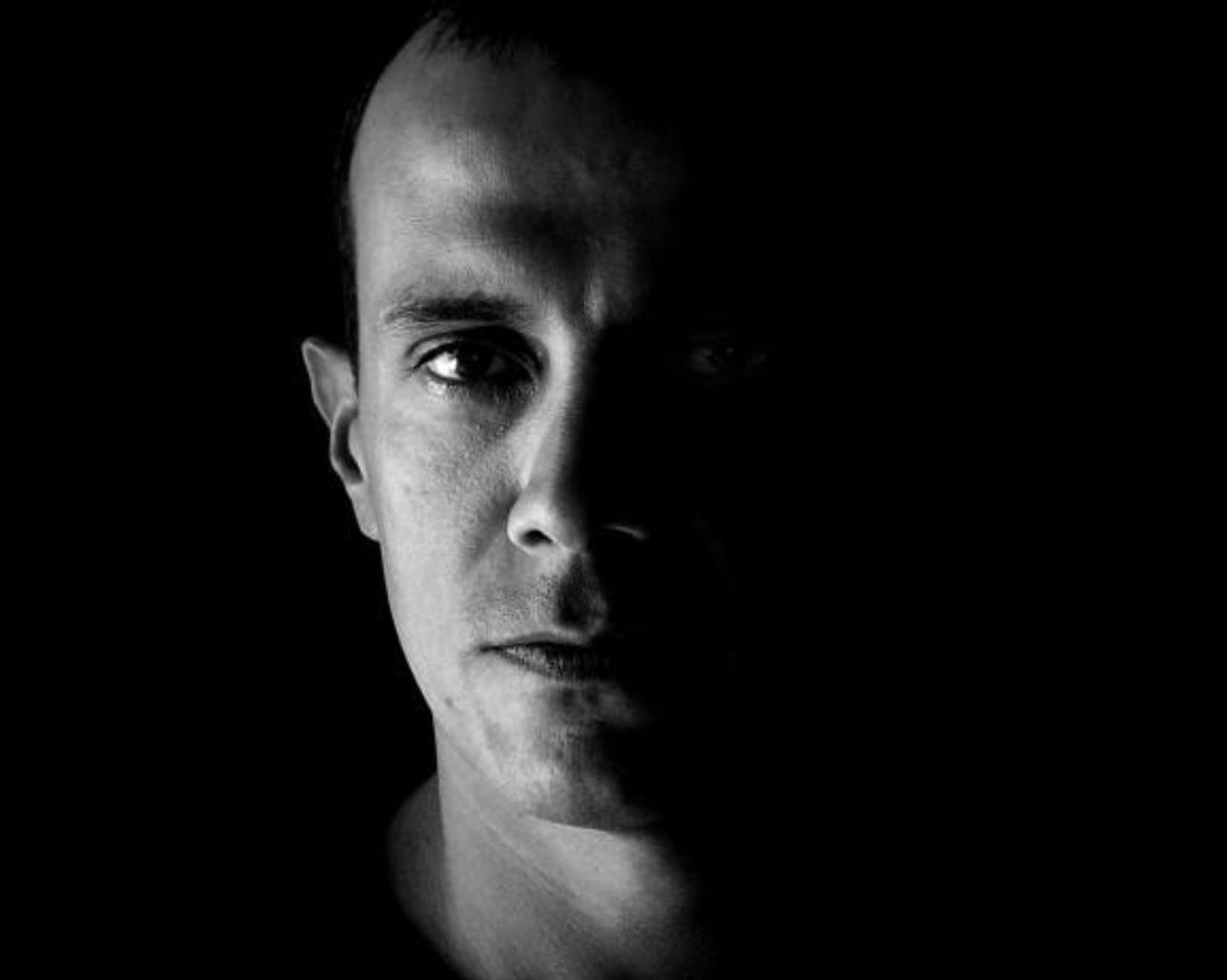
Federico Epis is back in motion after a 12-year break from the electronic music scene, and his return has moved quickly. The pause came from a clear personal decision to step away and focus on family, and now that he has returned, the work has followed with purpose.
One of the first signs came with the relaunch of his Frisky Radio Show in 2024, a project that had long served as a space for his evolving sound and now functions as part of this new phase.
The response from the underground circuit has been immediate.
In the span of five months, Epis landed releases with The Soundgarden, Balance Music, Manual Music, Mango Alley, and Pole Folder’s Reworck Recordings, then added worldwide booking representation with Biauralis Agency in 2025. Upcoming projects include a remix for Reworck and an EP on Armoony Records, each pointing toward a deeper and more textured production approach shaped by time away from the usual cycle of touring and release schedules.
That long view gives this interview its angle. Before the hiatus, Epis had already built serious credibility through support from Sasha, Nick Warren, Pete Tong, and Tiesto, with “Brasilia” appearing on Sasha’s BBC Essential Mix and live appearances spanning Green Valley Club, P12, and Renaissance dates across South America. More recently, Hernan Cattaneo opened his MWC mix for Electronic Grooves with Epis’ track “Tribute.” What makes this conversation interesting now is the way his life outside music has fed the comeback, from fatherhood to golf to AI technology, all of which have had a direct effect on how he thinks about structure, instinct, and the kind of sets he wants to build now.
Interview With Federico Epis

What interests outside of music keep your perspective fresh?
Two things have really kept me sharp: AI technology and golf. They couldn’t be more different from each other, but that’s exactly why they work.
With AI, I’m fascinated by how it’s reshaping creative workflows – not in music alone, across every discipline. I spend a lot of time experimenting with AI tools, understanding how they think, and asking myself how that logic can translate into the way I approach sound design or arrangement. Golf, on the other hand, is my reset. It’s meditative, it demands patience, and it pulls me completely out of the studio headspace. When I come back from either of those worlds, I always hear things differently.
Has exploring another discipline ever influenced how you approach DJing?
Absolutely. Golf taught me something I didn’t expect: the value of committing to a shot before you take it. In a round of golf, hesitation kills your swing. DJing is the same – when you’re reading a room and you feel a transition is right, you have to trust your instincts and commit fully.
Second-guessing mid-mix is the fastest way to lose a dancefloor.
On the AI side, working with generative tools has changed how I think about structure. AI doesn’t think linearly, and that’s pushed me to experiment with less predictable arrangements in my sets. I’ll sometimes build a set the way a neural network processes information – layering patterns, creating unexpected connections, letting things evolve organically rather than following a rigid roadmap.
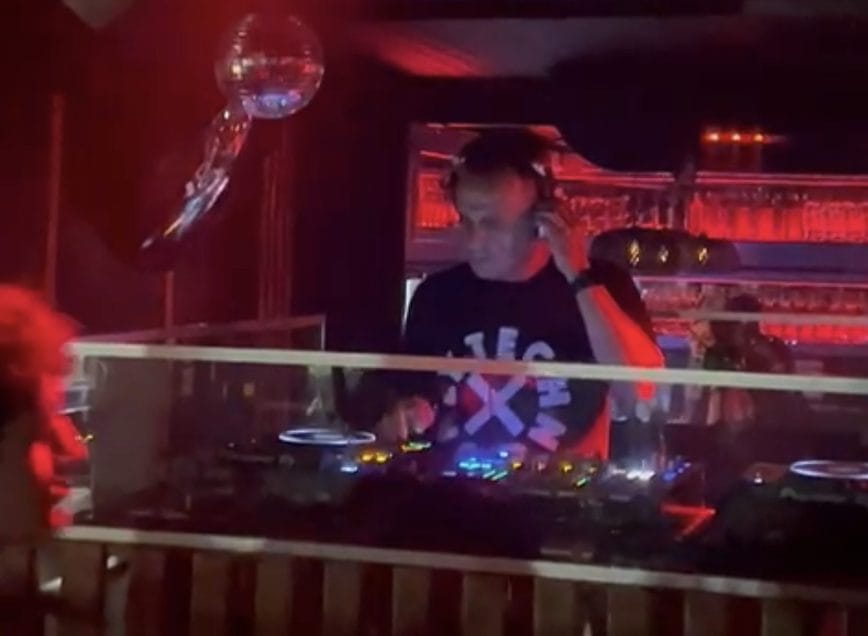
Do you see parallels between DJing and other creative practices?
Constantly. DJing is a conversation, and I find that same dynamic in so many other fields. A great golf course is designed the way a great DJ set should flow – it has tension, release, moments of calm, and moments that challenge you. Architecture does the same thing with space. Even cooking follows that logic: you build layers of flavor the same way you build layers of sound. I think the biggest parallel is with storytelling. If you’re writing a film script or programming a set at 2 AM, you’re guiding people through an emotional arc. The medium changes, but the craft of holding someone’s attention and making them feel something – that’s universal.
Are there habits that help you keep expanding your taste?
I force myself to consume things I wouldn’t normally gravitate toward.
If an AI algorithm recommends something, I’ll often go in the opposite direction to challenge my own filters. I also spend time listening to music that has nothing to do with electronic – film scores, South American folk, jazz, ambient. After 12 years away from the scene, I came back with fresh ears and I want to protect that. One habit that really helps is being still. On the golf course, there are long stretches of silence between shots.
That quiet space lets ideas surface naturally. I’ve come up with some of my best musical ideas walking a fairway, not sitting in front of a screen.
What kinds of experiences outside the club end up shaping your sets later?
Becoming a father changed everything about how I hear and feel music.
When I stepped away 12 years ago, it was because my daughter was born and I wanted to be fully present for her. That time away wasn’t empty – it filled me up in ways I didn’t expect. I listened to music differently because I wasn’t trying to DJ it. I was living with it. Before the hiatus, I’d played alongside Carl Cox at Green Valley and P12 in Brazil, held Renaissance residencies at Metropolitano in Rosario – those massive experiences shaped me, but stepping away and living gave me a different kind of depth.
Now that I’m back, my sets are deeper, more intentional. I’m not chasing peaks the way I used to. I’m building journeys that reflect a fuller life.
How do you absorb new influences while maintaining focus?
This is something I think about a lot, especially coming back after such a long break.
The scene evolved massively while I was away, and I had to decide: do I chase every new trend, or do I stay rooted in what made my sound mine? The answer was somewhere in between. Relaunching my Frisky Radio Show in 2024 was actually a big part of that process – it gave me a space to test new directions publicly while staying connected to what my audience knew me for. I absorb new influences by running them through my own filter.
AI helps with this, actually – I use it to analyze patterns in music I’m drawn to, which helps me understand why something resonates with me rather than copying it. Not everything new is worth integrating, and not everything old is worth holding onto. The focus comes from knowing who I am as an artist, which, ironically, the hiatus made much clearer.
How important is curiosity beyond music to your long-term growth?
It’s essential. I genuinely believe the artists who last are the ones who stay curious about the world, not about music alone.
My 12-year break proved that to me. I didn’t stop being creative when I stopped DJing – I redirected that energy into other things: family, technology, golf, life. When I came back, I had more to say because I had more to draw from. If all you consume is electronic music and all you do is hang out in studios and clubs, your work starts to sound like an echo chamber.
The freshness in my comeback – signing with five labels in five months, the remix for Petar Dundov, securing worldwide bookings with Biauralis Agency – came from arriving with a perspective the scene hadn’t heard before, because I’d been living outside of it.
DJs today need to be cross-disciplinary thinkers to keep pace or even stay inspired?
I agree completely, and I think it’s more true now than ever.
The tools available in 2026 – AI-driven production, immersive live experiences, the way audiences consume music – all of it demands that you think beyond the decks. A DJ who only thinks about BPM and transitions is going to plateau. You need to understand narrative, emotion, technology, even psychology. My own path is proof of that.
Golf taught me discipline and presence. AI taught me to think in patterns and possibilities. Fatherhood taught me patience and purpose. None of those are music lessons, but all of them made me a better DJ and producer. The artists who will define this next era won’t be great selectors alone – they’ll be great thinkers.

Will Vance is a professional music producer who has been involved in the industry for the better part of a decade and has been the managing editor at Magnetic Magazine since mid-2022. In that time period, he has published thousands of articles on music production, industry think pieces and educational articles about the music industry. Over the last decade as a professional music producer, Will Vance has also ran multiple successful and highly respected record labels in the industry, including Where The Heart Is Records as well as having launched a new label with a focus on community through Magnetic Magazine. When not running these labels or producing his own music, Vance is likely writing for other top industry sites like Waves or the Hyperbits Masterclass or working on his upcoming book on mindfulness in music production. On the rare chance he's not thinking about music production, he's probably running a game of Dungeons and Dragons with his friends which he has been the dungeon master for for many years.