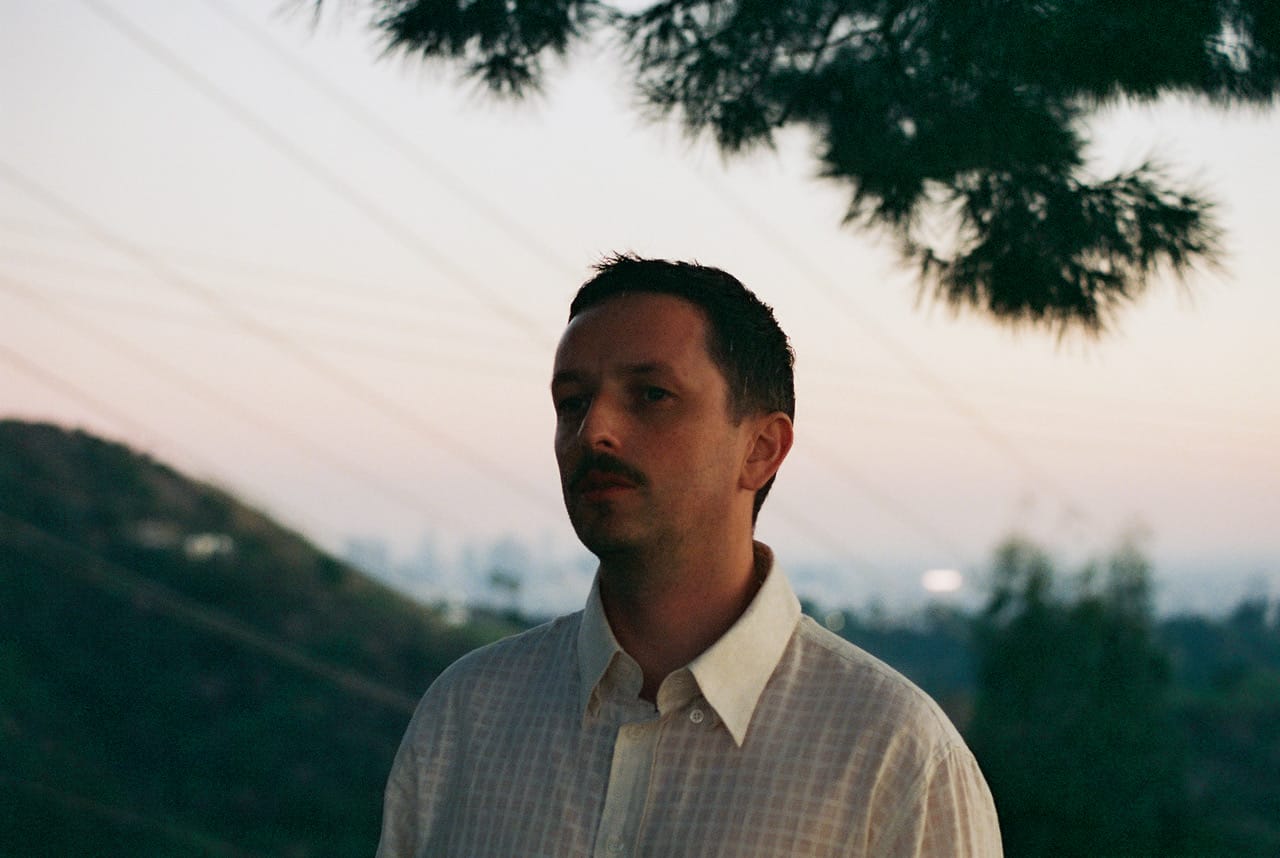
When I listened to Ben Pierre’s remix of Pørtl’s “Elodie,” the part that stuck with me was how disciplined it felt, because the track stayed focused on arrangement, pacing, and mix utility instead of chasing extra sections or extra hooks.
The original already had a clear melodic center and a clean sense of space, and the remix treated those elements as fixed reference points, then made its changes where DJs actually feel them, which is in the timing of transitions, the control of tension, and the way the low end stays consistent across a longer blend.
That ties directly into how Ben talks about playing, because he framed a set as a sequence of choices that need to connect in real time, and he described pacing as a gradual arc that starts smoother, builds in stages, gives the room a reflective pocket, then resets toward the end so the handoff stays workable. Read that back against the remix, and you can hear the same priorities in the structure, since the intro gives you room to mix cleanly, the progression relies on measured changes in percussion density and harmonic movement, and the outro stays usable instead of filling the final minute with extra parts that fight the mix.
The interview below is the main point of the piece, and I wanted the remix context to function as a concrete example of how Ben thinks. He talked about what people remember after they leave a room, he talked about how track selection can happen on the fly, and he also talked about how the theme becomes clear once he listens back to a work in progress with fresh ears.
That mindset explains the restraint in this remix and why his sets tend to feel intentional without requiring constant signaling from the booth.
Interview With Ben Pierre
What’s the difference between playing good music and creating a meaningful moment?
I find that playing good music is one thing but having tracks that fully connect and coincide with one another is what ensures the audience gets taken on a journey.
The key is that connection, crossing between yourself as the performer, the music you’ve selected for that moment in time and the audience who are engaging with it. If the audience is enjoying it, they see each other having a good time and they see you as the performer also loving the music you’re playing, it creates that sense of unity and a memorable moment of connection through music.
Can you describe a set where something transcendent happened, and why you think it landed that way?
I have great memories from a performance in Wrocław, Poland at a venue called Transformator with Nox Vahn. It was midway through the set and there was that feeling of being in a complete flow state where the music just fit the situation perfectly and the crowd were so engaged.
The whole atmosphere that the music created was just perfect for that moment and the crowd resonated with that, with tracks from the likes of Enamour, Brian De Santis, Jamie Stevens and yours truly. It feels so fulfilling and gratifying when moments like this happen and it’s certainly one of the most memorable performances to date.
How do you approach pacing and emotional shape when building a set?
Typically, I would begin a set smoother but still fairly driving to draw the crowd in and then gradually pick up the tempo/energy, including some more emotive tracks half way or so during the set to give the crowd that moment of reflection and contemplation before picking up the energy a little more. Finally, I then tend to drop it down a little in the last few tracks for the handover, offering a bit more flexibility to the act performing afterwards.
This is more of a generalised approach, but it tends to be the case for most sets. I find that it helps sustain the energy while also providing those little special memorable moments within.
Do you think about what people will remember after they leave the dance floor?
Absolutely, especially reflecting back on the night. Looking back after a performance, I hope that they enjoyed the musical journey, the selection of tracks as well as the overall feeling the performance gave them.
Is storytelling something you consciously work on, or something that unfolds naturally?
I think a bit of both. It’s in the nature of both my productions and performances that I’d like to tell a story and take people on that musical journey. In a set, it can occur naturally whereby track selection can be done on the fly and based on crowd reaction. This in itself is its own
story and one that unfolds there and then, also being truly unique to that event given each subsequent track is based on the mood and feel of the place at that moment in time. With productions, I find it’s important to have a storyline basis: for the track to really feel like it’s a journey and there’s a story being told. It’s these productions that I end up completing and releasing.
During the production process, entering the creative flow state, I find that I don’t tend to think about it – it is the case of pouring out what’s in the mind and putting pen to paper in an almost second-nature fashion. I feel I only become aware of it once I listen back to a work-in-progress render of the project or even just revisiting it in the following studio session where you can kind of take a bit of a step back and hear all the elements and intricacies become one. This is where the whole theme and story of the music becomes truly apparent.

Will Vance is a professional music producer who has been involved in the industry for the better part of a decade and has been the managing editor at Magnetic Magazine since mid-2022. In that time period, he has published thousands of articles on music production, industry think pieces and educational articles about the music industry. Over the last decade as a professional music producer, Will Vance has also ran multiple successful and highly respected record labels in the industry, including Where The Heart Is Records as well as having launched a new label with a focus on community through Magnetic Magazine. When not running these labels or producing his own music, Vance is likely writing for other top industry sites like Waves or the Hyperbits Masterclass or working on his upcoming book on mindfulness in music production. On the rare chance he's not thinking about music production, he's probably running a game of Dungeons and Dragons with his friends which he has been the dungeon master for for many years.