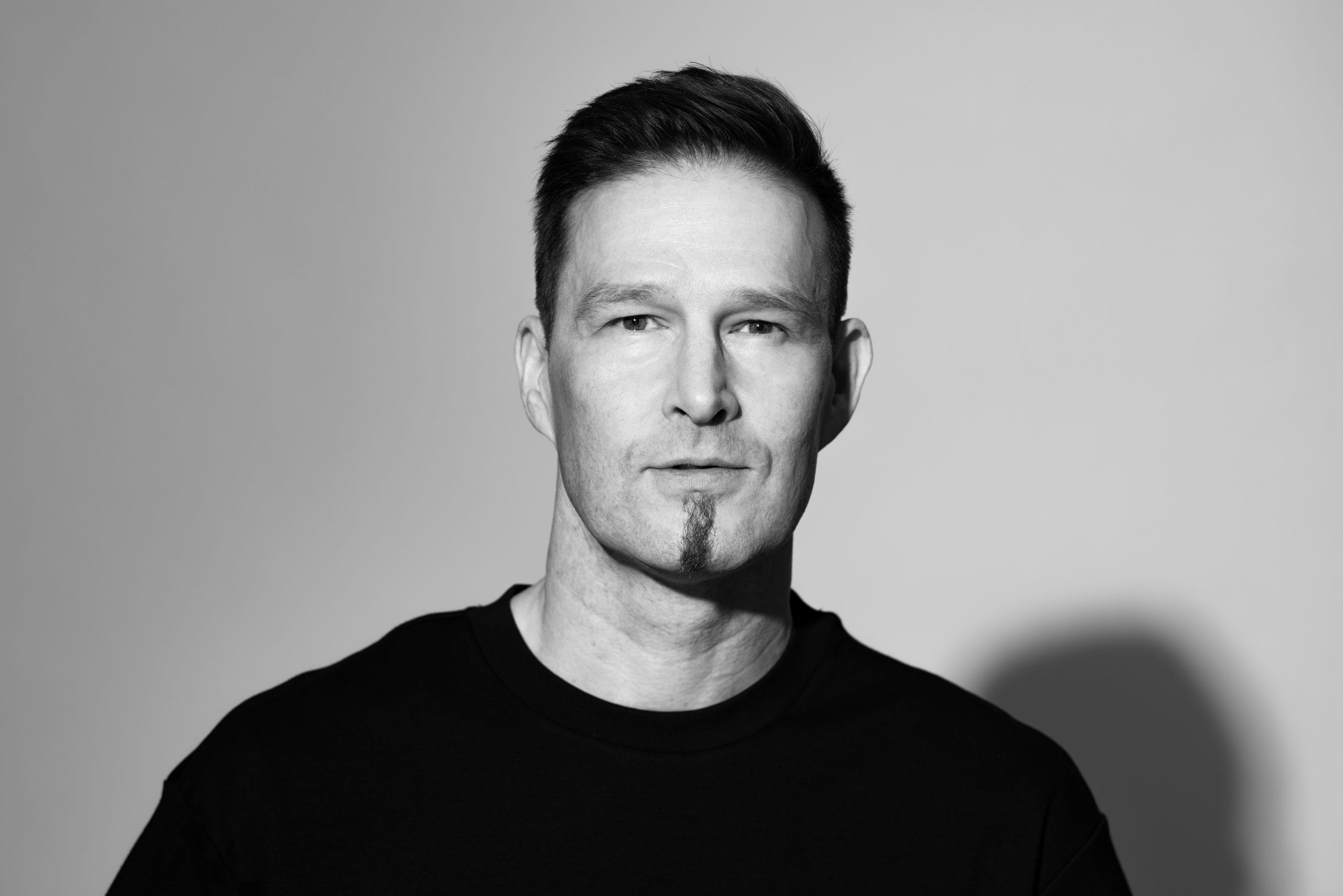
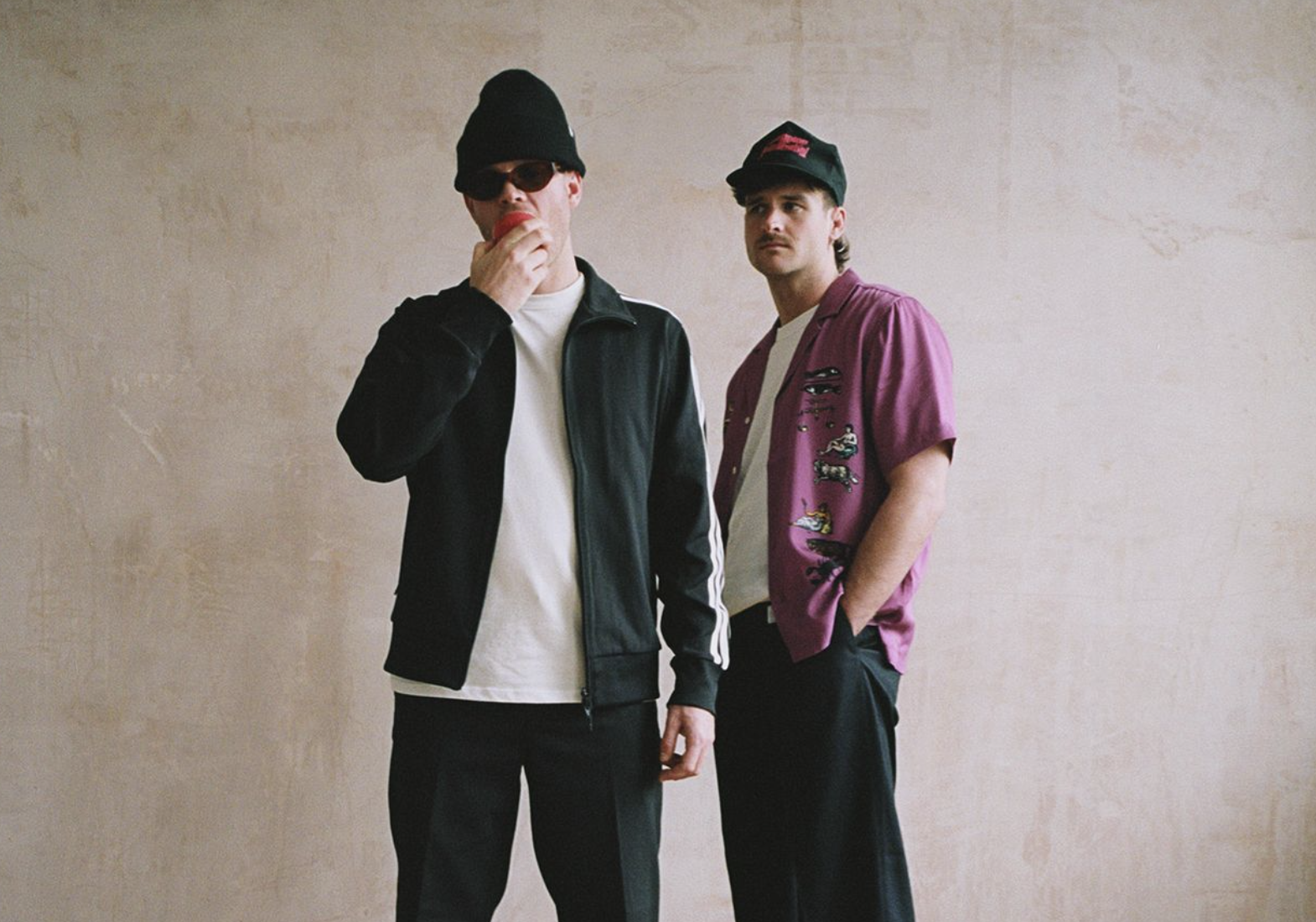
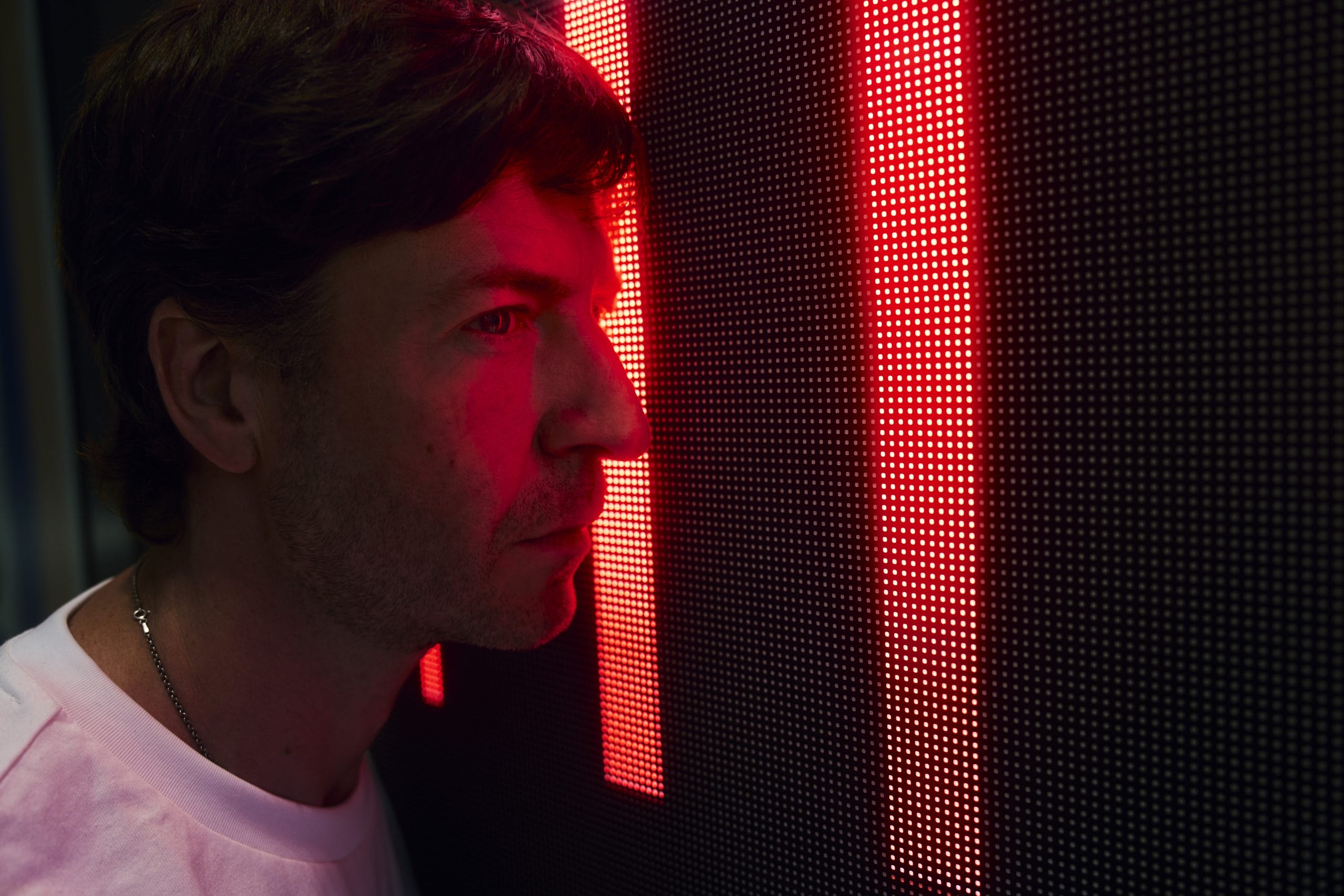
Chewna is a UK producer and DJ is breaking through. His roots are in house, with that Kerri Chandler swing and Derrick Carter sense of ear-to-ear grin, but he isn’t sitting still.
Upcoming releases have been teased to push into a garage-inflected house sound, basslines stepping forward, drums shuffling with a bit more attitude, but his latest single, Wonky Walk on Perfect Havoc, sees him lean into his melodic house sensibilities – albeit with the unmistakable Chewna sense of playfulness.
Last year’s Infinity climbed to #8 on Beatport and set the pace for what’s coming. Chewna’s music keeps getting more tactile, and more sure of itself. It’s movement music with personality, and he’s leaning into it.
Check out our exclusive mix here, and read our interview with Chewna below.
On “Wonky Walk”, the groove shifts subtly between percussion, brass-led synths and vocals. How did you decide which element should lead each moment, and at what point did you feel the track had enough character to let go?
I always start with the groove and build from there. With “Wonky Walk”, the percussion gave me the backbone, then the brass synths added this cheeky swagger. Once the vocal came in, it naturally became the focal point. It brought personality and direction to everything else. I knew it was done when the vocal, groove and brass felt like they were bouncing off each other in a way that felt effortless.
You’ve mentioned liking the feeling of timelessness on tracks like the “Infinity” EP. When producing “Wonky Walk”, did you aim for a similar suspension of time, and if so, how does that translate into the swing and tension of the track?
Definitely. I’m always chasing that feeling where you lose sense of time. On this one, it came from finding the right swing between the percussion and vocal phrasing. The track keeps moving, but it’s never in a rush. That slight tension in the rhythm gives it a hypnotic feel, like it could loop forever without getting old.
Your sound often bridges old school house roots with modern production finesse. With this new track, where did you lean more heavily: nostalgia or forward motion? And why?
I’d say forward motion. I’ll always be inspired by classic house grooves and warmth, but “Wonky Walk” is about pushing that into a fresher space. The vocal is mixed like a pop record, and the production is tighter and more modern. It still nods to the roots, but it’s built for what I want to play out now.
You’ve talked about movement and connection as core motivations in your studio work. When “Wonky Walk” hits a dancefloor, what kind of physical reaction are you hoping to trigger?
I want people to move in a way that feels loose and confident. The groove isn’t rigid, and neither is the vocal. It’s got this strut to it that makes you want to move with a bit of attitude. I love seeing people let go of trying to dance “correctly” and just move however the track makes them feel.
Instrumentation in the track, like the brass-led synths, provides a warmth that isn’t always common in club-orientated house. Was that warmth intentional from the outset, or something that emerged in mixing?
That was intentional. I didn’t want it to sound too digital or sterile. The brass and vocal both add warmth and human energy. I kept a bit of grit in the mix on purpose. For me, that warmth makes the track feel alive.
The vocal on “Wonky Walk” adds a huge amount of character. How did you treat it differently compared to your previous work, and what role does it play in the track’s story?
I wanted the vocal to feel like part of the rhythm rather than something sitting on top of it. I chopped and reworked parts to play off the percussion and brass, so it’s driving the groove as much as the drums are. The vocal gives the track its attitude.
After a charting release like “Infinity”, there’s often tension between evolving and staying true. Did that success influence the risk level or direction of “Wonky Walk”?
It gave me confidence to trust my instincts. “Infinity” connected because it felt authentic, so I didn’t want to chase that again. “Wonky Walk” takes more risks. It’s funkier, more vocal-led, and less safe. I wanted to keep evolving rather than repeat a formula.
Looking ahead: you’ve hinted at exploring live layers, tribal percussions, and richer textures. With “Wonky Walk” out now, what’s the next technical or creative frontier you’re moving into?
I’m getting deeper into live percussion and organic sounds. I’ve been recording bits of real drums and hand percussion to layer into my sets and productions. I’m also building a live setup so I can rework my tracks in real time. I want to bring more of that spontaneous, human energy from the studio to the stage.
Wonky Walk is out now on Perfect Havoc