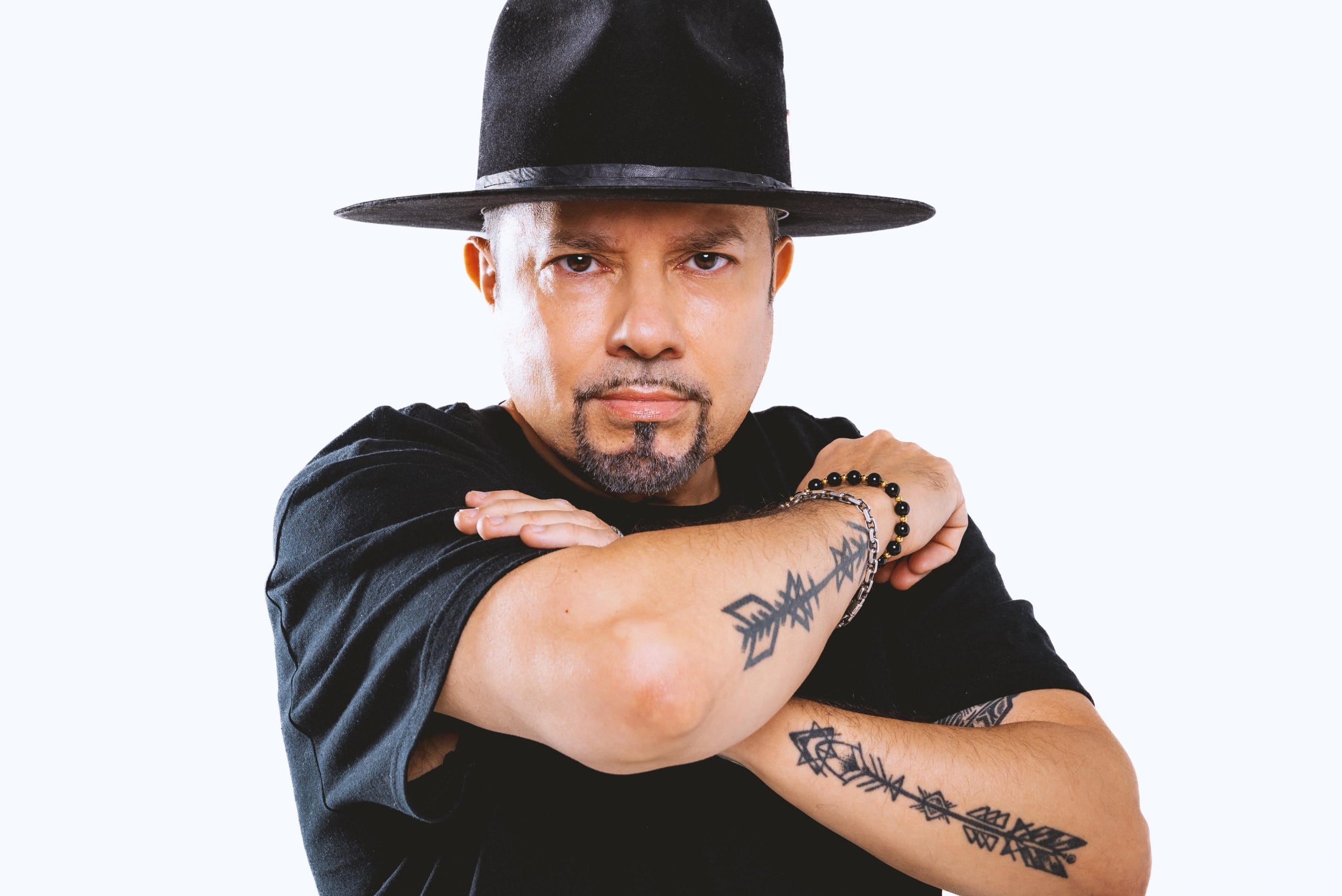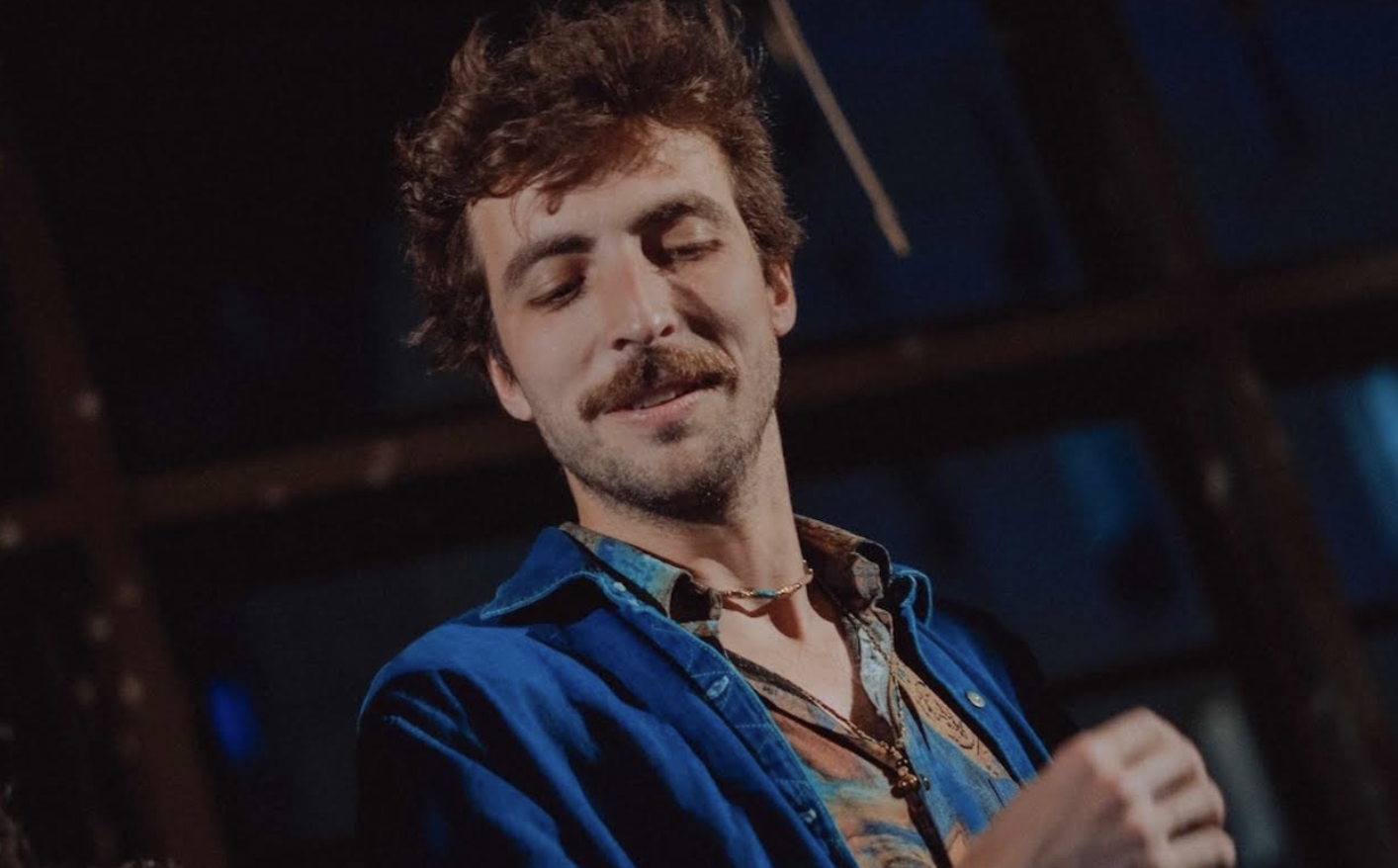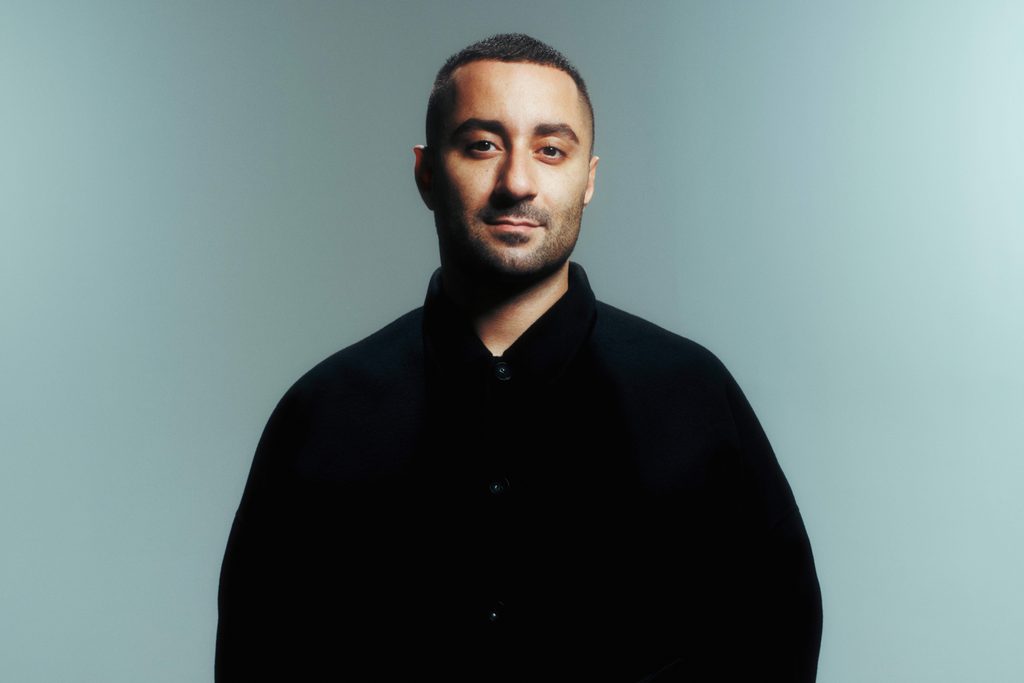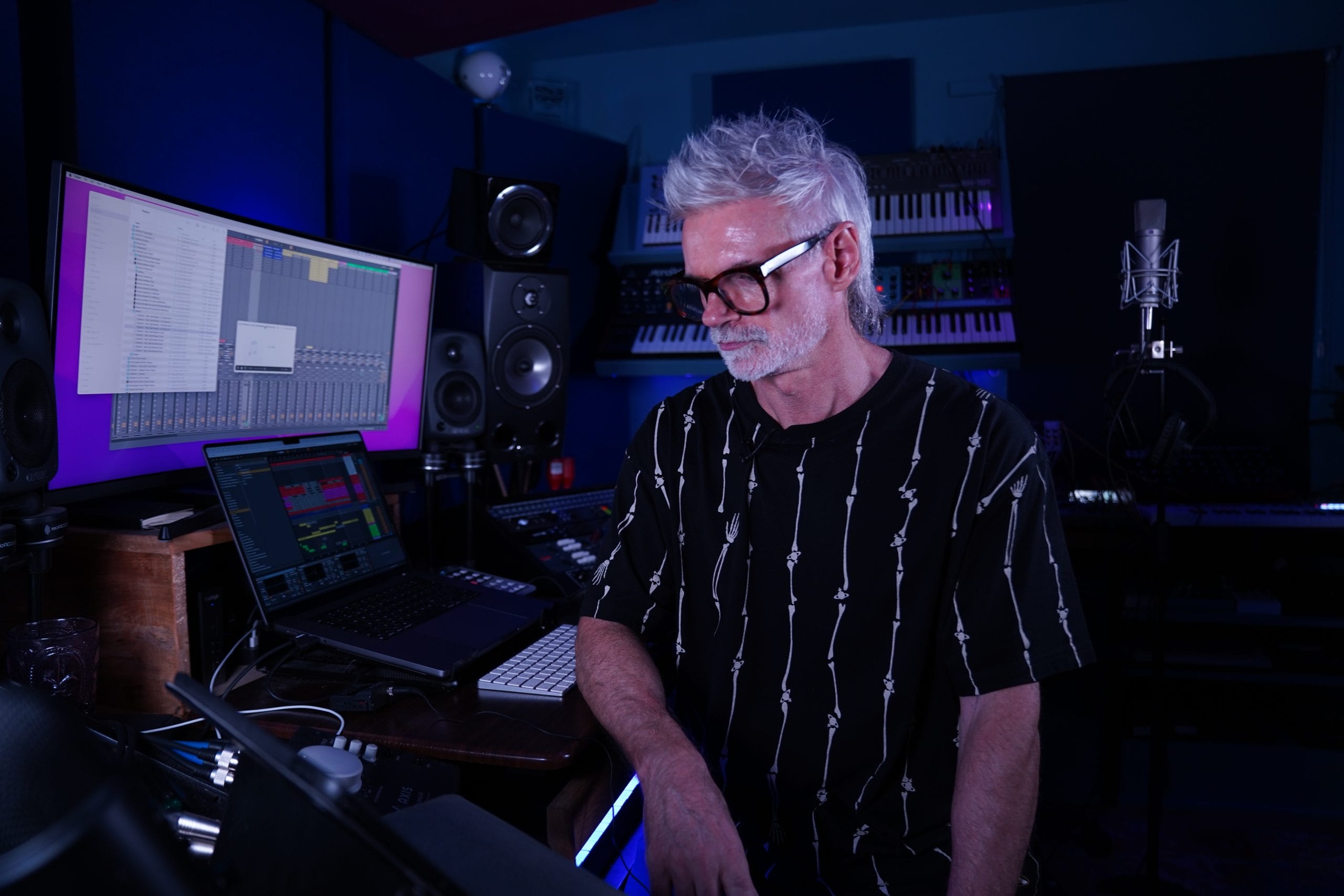
D. Ramirez is back on his own imprint Raven Records with Marimboid, a gritty, rolling club track built around heavy percussion and bass pressure. It is the third release on the label he runs with Denney, following a summer of steady momentum and continued influence from someone who has helped shape the UK house and techno scene for more than two decades. Known for releases on labels like Toolroom and for defining remixes such as Bodyrox’s “Yeah Yeah”, Ramirez continues to approach dance music as a craft built in the studio and proven in the club.
What makes this release more relevant is what surrounds it. Raven Records is still new, but it is being built from the perspective of artists who came up in an era when respect in nightlife was earned through consistency, late nights, and staying inside the culture long before social media rewarded visibility.
At the same time, Ramirez is self-aware enough to recognise that dance music has changed.
Our interview below reflects that shift clearly. He speaks on how paying dues looks different now, how younger DJs earn credibility through different channels, and why connection on the dancefloor still matters more than hype.
That spirit sits underneath Marimboid and sounds like something designed for real rooms, tested at peak time, and created by someone who still values the slow-building work behind a lasting career. To go deeper into that mindset, we asked Ramirez about the meaning of dues, respect, community, and longevity in a scene where careers can rise overnight or fade just as quickly.
What did “paying dues” used to mean in your circle — and how has that changed?
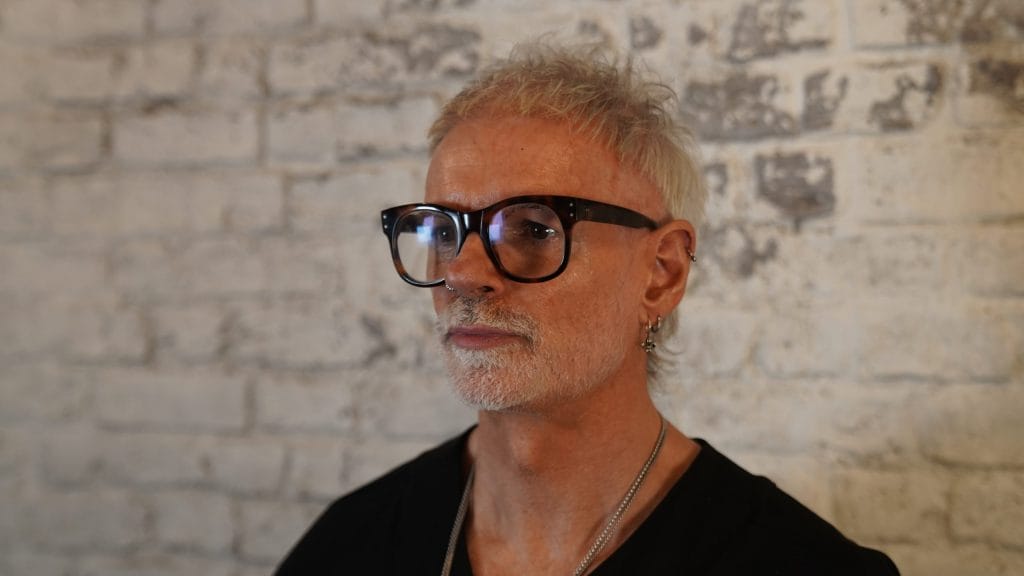
Paying dues back in my circle wasn’t glamorous — it meant lugging record boxes through the rain, taking the warm-up slot when no one was there, and getting schooled by older heads if you messed up.
You learned by being part of the scene, not just dipping in when it suited you. We respected the DJs who put in the hours, stayed late, helped out, and showed they really lived it.
You weren’t handed respect — you earned it by putting the culture first. Now, it’s shifted. Some people can skip that whole process by blowing up online. It doesn’t mean they didn’t “pay dues” — but it means paying dues looks completely different today. The grind’s still there, it just happens in different spaces.
Do you think newer DJs are expected to earn respect in different ways than before?
Yeah, for sure.
Before, respect came from what you did in the club, how you read a crowd, and how you built your reputation night after night. Now, you’ve also got to show yourself online, build your image, and find ways to stand out in a noisy world.
A younger DJ might never touch vinyl, but if they can hold down a room and build a following that engages with them, they’ll get respect. It’s not better or worse, just different. The younger generation earns stripes through visibility, content, and speed of growth as much as by mixing ability.
Some older heads don’t like it, but that’s the reality now. Respect has different currencies today.
How has social media changed the timeline of what’s considered “deserved”?
Social media’s completely warped the timeline. Before, it could take years to get recognition — now you can go viral overnight and land gigs you never thought possible. But “deserved” is the tricky part. Sometimes people get the spotlight before they’ve got the foundation, so they crumble when the pressure hits. At the same time, social platforms have given talented DJs a chance to shine who might’ve been overlooked for years otherwise. It’s a double-edged sword: the fast lane can expose you or it can elevate you, depending on how prepared you are. Social media didn’t kill the idea of dues, it just sped everything up to a point where people don’t always stop to ask if the work matches the hype. That’s the catch.
Is fast success always a red flag — or can it reflect real cultural shift?
Fast success isn’t always a bad sign. Sometimes it means a genuine cultural wave is happening, and an artist’s rise matches that energy. Dance music’s full of those moments where something fresh hits and blows up quick. But sometimes, yeah, it’s a red flag — if it’s just hype with no real skill or understanding of the craft, it shows eventually. The crowd’s smart — they can tell when someone’s built to last and when they’re just a trend. The key is whether the DJ can hold that momentum and turn quick hype into longevity. Culture shifts fast now, but the ones with substance stick once the noise fades. That’s the real test.
What’s your personal barometer for someone who’s ready — even if they’re early in their career?
For me, it’s all about connection. If a DJ can walk into a room, read the energy, and hold people’s attention, they’re ready — no matter how long they’ve been around. I don’t care if they started last year or twenty years ago; the floor doesn’t lie.
Another thing is respect for the craft — if you’re genuinely into the music, not just clout, it shows in your sets. Technical skill matters too, but vibe is everything. If someone can control the flow and make the night feel like a journey, that’s real DJing. My barometer is: can they create magic in the moment and leave people talking after? That’s readiness.
Have you ever felt torn between tradition and progression in how you evaluate other DJs?
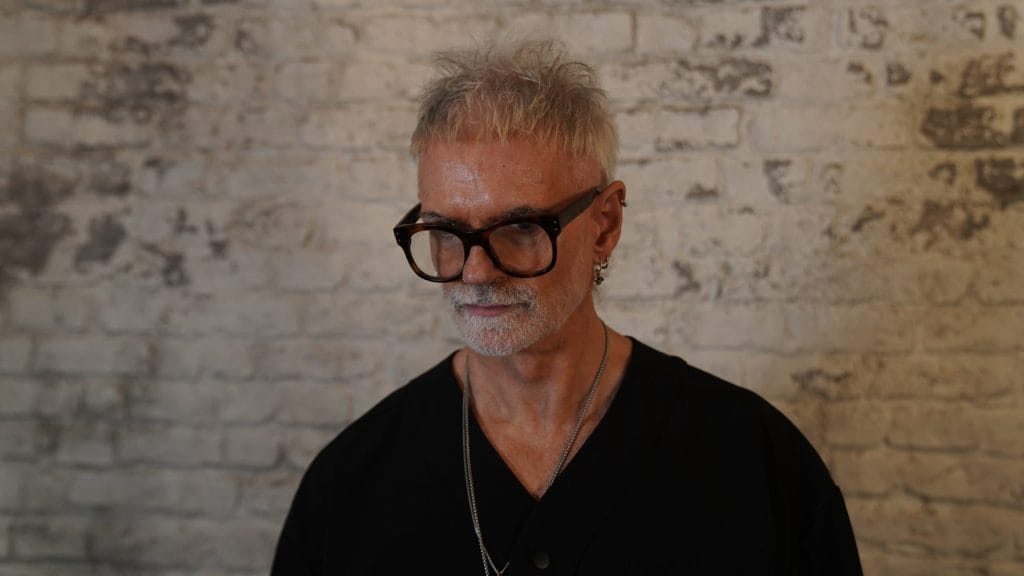
Definitely. I come from a time where tradition mattered — digging for records, learning on turntables, putting in those long hours before you got a chance. So part of me still wants to see that respect for the old-school path. But I also know music evolves, technology changes, and new ways of coming up are valid.
It’s easy to get stuck thinking your way is the only way. I’ve had to check myself and realise progression is part of the culture — we’ve always moved forward. I balance it by asking: are they respecting the roots while pushing forward, or are they just bypassing everything to chase hype? That’s where the line sits for me.
Does the idea of “dues” still hold weight — or has it become outdated?
“Dues” still matter, but the meaning has shifted. It used to be about time — years in the game before anyone took you seriously.
Now, it’s more about the work you put in, whether that’s hours online building a community, or nights grinding in the club. I don’t think the idea is outdated, but it’s less rigid. People still look for authenticity, effort, and proof that you care about the culture. What’s outdated is thinking there’s only one way to prove yourself.
Paying dues today just means showing consistency, passion, and respect — whatever lane you’re in. And the scene still recognises that, even if it looks different than before.

Will Vance is a professional music producer who has been involved in the industry for the better part of a decade and has been the managing editor at Magnetic Magazine since mid-2022. In that time period, he has published thousands of articles on music production, industry think pieces and educational articles about the music industry. Over the last decade as a professional music producer, Will Vance has also ran multiple successful and highly respected record labels in the industry, including Where The Heart Is Records as well as having launched a new label with a focus on community through Magnetic Magazine. When not running these labels or producing his own music, Vance is likely writing for other top industry sites like Waves or the Hyperbits Masterclass or working on his upcoming book on mindfulness in music production. On the rare chance he's not thinking about music production, he's probably running a game of Dungeons and Dragons with his friends which he has been the dungeon master for for many years.